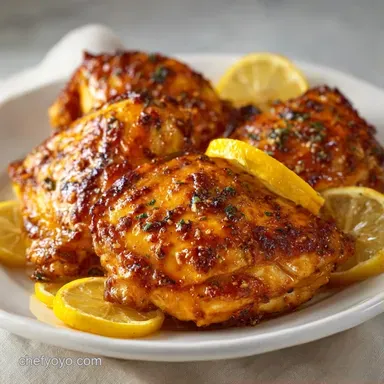
Mediterranean Baked Chicken Thighs: Crispy and Golden
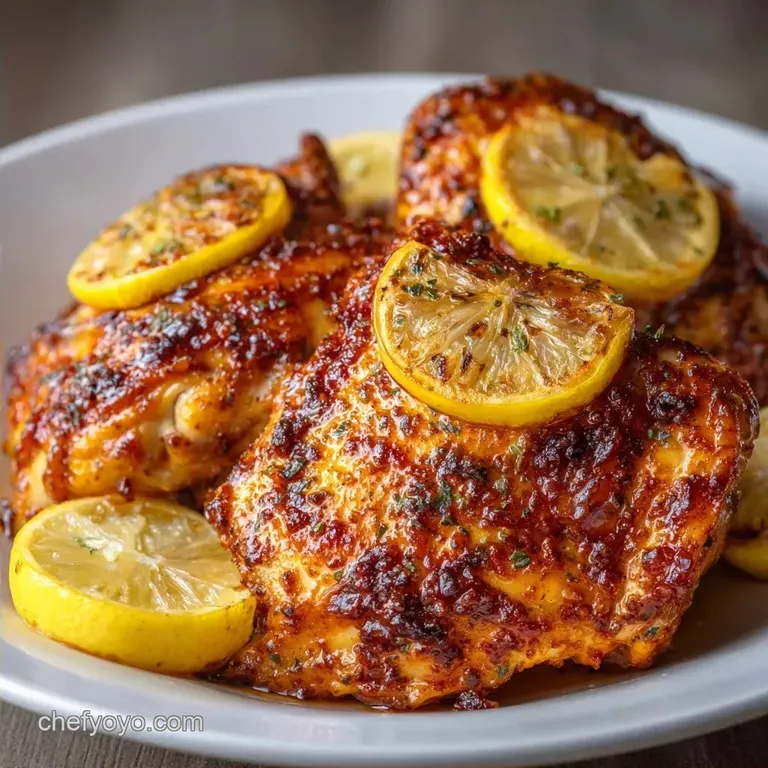
- Time: 15 min active + 40 min cooking
- Flavor/Texture Hook: Mahogany crispy skin with velvety potatoes
- Perfect for: Stress free weeknight dinners or meal prep
- Mediterranean Baked Chicken Thighs
- Common Recipe Failures
- Key Dish Details
- Essential Flavor Components
- Required Kitchen Tools
- Step By Step Process
- Fix Common Cooking Issues
- Flavor and Protein Swaps
- Adjusting the Batch Size
- Common Kitchen Myths
- Storage and Reheating Tips
- Final Plating Ideas
- Recipe FAQs
- 📝 Recipe Card
Mediterranean Baked Chicken Thighs
That sharp, citrusy scent hitting the oven heat, followed by the rhythmic sizzle of chicken skin rendering down, is honestly my favorite part of the day. There is something about the way the lemon juice caramelizes against the paprika that just smells like a summer afternoon in a coastal village.
It's the kind of aroma that pulls everyone into the kitchen before the timer even goes off.
Forget everything you've heard about needing to marinate meat for twenty four hours to get deep flavor. I used to be obsessed with long marination times, but I actually ruined a whole batch of thighs once by letting them sit in lemon juice too long, which turned the outer layer of the meat mushy and weird.
Trust me on this, a short rest or even no rest at all works better when you're using a high fat cut like bone in thighs.
This Mediterranean Baked Chicken Thighs recipe is all about the balance of salt, acid, and fat. We're using a single sheet pan to let the juices mingle, turning the vegetables into a savory treat. You can expect a meal that feels rustic and wholesome without requiring a mountain of pots and pans to clean up afterward.
Common Recipe Failures
Most people treat a tray bake like a slow roast, which is where they go wrong. When the temperature is too low, the chicken skin doesn't shatter, and the potatoes end up steaming rather than roasting. You end up with a soggy mess instead of that mahogany crust we're after.
Another huge mistake is overcrowding the pan. If the vegetables are piled on top of each other, they can't breathe. Instead of browning, they release moisture, creating a pool of liquid that boils the chicken from the bottom up.
To get those golden edges, every piece of potato and pepper needs its own little patch of breathing room.
Right then, let's look at the difference between using fresh ingredients versus the shortcut versions. While dried herbs are great for the marinade, adding fresh finishes makes a world of difference.
| Component | Fresh Approach | Shortcut Approach | Result Difference |
|---|---|---|---|
| Garlic | Minced fresh cloves | Garlic powder | Fresh gives a pungent, sweet bite; powder is more muted |
| Lemon | Freshly squeezed | Bottled juice | Fresh has volatile oils that smell brighter |
| Herbs | Fresh oregano finish | Dried only | Fresh adds a pop of green and a grassy floral note |
Key Dish Details
To get this right, you need a specific flow. We aren't just throwing things in a pan; we're layering flavors. Start with the marinade, prep the base, and then nestle the protein on top. This ensures the vegetables get a head start on cooking since they take longer than the chicken skin needs to crisp.
The timing here is precise. With a total time of 1 hour 25 mins, you've got a brief prep window and a steady roast. The magic happens at 400°F (200°C), which is the sweet spot for rendering fat without burning the garlic. According to Serious Eats, higher temperatures are essential for achieving a proper sear in the oven without a stovetop start.
Planning Your Flow
- Prep Phase (15 mins): Whisk the marinade and chop the vegetables.
- Cooking Phase (40 mins): Roast everything on one tray until the skin is dark gold.
- Finish Phase (10 mins): Let the meat rest to keep the juices inside.
Essential Flavor Components
The secret to these Mediterranean Baked Chicken Thighs is how the ingredients interact. We aren't just seasoning the meat; we're creating a sauce that evolves as it heats up. The olive oil acts as the conductor, carrying the fat soluble flavors of the paprika and oregano into every crevice of the chicken.
The lemon juice provides the necessary "cut." Without it, the skin on thighs and olive oil would feel too heavy on the palate. The acidity breaks through that richness, making each bite feel lighter and more vibrant.
Component Analysis
| Ingredient | Science Role | Pro Secret |
|---|---|---|
| Olive Oil | Heat conductor | Use extra virgin for a peppery, rustic undertone |
| Lemon Juice | Protein tenderizer | Add a pinch of zest for more "punch" without more liquid |
| Smoked Paprika | Color and depth | Adds a charred, outdoor flavor without using a grill |
| Yukon Gold Potatoes | Starch absorber | Their waxy texture keeps them from falling apart |
Required Kitchen Tools
You don't need a professional kitchen for this, but a few specific tools make it easier. A large, rimmed baking sheet is non negotiable. If the rim is too shallow, the olive oil and chicken fat will spill over the sides, creating a smoky disaster in the bottom of your oven.
I prefer a stainless steel tray over non stick for this specific recipe. Why? Because stainless steel allows for slightly better browning on the bottom of the potatoes. If you have a wire rack that fits inside your sheet pan, you can use it for the chicken, but for a true tray bake, we want the meat sitting directly on the veg.
Chef's Note: If you find your garlic often burns, try smashing the cloves and leaving them whole rather than mincing them. They'll roast into sweet, buttery nuggets instead of bitter black specks.
Step by step Process
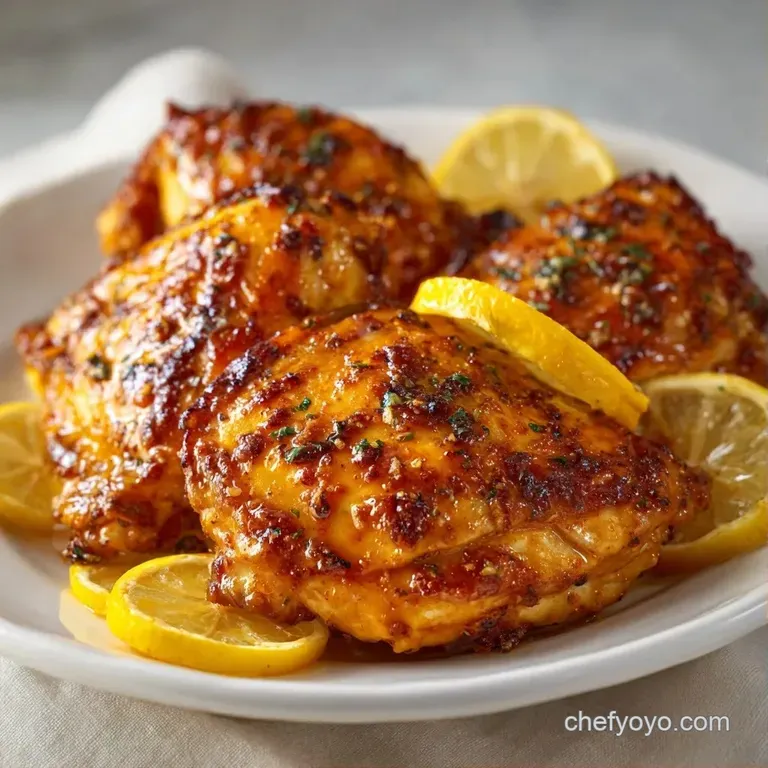
Let's crack on with the actual cooking. Follow these steps closely, and keep an eye on those sensory cues.
- Whisk the marinade. Combine the 1/2 cup olive oil, 3 tbsp lemon juice, 4 minced garlic cloves, 1 tbsp dried oregano, 1 tsp smoked paprika, 1 tsp salt, and 1/2 tsp pepper in a bowl. Note: Whisking vigorously emulsifies the oil and lemon for a smoother coating.
- Optional marinating. Toss the 2 lbs of bone in, skin on chicken thighs in half the marinade and let them rest for 30 minutes. Note: This adds depth, but don't go over an hour or the lemon will start "cooking" the meat.
- Prepare the vegetable base. Scatter the 1 lb of cubed Yukon Gold potatoes, 1 wedged red onion, and 1 cup of chopped red bell pepper on the rimmed baking sheet.
- Coat the base. Drizzle the remaining marinade over the vegetables and toss them with your hands to ensure every surface is glistening.
- Layer the protein. Place the chicken thighs skin side up on top of the vegetables. Note: Ensure the skin isn't touching the veg too much so it can crisp up.
- Add the accents. Tuck the 1 cup of cherry tomatoes, 1/2 cup Kalamata olives, and lemon slices into the gaps.
- Roast the tray. Bake at 400°F (200°C) for 35-40 minutes until the skin is mahogany brown and potatoes are fork tender.
- Final crisp. Optional: Broil on high for 2-3 minutes until the skin begins to crackle and bubble.
- Rest the meat. Remove from the oven and let the dish sit on the pan for 5-10 minutes. Note: This allows the juices to redistribute, ensuring a velvety texture.
Fix Common Cooking Issues
Even the best home cooks hit a snag. Usually, it comes down to temperature or timing. If your chicken is done but your potatoes are still hard, it's usually because the potato cubes were too large or the pan was too crowded.
One common issue is the "steamed skin" effect. This happens when you use frozen chicken that wasn't fully thawed, or when you put too many cherry tomatoes right up against the skin. The tomatoes burst and release steam, which fights against the dry heat needed for that shatter crisp skin.
Why Your Chicken Skin Is Soggy
This is usually caused by excess moisture on the skin before it hits the oven. Always pat your chicken dry with paper towels before adding the marinade. If the skin is wet, the oil can't adhere properly, and you get a boiled texture instead of a roasted one.
Why Your Garlic Tastes Bitter
Garlic has a low burn point. If you mince it too finely, it can char before the chicken is cooked. Using a slightly coarser chop or keeping the garlic nestled under the chicken helps protect it from the direct heat of the oven.
Solving Underdone Potatoes
If the potatoes are still firm, it's often because they were cut into uneven sizes. Stick to 1 inch cubes for consistent cooking. If this happens, remove the chicken to a plate and pop the pan back in for another 10 minutes.
| Problem | Root Cause | Solution |
|---|---|---|
| Rubbery Chicken | Overcooked thighs | Use a meat thermometer to hit 165°F (74°C) |
| Burnt Garlic | Too fine a mince | Use smashed cloves or coarser chops |
| Mushy Vegetables | Overcrowded pan | Use two trays if roasting more than 2 lbs of chicken |
Common Mistakes Checklist:
- ✓ Pat chicken skin bone dry before marinating.
- ✓ Ensure potatoes are cut to a uniform 1 inch size.
- ✓ Avoid stacking vegetables on top of each other.
- ✓ Let the meat rest for at least 5 minutes before carving.
- ✓ Use a rimmed pan to prevent oil leaks.
Flavor and Protein Swaps
This Mediterranean Baked Chicken Thighs recipe is a great base for experimentation. If you're looking for a different protein, bone in pork chops work surprisingly well with this exact marinade. Just keep in mind that pork cooks slightly faster, so check the internal temperature a few minutes early.
For those wanting a lower carb version, you can swap the potatoes for cauliflower florets or chunks of rutabaga. The cauliflower will brown beautifully and soak up the lemon garlic juices just like the potatoes do. If you love an even more herbal punch, you can mix in some homemade italian seasoning for an extra layer of complexity.
Swapping the Protein
- Boneless Thighs: Reduce cooking time by 5-10 minutes.
- Chicken Breast: Be careful here; breasts dry out easily. I recommend roasting them separately or using a lower temp.
- Tofu: Use extra firm pressed tofu. It won't "render fat" into the veg, so add an extra 2 tbsp of olive oil to the pan.
Making it Low Carb
Replace the Yukon Golds with radishes or cauliflower. Roasted radishes lose their "bite" and become mellow and potato like, making them a fantastic substitute for this Mediterranean Baked Chicken Thighs variation.
Going Plant Based
Use thick slices of eggplant and zucchini instead of chicken. Increase the smoked paprika and add a splash of soy sauce or tamari to the marinade to provide the umami depth that you lose without the meat.
Adjusting the Batch Size
Scaling a tray bake is different from scaling a soup. You can't just double the ingredients in the same pan, or you'll end up with the overcrowding problem we discussed earlier.
If you're cutting the recipe in half, use a smaller sheet pan (like a quarter sheet). Reduce the oven time by about 20%, as a smaller mass of food heats up faster. If you're doubling the recipe, absolutely use two separate pans. Don't try to cram 4 lbs of chicken and 2 lbs of potatoes onto one tray.
For Larger Groups
When doubling, don't double the salt and spices exactly. I find that 1.5x the seasoning is usually enough for 2x the meat. Spices can become overwhelming when scaled linearly. Also, remember to rotate your pans in the oven halfway through the cooking time to ensure both trays get equal heat.
For Single Servings
If you're just cooking two thighs, a small toaster oven tray works perfectly. Keep an eye on the lemon slices, as they can burn faster in a smaller, more enclosed space.
Common Kitchen Myths
There's a common belief that you must sear the chicken in a pan before putting it in the oven to "lock in the juices." Honestly, this is a myth. Searing adds flavor, but it doesn't create a seal.
In a over high heat oven (400°F), the skin will crisp up beautifully on its own, and you save yourself the mess of splattering oil on your stove.
Another misconception is that bone in chicken takes significantly longer to cook and is harder to handle. In reality, the bone acts as an insulator, preventing the meat from drying out.
Bone in, skin on thighs are far more forgiving than boneless breasts, making them the ideal choice for this Mediterranean Baked Chicken Thighs dish.
Finally,, some people think you should bring meat to room temperature before roasting. While this is helpful for a thick steak, it's unnecessary for chicken thighs. The difference in final internal temperature is negligible, and keeping the meat cold until it hits the oil helps the skin stay tighter for a better crisp.
Storage and Reheating Tips
These Mediterranean Baked Chicken Thighs are actually great the next day. The flavors have more time to meld, and the potatoes absorb even more of the lemon garlic essence.
Store the leftovers in an airtight container in the fridge for up to 4 days. When reheating, avoid the microwave if you can. The microwave will make the skin rubbery and the potatoes mushy.
Instead, pop the leftovers back into a 350°F (175°C) oven for about 10-15 minutes. This restores some of the crispness to the skin.
Freezing Guidelines
You can freeze the cooked chicken and vegetables for up to 3 months. I recommend freezing them in individual portions with a bit of the pan juices included. To reheat from frozen, thaw in the fridge overnight and then oven heat as mentioned above.
Zero Waste Ideas
Don't toss those chicken bones! Once you've finished your meal, collect the bones and any leftover vegetable scraps (like the onion ends and pepper stems). Simmer them in water with a bay leaf for a few hours to make a rustic chicken stock. This stock is incredible as a base for a risotto or a simple soup.
Final Plating Ideas
Presentation is where you can turn a simple tray bake into something that looks like it came from a bistro. Instead of just scooping everything onto a plate, try arranging the vegetables in a circle and nesting the chicken thighs in the center.
The color contrast is already there with the red peppers, green olives, and gold potatoes, but adding a pop of freshness at the end is key. Sprinkle some fresh parsley or cilantro over the top just before serving. A final squeeze of fresh lemon juice over the mahogany skin adds a glossy sheen and a hit of brightness.
For a complete meal, this pairs brilliantly with a side of crusty bread to soak up the juices. If you have some extra time, serving this alongside some classic tomato basil bruschetta adds a fresh, cold contrast to the warm, roasted flavors of the chicken.
Pairing for Balance
- Grains: A side of fluffy quinoa or wild rice works well to balance the acidity.
- Greens: A simple arugula salad with a light vinaigrette cuts through the richness of the chicken fat.
- Wine: A crisp Sauvignon Blanc or a light Pinot Noir complements the lemon and oregano perfectly.
Adding Freshness
If you have feta cheese on hand, crumble it over the dish the moment it comes out of the oven. The heat will soften the cheese without fully melting it, adding a salty, creamy element that rounds out the entire Mediterranean Baked Chicken Thighs experience.
Recipe FAQs
Is it better to bake chicken thighs at 400 or 425?
Stick with 400°F. This temperature ensures the potatoes soften completely without burning the garlic and herbs in the marinade.
What seasonings go on Mediterranean chicken?
Use oregano, smoked paprika, garlic, and lemon. These ingredients combined with olive oil create the bright, earthy flavor profile typical of the region.
Are chicken thighs good for diabetics?
Yes, they are generally a great choice. Thighs provide high protein and healthy fats, while the accompanying vegetables offer fiber to help stabilize blood sugar.
Are chicken thighs ok for heart patients?
Consult your doctor, but consider removing the skin. While flavorful, skin-on thighs contain more saturated fat than skinless options.
How long do you cook baked chicken thighs?
Bake for 35 40 minutes. Ensure the skin is mahogany brown and the potatoes are fork tender before removing the pan from the oven.
What is the best way to cook skinless chicken thighs?
Reduce the baking time slightly. Without the protective layer of skin, the meat can dry out faster, so start checking for doneness 5-10 minutes earlier.
What are some other great chicken thigh recipes?
Try different flavor profiles or sauces. For a richer, velvety alternative, see how we use a white wine sauce to create a creamy dinner.
Mediterranean Baked Chicken Thighs