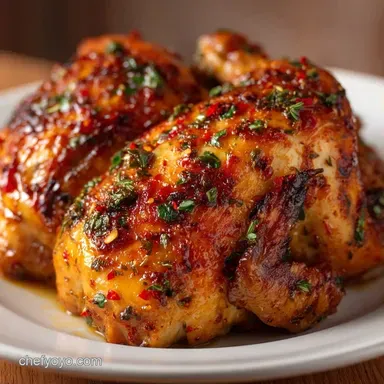
Olive Oil Roasted Chicken Thighs: Crispy and Golden
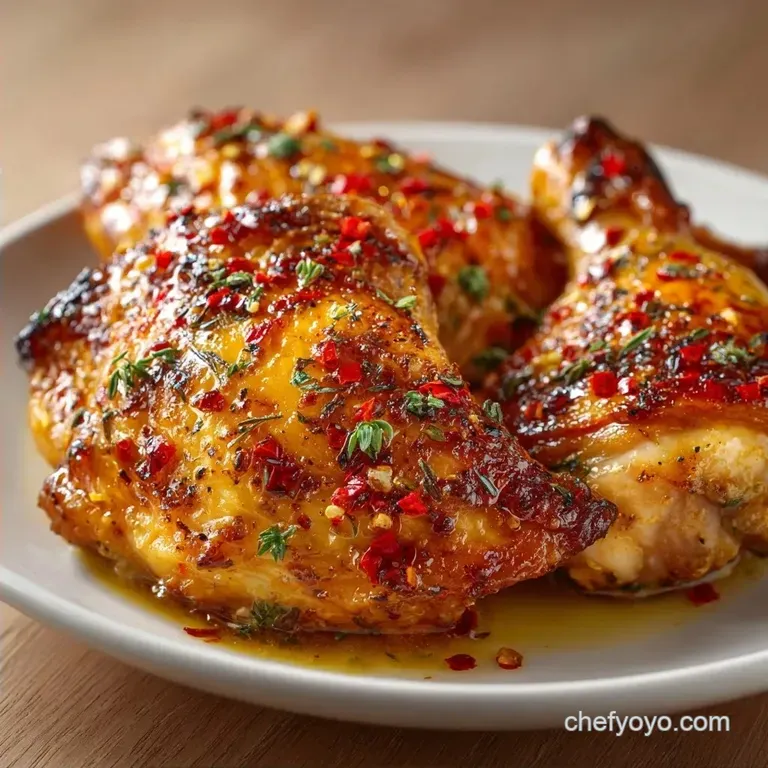
- Time:10 minutes active + 45 minutes roasting
- Flavor/Texture Hook: Shatter crisp skin with briny, zesty undertones
- Perfect for: A rustic Sunday dinner or effortless weeknight meal prep
Olive Oil Roasted Chicken Thighs
The smell of garlic and lemon hitting a hot oven is, for me, the smell of a house finally feeling like a home. I remember the first time I tried to do a "fancy" roast for my partner; I spent hours basting and worrying, only to end up with skin that felt like wet cardboard. It was a total disaster.
I realized I was overthinking the process and treating the chicken like it was some delicate piece of art instead of just... chicken.
Then I shifted to this method. No fancy basting, no constant hovering. Just a heavy hit of olive oil, a few Mediterranean staples, and a very hot oven. The first time the skin actually shattered when I bit into it, I knew I'd found the secret.
Now, these Olive Oil Roasted Chicken Thighs are my go to whenever I want something that feels like it came from a bistro but only took ten minutes of actual work.
You can expect a dish that balances the richness of the chicken fat with the sharp tang of lemon and the salty punch of Kalamata olives. It's rustic, it's wholesome, and it doesn't require any professional gear.
Trust me on this, once you see that mahogany color on the skin, you'll never go back to poaching or pan frying your thighs again.
Why This Recipe Just Works
I'm not a scientist, but after a lot of trial and error in my own kitchen, I've noticed a few things that make this specific approach work every single time. It's all about how the heat interacts with the fat and the acid.
- Fat Conduction: Olive oil doesn't just add flavor, it creates a heat conductive layer that helps the skin sizzle and crisp evenly across the entire surface.
- Acidic Tenderizing: The lemon juice in the marinade breaks down some of the tougher muscle fibers, ensuring the meat stays velvety even at high temperatures.
- Bone In Insulation: Keeping the bone in acts as a heat shield, preventing the meat from drying out while the skin reaches that shatter point.
- Moisture Control: Patting the skin dry is the most important part because water is the enemy of a crisp crust. According to Serious Eats, surface moisture creates steam, which prevents the skin from browning.
| Method | Time | Texture | Best For |
|---|---|---|---|
| Oven Roast | 45 mins | Shatter crisp skin | Large batches/Low effort |
| Pan Sear | 20 mins | Charred/Crispy | Single servings/Speed |
| Air Fryer | 25 mins | Uniformly crunchy | Maximum crisp/Small portions |
Component Deep Dive
I like to look at my ingredients not just as a list, but as tools. Each one has a specific job to do in the pan. If you skip one, the balance shifts.
| Ingredient | Science Role | Pro Secret |
|---|---|---|
| Extra Virgin Olive Oil | Heat Transfer | Use a cold pressed oil for a more rustic, peppery finish |
| Lemon Juice | pH Balance | Massage it into the meat, not just the skin, for deeper flavor |
| Smoked Paprika | Color/Depth | Adds a "grilled" aroma without needing an actual grill |
| Garlic | Aromatic Base | Mince it fine so it doesn't burn before the chicken is done |
Essential Ingredients List
Right then, let's get into what you actually need. I've kept this simple, but don't be tempted to use "light" olive oil here. You want the flavor of the real stuff.
- 3 lbs bone in, skin on chicken thighsWhy this? Bone in thighs are far more forgiving and juicy than breasts
- 1/4 cup extra virgin olive oilWhy this? High smoke point and classic Mediterranean flavor
- 3 cloves garlic, mincedWhy this? Fresh garlic provides a punchy, sharp aroma
- 1 tsp dried oreganoWhy this? Adds a woody, herbal note that pairs with olives
- 1 tsp smoked paprikaWhy this? Gives that deep mahogany color and subtle smoke
- 1 tsp kosher saltWhy this? Essential for drawing moisture out of the skin
- 1/2 tsp cracked black pepperWhy this? Adds a slow, warming heat
- 1 tbsp fresh lemon juiceWhy this? Cuts through the richness of the chicken fat
- 1 lemon, sliced into roundsWhy this? Caramelizes in the pan and adds visual appeal
- 1/2 cup pitted Kalamata olivesWhy this? Provides a briny contrast to the savory meat
If you're missing something, don't panic. Check out this table for a few quick swaps that won't ruin the vibe.
| Original Ingredient | Substitute | Why It Works |
|---|---|---|
| Kalamata Olives | Green Castelvetrano | Mildly salty, buttery flavor. Note: Less punchy than Kalamatas |
| Smoked Paprika | Sweet Paprika | Similar color. Note: Loses the "fire roasted" depth |
| Dried Oregano | Dried Thyme | Similar herbal profile. Note: Slightly more lemon like scent |
| Lemon Juice | White Wine Vinegar | Similar acidity. Note: Lacks the fresh citrus brightness |
Step by step Roasting
Let's crack on with the cooking. I've broken this down into a flow that makes sense so you aren't running around the kitchen.
Prepping the Protein
- Pat the chicken thighs completely dry using paper towels. Note: This is the only way to avoid rubbery skin.
- In a large bowl, whisk together the olive oil, minced garlic, oregano, smoked paprika, salt, pepper, and lemon juice.
Coating the Thighs
- Toss the chicken thighs in the marinade. Ensure every inch of the skin is thoroughly coated so the oil can conduct the heat.
- Arrange the coated chicken on a wire rack set over a rimmed baking sheet. Note: The rack allows air to circulate under the meat, preventing a soggy bottom.
- Scatter the lemon slices and Kalamata olives around the pan, letting some tuck in between the chicken pieces.
Roasting to Perfection
- Place the pan in the oven and roast at 400°F (200°C) for 35–45 minutes.
- Keep an eye on the color. Cook until the skin is mahogany colored and the internal temperature reaches 175°F (80°C).
- Remove from the oven and let the meat rest for 5-10 minutes. Note: This lets the juices redistribute so they don't run out the moment you cut in.
Chef's Note: If you want a truly artisanal finish, sprinkle a tiny bit of flaky sea salt over the skin the second it comes out of the oven. It adds a crunch that feels professional.
Fixing Common Roasting Issues
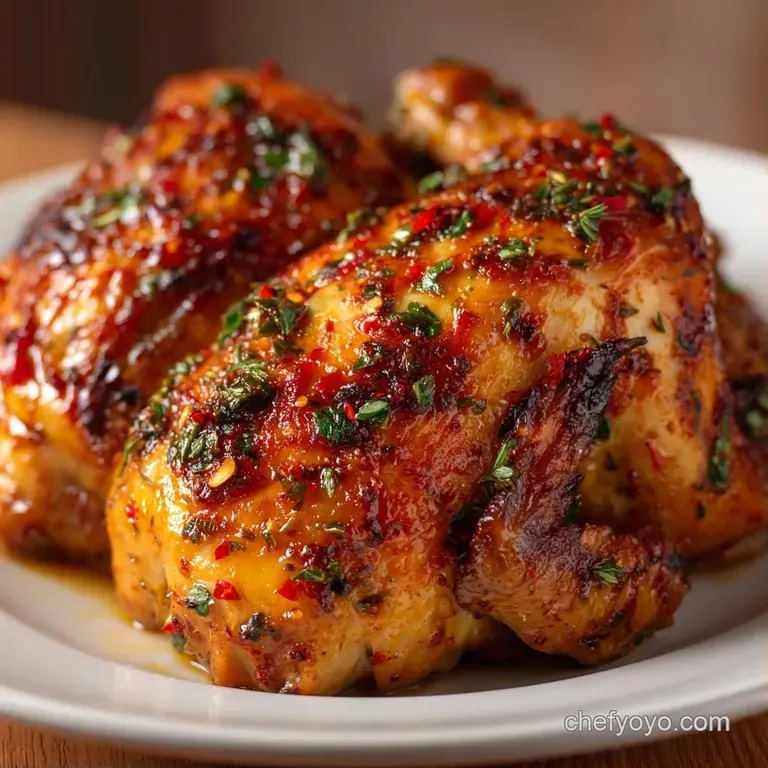
Even for us obsessed cooks, things go sideways. Usually, it's a temperature or moisture issue. If your Olive Oil Roasted Chicken Thighs aren't looking right, check these common hiccups.
Why Your Skin Is Rubbery
This usually happens because of "steaming." If the chicken is too crowded in the pan or wasn't dried properly, the moisture traps heat and boils the skin instead of frying it.
Preventing Burnt Garlic
Since we're roasting at 400°F, tiny bits of garlic can sometimes scorch. By whisking the garlic into the olive oil first, you're essentially "confitting" it, which protects it from the direct heat.
Handling Underdone Centers
Chicken thighs are tougher than breasts, and sometimes the joint stays pink. This is why I recommend 175°F rather than 165°F; the connective tissue in thighs needs more heat to break down and become velvety.
| Problem | Root Cause | Solution |
|---|---|---|
| Pale, soft skin | Oven temp too low | Increase to 400°F and use a wire rack |
| Dried out meat | Overcooked/No bone | Pull meat at 175°F; keep the bone in |
| Bitter taste | Burnt garlic bits | Ensure garlic is fully emulsified in oil |
Common Mistakes Checklist
- ✓ Did you pat the skin bone dry?
- ✓ Is the oven fully preheated to 400°F?
- ✓ Did you leave space between thighs for airflow?
- ✓ Did you check the internal temp with a meat thermometer?
- ✓ Did you let the meat rest before serving?
Adjusting For Different Sizes
Depending on how many people you're feeding, you'll need to tweak your flow. Don't just multiply everything blindly, or you'll end up with a salty mess.
Scaling Down (2-3 servings) If you're only making a few thighs, use a smaller baking sheet. Because there's less mass in the oven, your cook time might drop by about 20%. Check them at the 30 minute mark.
Scaling Up (12+ servings) When doubling or tripling, work in batches. If you crowd the pan, the chicken will steam and you'll lose that shatter crisp skin. For the spices and salt, only increase them to 1.5x the original amount; too much salt in a large batch can become overwhelming.
Special Note for Boneless Thighs If you're using Olive Oil Roasted Chicken Thighs boneless skinless, drop the roast time to 20-25 minutes. Since there's no bone to insulate the meat, they can dry out quickly.
| Batch Size | Pan Type | Time Adjustment | Spice Adjustment |
|---|---|---|---|
| Single/Double | Small Sheet | -5 to 10 mins | Exact |
| Family Size | Two Sheets | No change | 1.5x |
| Party Size | Multiple Racks | +5 mins per rack | 1.5x |
Debunking Kitchen Folklore
I've heard a lot of "rules" about roasting chicken that are actually just myths. Let's set the record straight so you can cook with confidence.
The "Sealing the Juices" Myth Many people think you have to sear meat in a pan first to "seal in" the juices. This isn't true. Moisture loss happens regardless of how you start. The over high heat roast we use here creates flavor through browning, not a waterproof seal.
The "Room Temperature" Myth You'll often see recipes saying you must let meat sit out for an hour before roasting. For thighs, this is unnecessary and can be a food safety risk.
The high heat of 400°F penetrates the meat quickly enough that the starting temp doesn't significantly change the outcome.
Storage and Zero Waste
Don't let the leftovers go to waste. These thighs actually taste great the next day, provided you don't microwave them into rubber.
Storage Guidelines Keep your cooked chicken in an airtight container in the fridge for up to 4 days. If you're planning to keep them longer, they freeze beautifully for up to 3 months. Just wrap them tightly in foil and then a freezer bag to prevent freezer burn.
Reheating for Crispiness Avoid the microwave. Instead, pop them back in the oven at 350°F for 10 minutes. This refreshes the skin and keeps the meat tender. If you're feeling fancy, you could serve these as a base for something like my Chicken Shawarma with Garlic Sauce by shredding the meat and adding fresh spices.
Zero Waste Tips Don't throw away those bones! After you've eaten the meat, toss the bones into a pot with some water, a carrot, and an onion. Simmer for a few hours to make a rich, homemade stock. This is a great way to get an artisanal base for soups without spending a dime.
Best Ways To Serve
This dish is the star, but it needs a supporting cast. Because the flavor profile is so Mediterranean, you want sides that can handle the acidity of the lemon and the salt of the olives.
The Bistro Platter For a full experience, serve the chicken on a large wooden board. Surround it with roasted baby potatoes, blanched asparagus, and a dollop of tzatziki. If you want a bit more zing, a drizzle of homemade balsamic glaze over the roasted vegetables adds a lovely sweetness that balances the briny olives.
The Light Lunch If you have leftovers, slice the cold chicken over a bed of arugula with sliced cucumbers, cherry tomatoes, and a bit of feta cheese. The residual olive oil from the roast acts as a natural dressing for the greens.
The Comfort Bowl Serve the chicken over a bed of fluffy quinoa or wild rice. Spoon the pan juices all that melted chicken fat and lemon directly over the grains. It's a simple way to make the meal feel more cohesive and comforting.
High in Sodium
1100 mg 1,100 mg of sodium per serving (48% 48% of daily value)
The American Heart Association recommends a daily limit of 2,300mg of sodium to help manage blood pressure and heart health.
Tips to Reduce Sodium
-
Reduce Added Salt-25%
Reduce the kosher salt by half or omit it entirely, as the olives already provide significant salinity.
-
Rinse the Olives-20%
Rinse the Kalamata olives thoroughly under cold water to wash away the excess surface brine.
-
Add Lemon Zest
Incorporate fresh lemon zest into the marinade to enhance the citrus brightness, which tricks the palate into needing less salt.
-
Increase Dried Herbs
Double the amount of dried oregano and smoked paprika to build a deeper flavor profile without adding sodium.
-
Boost Aromatics
Add one or two extra cloves of garlic to increase the pungent, savory notes of the dish.
Recipe FAQs
Should I put olive oil on chicken thighs before baking?
Yes, definitely. It helps the spices stick and ensures the skin gets a deep, golden crisp.
Are chicken thighs a good option for diabetics?
Yes, they are. As a protein source with healthy fats from olive oil, they help keep blood sugar stable.
Can I eat chicken thighs with IBS?
Yes, usually. Just be cautious with the garlic and lemon juice if you have specific trigger foods.
Is olive oil a good choice for roasting chicken?
Yes, it's an excellent fat. It creates a beautiful mahogany color and adds a rich, Mediterranean flavor.
How long do you cook baked chicken thighs?
Roast at 400°F (200°C) for 35 45 minutes. You are looking for an internal temperature of 175°F (80°C).
What is the best way to cook skinless chicken thighs?
Reduce the total roasting time. Since there is no skin to render, the meat cooks faster and can dry out if overbaked.
What ideas for chicken thighs do you have for side pairings?
Serve them with something creamy. These savory thighs pair perfectly with a side of baked mac and cheese for a hearty dinner.
Olive Oil Roasted Chicken Thighs