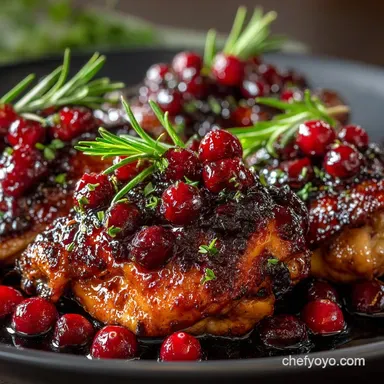
Sticky Balsamic Cranberry Chicken a Festive Flavour Fiesta
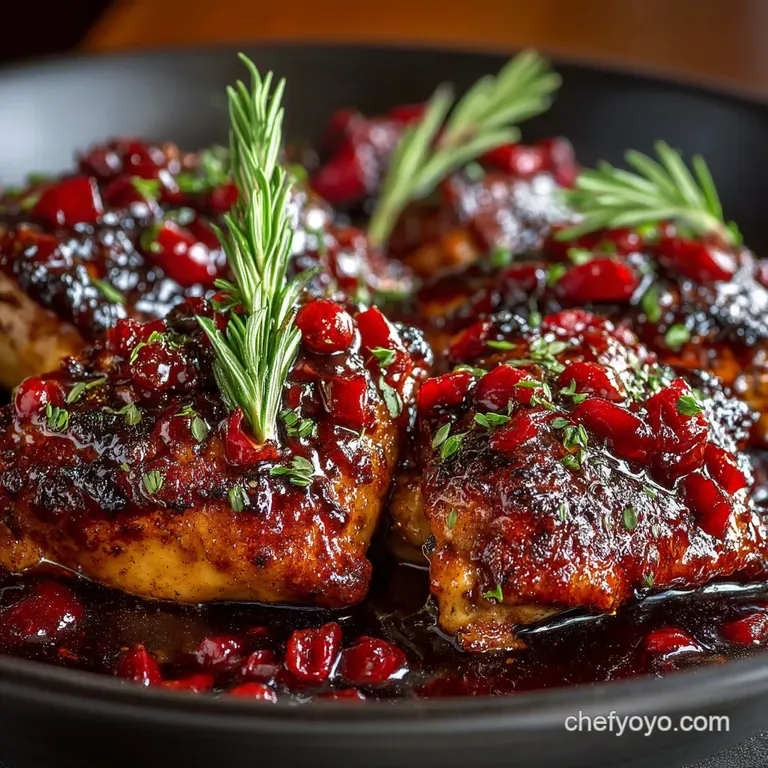
- Trading Weeknight Blandness for Bold Flavour
- Why Balsamic Cranberry Chicken Is Your New Go-To Recipe
- Assembling Your Culinary Toolkit and Core Ingredients
- Selecting the Perfect Cuts for Balsamic Cranberry Chicken
- The Step-by-Step Guide to Maximum Flavour Infusion
- From Prep to Plate: Cooking Methodology
- Serving Suggestions and Flavour Enhancements
- Frequently Asked Questions About This Recipe
- Recipe FAQs
- 📝 Recipe Card
Trading Weeknight Blandness for Bold Flavour
There is a common misconception that truly sophisticated meals require hours of dedicated effort. This simply isn't true when you understand how to harness deep, concentrated flavours in a short amount of time.
If your dinner rotation is stuck in a rut of repetitive, predictable dishes, the Balsamic Cranberry Chicken is the recipe you need to break free. It’s a dynamic dish that manages to be deeply satisfying yet surprisingly quick, positioning it perfectly among the best Easy Weeknight Dinners available.
We are talking about transforming basic poultry into a sticky, syrupy masterpiece that tastes like it took all day.
Why Balsamic Cranberry Chicken Is Your New Go-To Recipe
This dish excels because it hits every major flavour note: the poultry provides protein and substance, the balsamic delivers complexity and richness, and the cranberries cut through with necessary tartness.
It’s a balanced flavour profile that screams cozy sophistication, making this a true star in your cooking repertoire.
Festive Tastes, Year-Round Ease
The combination of tart cranberries and sweet, reduced balsamic vinegar instantly evokes the best flavours of the cooler months, yet the execution is streamlined for year-round success.
Despite its luxurious taste and appearance, the process from initial prep to the final plate takes a highly manageable 40 to 45 minutes, with only about 15 minutes of that time being hands-on active work.
This cranberry balsamic chicken recipe offers maximum reward for minimal kitchen labor.
Mastering the Sear: Achieving Crispy Chicken Skin
The foundation of flavour in this dish isn't just the sauce; it’s the crust we develop on the chicken. Achieving a deep, golden-brown exterior adds a crucial textural element and depth of flavour that a simple braise can never replicate.
This critical step requires medium-high heat and ensuring the surface of the cranberry balsamic chicken breast is thoroughly dry before it ever hits the hot oil.
That initial searing caramelizes the surface proteins, providing a structural integrity that prevents the chicken from becoming waterlogged later when it simmers in the glaze.
The Magic of the Sticky Glaze Reduction
The intense flavour of this meal hinges entirely on the concentration of the sauce. We are not making a thin jus; we are aiming for a thick, glossy, sticky glaze. The process involves combining high-quality balsamic vinegar, chicken stock, brown sugar, and dried cranberries, then letting the mixture vigorously reduce over heat.
This process not only intensifies the acidity and sweetness but also thickens the sauce significantly, allowing it to coat the back of a spoon and cling beautifully to every surface of the chicken. The optional addition of Dijon mustard aids in creating a perfectly emulsified, smooth finish.
Assembling Your Culinary Toolkit and Core Ingredients
To make this recipe a success, focusing on ingredient quality and having the right tools prepared ahead of time is key. This is a dish that relies on a brief, high-heat process followed by a gentle reduction, demanding a bit of finesse regarding the materials used.
Selecting the Perfect Cuts for Balsamic Cranberry Chicken
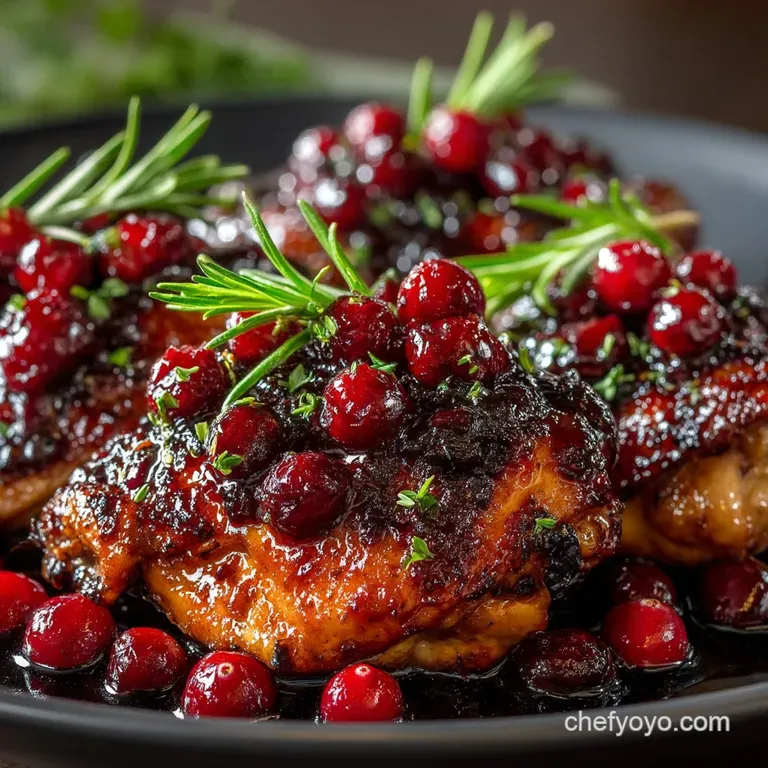
While this recipe is optimized for speed and uses four boneless, skinless chicken breasts (each weighing approximately 175-200g), the technique is versatile. The quick-cooking nature of the breast ensures it finishes cooking just as the glaze reaches peak stickiness.
However, if you prefer the richer flavour and guaranteed moisture of dark meat, the method works equally well for balsamic cranberry chicken thighs , although they will require an additional five to ten minutes of simmering time in the sauce to achieve ultimate tenderness.
For special occasions, this entire concept can even be scaled up to flavour a magnificent balsamic cranberry roast chicken .
Essential Pantry Items for the Deep Balsamic Reduction
The main supporting cast for the glaze includes ingredients that deliver deep, complex sweetness and aromatics. Crucial to the outcome is the balsamic vinegar; choose the best quality you can reasonably afford, as its character defines the sauce.
We combine this with low-sodium chicken stock, light brown sugar for body, and rich dried cranberries. The aromatics, a finely minced shallot (about 50g) and two cloves of minced garlic, form the flavour base once the chicken is removed.
Quality Check: Choosing Juicy Cranberries and Chicken Breasts
Always select plump, fresh chicken breasts that have been properly trimmed. For the fruit, ensure your dried cranberries are the commonly available sweetened variety, which provides the necessary sugar component to balance the high acidity of the vinegar during the reduction.
Fresh rosemary or thyme sprigs are also essential here, infusing an earthy herbaceousness that prevents the glaze from becoming overwhelmingly sweet.
Necessary Equipment for Seamless Pan-Searing
Given that this is a balsamic cranberry chicken skillet preparation, the most important piece of equipment is a quality heavy-bottomed pan, such as cast iron or high-grade stainless steel.
This ensures even heat distribution, which is mandatory for achieving that flawless golden crust during the sear. A reliable set of kitchen tongs for handling the chicken and a cutting board and sharp knife for prepping the aromatics complete the necessary culinary toolkit.
Related Recipes Worth Trying
- Nachos Mundialistas Ultimate Shredded Chicken Game Day Feast — You cant beat these Nachos Mundialistas for match day grub Foolproof doublelayer technique ensures zero naked chips The ultimate shredded chicken nachos recipe
- Best Homemade Cranberry Sauce with Orange Zest Cinnamon — Ditch the tin Learn how to make vibrant jewelbright homemade cranberry sauce from scratch thats thick tart and perfect for your roast
- The Best Homemade Cranberry Sauce Recipe with Orange Zest — Ditch the tin This easy Cranberry Sauce Recipe delivers bright fresh flavour with orange and spice Its the best accompaniment for your Sunday roast
The step-by-step Guide to Maximum Flavour Infusion
The methodology behind this dish is divided into four distinct phases: preparation, searing, glaze building, and the final simmer. Each phase builds upon the last, guaranteeing a result that is both visually appealing and intensely flavourful.
From Prep to Plate: Cooking Methodology
The total cooking time hovers around 25 to 30 minutes following the 15-minute prep, making the entire dish achievable in under an hour.
Prepping the Chicken and Seasoning Strategy
Before any heat is applied, ensure the four chicken breasts are patted thoroughly dry using paper towels. This crucial step is the key differentiator between a fantastic sear and a lackluster steam.
Once dry, season all sides generously with a full teaspoon of kosher salt and half a teaspoon of freshly ground black pepper.
Achieving the Golden Crust: Searing Technique
Heat two tablespoons of olive oil in your heavy-bottomed skillet over medium-high heat until it shimmers. Place the seasoned chicken breasts in the hot pan, ensuring not to crowd them, work in batches if necessary. Sear undisturbed for four to five minutes until a deep golden-brown crust develops.
Flip and sear the second side for three to four minutes. Immediately remove the chicken from the pan and set it aside on a clean plate to rest, retaining those precious cooking juices.
Building the Glaze: Timing the Balsamic Reduction
Reduce the heat to medium. Add one tablespoon of unsalted butter to the pan. Once melted, add the minced shallot and cook until softened (about three minutes), followed by the minced garlic, cooking until fragrant (one minute).
Pour in a tablespoon or two of stock to deglaze the pan, scraping up all those delicious brown bits. Now, introduce the remaining ingredients: half a cup each of balsamic vinegar and stock, the dried cranberries, two tablespoons of brown sugar, the Dijon mustard (if using), and your choice of fresh herbs.
Bring the mixture to a rapid simmer over medium-high heat and let it actively reduce for eight to twelve minutes, stirring occasionally until the sauce has reduced by roughly half and visibly coats the back of a spoon.
Bringing It All Together: Final Simmer and Serve
Nestle the seared chicken breasts back into the thickened glaze, spooning the sauce over the tops of the meat. Reduce the heat to low, cover the pan loosely, and simmer for five to seven minutes. The goal is an internal temperature of 165°F (74°C).
Once cooked, remove the herb sprigs and let the balsamic cranberry chicken rest in the pan for a final five minutes before serving. This short rest allows the juices to settle and the sticky glaze to fully adhere to the meat.
Serving Suggestions and Flavour Enhancements
The richness and tang of the glaze pair beautifully with sides that offer texture and absorbency. For an elegant and complete meal, consider adding a twist by incorporating flavour enhancements directly into the glaze; adding the zest and juice of half an orange along with the balsamic vinegar provides an extra burst of festive brightness.
Frequently Asked Questions About This Recipe
Side Dish Pairings That Complement the Tangy Sweetness
The ideal companion for this baked balsamic cranberry chicken —or skillet chicken in this case, is something comforting that can soak up every last drop of the viscous glaze. Creamy mashed potatoes or rich polenta are classic choices.
For a necessary textural contrast, serve alongside simple steamed green beans or asparagus, lightly dressed with a squeeze of fresh lemon juice to highlight their inherent freshness and cut through the richness of the sauce.
Storage and Reheating Tips for Leftovers
Leftovers of this dish store remarkably well. Transfer the cooled chicken and remaining glaze to an airtight container and refrigerate for up to four days. To reheat, the best method is low and slow on the stovetop. Place the chicken and sauce in a covered pan over low heat until warmed through.
If the glaze has thickened too much in the refrigerator, simply add a splash of chicken stock or water during reheating to loosen it slightly.
Customizing the Recipe: Vegetarian and Poultry Swaps
As noted earlier, substituting boneless balsamic cranberry chicken thighs for the breasts works perfectly, requiring only a slight adjustment to the final simmer time.
If you wish to maintain a poultry base but try a different flavour profile, dried cherries or chopped dried apricots can be swapped for the cranberries, yielding a similarly rich, fruity glaze.
For those interested in a non-poultry adaptation, the reduction technique itself can be used to create a wonderful sauce for pan-seared pork tenderloin medallions or even baked halloumi cheese.
Nutritional Breakdown of Balsamic Cranberry Chicken
Based on an estimate per serving (one chicken breast and the corresponding glaze), the Balsamic Cranberry Chicken provides a balanced and robust meal. Each serving offers approximately 480 kcal, delivering a substantial 45 grams of protein.
While the intensity of the glaze means there are about 20 grams of sugar (both natural and added) and 35 grams of total carbohydrates, the high protein and fiber content ensures this dish remains incredibly satisfying.
Recipe FAQs
Help! My sauce isn't sticky enough; how do I get that luscious, glossy glaze?
Ah, the sticky reduction can be tricky! The trick here is patience and heat. You need a proper, active simmer, a rolling bubble, not just a gentle simmer, to reduce the liquid by half. Keep it going for the full 8–12 minutes until the sauce visibly coats the back of a spoon.
If you’re truly in a sticky wicket, whisking in a small knob of cold butter right at the very end can stabilise the sauce and give it that brilliant, glossy sheen.
I fancy trying the Balsamic Cranberry Chicken with thighs instead of breasts, will that work, and what about swapping the cranberries?
That is a smashing idea! Boneless, skinless chicken thighs (8 pieces) work wonderfully and tend to be more forgiving, staying juicy for longer. Just bear in mind they need slightly longer simmering in the reduced sauce, maybe an extra 5–10 minutes, to reach ultimate tenderness.
If you’ve run out of dried cranberries, dried cherries or chopped dried apricots are brilliant stand-ins, providing a similar festive tartness to the glaze.
Can I make this dish ahead of time for a dinner party, and how long do the leftovers keep?
Absolutely, prepping ahead is a great shout for entertaining. You can sear the chicken completely (Step 1) and set it aside, and even prepare the full balsamic glaze (Step 3). Store both separately. When it’s showtime, simply reheat the glaze, nestle the chicken back in, and finish the simmering step.
Leftovers store beautifully in an airtight container in the fridge for 3–4 days, they often taste even better the next day, perfect for a cracking working lunch.
I’m always worried about dry chicken; any technique tips, and is this meal actually good for me?
The two golden rules are the “Dry Pat” and the thermometer! Always pat the chicken completely dry before searing, moisture is the enemy of a crisp crust. And the ultimate assurance is a meat thermometer: pull the chicken the moment it hits 165°F (74°C).
Nutritionally, this is a great source of lean protein, though due to the reduction of sugar and vinegar, it is higher in carbohydrates than a typical savoury meal. It's best enjoyed as a richer, celebratory dinner.
What are the best side dishes to serve alongside this rich balsamic glaze?
Since the sauce is the real star, rich, sticky, and tangy, you want a canvas to soak it all up. Creamy mash or soft polenta is a non-negotiable classic here. For a vital bit of contrast, serve a simple green vegetable, like steamed green beans or asparagus, tossed lightly with lemon juice to cut through the sweetness of the glaze, it balances the plate beautifully.
Sticky Balsamic Cranberry Chicken Recipe Weeknight Glaze in 40 Mins