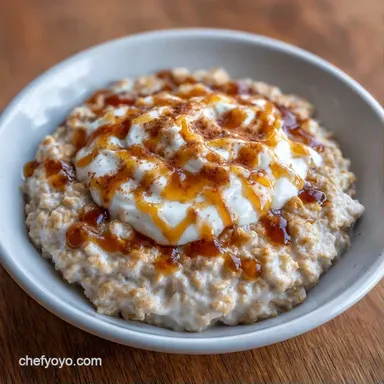
Stovetop Greek Yogurt Oatmeal: High Protein
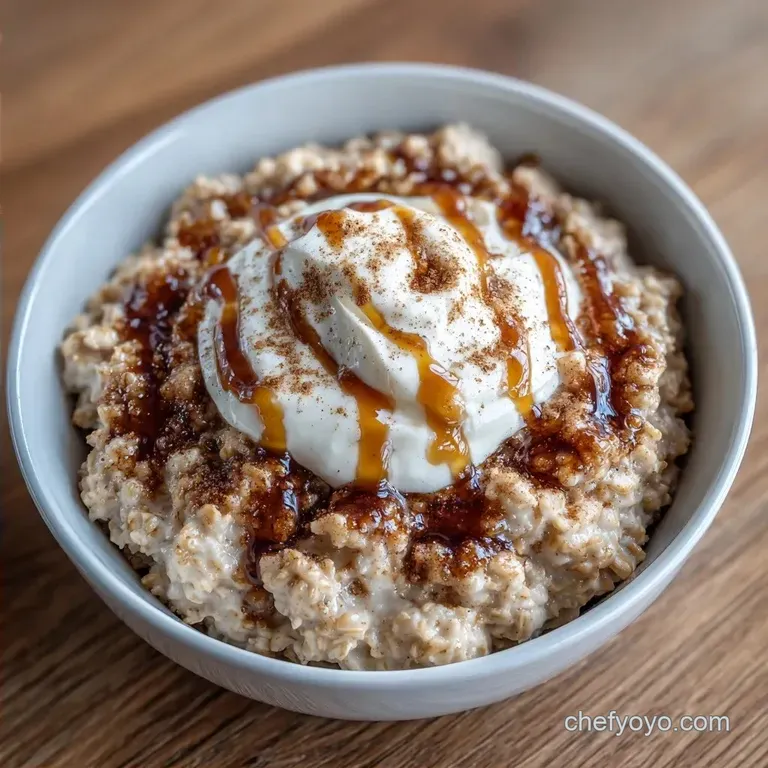
- Time: 5 min active + 10 min cooking
- Flavor/Texture Hook: Tangy, velvety, and nutty
- Perfect for: High protein weekday breakfasts
The smell of cinnamon hitting hot water is usually enough to wake me up, but the real magic happens when that swirl of white Greek yogurt hits the oats. It turns a boring bowl of grains into something that feels almost like a dessert, but without the sugar crash.
I used to make the mistake of stirring the yogurt in while the pot was still screaming hot on the burner. The result was an absolute mess, looking more like curdled cottage cheese than a smooth breakfast.
I spent a few mornings wondering why my bowl looked broken until I realized that the protein in the yogurt can't handle boiling temperatures. Once I started moving the pan to a cool burner first, everything changed.
This Stovetop Greek Yogurt Oatmeal is my go to when I need something that fills me up until lunch. It's not just about the taste, it's about that specific, thick consistency that you can't get from a microwave. Trust me on this, the extra few minutes at the stove are worth it for the texture alone.
Stovetop Greek Yogurt Oatmeal Success Tips
Right then, let's talk about what makes this work. Most people treat oatmeal like a "set it and forget it" dish, but if you want that silky feel, you have to be intentional about the temperature. The Greek yogurt isn't just for protein; it adds a brightness that cuts through the starchiness of the oats.
If you're looking for Protein Greek Yogurt Oat Recipes, the key is the timing of the integration. You want the oats to be fully hydrated and the starch to be released, but the temperature must drop slightly before the yogurt enters the chat. This prevents the proteins from tightening up and squeezing out the moisture, which is what causes those annoying little clumps.
I've found that using old-fashioned rolled oats is the only way to go here. Steel cut takes too long and stays too chewy, while instant oats turn into a paste. Rolled oats hit that sweet spot where they soften but still have a bit of a bite, providing a great contrast to the velvety finish of the yogurt.
How the Yogurt Stays Smooth
Temperature Control: Moving the pan to a cool burner drops the heat below the curdling point of dairy.
Starch Buffer: The thickened oat starch helps suspend the yogurt, preventing it from separating.
Choosing the Right Texture
| Method | Time | Texture | Best For |
|---|---|---|---|
| Stovetop | 15 mins | Velvety & Nutty | Maximum creaminess |
| Microwave | 5 mins | Soft & Mushy | Extreme rush |
| Overnight | 8 hours | Dense & Cold | Grab and-go |
Recipe Specs
This recipe is designed for two people, but it's easy to scale. The timing is tight, so make sure you have your yogurt measured out before you even turn on the heat. There's nothing worse than hunting for a measuring cup while your oats are overcooking and sticking to the bottom of the pan.
The total time is 15 minutes, with 5 minutes for prep and 10 minutes of actual cooking. It's a quick process, but don't rush the simmering stage. If you boil it too hard, the oats can get a weird, gluey consistency. A gentle simmer is what keeps them plump and tender.
Essential Ingredient List
The quality of your oats matters here. I prefer a brand like Bob's Red Mill because they're consistent, but any organic rolled oats will do. For the yogurt, go for a full fat or 2% plain Greek yogurt. Non fat versions can sometimes be too tart and lack the richness that makes this dish feel like a treat.
- 1 cup (90g) old-fashioned rolled oats Why this? Best balance of chew and creaminess
- 2 cups (480ml) water Why this? Standard hydration for rolled oats
- 1/2 tsp (3g) ground cinnamon Why this? Adds warmth and natural sweetness
- 1/4 tsp (1.5g) fine sea salt Why this? Pulls out the nuttiness of the oats
- 1/2 cup (120g) plain Greek yogurt Why this? Adds protein and a velvety tang
- 1 tbsp (21g) maple syrup Why this? Earthy sweetness that pairs with cinnamon
- 1 tsp (5ml) pure vanilla extract Why this? Rounds out the acidity of the yogurt
Component Analysis
| Ingredient | Science Role | Pro Secret |
|---|---|---|
| Rolled Oats | Starch Base | Toast them in a dry pan for 2 mins first |
| Greek Yogurt | Protein/Acid | Use room temp yogurt to avoid cooling the oats too fast |
| Cinnamon | Flavor Catalyst | Add a pinch extra if using frozen berries |
| Maple Syrup | Glaze/Sweetener | Stir in at the very end to preserve the aroma |
Necessary Cooking Tools
You don't need a fancy kitchen for this, just a few basics. A small saucepan is essential. If you use one that's too large, the water evaporates too quickly and you'll end up with dry oats. A silicone spatula is also my secret weapon here, as it lets me scrape the corners of the pan to ensure nothing burns.
I usually use a small 2 quart pot. Make sure it has a heavy bottom so the heat distributes evenly. If you're using a thin pot, you might notice the oats sticking in the center, which means you'll need to stir more frequently.
Steps to Cook
This is a plan based execution. We have the simmer, the cool down, and the finish. Follow these exactly to avoid any curdling issues.
Phase 1: Simmering the Grains
- Combine the rolled oats, water, cinnamon, and salt in your small saucepan.
- Bring the mixture to a gentle boil over medium high heat. Note: Watch for the first big bubbles before lowering heat.
- Reduce heat to a simmer and stir occasionally for 5-7 minutes until the liquid is mostly absorbed and the oats smell nutty and fragrant.
Phase 2: The Protein Integration
- Turn off the heat entirely.
- Move the pan to a cool burner. Note: This is the most important step to prevent the yogurt from breaking.
- Stir in the vanilla extract and maple syrup.
Phase 3: Final Flavor Tuning
- Fold in the Greek yogurt gently.
- Stir until the mixture is uniform and velvety. until it looks like a thick cream.
- Divide into two bowls and serve immediately.
Fix Common Issues
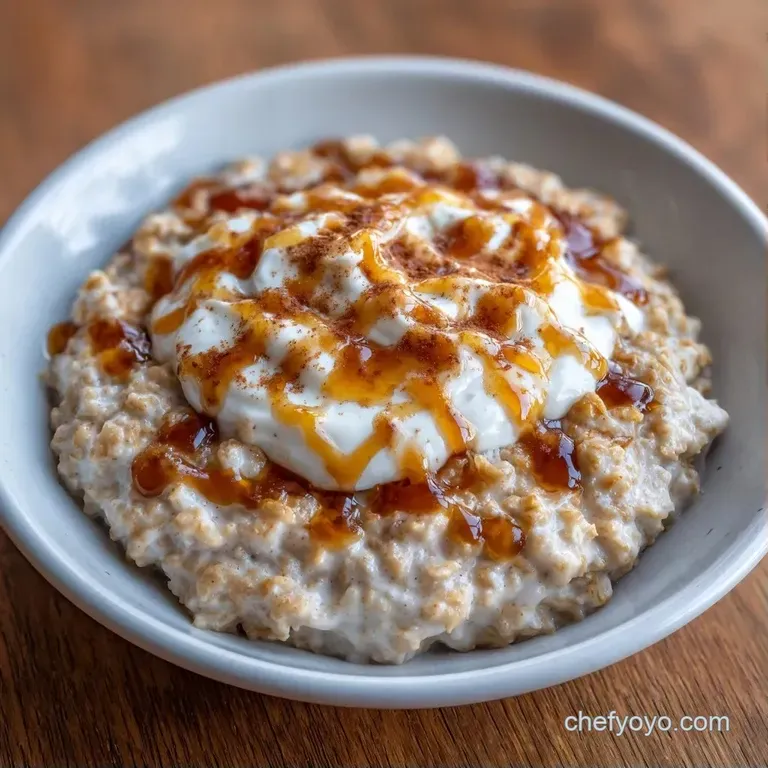
Even with a simple recipe, things can go sideways. Usually, it comes down to heat or ratios. If you're using stovetop oatmeal with greek yogurt for weight loss, you might be tempted to cut the syrup, but keep a tiny bit for the flavor balance.
Why Your Yogurt Curdles
If you see small white grains instead of a smooth cream, the pan was too hot. The proteins in Greek yogurt are sensitive and will clump if they hit boiling water. You can't "un curdle" it, but you can whisk it vigorously to hide the texture.
If the Oats Are Too Thick
Sometimes oats absorb more water than expected. If it feels like a brick, stir in a tablespoon of hot water or a splash of milk. Do this before adding the yogurt so you don't thin out the protein too much.
If the Flavor Is Too Bland
A lack of salt is usually the culprit. Salt doesn't make oatmeal taste salty; it makes the cinnamon and maple taste stronger. If it's bland, add a tiny pinch of salt and a drop more vanilla.
| Problem | Root Cause | Solution |
|---|---|---|
| Curdled Yogurt | Pan was too hot | Move pan to cool burner first |
| Gluey Texture | Boiled too hard | Use a gentle simmer |
| Too Sour | Yogurt was too tart | Add an extra tsp of maple syrup |
Common Mistakes Checklist
- ✓ Did you move the pan to a cool burner?
- ✓ Did you use rolled oats instead of instant?
- ✓ Did you add the salt at the beginning?
- ✓ Did you stir occasionally (not constantly)?
Flavor Swaps and Ideas
This is where you can get creative. If you're bored of the classic version, try swapping the cinnamon for cardamom or nutmeg. For those looking for Greek yogurt and oats for weight loss, you can swap the maple syrup for a handful of mashed raspberries, which adds sweetness and fiber without the added sugar.
If you want something more savory, skip the syrup and cinnamon. Instead, stir in some sautéed spinach and a pinch of black pepper. It sounds weird, but the tang of the yogurt works great with greens. For a side that complements a savory breakfast, my Crockpot Spinach and Artichoke Dip is a great addition to a brunch spread.
For Nutty Depth and Crunch
Add a tablespoon of almond butter or chopped walnuts on top. The healthy fats make the Stovetop Greek Yogurt Oatmeal even more filling. According to USDA FoodData, adding nuts increases the satiety factor significantly.
For a dairy-free Alternative
Use a thick coconut yogurt or a soy based Greek style yogurt. Note that coconut yogurt has a different fat profile, so it might feel a bit more "oily" than the dairy version, but the flavor is fantastic.
Scaling and Adjustments
When you're making this for a crowd, don't just quadruple everything in one pot. Oats can be temperamental in large batches.
- Scaling Down (1 serving): Use 1/2 cup oats and 1 cup water. Reduce the simmer time by about 20%, as smaller amounts of liquid evaporate faster.
- Scaling Up (4 servings): Work in two batches or use a much larger pot. Increase salt and cinnamon to only 1.5x the original amount, not 2x, as these spices can become overpowering in large volumes. Reduce the total water by about 10% to prevent the batch from becoming too runny.
Oatmeal Truths
Myth: You must soak oats overnight for nutrition. Not true. While soaking can reduce phytic acid, cooking them on the stove makes them perfectly digestible for most people. The texture is actually better when cooked fresh.
Myth: Adding yogurt ruins the texture. Actually, it's the opposite. When done correctly, the yogurt creates a creamy emulsion that makes the oats feel more like a porridge and less like a mushy cereal.
Storage and Freshness
You can store leftovers in an airtight container in the fridge for up to 4 days. Be aware that the oats will continue to absorb moisture as they sit, so the oatmeal will become very thick.
When reheating, don't use the microwave on high, or you'll curdle the yogurt. Instead, add a splash of water or milk and heat on medium power in 30 second bursts. For freezing, I don't recommend it. The yogurt breaks down during the freeze thaw cycle, leaving you with a watery mess.
To reduce waste, if you have leftover yogurt that's almost gone, scrape the container into the pot. If you have leftover oat water (the slurry left in the pot), don't pour it down the drain. It's full of starch and can be used as a thickener for soups or stews.
Pairing and Serving
The best way to serve this is in a warm bowl with a sprinkle of fresh berries or a drizzle of honey. If you're hosting a full brunch, this pairs beautifully with something savory. I often serve it alongside a bowl of Poblano Corn Chowder for guests who want a mix of sweet and spicy.
For those who wonder "can you put greek yogurt in hot oatmeal," the answer is yes, as long as the heat is off. It's the difference between a broken sauce and a velvety masterpiece.
Whether you're using this as a post workout meal or a cozy winter breakfast, the Stovetop Greek Yogurt Oatmeal is a reliable, comforting choice that actually keeps you full.
Recipe FAQs
Can you put Greek yogurt in cooked oatmeal?
Yes, but stir it in after removing the pan from heat. Adding it to a boiling pot will cause the yogurt to curdle. Fold it in gently until the mixture is velvety.
Can I use Greek yogurt instead of milk for oatmeal?
Yes, it adds a thick, tangy creaminess. If you enjoyed managing the thick consistency here, see how we handle hydration in our artisan sourdough bread.
Can I use a non-dairy yogurt instead of Greek yogurt?
Yes, most plant based Greek style yogurts work well. Ensure the substitute has a similar thickness to maintain the creamy consistency.
How can I make this recipe sweeter?
Increase the amount of maple syrup. Stir in an extra teaspoon at the end of the cooking process to suit your taste.
Can I prepare this oatmeal the night before?
No, this specific stovetop method is designed for immediate serving. Preparing it ahead of time results in very thick oats that require reheating with extra water.
Can I use steel cut oats instead of rolled oats?
No, not without significantly increasing the water and cook time. Steel cut oats take much longer to soften and won't fit the 10-minute cook time.
Can I use instant oats instead of rolled oats?
Yes, but reduce the simmer time. Instant oats cook much faster and can become mushy if simmered for the full 5 7 minutes.
Stovetop Greek Yogurt Oatmeal