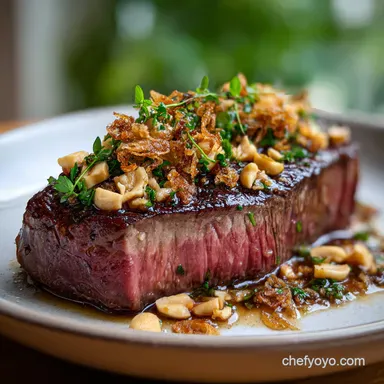
The Governors Cut Managed Sous Vide Fillet with Brown Butter
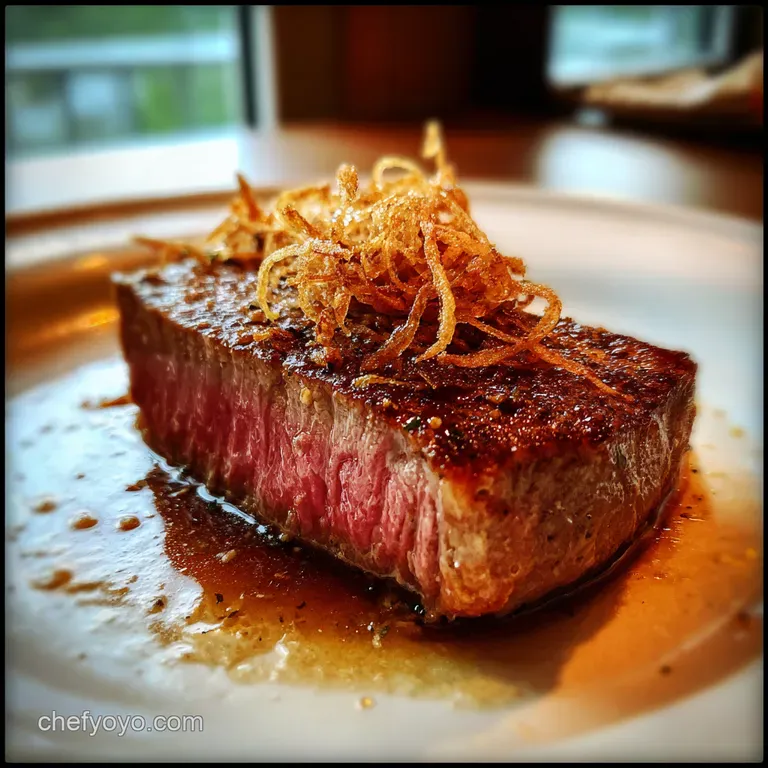
- Fancy A Perfect Steak? Why You Need Managed Temperature Control
- The Governor’s Cut: Effortless Excellence
- Why This Brown Butter Finish is Crucial
- Nailing the Kit and the Quality Cut: Ingredients for a Managed Steak Experience
- Preparing for Perfection: Why Prep is Everything
- The Two-Hour Guarantee: Temperature Controlled Steak
- The 90-Second Sprint: Beef Fillet Sear Technique
- Pro Tips: Managing the Brown Butter Sauce
- The After Party: Recipe Notes and Finishing Touches
- Frequently Asked Questions
- 📝 Recipe Card
Fancy A Perfect Steak? Why You Need Managed Temperature Control
Fancy a steakhouse steak but absolutely hate paying those crazy prices? Me too, mate. Honestly, achieving that perfect medium rare steak used to feel like a complete culinary lottery.
But thanks to the magic of Sous vide precision cooking , those days are totally over. This sous vide beef tenderloin recipe is an absolute game changer for home cooks.
The secret to this perfection? It is all about how precisely the heat is managed . We are using a simple immersion circulator to nail the temperature controlled steak every single time.
Seriously, once you understand the basic sous vide time and temp guide , you are essentially a kitchen wizard. This method takes all the stress out of high stakes cooking, you know?
The Governor’s Cut: Effortless Excellence
We are focusing on the beef fillet today. This cut is already unbelievably tender, but the sous vide makes it ridiculously buttery.
We follow that with the mighty reverse sear method for a killer crust. The whole recipe is about 95% passive cooking, giving you time to pour yourself a glass of wine.
Don't let the technical talk fool you; this is definitely achievable at home. It’s an intermediate recipe, mainly because the beef fillet sear technique requires quick action.
But the overall result is a showstopper, effortlessly feeding four very happy diners. It is perfect for birthdays or impressing your significant other without breaking a sweat.
Why This Brown Butter Finish is Crucial
What makes this recipe a proper bobby dazzler is the finish. That silky beurre noisette recipe . Learning how to make brown butter sauce properly is a skill that changes everything.
It adds this amazing, nutty, toasted hazelnut flavour that totally elevates the beef.
I’ll be honest, my first attempt at brown butter was a disaster. I walked away for 30 seconds and it went from perfect to burned rubbish! Lesson learned: proper culinary heat management is key in that final step.
But trust me, once you get these simple steps down, you will never cook fillet any other way. Right, let’s look at the ingredients you need.
Nailing the Kit and the Quality Cut: Ingredients for a Managed Steak Experience
Right, let’s talk shopping. You can’t achieve a truly perfect medium rare steak without starting with outstanding ingredients. Honestly, this whole dish relies on meticulous culinary heat management .
We are aiming for a luxurious feel here.
Ingredients: The Core of Quality Control
For the main event, the Sous vide beef tenderloin , we need four decent centre cuts. Thickness is everything in precision cooking.
Look for steaks that are 1.5 to 2 inches thick (that’s 4 5 cm ). This thickness helps us better manage the temperature when we transition to the high heat beef fillet sear technique .
Seasoning is simple, but quality matters. Grab proper flaky sea salt and freshly ground black pepper. For the bag, we use 4 sprigs of fresh thyme.
If you swap thyme for rosemary, please use it sparingly. Rosemary is strong!
Now, the butter. The whole magic of the beurre noisette recipe rests on good butter. We need 4 oz ( 115g ) of the best unsalted butter you can find for that dreamy, nutty sauce.
Make sure it’s cold when you start the sauce process. Trust me, the difference between cheap butter and quality stuff is night and day in a brown butter sauce.
Seasoning Secrets and Substitutions
We are keeping the aromatics simple. A couple of smashed garlic cloves and thyme go into the vacuum bag. This allows the flavour to slowly infuse during the sous vide precision cooking .
For the sear, we use simple high smoke point oil. Avocado or grapeseed is best. We are only using a touch of unsalted butter at the very end.
That butter helps create the beautiful golden colour when we baste. If you need a substitute for the dry sherry in the sauce, low-sodium beef stock works just fine.
We just need liquid to stop the how to make brown butter sauce process instantly.
Equipment: Tools for Temperature Controlled Steak
You absolutely need a dedicated tool for temperature controlled steak . That means having a Sous Vide Immersion Circulator . If you don’t have one, this isn't the recipe for you we rely on that precise control.
This is the core of the sous vide time and temp guide . For sealing, I managed with heavy duty zip-top bags for ages before getting a vacuum sealer.
Just use the water displacement method!
The other non-negotiable? A seriously heavy cast iron skillet. It's the key to the reverse sear method . Without a pan that holds blazing high heat, you lose that crucial, crunchy crust.
Remember the cooling rack and plenty of kitchen paper towels . They are the non-human vertebrae of a successful sear you must aggressively dry that steak!
Preparing for Perfection: Why Prep is Everything
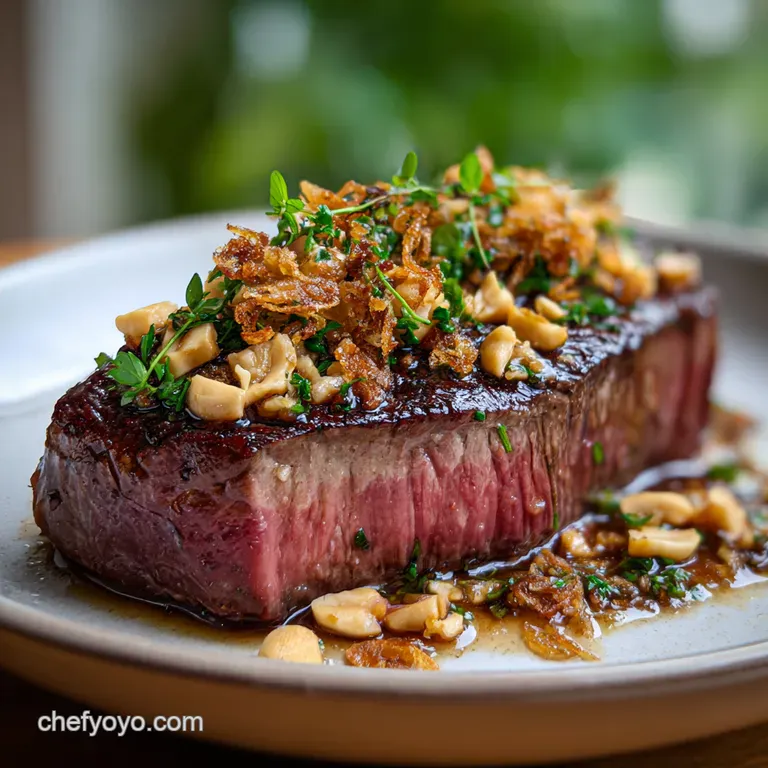
Right then, let's get down to business. I used to treat cooking an expensive sous vide beef tenderloin like a lottery ticket.
High risk, maybe a great reward. But honestly, since I started using sous vide precision cooking , I can guarantee that perfect finish every single time.
It's all about control.
Before you even think about firing up the water bath, we need to talk prep. This essential mise en place is non-negotiable.
Think of it as laying the groundwork for perfect culinary heat management . Get your spices out, smash the garlic, and have those vacuum bags waiting.
Trust me, running around looking for thyme when the water is ready is a rookie mistake I learned the hard way.
Here’s the biggest tip: dry the steaks . I mean aggressively dry. If there is any moisture on that beef before you season it, your later sear will fail.
You’ll end up steaming the meat, not crusting it. That paper towel is your best mate here.
The Two-Hour Guarantee: Temperature Controlled Steak
This is where the magic happens and where the core temperature is totally managed . Set your sous vide time and temp guide to 130° F (54.
5° C) . That’s the gold standard for a perfect medium rare steak .
- Seasoning: Pat those fillets bone dry, then season generously with salt and pepper. Don't be shy.
- Sealing: Place the seasoned beef, thyme, and garlic into the bag. Seal it properly. No air bubbles allowed!
- The Wait: Drop the bags into the preheated bath. Cook for 2 hours minimum. This is passive cooking at its best a truly temperature controlled steak . You can go put the kettle on.
- The Critical Chill: Remove the steaks. Pat them bone dry again. Put them straight onto a rack in the fridge for 30 minutes . This is the key to the reverse sear method . It creates a buffer zone so the inside stays perfect.
The 90-Second Sprint: Beef Fillet Sear Technique
Now for the fun bit. This is the beef fillet sear technique that makes all that waiting worthwhile. We need maximum heat, low time.
- Preheat Pan: Get your cast iron skillet smoking hot over high heat. Seriously, if you think it’s hot, make it hotter.
- The Sear: Add the oil and then the chilled, dry steaks. Sear for 90 seconds per side. Don’t move them until you flip. Look for that dark, beautiful crust.
- The Baste: Throw in the cold butter and baste constantly for the final 30 seconds . This adds incredible richness.
- Rest: Pull the steaks off and let them rest for 5 minutes . That’s all they need.
Pro Tips: Managing the Brown Butter Sauce
Honestly, the steak is done. Now, don't mess up the sauce! Making Beurre noisette recipe (that’s fancy speak for how to make brown butter sauce ) needs laser focus.
You need total control here. This butter requires vigilant culinary heat management . Melt the butter over medium heat and watch the milk solids sink and turn golden brown.
When it smells nutty, like toasted hazelnuts, you are managed perfectly. Never walk away. It moves from that gorgeous amber colour to burnt rubbish in about 15 seconds flat.
A common mistake? Not drying the steaks enough after the bath. You’ve successfully managed the internal temperature for hours; don't let a bit of moisture ruin your incredible crust!
The After Party: Recipe Notes and Finishing Touches
Right then, you’ve pulled off the impossible. You have a perfect medium rare steak , cooked edge-to-edge thanks to your sous vide precision cooking .
But honestly, the recipe is only half the battle. How you present it, store it, or adapt it is what truly defines a master stroke.
Let’s talk about the finer details.
Making It Look Proper Fancy: Serving Suggestions
This dish is rich it’s got that beautiful beurre noisette recipe hitting you with hazelnut notes. You want sides that cut through the richness.
Forget heavy carbs. I usually go for simple, sharp greens. Think blanched asparagus tossed in lemon juice and a good pinch of sea salt.
It’s heaven.
When plating, always slice the sous vide beef tenderloin against the grain. Fan the slices out elegantly. Don't drown the beef! Ladle the sauce around the steak, not over it, so you can still admire that glorious crust achieved by the beef fillet sear technique .
This isn’t a stew, mate, it’s a showpiece.
Culinary Heat Management: Storage and Reheating
If you miraculously have leftovers (which is rare in my house, let's be honest), you need to be careful. Steak cooked this precisely is easily ruined by a microwave.
You put in all that effort with culinary heat management ; don’t undo it now!
Always refrigerate leftovers in an airtight container for up to three days. Crucially , do not freeze cooked steak; the texture becomes like non-human vertebrae when thawed tough and dry! For reheating, the trick is using low, slow heat.
Pop slices back into a 250° F / 120° C oven for about 10 minutes, or just until warmed through.
You managed the perfect initial temperature; keep it managed during the reheat!
Switching It Up: Variations and Adaptations
One brilliant thing about the reverse sear method and sous vide is how easy it is to adapt. If you’re catering for a gluten-free or Keto guest, fantastic news! Skip the sherry/wine when deglazing the sauce and just use the beef stock instead.
Done.
For a seasonal swap, when summer hits, trade out the heavy thyme for a light dusting of chopped chives or tarragon after the searing stage.
If you want to impress further, try adding a few small chunks of blue cheese to the sauce right at the end.
It melts beautifully and adds a lovely tang to your temperature controlled steak .
The Good Stuff: Nutrition Basics
We are talking about lean protein here! Beef fillet is a powerhouse of iron and B vitamins. Because we use the sous vide time and temp guide so meticulously, we ensure maximum flavour with minimum fat waste.
Yes, the brown butter sauce adds fat, but it's delicious fat! Treat this dish as a rewarding main course. It's high in protein and surprisingly low in carbs, making it a proper, hearty meal that keeps you full.
Go on, pat yourself on the back. You absolutely smashed it!
Frequently Asked Questions
This recipe bangs on about managed cooking what makes sous vide better than just pan-searing a fillet?
Right then, the "managed" bit is all about precision. A traditional pan-seared fillet will always have a grey band just under the crust because the heat transfers unevenly. Sous vide cooks the steak edge-to-edge at the exact internal temperature you want (say, 130°F), meaning 100% of the steak is perfect medium rare.
It takes the guesswork out, allowing us to focus solely on achieving that cracking crust afterwards.
I always get a grey crust after sous vide. How do I get that cracking sear without overcooking the middle of my perfectly managed fillet?
Ah, the common pitfall! The secret is the mandatory 30-minute chill and aggressive drying. Pat the steak bone dry after the bath moisture is the enemy of a good sear. The chill creates a thermal buffer, cooling the outside just enough so that when you hit it with a smoking hot cast iron pan for 90 seconds a side, you get a deep, dark Maillard crust before the heat penetrates the carefully "managed" pink centre.
High heat, fast time, dry steak!
That hazelnut brown butter sauce sounds like a bobby dazzler, but how do I stop it from burning and ruining the whole pot?
It's crucial you don't wander off when making brown butter; it moves from nutty perfection to burnt rubbish in seconds! Cook the butter over medium heat, swirling until the foam subsides and the milk solids start to settle and turn amber.
Once it smells strongly of toasted nuts (like popping popcorn), immediately deglaze with the sherry or wine. This sudden liquid addition drops the temperature instantly and preserves that gorgeous, managed hazelnut flavour.
Can I cook the "managed" fillets in advance and eat them later, or is this a one-time cook?
Absolutely, you can make this ahead, which is a major bonus of the managed sous vide technique! Once the fillets are cooked in the water bath, immediately plunge the sealed bags into an ice bath for 30 minutes to rapidly cool them below 40°F (4°C). You can store them sealed in the fridge for up to a week.
When ready to eat, simply follow Phase II (The Managed Chill and Sear) instructions to reheat and crust the steak before serving.
My diet won't allow that much butter! Are there lighter substitutes for the rich brown butter sauce?
If you need to cut down on the saturated fat, skip the heavy brown butter but maintain the flavour profile. You could instead make a quick pan sauce by simply deglazing the searing pan (after removing the steaks) with the sherry and stock, reducing it down, and finishing with a drizzle of high-quality extra virgin olive oil and fresh thyme.
Alternatively, use clarified butter (ghee) for the sear and finish the steak with a vibrant chimichurri or fresh salsa verde.
The Governors Cut Managed Sous Vide Fillet With