The Managed Wellington Individual Beef Portions with Truffle Duxelles
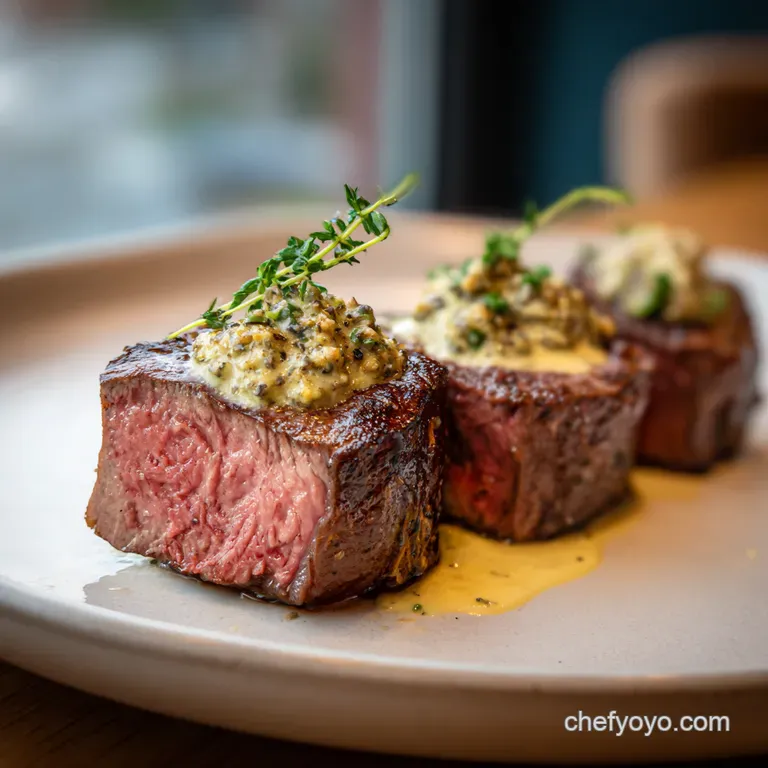
- Welcome to The Managed Wellington Masterclass
- Why Bother with Individual Portions?
- The Secret to Crispy Pastry
- Flavour and Precision is Key
- Serving Up Perfection
- The Managed Wellington: Getting Our Kit Together
- Quality Control: The Essential Lineup
- Spices and Umami Builders
- Tools for Masterclass Beef Wellington Techniques
- Getting Organized and Mastering the Mise
- The Assembly Masterclass: Focus on Moisture
- The Critical Bake and Temperature Control
- Recipe Notes: Conquering the Dinner Party Everest
- Plating Your Masterpiece
- The Soggy Bottom Battle Plan: Storage and Reheating
- Variations and Adaptations
- Just the Basics: Nutrition
- Frequently Asked Questions
- 📝 Recipe Card
Welcome to The Managed Wellington Masterclass
Right, let's talk about the Everest of dinner party food: the Beef Wellington. Honestly, haven't we all watched a cooking show where someone absolutely butchers it? I know I did the first time I tried the traditional large roast!
But trust me, this specific approach, which I call the Managed Wellington, takes away all the anxiety. We are mastering the showstopper status with this incredible Individual beef wellington recipe .
The secret is breaking down the massive challenge into smaller, perfectly managed portions.
Why Bother with Individual Portions?
Traditionally, this is a giant British feast, rich and elegant, perfect for impressing guests. We’re ditching the huge joint, though.
Instead, we’re focusing on perfect Centre cut beef tenderloin portions . Why? Because it makes the whole process so much easier!
This dish requires laser focus on timing and Moisture management puff pastry . It’s definitely medium difficulty, but the result is completely worth the effort.
This recipe serves four people, yielding four flawless, golden parcels of deliciousness ready for your next celebration.
The Secret to Crispy Pastry
I once messed up a Wellington so badly the pastry was basically soup underneath. Learned my lesson the hard way! That’s why we obsess over Temperature control baking wellington .
The single biggest management challenge is avoiding that dreaded soggy bottom.
This recipe guarantees crispness every single time. We use the genius Prosciutto moisture barrier technique to wrap the meat tightly.
This keeps the beef juices locked in and away from the delicate pastry.
Flavour and Precision is Key
The flavor profile is totally elevated thanks to the deep, earthy layers we add. We follow precise Truffle duxelles preparation tips sautéing the mushroom mixture until it's bone dry.
If you skip drying the duxelles, disaster awaits!
This focus on detail makes this a true Masterclass beef wellington techniques primer. And honestly, if you skip the Instant read meat thermometer usage , you're playing Russian roulette with your perfect meal.
Serving Up Perfection
The health benefit here is quality protein and zero processed ingredients, but let's be real we’re here for the flavour and the flex! This is the perfect meal for a special birthday or a fancy Christmas dinner.
We aim for precise internal heat, guided by the Medium rare beef temperature chart . That moment you slice into the perfectly pink centre, with the golden pastry crunching? Pure magic.
You’ll never again worry about How to avoid soggy bottom pastry . It's all about management and precision, and we’ve got both covered.
Ready to roll up some amazing parcels? Let’s check the ingredients list...
The Managed Wellington: Getting Our Kit Together
Honestly, making these four perfect individual beef wellington recipe portions feels like hosting a mini dinner party every time. But to get that stunning result flaky pastry on the outside, blushing centre cut beef tenderloin portions inside you need great ingredients and the right gear.
No skipping corners here, folks!
Quality Control: The Essential Lineup
This is where we lay the foundation. You need top-notch ingredients. For the star, grab about 1.5 lbs (680 g) of the best beef tenderloin you can afford.
Divide that beautiful piece into four equal portions. If your butcher can cut them about 3.5 cm thick , that’s ideal.
Next up: the armor! We use Prosciutto di Parma for the crucial prosciutto moisture barrier technique . Use 8 super thin slices.
Seriously, this Italian ham is the secret weapon for moisture management puff pastry . Without it, you are asking for a disaster and definitely setting yourself up for a soggy bottom pastry .
For the filling, 12 oz (340 g) of mixed mushrooms and a tiny touch of black truffle oil for the truffle duxelles preparation tips .
We are aiming for huge flavor here. Don't wash the mushrooms; just brush them clean! Water is the enemy.
Spices and Umami Builders
We aren't going wild with spices. The meat and mushrooms should shine. Dijon mustard is critical. Slather it on the seared beef after chilling.
It adds a crucial tang and helps the prosciutto stick.
The secret flavor weapon is a splash of dry sherry in the duxelles. When you sauté the mushrooms, adding that sherry, cooking it down completely until the mixture is dark and dry, that’s pure magic.
It ensures the flavor is intense, and the overall process is perfectly managed .
Tools for Masterclass Beef Wellington Techniques
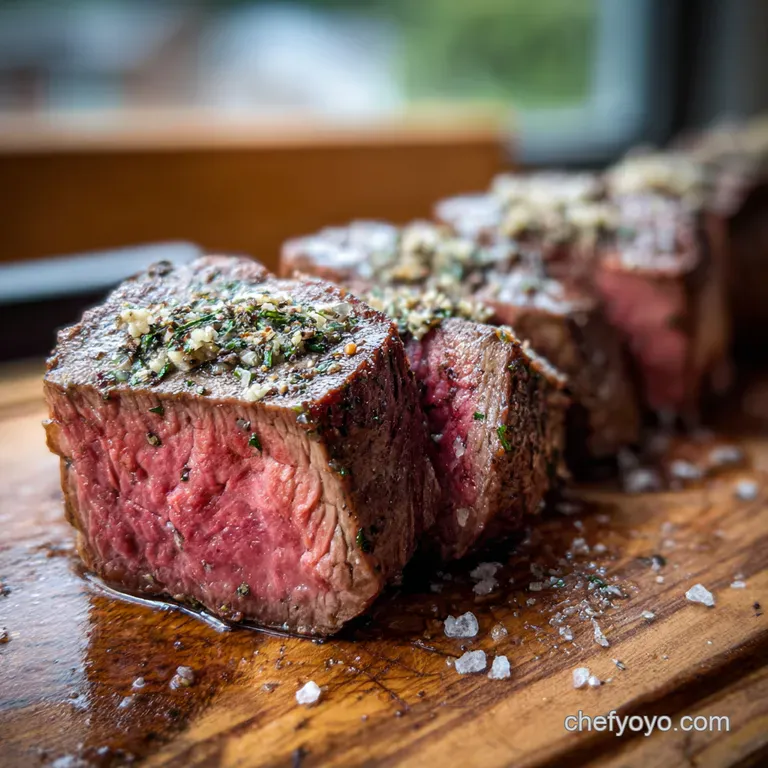
You do not need a lot of fancy kit, but two items are non-negotiable if you want a true Masterclass beef wellington techniques outcome.
First, a solid frying pan for the high heat searing. Cast iron is brilliant. Second, and this is the biggest lesson I ever learned: get an instant read meat thermometer usage device.
I once guessed the timing, hoping for a gorgeous result, and ended up with brown beef. Heartbreak! To nail the temperature control baking wellington , you must use this thermometer.
You want to aim for 125 130° F (52 54° C) internal temperature for the perfect medium rare beef temperature chart result right before resting.
It’s the only way to avoid drama, I promise. Everything else is standard a rolling pin, a pastry brush, and patience!
Getting Organized and Mastering the Mise
Right, let’s talk strategy. Making this Individual beef wellington recipe is less about hard cooking and more about preparation and chilling.
Honestly, if you try to rush the prep steps, the pastry gods will punish you with a watery mess. Trust me, I've had many soggy bottom nightmares.
The secret starts with your mise en place . That fancy French term just means getting your ducks in a row.
Chop your mushrooms and shallots for the truffle duxelles preparation tips first. Then, precisely cut your gorgeous centre cut beef tenderloin portions about four ounces each.
Consistency is everything here! Having everything chilled, measured, and ready means you have already managed 60% of the difficulty.
The Assembly Masterclass: Focus on Moisture
This section is all about control. The greatest threat to a perfect Wellington is steam trying to ruin your beautiful crust. We must enforce strict moisture management puff pastry .
- Sear, Rest, and Coat: Sear those beef portions hard on all sides just 30 seconds per side to build a crust. Immediately brush them with Dijon mustard. Chill the beef for at least 20 minutes .
- Dry the Duxelles: This is non-negotiable! Sauté the minced mushrooms until they are totally dry. Stir constantly for about 10 minutes . This is the key to knowing how to avoid soggy bottom pastry . When you scrape the pan, no moisture should fill the gap.
- The Barrier: Lay out your Prosciutto moisture barrier technique . Overlap the slices on cling film. Spread the dried duxelles over the ham. This prosciutto is the beef’s waterproof jacket.
- Roll and Chill: Place the chilled beef onto the duxelles and roll tightly using the cling film to create a perfect cylinder. Twist the ends like a cracker. Chill these packages for a mandatory 30 minutes . This lets them hold their perfect round shape for wrapping.
- Pastry Wrap: Roll the chilled puff pastry to about 3mm thickness. Unwrap the beef and encase it tightly in the pastry square. Brush the edges with egg wash to seal completely. Place on a tray, brush with egg wash, and chill one last time ( 30 minutes ).
The Critical Bake and Temperature Control
Okay, final step! Getting the internal temperature right is where we turn potential drama into a showstopper.
Preheat the oven to a piping hot 400° F ( 200° C) . This heat ensures maximum puff before the beef overcooks. Bake the Wellingtons for approximately 20 to 25 minutes .
Pro Tip: Do not trust the colour of the pastry! To nail the temperature control baking wellington , you absolutely must use an instant read meat thermometer usage .
Insert it horizontally right into the centre. For perfect medium rare, pull the Wellingtons when the thermometer reads 125 130° F (52 54° C) .
Seriously, this chart information is gold. The pastry acts as insulation, meaning the temp continues to rise by several degrees while resting.
This resting time ( 7 minutes ) ensures the juices redistribute, giving you that perfect, blushing interior worthy of any masterclass beef wellington techniques .
Recipe Notes: Conquering the Dinner Party Everest
Honestly, making four perfect individual beef wellington recipes is a massive win! But the journey doesn't end when they come out of the oven.
We need to talk about presentation, leftovers, and how we can swap things around next time. Remember that time I tried to reheat a whole Wellington in the microwave? Disaster.
Learn from my mistakes, folks!
Plating Your Masterpiece
Plating these up is the fun bit. Since you’ve already managed the fiddly wrapping, let’s show it off. Don't hide your Wellington! Place it slightly off-centre.
This simple trick instantly makes the dish look fancier. You must slice it diagonally, too. Seeing that beautiful medium rare beef temperature chart blush against the crisp golden pastry and the dark truffle duxelles preparation tips ? That's the payoff.
Serve with a rich, dark red wine reduction sauce. For a side, keep it simple creamy Dauphinoise potatoes are lush, or just some bright green asparagus gives a lovely contrast.
The Soggy Bottom Battle Plan: Storage and Reheating
If you want to know how to avoid soggy bottom pastry after they're cooked, the answer is tough love: eat them immediately! Seriously though, these are best fresh.
We put so much effort into moisture management puff pastry including that essential prosciutto moisture barrier technique that freezing is generally a no-go.
If you have leftovers, refrigerate them unwrapped. To reheat, absolutely step away from the microwave. Use a low oven, around 300° F ( 150° C) , for about 10 to 15 minutes.
This warms the meat gently without overcooking it, and the dry heat tries its best to re-crisp that pastry. It won’t be quite as perfect, but it will be close.
Variations and Adaptations
One great thing about individual portions is how easy it is to adapt them! When my mate came round, he couldn't eat gluten, so I swapped the puff pastry for a shortcrust dough instead.
It’s less "puff" but still delicious and easier to manage .
If you're catering for a non-meat eater, try the Lentil Wellington swap. Use a hearty mix of French lentils, walnuts, and dried cranberries instead of the centre cut beef tenderloin portions .
Just make sure that filling is totally dry and cool before wrapping even more important than with the beef! This gives you flexibility in your cooking.
Just the Basics: Nutrition
I’m not a nutritionist, I’m a cook! But simply put, this is a special occasion dish. It's high in protein thanks to that lovely tenderloin.
We've done a lot of detailed work on the temperature control baking wellington process, which means the beef stays tender and nutrient rich.
Using the instant read meat thermometer usage wasn't just about achieving that perfect internal color; it means we didn't overcook the most expensive ingredient!
Look, this is a luxury. It’s meant to be savored. You successfully navigated a true Masterclass beef wellington techniques challenge.
Be proud, grab a glass of wine, and enjoy every flaky, perfect bite. You’ve earned it!
Frequently Asked Questions
Crikey, how do I stop the bottom of my Wellington pastry going all soggy?
Moisture control is the absolute masterclass here! There are three crucial steps: first, ensure your duxelles mixture is completely dry sauté it until the pan is spotless. Second, the generous sear on the beef helps seal the juices in.
Finally, the prosciutto acts as a watertight barrier, stopping any residual moisture from touching the delicate puff pastry.
How is the internal temperature managed to guarantee a medium rare centre?
This is where your trusty instant read thermometer earns its keep. To perfectly manage the internal doneness, you must pull the Wellingtons out of the oven when they are 5-10°F below your target temperature (around 125 130°F for medium rare).
The heat trapped inside the pastry shell causes significant carry over cooking during the 5 7 minute resting period, ensuring the meat relaxes and finishes exactly where you want it.
This looks like a lot of work! Can I prep these Managed Wellingtons the day before?
Absolutely, prepping ahead is a brilliant piece of management! You can fully assemble the Wellingtons (including the pastry wrap) and store them tightly covered in the fridge for up to 24 hours.
The crucial detail is to save the final egg wash until right before you put them in the oven. Baking them directly from the fridge ensures the pastry is rock cold, leading to a much higher, flakier puff.
I don’t fancy using Prosciutto is there a good alternative for the moisture barrier?
If cured ham isn’t your cup of tea, you have a couple of excellent options. The most classic chef variation is using very thin, neutral flavoured crêpes (sometimes mixed with herbs) as the barrier between the duxelles and the pastry.
Alternatively, thinly sliced Parma ham or speck works wonderfully, or, if you're aiming for a fully vegetarian dish, the crêpe method is strongly recommended.
Help! My pastry is browning too fast, but the beef isn't cooked yet. What's the trick?
That’s a classic kitchen conundrum, but easily fixed! If the pastry is looking perfectly golden brown before the internal temperature hits your mark, simply fashion a loose "tent" of aluminium foil over the Wellingtons.
This will shield the pastry from direct heat, allowing the core temperature to climb without burning the crust, keeping the golden showpiece intact.
The Managed Wellington Individual Beef Portions
Ingredients:
Instructions:
Nutrition Facts:
| Calories | 685 kcal |
|---|---|
| Protein | 45 g |
| Fat | 44 g |
| Carbs | 30 g |
| Fiber | 3 g |
| Sodium | 550 mg |
