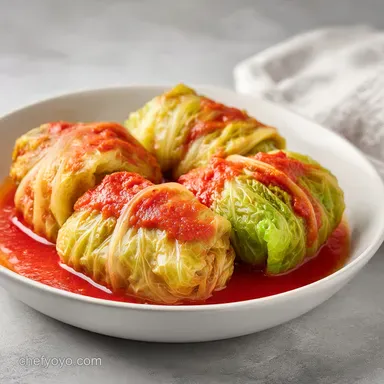
Golumpki: Traditional Polish Cabbage Rolls
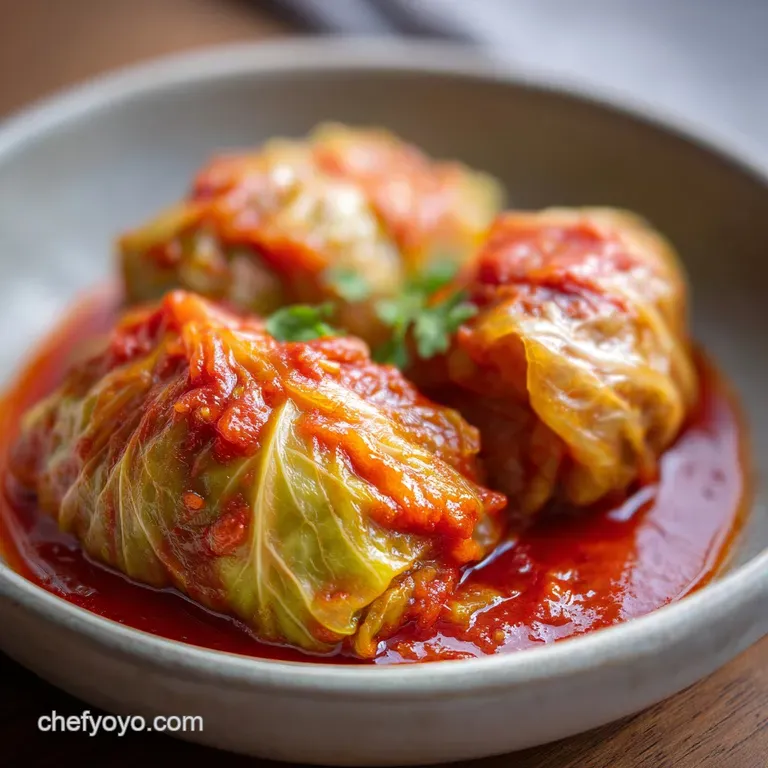
- Time:30 mins active + 60 mins simmering = Total 1 hour 30 mins
- Flavor/Texture Hook: Velvety cabbage with a savory, juicy beef and pork center
- Perfect for: A cozy Sunday family dinner or meal prep for the week
- A Rustic and Hearty Golumpki Recipe
- What Makes These Rolls Great
- The Recipe Technical Specs
- The Essential Ingredient Components
- Required Kitchen Gear
- Step By Step Cooking Flow
- Fixing Common Roll Issues
- Troubleshooting Common Issues
- Customizing Your Cabbage Rolls
- Adjusting The Batch Size
- Cabbage Roll Truths
- Storage And Waste Tips
- Best Ways To Serve
- Recipe FAQs
- 📝 Recipe Card
A Rustic and Hearty Golumpki Recipe
Ever wondered why some cabbage rolls feel like a chore while others feel like a hug? I remember the first time I tried to make these. I didn't soften the leaves enough, and I spent twenty minutes fighting a cabbage leaf that had the structural integrity of a piece of cardboard.
It kept snapping, and the filling just leaked everywhere. It was a total mess until I learned the trick of the vinegar bath.
Once I figured that out, everything changed. Now, when the pot starts to sizzle and that tangy aroma of tomato and marjoram fills the kitchen, I know I've got it right. This golumpki recipe is all about patience and the right texture.
You want those leaves to be translucent and pliable, wrapping around a filling that's juicy but holds its shape.
Trust me, once you taste that combination of ground pork and beef simmered in a thick sauce, you'll see why this dish is a staple. We're going for a rustic, wholesome vibe here. No fancy tricks, just honest ingredients and a slow simmer that lets all the flavors meld together into something truly comforting.
What Makes These Rolls Great
To get this golumpki recipe right, you have to understand what's happening inside the pot. It's not just about rolling meat in leaves; it's about managing moisture and acidity.
- Pectin Breakdown: Adding apple cider vinegar to the boiling water helps break down the pectin in the cabbage cell walls. This makes the leaves velvety and prevents them from tearing when you roll them.
- Fat Synergy: Mixing ground pork with beef is a pro move. The pork provides the necessary fat to keep the filling moist, while the beef gives it a hearty, savory structure.
- Starch Absorption: Using pre cooked rice allows the grains to act like little sponges. They soak up the meat juices and the tomato sauce during the simmer, preventing the filling from becoming a dense brick.
- Acidic Balance: The brown sugar in the sauce isn't for sweetness, but to balance the sharp acidity of the crushed tomatoes and vinegar.
| Method | Prep Time | Texture | Best For |
|---|---|---|---|
| Boiling | 10 mins | Very Soft | Traditional rolls |
| Steaming | 15 mins | Firm/Tender | Those who hate mushy cabbage |
| Microwave | 5 mins | Uneven | Extreme time crunches |
This golumpki recipe relies on those specific interactions to ensure the cabbage doesn't taste "boiled" but instead tastes like it's been braised in a rich gravy.
The Recipe Technical Specs
Understanding the role of each component helps you adjust the golumpki recipe if you're missing something. Here's a look at the heavy hitters.
| Ingredient | Science Role | Pro Secret |
|---|---|---|
| Green Cabbage | Structural Wrap | Trim the center vein to avoid "crunchy" bites |
| Ground Pork | Moisture Agent | Use 80/20 lean to fat ratio for the best juice |
| White Rice | Binder/Filler | Cool it completely before mixing to avoid mush |
| Beef Broth | Flavor Base | Use low sodium so you can control the salt |
The Essential Ingredient Components
For this golumpki recipe, I suggest getting your ingredients ready on the counter before you start the water. It makes the process much smoother.
- 1 large head of green cabbage (approx. 3 lbs) Why this? Provides the necessary size for 12 rolls
- 2 tbsp apple cider vinegar Why this? Softens leaves quickly
- 1 tsp salt Why this? Draws out moisture
- 1 lb ground beef Why this? Adds hearty flavor
- 1 lb ground pork Why this? Keeps the center juicy
- 2 cups cooked white rice, cooled Why this? Binds the meat
- 1 medium yellow onion, finely diced Why this? Adds aromatic sweetness
- 2 cloves garlic, minced Why this? Pungent depth
- 1 tsp salt Why this? Basic seasoning
- 1/2 tsp black pepper Why this? Mild heat
- 1 tsp dried marjoram Why this? The "classic" Polish herb scent
- 15 oz tomato sauce Why this? Smooth base
- 14.5 oz crushed tomatoes Why this? Adds texture and body
- 2 cups beef broth Why this? Deepens the sauce flavor
- 2 tbsp olive oil Why this? Sautéing medium
- 1 tbsp brown sugar Why this? Balances tomato acid
Substitution Guide
| Original Ingredient | Substitute | Why It Works |
|---|---|---|
| Ground Pork (1 lb) | Ground Turkey (1 lb) | Leaner alternative. Note: May be slightly drier |
| White Rice (2 cups) | Quinoa (2 cups) | gluten-free and nutty. Note: Changes the texture |
| Beef Broth (2 cups) | Vegetable Broth (2 cups) | Lighter flavor. Note: Less richness in the sauce |
| Apple Cider Vinegar | White Vinegar | Similar acidity. Note: Lacks the fruity undertone |
If you're looking for a way to cut through the richness of this golumpki recipe, I highly recommend serving it with a side of my pickled red onion recipe. The brightness of the onions cuts right through the savory beef and pork.
Required Kitchen Gear
You don't need a professional kitchen for this golumpki recipe, but a few specific tools make it way easier. I use a heavy bottomed Dutch oven or a deep stockpot. This is critical because you need something that distributes heat evenly so the rolls on the bottom don't scorch while the top ones are still cooking.
I also recommend a pair of long tongs. Trying to fish out hot, slippery cabbage leaves from boiling water with a fork is a recipe for burns. A large mixing bowl is a must for the filling, as you'll be mixing by hand.
If you have a kitchen scale, it helps to keep the portions consistent, but a standard measuring cup or just "eyeballing" a golf ball size works fine too.
Step by step Cooking Flow
Right then, let's get into the actual process. This golumpki recipe is broken down into three main phases: the prep, the assembly, and the simmer.
Phase 1: Softening the Leaves
Core the cabbage by cutting a deep 'X' into the bottom. Submerge the head in boiling water mixed with apple cider vinegar and salt. Use tongs to peel away leaves as they become pliable and translucent. Pat leaves dry and trim the thick center vein. Note: Be gentle so you don't rip the leaf.
Phase 2: Mixing the Savory Filling
Sauté the diced onion in olive oil until fragrant and translucent. In a large bowl, combine the sautéed onions, ground beef, ground pork, cooled rice, garlic, salt, black pepper, and dried marjoram. Mix by hand until just combined. Note: Don't overwork the meat or it will become tough.
Phase 3: The Roll and Simmer
Place a golf ball sized portion of filling near the stem end of a cabbage leaf. Fold in the sides and roll tightly toward the top. Arrange the rolls seam side down in a heavy pot. Pour the tomato sauce, crushed tomatoes, and beef broth over the rolls until they are submerged.
Simmer on low for 60 minutes until the cabbage is tender and the sauce has thickened.
Chef's Tip: If you have a few small or torn leaves left over, chop them up and scatter them at the bottom of the pot before adding the rolls. It creates a little cabbage cushion that prevents sticking.
Fixing Common Roll Issues
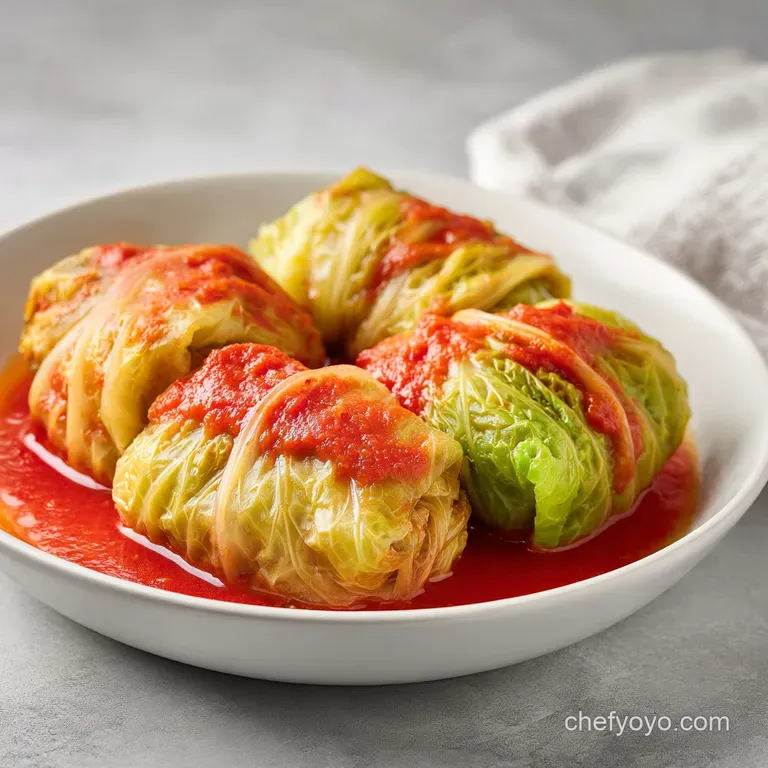
Even with a great golumpki recipe, things can go sideways. Most problems come down to the "roll" or the "boil."
Troubleshooting Common Issues
| Issue | Solution |
|---|---|
| Why Your Rolls Unravel | This usually happens because the leaves weren't tucked in tightly enough or they were too stiff. If the leaf isn't pliable, it will try to "spring" back to its original shape, pushing the meat out. |
| Why Cabbage Stays Tough | If your cabbage is still crunchy after 60 minutes, you likely skipped the vinegar bath or didn't simmer long enough. The acidity of the sauce helps, but the initial blanching is where the magic happen |
| Why Filling Is Too Dry | Using only lean beef is a common mistake. The mix of pork and beef is what keeps this golumpki recipe juicy. If you used lean meat, adding a splash of extra broth to the filling can help. |
Common Mistakes Checklist
- ✓ Did you trim the center rib? (Essential for easy rolling)
- ✓ Is the rice cooled? (Hot rice makes the meat mushy)
- ✓ Are the rolls seam side down? (Prevents unravelling)
- ✓ Did you avoid over mixing the meat? (Keeps texture light)
- ✓ Is the pot covered during the simmer? (Prevents sauce evaporation)
Customizing Your Cabbage Rolls
Once you've mastered the basic golumpki recipe, you can start playing with the flavors. I've found that adding a tablespoon of Worcestershire sauce to the meat mixture adds a massive hit of umami that makes the beef taste even "beefier."
For those who want a lighter version, you can swap the pork for ground turkey. Just keep in mind that turkey is leaner, so you might want to add a tablespoon of olive oil or melted butter to the filling to mimic that pork juiciness. According to Serious Eats, the ratio of fat to protein is key in any braised meat dish to prevent the fibers from tightening and drying out.
If you're feeling adventurous, try a "Lazy Casserole" version. Instead of rolling, chop the cabbage and the filling ingredients, layer them in a baking dish with the sauce, and bake at 350°F (180°C) for about 90 minutes.
It's not the same experience as the authentic cabbage rolls, but it's great for a weeknight.
Adjusting The Batch Size
Scaling this golumpki recipe isn't as simple as doubling everything, especially when it comes to the pot size and liquids.
Scaling Down (Half Batch) If you're only making 6 rolls, use a smaller pot to ensure the sauce still covers them. Reduce the simmering time by about 10-15 minutes, as the smaller mass of food heats through faster.
Since the recipe calls for 2 eggs if you're adding them (though not in this specific version), you'd beat one egg and use half.
Scaling Up (Double Batch) For 24 rolls, you'll need a very large Dutch oven. Don't double the salt and marjoram exactly; start with 1.5x and taste. Liquids should be reduced by about 10% because a larger volume of cabbage releases more moisture into the pot.
Work in batches when rolling to keep the meat cold.
Baking Adjustments If you decide to bake these instead of simmering on the stove, lower your oven temp to 325°F (160°C) and extend the time to 2 hours.
This slower heat allows the cabbage to soften without the sauce reducing too quickly and burning.
Cabbage Roll Truths
There are a few myths floating around about this golumpki recipe that just aren't true. Let's set the record straight.
One big misconception is that you should use raw rice in the filling. Some people swear by it, but raw rice absorbs too much moisture from the meat during the cooking process, often leaving the filling dry and the rice slightly undercooked in the center. Pre cooked, cooled rice is the way to go for a velvety texture.
Another myth is that you need to salt the cabbage for hours to make it pliable. While that works for sauerkraut, for a golumpki recipe, it's a waste of time. A quick blanch in boiling water with vinegar does the job in minutes and keeps the cabbage tasting fresh rather than overly salty.
Storage And Waste Tips
This golumpki recipe actually tastes better the next day because the cabbage continues to absorb the sauce.
Fridge & Freezer Store leftovers in an airtight container in the fridge for up to 4 days. For the freezer, let the rolls cool completely, then freeze them in a single layer on a tray before transferring to a bag. They'll stay good for about 3 months.
To reheat, place them in a pot with a splash of beef broth and simmer on low until heated through.
Zero Waste Kitchen Don't throw away that cabbage core! You can chop it up and toss it into a vegetable soup or a stir fry. The outer leaves of the cabbage, which might be too torn for rolling, can be shredded into a slaw.
Even the leftover tomato sauce from the pot is gold - use it as a base for a quick pasta sauce or pour it over mashed potatoes for a hearty side.
Best Ways To Serve
The beauty of this golumpki recipe is its simplicity, but the right sides make it a feast. Traditionally, these are served with a generous dollop of full fat sour cream on top. The cool, creamy tang of the sour cream balances the richness of the beef and the acidity of the tomato sauce.
For a starch, boiled potatoes with dill or a side of buttery mashed potatoes are the classic choice. If you want something more rustic, a slice of toasted rye bread is perfect for soaking up every last drop of that thickened sauce.
If you're hosting a dinner party, consider serving these alongside some roasted root vegetables. The sweetness of roasted carrots and parsnips complements the savory notes of the pork and beef. It's a wholesome, artisanal meal that feels like it took all day to make, even though the active work is quite manageable.
Trust me, your friends will be impressed by the effort of the rolls, and you can just relax and enjoy the aromas of a true home cooked meal.
Recipe FAQs
How to soften cabbage leaves for rolling?
Core the head with an 'X' cut and submerge it in boiling water with apple cider vinegar and salt. Use tongs to peel away leaves as they become translucent and pliable.
Can I use only beef for the filling?
No, it is not recommended. Using only lean beef often results in a dry filling, while the combination with pork ensures the rolls stay moist.
Why did my cabbage rolls unravel while cooking?
The leaves weren't tucked in tightly enough or were too stiff. Ensure leaves are fully pliable from blanching and always arrange them seam side down in the pot.
Is it true that golumpki must be simmered for 3 hours to be tender?
No, this is a common misconception. After the initial blanching process, these rolls only need to simmer on low for 60 minutes to reach the ideal texture.
How to store and reheat leftovers?
Place rolls in an airtight container in the fridge for 4 days or freeze for 3 months. Reheat them in a pot with a splash of beef broth and simmer on low until hot.
Can I use raw rice instead of cooked rice?
No, use cooled, cooked rice. Raw rice absorbs too much moisture from the meat, making the filling dry. If you enjoyed cooking rice for this recipe, you can use that same technique for other stuffed cabbage variations.
What should I do with the leftover cabbage core?
Chop it up and toss it into a vegetable soup. This prevents waste and adds a subtle sweetness to your broth.
Traditional Golumpki Recipe