The Ultimate Restaurantstyle Ribeye Crispy Panseared Steak
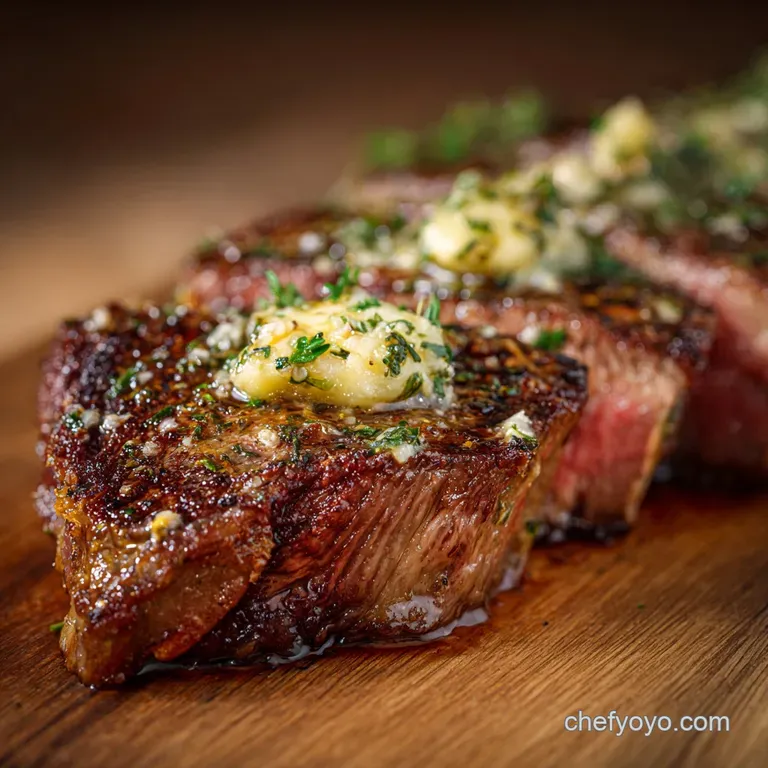
- Elevate Your Game: The Definitive Guide to PanSeared Steak
- Mastering the Maillard Reaction: Why the Crispy Crust Matters
- Building the Flavor Base: Essential Ingredients and Substitutions
- Precision Prep: Gear List for Perfect Steak Searing
- Step-by-Step Culinary Mastery: Executing the PanSeared Steak Technique
- High-Heat Tactics: Achieving the Perfect Edge-to-Edge Crust
- Troubleshooting and Advanced Tips for Restaurant Quality Results
- Pairing, Serving, and Reimagining Leftover PanSeared Steak
- Recipe FAQs
- 📝 Recipe Card
Elevate Your Game: The Definitive Guide to PanSeared Steak
The PanSeared Steak technique is the bedrock of world class home cooking. While the concept of simply cooking meat in a hot skillet seems straightforward, the difference between a grey, chewy result and a dark, flavourful crust with a perfectly pink, juicy interior lies entirely in precision and preparation.
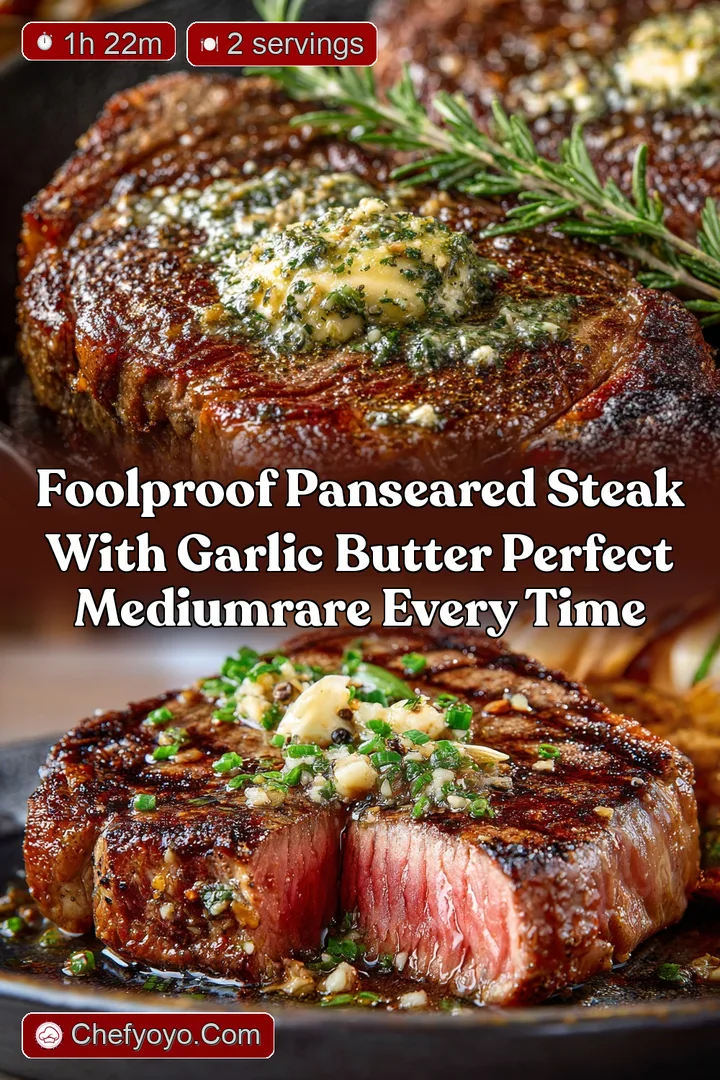
This guide provides the complete blueprint for achieving that coveted, restaurant quality result the crispy crust ribeye. If you follow these methods, especially focusing on temperature control and proper resting, you will master the art of the Best Seared Steak .
Mastering the Maillard Reaction: Why the Crispy Crust Matters
The hallmark of a great steak is its deeply browned, complex outer crust. This is achieved through the Maillard reaction, a chemical interaction between amino acids and reducing sugars that happens optimally at high temperatures.
This reaction creates the intense, savory flavor compounds we crave, and it is impossible to achieve without removing all surface moisture from the meat before it hits the heat.
What Makes a Ribeye the Ideal Cut for Searing?
We recommend a bone-in Ribeye or a thick Sirloin, specifically aiming for steaks between 1.25 and 1.5 inches thick (3 to 4 cm). This thickness is critical because it grants us sufficient cooking time under high heat to build the crust without accidentally pushing the interior past the desirable doneness level.
Ribeye is particularly well suited for Skillet Cooked Steak due to its generous marbling (intramuscular fat), which renders beautifully during the searing process, enriching the meat’s flavor and acting as a natural lubricant.
Busting the Myth: Rest Time vs. Juice Retention
The waiting game after cooking is not optional; it is mandatory. When meat is exposed to intense heat, the muscle fibres contract and squeeze the internal moisture toward the center. Cutting into the steak immediately releases these concentrated juices all over the cutting board, resulting in a dry interior.
A 10-minute rest, placed on a wire rack (never on a plate where the bottom crust will steam), allows the muscle fibres to relax and the internal juices to redistribute evenly throughout the meat.
Decoding the Medium Rare Promise
For high fat cuts like the Ribeye, pan seared steak medium rare (a final temperature of 130°F or 54°C) is universally recommended. This temperature perfectly renders the fat, leading to a buttery texture, while the meat remains tender and wonderfully pink.
Achieving this requires pulling the steak from the heat at 125°F (52°C) to account for carry over cooking during the resting period.
Building the Flavor Base: Essential Ingredients and Substitutions
A masterful steak relies on simple, high-quality components. We start with two 10 oz (280g) thick steaks, seasoned with generous amounts of coarse flaky sea salt (about 1.5 teaspoons total) and freshly cracked black pepper.
The initial sear demands 2 tablespoons of high smoke point oil, such as grapeseed or avocado oil, which ensures we can reach the necessary high temperatures without burning. To create the classic finish, we rely on 4 tablespoons of cold unsalted butter, two large, lightly smashed cloves of garlic, and two sprigs of fresh herbs, typically thyme or rosemary.
This finishing process creates the magnificent pan seared steak with garlic butter .
Precision Prep: Gear List for Perfect Steak Searing
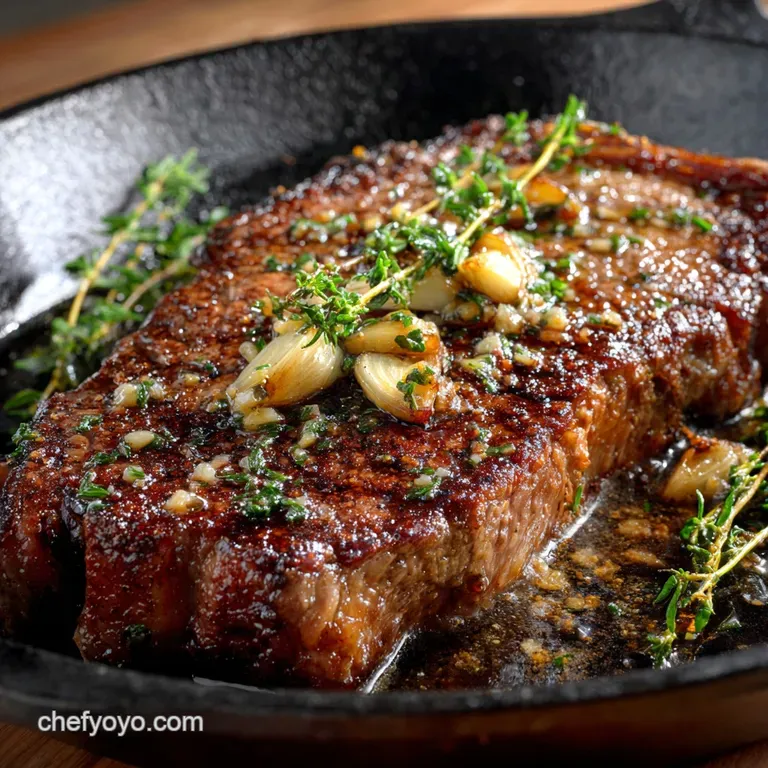
Success in searing steak is largely determined before the meat ever touches the pan, requiring both the right gear and the correct preliminary steps.
Sourcing the Steak: Thickness and Marbling Requirements
As previously noted, prioritize steaks that are thick (1.25 inches minimum) and possess excellent, even marbling. Avoid thin cut steaks, which tend to overcook before a proper crust can form. Always look for cuts that are evenly shaped to ensure uniform cooking.
Salt Strategy: When and How Much to Season
The "dry brine" is our secret weapon. Steaks must be seasoned heavily and evenly on all sides with coarse salt, then placed on a wire rack and allowed to rest at room temperature for 45 to 60 minutes.
The salt draws out moisture, dissolves, and then reabsorbs, seasoning the meat deep down while simultaneously ensuring the surface is bone dry the essential condition for high heat searing.
The Magic of Compound Butter Aromatics
The aromatic components for the butter baste cold butter, smashed garlic, and herb sprigs are added in the final stages of cooking to prevent them from scorching during the initial high heat sear. Using cold butter ensures a slower melt, providing more time to thoroughly baste the steak.
Smashing the garlic, rather than mincing it, maximizes flavor release while minimizing the surface area susceptible to burning.
Required Equipment: Cast Iron Skillets vs. Stainless Steel
For proper searing, heat retention is paramount. A heavy bottomed Cast Iron Skillet is absolutely essential as it maintains an even, high temperature even when the cold steak is introduced.
While stainless steel can work, cast iron provides unmatched, uniform heat distribution vital to achieving a true edge-to-edge crust. Crucial supporting equipment includes sturdy metal tongs and an Instant Read Digital Thermometer , which eliminates guesswork completely.
Related Recipes Worth Trying
- Cracking Good oven-roasted Garlic Cabbage Steaks with Lemon Drizzle — Forget boiled cabbage These oven-roasted Garlic Cabbage Steaks caramelise into nutty perfection They are healthy easy and a brilliant Keto Cabbage Steaks...
- Sticky PanSeared Honey Garlic Lamb Chops Ready in 30 Mins — Right then this quick Honey Garlic Lamb Chops recipe delivers a sticky sweet and perfectly balanced glaze Its smashing weeknight luxury ready in under an...
- Best Blackstone Steak Fajitas Authentic Sizzling Recipe — Whip up the best Blackstone Steak Fajitas with this easy recipe Get incredible char on your skirt steak and veggies using your griddle Perfect for weeknights
step-by-step Culinary Mastery: Executing the PanSeared Steak Technique
Executing a superb PanSeared Steak requires confidence and adherence to specific timing. The total cooking time is relatively short approximately 8 to 12 minutes, depending on thickness but the heat must be managed perfectly, transitioning from raging high heat for the crust to medium heat for the basting phase.
High Heat Tactics: Achieving the Perfect Edge-to-Edge Crust
The active cooking process is divided into two distinct, high impact stages: the sear and the baste.
The Crucial Dry Brine and Room Temperature Prep
After the required 45 60 minute room temperature rest and dry brine, pat the steaks one final time with paper towels to ensure zero surface moisture. This dry surface is what guarantees you will Sear A Steak rather than steam it.
Creating the Perfect Sear: Timing the Initial Flip
Place the cast iron skillet over high heat. Add the high smoke point oil and wait until it is shimmering and just starting to produce wisps of smoke. Carefully lay the steaks into the screaming hot pan, ensuring you hear a loud, immediate sizzle.
Press down lightly with tongs for 10 seconds to ensure full contact with the heat. Sear the first side, undisturbed, for a full 3 to 4 minutes until a deep, dark mahogany crust develops. Flip the steaks and sear the second side for another 2 to 3 minutes.
If you are dealing with a steak thicker than 1.5 inches, you may choose to follow the pan seared steak finish in oven method, but for the specified thickness, stovetop basting is sufficient.
The Decadent Butter Baste: Technique and Timing
Reduce the heat to medium. Introduce the four pieces of cold butter, the smashed garlic, and the herb sprigs. As the butter melts and begins to foam, tilt the skillet slightly toward you, collecting the aromatic liquid at the edge of the pan.
Using a basting spoon, continuously scoop the foaming, herb infused butter over the steaks for 60 to 90 seconds. This technique dramatically elevates the flavor profile and ensures the entire surface of the steak is cooked evenly.
Monitoring Internal Temperature: The Ultimate Doneness Guide
Immediately after the basting phase, insert the instant read thermometer into the thickest part of the steak, avoiding the bone. For the recommended medium rare, remove the steaks from the skillet the moment they hit 125°F (52°C).
This allows the temperature to coast up to the final 130°F (54°C) during the rest, ensuring perfection.
The Critical Science of Resting Your Steak
Upon removing the steaks, immediately transfer them back to the wire rack. Crucially, do not cover them, as this traps heat and creates steam, ruining the crust we worked so hard to achieve. Let the steaks rest for 10 minutes. This mandatory period ensures a tender, juicy result.
Troubleshooting and Advanced Tips for Restaurant Quality Results
Even experts encounter issues, but most common steak problems can be traced back to incorrect temperature management.
Why Is My Steak Steaming Instead of Searing?
This is the most common failure point. Steaming occurs when the heat is insufficient to evaporate the moisture on the meat’s surface instantly. The pan was either not hot enough, or the steak was not properly dried and tempered. Ensure the oil is smoking before the steaks go in, and never overcrowd the pan.
If you are cooking more than two steaks, use two skillets or cook in separate batches to maintain consistent, high heat.
Flavor Variations: Herb Combinations Beyond Rosemary and Thyme
While rosemary and thyme are classic choices for the pan seared steak time baste, feel free to experiment. Sage offers a deeper, earthier note, while oregano can provide a Mediterranean twist.
For a smoky background complexity, try incorporating a pinch of smoked paprika into the initial salt and pepper seasoning.
Ideal Side Dish Pairings to Complete the Steakhouse Meal
A rich, heavy PanSeared Steak pairs beautifully with classic, comforting sides. Consider pairing it with creamy horseradish sauce and rich, Truffle Mashed Potatoes, or thick cut, crispy chips (fries).
For a refreshing contrast, serve a simple, sharp salad of watercress or arugula dressed with a light lemon vinaigrette to cut through the richness of the beef and butter.
Safe Handling and Best Practices for Storing Cooked Steak
Once the steak has rested and been enjoyed, any leftovers should be cooled quickly and stored in an airtight container in the refrigerator for up to 3 to 4 days. When reheating, avoid the microwave, which tends to toughen the meat.
Instead, slice the steak thinly and toss it cold into a salad, or gently reheat it in a low oven or skillet just until warmed through, preserving its internal moisture.
Pairing, Serving, and Reimagining Leftover PanSeared Steak
Presenting your perfectly cooked steak is the final step in this culinary journey. After the 10-minute rest, you can slice the steak against the grain before serving to maximize tenderness, or serve the whole steak and allow diners to carve it at the table.
Be sure to spoon any resting juices that collect on the wire rack over the carved meat before serving.
The rich residue left in the cast iron skillet the deeply browned fond —is too precious to waste. Deglaze the hot pan immediately after removing the steaks by adding a splash of stock or dry red wine, scraping up the browned bits with a wooden spoon, reducing the liquid slightly, and whisking in a small knob of cold butter.
This simple, luxurious pan sauce is the perfect accompaniment, utilizing the concentrated flavor base from the pan seared steak with garlic butter finish.
Recipe FAQs
My steak always ends up grey and sad. What’s the secret to getting a proper, crispy crust on my PanSeared Steak?
The golden ticket to a glorious crust is dryness and extreme heat. Make sure you don't skip the dry brine/resting period; this draws out surface moisture which is essential. Pat the steak bone dry before it even hits the pan, and ensure your cast iron skillet is smoking hot before adding the oil.
If the pan temperature drops, you’ll start steaming the meat instead of searing it, resulting in a floppy crust and nobody wants that!
I haven't got a digital meat thermometer. Is there a reliable way to check the steak's doneness?
While the old 'touch test' method is popular, it's incredibly unreliable, especially for beginners. We highly recommend nipping out for an instant read thermometer, honestly, it's the best bit of kit you can own for meat cookery.
If you must skip it, focus on timing and pan-position, but be warned: if you're aiming for medium rare, a difference of just 30 seconds can take you over the edge. Remember to account for carry over cooking; your steak continues to cook even once it's off the heat!
The recipe calls for resting for 10 minutes. Is resting the steak really that important, or is it just kitchen nonsense?
Resting the steak is absolutely crucial it's not nonsense, it's science! High heat causes the muscle fibres to contract, pushing the delicious juices to the centre of the meat. If you slice it straight away, all those precious juices will run out onto your chopping board, leaving your steak dry.
Resting allows the muscle fibres to relax and redistribute the juices evenly, guaranteeing you a succulent finish; it's the difference between a good steak and a proper job.
Can I use different types of oil, and can I swap out the herbs for something else?
For the initial sear, stick to high smoke point oils like grapeseed, avocado, or refined coconut oil; olive oil will burn and spoil the flavour. You can definitely swap the herbs in the basting stage! Rosemary offers a stronger, more pungent flavour than thyme, which is milder.
Sage also works beautifully, especially if you plan on serving the steak with earthy sides like mushrooms or pumpkin, offering a nice seasonal twist.
I have some leftover Pan-Seared Steak. How should I store it and what's the best way to reheat it without ruining the crust?
Store leftover steak, tightly wrapped, in the fridge for 3-4 days. You should definitely avoid the microwave, as it will dry the meat out faster than a week in the Sahara. For best results, slice the steak thinly and serve it cold on a salad or sandwich.
If you must reheat, wrap it tightly in foil and warm it in a low oven (120°C/250°F) for 15-20 minutes, just until it's warmed through, preserving the tenderness.
Ultimate Crispy Panseared Steak
Ingredients:
Instructions:
Nutrition Facts:
| Calories | 2708 kcal |
|---|---|
| Protein | 40.6 g |
| Fat | 105.3 g |
| Carbs | 52.1 g |
| Fiber | 23.9 g |
| Sodium | 20695 mg |
