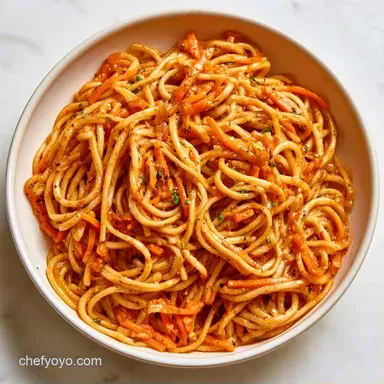
Failure-Proof Vegetable Lo Mein
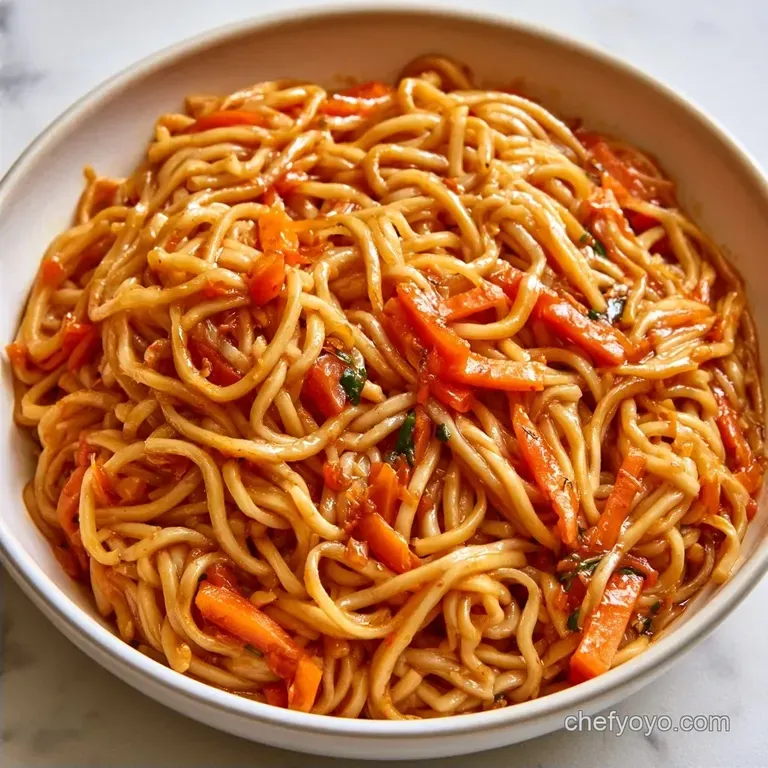
- Time: 10 min prep + 10 min cook
- Flavor/Texture Hook: Glossy, savory noodles with a crisp tender vegetable crunch
- Perfect for: Weeknight dinner, meal prep, beginner friendly
Sizzle. The pungent, savory aroma of garlic hitting shimmering oil is the first hint of a great meal. For years, my home stir fries were essentially "steamed vegetable mounds." I used to throw everything into the pan simultaneously, and by the time the carrots were tender, the cabbage had become a soggy mess.
I eventually learned that the problem wasn't my equipment, but my timing. Adding the ingredients in phases changed everything. Now, I can prepare a Vegetable Lo Mein with a real crunch, where the sauce adheres perfectly to the noodles rather than gathering at the bottom of the dish.
If you need a fast success, this is it. You get the harmony of deep soy and zesty vinegar without spending hours prepping. This Vegetable Lo Mein focuses on the interplay between the soft noodles and the fresh snap of the peas.
Easy 20 Minute Vegetable Lo Mein
The goal here is a fast, over high heat toss. This is a "quick win" recipe because it focuses on efficiency. You aren't spending hours simmering a sauce. Instead, you're using a Simple Lo Mein Sauce that comes together in a small bowl while your water boils.
It's a great way to clear out the crisper drawer. While I've listed the classic mix, you can easily swap in whatever you have. The key is keeping the heat high so the vegetables brown rather than boil. This 20 Minute Vegetable Lo Mein is an Easy 20 Minute Vegetable Lo Mein that doesn't sacrifice the depth of flavor.
How to Actually Nail This
- The Staggered Sauté: Adding harder vegetables like carrots first ensures they finish at the same time as the quicker cooking bok choy.
- The Cold Rinse: Rinsing noodles in cold water stops the cooking process and washes off the surface starch. This prevents the Vegetable Lo Mein from becoming a gummy clump.
- The over High heat Glaze: Adding the sauce at the very end over high heat lets it reduce quickly. This creates that glossy coating that clings to every strand.
What You'll Need
Fresh noodles significantly improve the final texture, though dried ones are a viable alternative if you're short on time. Just be sure not to overboil them, or they may fall apart during the stir frying process.
| Component | Purpose | Substitute Notes |
|---|---|---|
| Fresh Lo Mein Noodles | Core foundation and chew | Whole wheat spaghetti: Heavier, but a good option |
| Soy Sauce | Salty, umami depth | Tamari: Perfect for gluten-free diets |
| Sesame Oil | Nutty aroma and richness | Toasted sesame oil is essential for the flavor |
| Brown Sugar | Counteracts the salty soy | Maple syrup: Offers a distinct, woody sweetness |
To put this together, you will need: 8 oz fresh lo mein noodles Why this? Better elasticity and sauce absorption 1 tbsp neutral oil (for noodles) 2 tbsp vegetable oil (for frying) 3 cloves garlic, finely minced 1 tbsp fresh ginger, grated 1 cup carrots, julienned Why
This? Provides a necessary snap and vibrant color 1 cup cabbage, shredded 1 cup snap peas, trimmed 1 cup baby bok choy, chopped 3 tbsp soy sauce 1 tbsp toasted sesame oil 1 tbsp brown sugar 1 tsp rice vinegar 1/4 tsp white pepper
When cooking for children, feel free to replace the bok choy with additional carrots. This makes the Vegetable Lo Mein Recipe with Cabbage more appealing to picky eaters.
The Essential Gear
While you can manage with basic kitchen gear, a couple of specific tools simplify the process. A spacious pan is key to ensure the vegetables have plenty of room.
- Wok or Large Skillet: A carbon steel wok is ideal, though a heavy cast iron skillet is a solid alternative.
- Tongs: Necessary for tossing the noodles without breaking them.
- Small Bowl: For prepping the sauce.
- Colander: For rinsing the noodles.
Using a larger pan avoids the "steaming" effect. If the cookware is too small, moisture from the cabbage will build up, causing you to lose that perfect sear on your Vegetable Lo Mein.
The Cooking Process
Phase 1: The Mise en Place
- Prepare noodles according to the package instructions. Drain and immediately rinse with cold water to halt the cooking process and remove extra starch. Toss with 1 tbsp neutral oil to keep them from sticking.
- In a small bowl, whisk together soy sauce, sesame oil, brown sugar, rice vinegar, and white pepper until the sugar is completely dissolved. Note: Doing this now prevents the garlic from burning while you search for the sugar.
Phase 2: The Searing
- Heat 2 tbsp vegetable oil in a wok over medium high heat until shimmering. Add garlic and ginger; sauté for 30 seconds until fragrant but not browned.
- Stir fry the carrots and snap peas first for 2 minutes. Add the cabbage and bok choy, continuing to toss for another 2 minutes until the edges are slightly translucent but the centers remain crisp.
Phase 3: The Glazing
- Turn the heat to high and add the cooked noodles to the pan.
- Pour the savory glaze over the noodles. Toss rapidly for 1–2 minutes using tongs or a spatula until the sauce reduces into a glossy coating that clings to every strand. Remove from heat immediately.
If you're using Vegetable Lo Mein with Ramen Noodles, be careful not to overcook them in the first step, as they are thinner and can become mushy very quickly during the final toss.
Fixing Common Problems
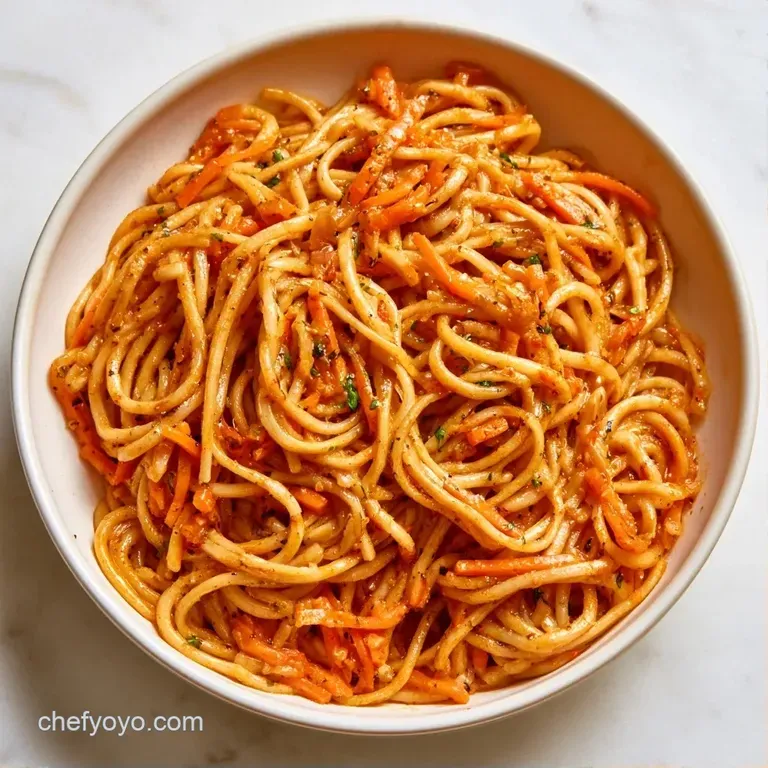
A common problem is ending up with a wet bottom. This typically occurs if the pan hasn't reached the right temperature or if it's overcrowded with vegetables. When doubling the recipe, be sure to cook in two separate batches.
If the sauce feels overly salty, the brown sugar might not have dissolved properly, or the soy sauce used may be particularly potent. Adding a bit more rice vinegar can balance out that saltiness.
Preventing Clumpy Noodles
If your noodles are sticking, it's often due to insufficient rinsing or a lack of oil. To loosen them, stir in a tablespoon of water during the final toss.
Avoiding Mushy Veggies
This occurs when the greens are overcooked. To prevent this, only add the cabbage and bok choy during the final 2 minutes of the vegetable sauté.
Fixing a Thin Sauce
If the sauce isn't coating the ingredients, maintain high heat for an additional 30 seconds. The sugar must bubble and thicken to achieve that luscious glaze.
| Problem | Fix |
|---|---|
| Clumpy noodles | Rinse with cold water and mix in oil |
| Overcooked vegetables | Stir in greens at the end for 2 mins |
| Thin sauce | Boost heat to high during the last toss |
Sizing Your Meal
Adjusting the portion size of a stir fry requires more than just multiplying the ingredients due to pan surface area. Attempting to quadruple this Vegetable Lo Mein in a single pan will result in the vegetables steaming in their own moisture rather than frying.
Scaling Down (1 serving): Halve all ingredients. Opt for a smaller pan to maintain high temperatures. Decrease the vegetable cooking time by roughly 20%, as the lower volume cooks more quickly.
Scaling Up (3-4 servings): Double the amount of noodles and vegetables, but only multiply the sauce by 1.5x to prevent the noodles from becoming soggy. Sauté the vegetables in batches before combining everything at the end.
For those using a home stove, utilizing two separate pans is more effective than overcrowding a single one.
Truths About Stir Frying
There's a common idea that you need a commercial grade burner to get "wok hei" (the breath of the wok). While a high BTU burner helps, you can get a similar result at home by using a small amount of oil and not overcrowding the pan.
Another myth is that you should sear the vegetables until they are brown. For a Vegetable Lo Mein, you actually want them "crisp tender." If they brown too much, they lose that fresh, vibrant snap that balances the rich sauce.
Preservation Secrets
This dish is best fresh, but it holds up well for a few days. The noodles will absorb more sauce over time, so the flavor actually deepens, though the vegetables will lose some of their crunch.
Fridge Life: Store in a sealed container for 3 days. Freezer Life: I don't recommend freezing this. The noodles break down and the vegetables become watery upon thawing.
To reduce waste, save your cabbage cores and carrot peels. You can throw them into a freezer bag and use them to make a vegetable stock later. Also, any leftover Simple Lo Mein Sauce can be used as a marinade for tofu or mushrooms.
Flavor Twists
If you want to change the profile, you can easily adapt this. For a spicy kick, add a teaspoon of sriracha or chili crisp to the sauce. For an extra nutty profile, add a tablespoon of peanut butter or cashew butter to the glaze.
For those needing a Healthy Lo Mein Noodles Recipe, you can swap the wheat noodles for zoodles (zucchini noodles) or sprouts. Just remember that zoodles release a lot of water, so omit the boiling step and sauté them for only 1-2 minutes.
If you're craving something heartier, this pairs well with my Beef Chow Mein approach, where you can add thinly sliced steak to the pan before the vegetables.
Serving Suggestions
While this Vegetable Lo Mein is hearty enough to stand alone, it feels like a true feast when paired with a refreshing side. I love serving it with steamed edamame or a crisp smashed cucumber salad.
For a full spread, this pairs beautifully with a Chicken Stir Fry to add more protein to the meal. Garnish with sliced green onions and toasted sesame seeds to provide a fresh pop of color and a bit of extra crunch.
Variation | Adjustment
| :--- | :--- | | More Heat | Add 1 tsp chili oil to glaze | | Extra Protein | Toss in fried tofu cubes | | Low Carb | Use konjac noodles |
And that's it! This Vegetable Lo Mein is all about the speed and the snap of the vegetables. Just keep your heat high, your prep ready, and don't overthink the timing. Enjoy!
Recipe FAQs
What's the secret to flavorful lo mein?
Staggering the vegetable additions ensures each ingredient maintains its unique texture and flavor.
Tip: Keep your chopped vegetables in separate bowls for a faster transition into the pan.
Which sauce ingredients create the best glaze?
Combine soy sauce, toasted sesame oil, brown sugar, rice vinegar, and white pepper.
Tip: If you enjoyed balancing savory and sweet flavors here, see how that same principle works in this peanut sauce.
How long does this recipe take to finish?
The total time from prep to plate is 20 minutes.
Tip: Prepare your sauce while the noodle water boils to maximize efficiency.
What oil works best for high heat stir frying?
Vegetable oil is the ideal choice because it handles medium high temperatures without smoking.
Tip: Wait until the oil is shimmering before adding your garlic and ginger.
Is it true that you should add all vegetables at once?
No, this is a common misconception. Adding carrots and snap peas first, followed by cabbage and bok choy, prevents the greens from becoming soggy.
Tip: Stir fry the vegetables for only 2 minutes per batch to keep them crisp.
How to keep the noodles from sticking together?
Rinse cooked noodles with cold water and toss them with one tablespoon of neutral oil.
Tip: Do this immediately after draining to stop the cooking process and remove excess starch.
Vegetable Lo Mein Recipe