Roasted vegetable bowls provide a reliable solution for busy weeks by combining bulk-prepped produce with varied textures and dressings. These meals transition easily from a warm dinner to a cold lunch, making them a staple for anyone focused on plant-forward meal planning.
Whether you prefer the sweetness of roasted carrots or the filling nature of chickpeas, these recipes offer diverse flavor profiles. This collection focuses on sheet pan methods that minimize active cooking time while maximizing the natural caramelization of seasonal vegetables.
Easy Veggie Bowl Recipes for Meal Prep
Technique matters when preparing vegetables for the entire week to ensure they remain flavorful rather than softening too much in storage. These recipes prioritize high-heat roasting on single sheets, allowing you to cook large batches of nutrient-dense produce with minimal active labor.
Focus on texture with this technique-driven guide to roasting vegetables for the week ahead. These steps ensure your prepped containers stay firm and flavorful rather than becoming soft.
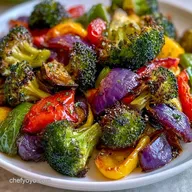
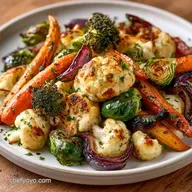
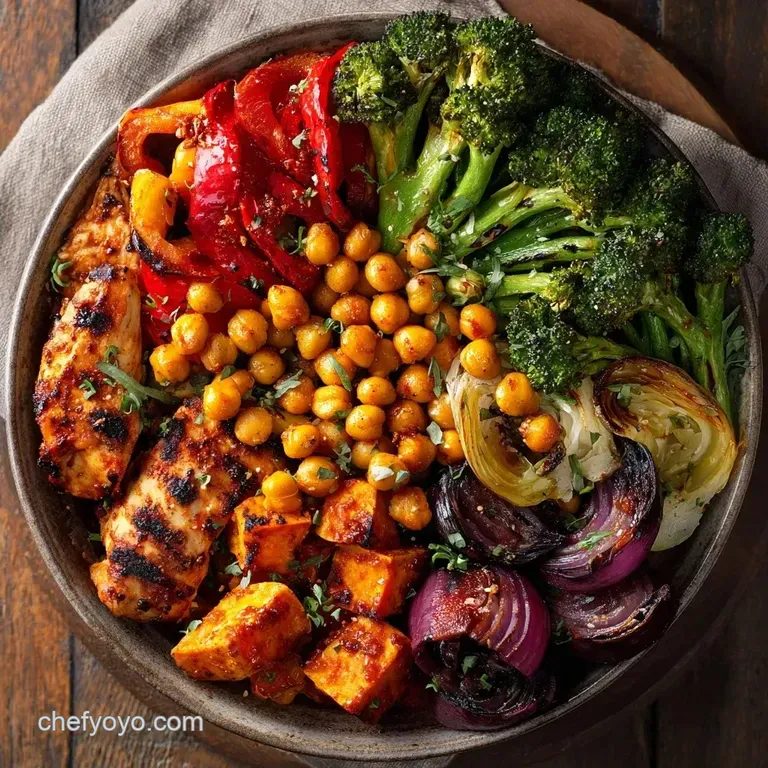
This straightforward vegan dinner uses a single sheet pan to roast a variety of vegetables simultaneously. It is designed for maximum efficiency without sacrificing the depth of roasted flavors.
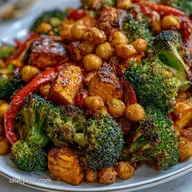
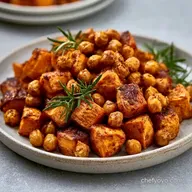
Achieving a rustic char is the goal for this chickpea-based bowl. It offers a deeper flavor profile than standard steamed vegetable dishes, making it a satisfying vegetarian staple.
Adding legumes provides a protein-focused foundation that turns a simple side dish into a complete, balanced meal. These combinations use chickpeas to add a subtle crunch and density, making the bowls substantial enough for a post-workout dinner or a long workday lunch.
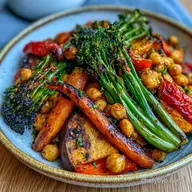
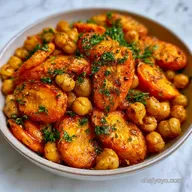
Combining fresh herbs with fiber-forward chickpeas, this sheet pan meal simplifies weeknight cooking. It provides a balanced nutritional profile with minimal cleanup required after the meal.
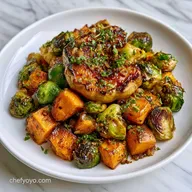
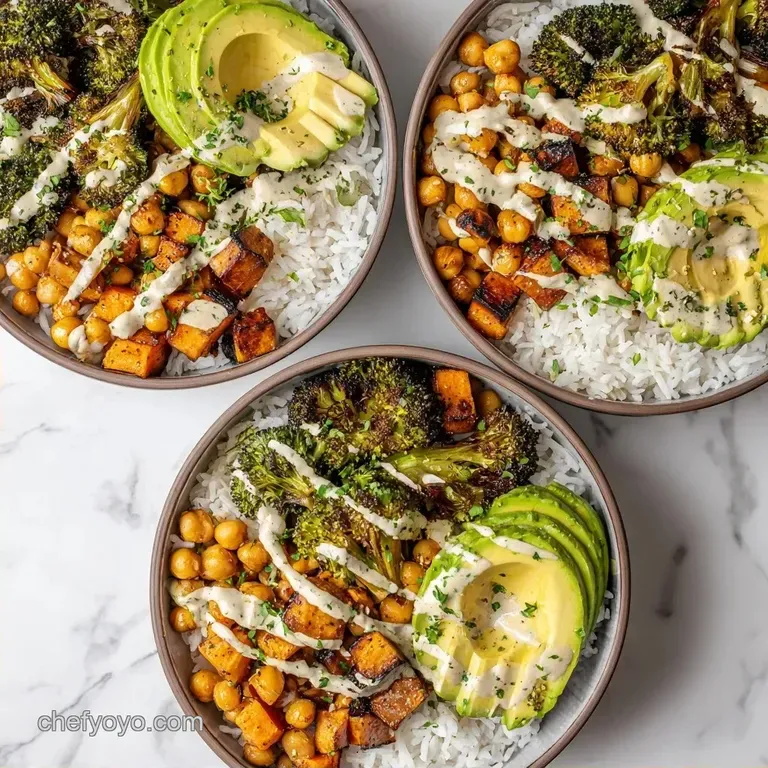
Sweet potatoes and chickpeas create a fiber-rich foundation in this colorful bowl. The 35-minute cook time makes it a faster option for a warm, nourishing weeknight meal.
Different flavor profiles, from tangy glazes to smooth nut-based dressings, help prevent meal fatigue when eating plant-forward diets. This group includes specialized bowls that highlight specific seasonal produce like carrots and autumn roots, each paired with a distinct finishing sauce.
This grain-based bowl highlights autumn flavors with a tangy glaze that cuts through earthy vegetables. It is a substantial option for those wanting a filling harvest-style dinner.
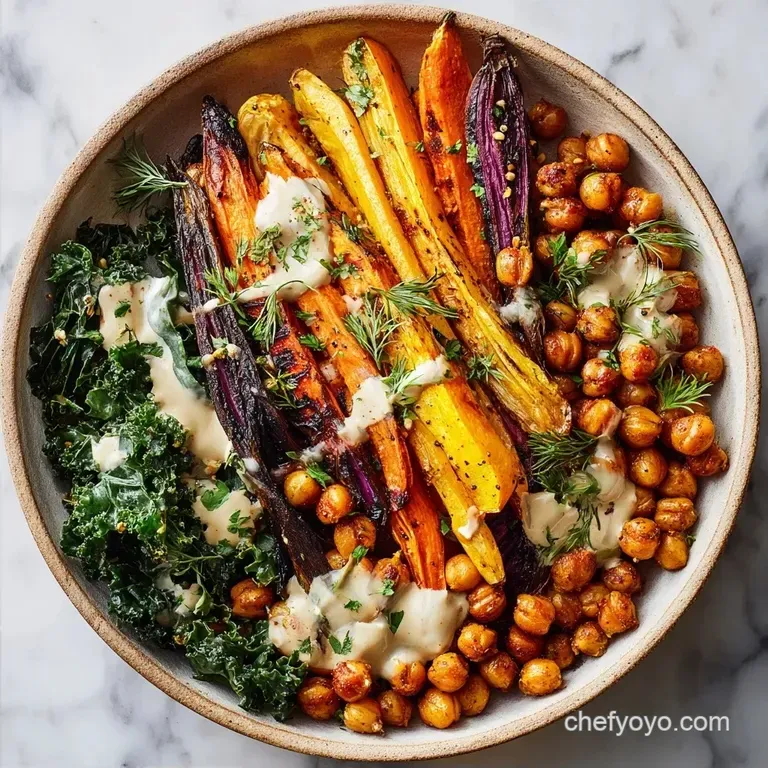
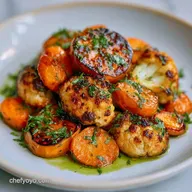
Vibrant carrots take center stage here, providing a naturally sweet contrast to savory greens. This bowl works well for those seeking a lighter, vegetable-forward lunch that remains filling.
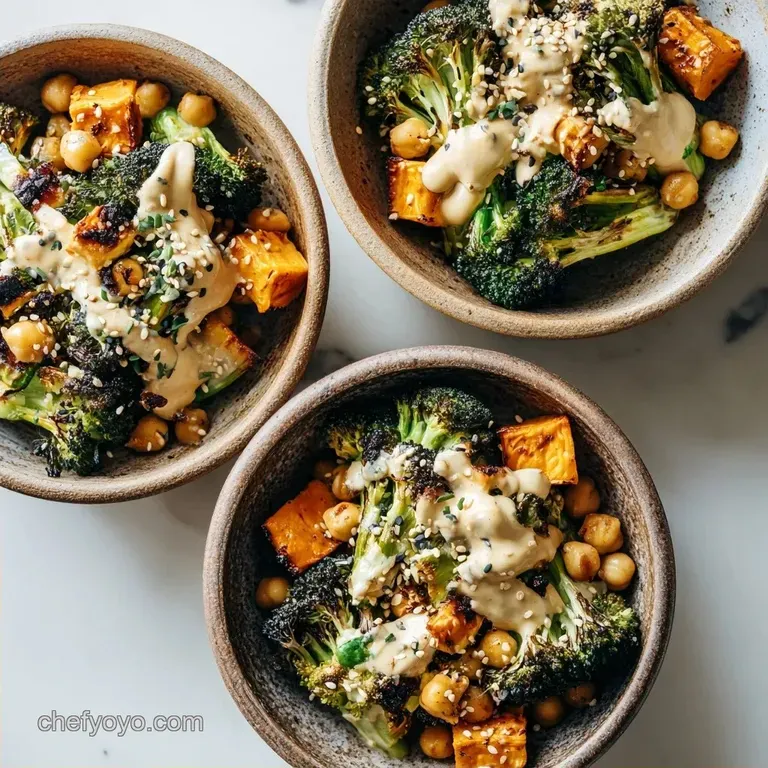
Caramelized root vegetables pair with a smooth tahini dressing in this herb-heavy bowl. The combination of textures makes it a sophisticated choice for weekend meal planning.
How do I choose between a grain-based or vegetable-only bowl?
Grain-based bowls are generally more filling and better for active days, while vegetable-only bowls offer a lighter option that focuses on volume and micronutrients.
Can I prep these roasted vegetable bowls in advance?
Yes, most roasted vegetables stay fresh in the refrigerator for three to four days, though it is best to store dressings separately.
Why do my roasted vegetables turn out soggy instead of firm?
Sogginess typically occurs from overcrowding the pan or using too much oil, which traps steam rather than allowing moisture to evaporate.
What are the best vegetables to roast together in one bowl?
Roots like sweet potatoes and carrots pair well with hearty cruciferous vegetables like broccoli, as they share similar roasting times when cut appropriately.
How should I store leftover roasted veggie bowls?
Place leftovers in airtight containers once they reach room temperature and keep them chilled to maintain the best flavor and safety.