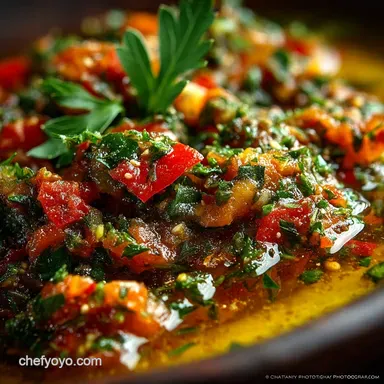
The Soul of the Stew Vibrant Fresh Dominican Sofrito Sazón Líquido

Unlocking the Essence: What is Authentic Dominican Sofrito?
If you are serious about mastering the deep, complex flavours of true Caribbean cooking, understanding the role of Dominican Sofrito is paramount. Often referred to simply as sazón (seasoning) by those in the sofrito dominican republic , this powerful, aromatic paste is not just an ingredient, it is the very heart and soul of the cuisine.
Unlike many European culinary traditions that build flavour from cooked mirepoix, the Dominican method relies on a fresh, highly concentrated blend of raw aromatics and herbs, which are later cooked down into the dish.
This technique provides an unparalleled brightness and depth, ensuring every bite of rice, beans, or stew sings with vibrant character.
Sazón vs. Sofrito: Clarifying the Dominican Difference
While the term sofrito is widely recognised across the Spanish-speaking world, the application differs significantly. In places like Puerto Rico, sofrito often includes ingredients like tomato and is frequently cooked prior to storage.
In contrast, the sofrito dominican seasoning we are creating here is almost always a fresh, uncooked sazón líquido . It’s a powerful, almost pesto-like suspension of herbs, peppers, garlic, and vinegar.
Because it is used primarily as a raw marinade and flavour starter, this particular sazón retains maximum pungency and retains its bright green hue, a signature of authentic Dominican preparation.
The Non-Negotiable Flavour Engine for Caribbean Cuisine
This essential blend forms the foundation for virtually every classic dish you encounter in the DR. Whether you are aiming to make the rich, tender dominican sofrito chicken ( Pollo Guisado ), a hearty Sancocho stew, or perfectly seasoned red beans, two tablespoons of this mixture are mandatory.
It serves as both the marinade that tenderizes and infuses proteins overnight, and as the initial aromatic layer added to the pot during the start of a braise. It is the key to achieving that signature caramelized, deeply savory profile inherent in all Dominican cooking.
While it can be referred to as dominican sofrito sauce , it is crucial to remember it functions as a concentrated base, meant to transform the flavour of other ingredients, rather than be eaten on its own.
Why Fresh, Uncooked Sazón Líquido is Superior
The superiority of the Dominican approach lies in preserving the volatile oils and vibrant colours of the ingredients. By keeping the mixture raw, the potency of the fresh cilantro, peppers, and garlic is at its peak.
When this powerful raw base hits hot oil or is submerged in a slow-cooked stew, it blooms, releasing layers of flavour that would be significantly dulled if the paste itself were pre-cooked.
This process guarantees your finished dish has an intensity that a pre-sautéed base simply cannot match, making this dominican sofrito recipe the gold standard for flavour saturation.
Gathering the Essential Aromatics: Your Shopping Checklist
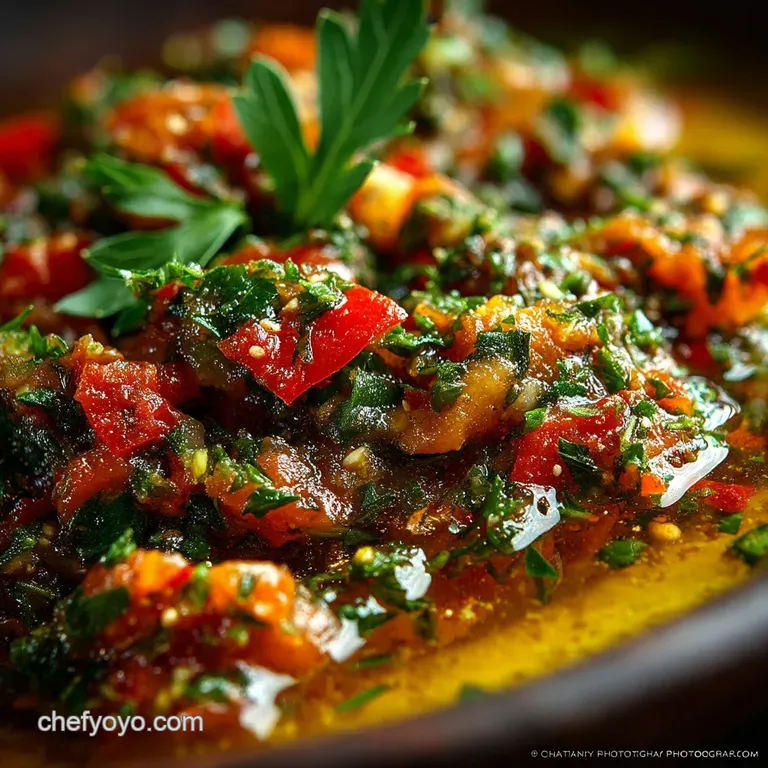
Preparing a perfect batch of sazón starts with selecting high-quality, fragrant ingredients. Since this is an uncooked mixture, the freshness of your produce is critical.
For this recipe, which yields approximately three cups (750 ml), you'll need to focus on assembling the core aromatic trio: peppers, onion, and garlic, supported by crucial herbal and acidic components.
This streamlined process makes it a truly dominican sofrito recipe easy to execute, as long as you have the right components.
Sourcing the Star: What to Use Instead of Ají Cubanela
The Cubanelle pepper ( Ají Cubanela ) is a non-negotiable aromatic foundation, contributing a mild sweetness and characteristic vegetal undertone that defines true Dominican Sofrito .
You will need three large Cubanelles (about 300g), cored and roughly chopped, alongside one large red bell pepper (200g) for depth of colour and flavour. If Cubanelles are unavailable, you can substitute them with two large green bell peppers, although this will result in a slightly less sweet flavour profile.
Pair these with one large red onion (250g) and a full head of peeled garlic cloves (approximately 12–15 cloves) to build the requisite pungent base.
The Power of Añejo Vinegar and Sour Orange
The liquid base not only helps emulsify the raw ingredients but also acts as the primary preservative, extending the life of your fresh seasoning. We incorporate half a cup (120 ml) of apple cider vinegar, which offers a soft, fruity acidity.
This acidity is buffered by a quarter cup (60 ml) of a neutral liquid, such as light olive oil, which assists in achieving a smooth texture and prevents separation. For an authentic flourish, consider replacing the neutral liquid with traditional Sour Orange Juice ( Naranja Agria ), a highly prized ingredient in the sofrito dominican republic that delivers a zesty, tart tang.
Finally, be sure to add the herbs, including one large bunch of fresh cilantro (100g, stems included) and two tablespoons of powerful dried Dominican or Mexican oregano, along with one tablespoon of salt and one teaspoon of pepper. These are the core dominican sofrito ingredients .
Mandatory Equipment: Choosing the Right Blender or Processor
Given the volume of fibrous greens, peppers, and dense aromatics, achieving the desired smooth, pourable texture of sazón líquido requires a machine with significant power.
A sharp chef’s knife and cutting board are necessary for the initial 20 minutes of rough chopping, but a standard low-powered blender may struggle and overheat.
To successfully process the required volume of raw ingredients into a consistent emulsion, a high-powered blender or a large capacity food processor is absolutely essential. This guarantees a uniform texture suitable for both marinading and quickly dissolving into a simmering liquid.
Related Recipes Worth Trying
- Puerto Rican Sofrito The Essential Green Flavour Bomb Recaíto — Make the essential vibrant green Puerto Rican Sofrito Recaíto foundation This raw aromatic flavour bomb is essential for proper Arroz con Gandules and stews...
Blending Perfection: step-by-step Guide to Dominican Sofrito Mastery
The actual preparation of the dominican sofrito recipe easy style takes virtually no time once your ingredients are prepped. This stage focuses on the technique of layering and blending to achieve perfect stability and flavour balance.
Prepping the Greens and Aromatics for Processing
Start by thoroughly washing all your produce. Core the Cubanelle and red bell peppers, meticulously removing all seeds and white pith, as these can introduce unwanted bitterness to the final blend. Rough chop all major aromatics (peppers, onion, and garlic) into pieces about one inch in size.
Begin loading your high-powered blender or food processor by placing the densest ingredients, the peeled garlic, onion, and peppers, at the bottom. Layer the large bunch of cilantro on top, followed by the robust, dried Dominican oregano.
For maximum impact, lightly rub the oregano between your palms before adding it to awaken its potent oils. Complete the layering with the initial seasoning of one tablespoon of kosher salt and one teaspoon of freshly ground black pepper.
Achieving the Perfect Liquid Consistency and Texture
Next, pour the liquid base, the apple cider vinegar (or white vinegar) and the olive oil, over the stacked ingredients. Secure the lid tightly and begin blending on the lowest setting, gradually increasing the speed.
Stop the machine periodically, using a rubber spatula to scrape down the sides, ensuring all ingredients are dragged down toward the blades. The goal is to reach a smooth, pourable liquid or a slightly chunky paste, depending on your textural preference.
A common issue is the blend stalling due to density; if this occurs, introduce the optional quarter cup of water or sour orange juice, one splash at a time, until the blades are able to catch and blend freely, maintaining the smooth consistency of the sofrito dominican seasoning .
The Final Seasoning Calibration and pH Check
Once the blend is fully emulsified, the final critical step is tasting and adjusting. Transfer a small portion to a clean spoon and evaluate the flavour. The mixture should be simultaneously bright, pungent, and highly acidic.
This high acidity is vital both for preservation and for providing the necessary zing to cut through the richness of stews. If the flavour falls flat, add a pinch more salt or a small splash of additional vinegar or lime juice.
For the absolute best results, allow the finished sazón to rest in the refrigerator for about 30 minutes before sealing. This brief aeration period allows the potent raw flavours to settle and merge, ensuring a beautifully balanced dominican sofrito sauce ready for use.
Preservation and Pro-Tips for Maximizing Your Batch
Once you’ve mastered the art of making this Dominican Sofrito , you’ll want to ensure you have a fresh supply on hand at all times. Proper storage is key to maximizing the yield and minimizing waste.
How Long Does Fresh Sofrito Last? (Freezing and Refrigeration)
Thanks to the high concentration of vinegar and oil, your finished sazón has a remarkably long shelf life compared to many other fresh seasoning pastes. When poured into sterilised, airtight glass jars, the refrigerated dominican sofrito ingredients will maintain their vibrancy and potency for two to three weeks.
For long-term convenience, freezing is the optimal solution. Pour the liquid dominican sofrito recipe into standard ice cube trays. Once frozen solid, transfer the cubes into a heavy-duty freezer bag or container. These frozen cubes will keep perfectly for up to six months.
When ready to cook, simply drop two to three cubes directly into your hot pan, no thawing required.
Creative Uses: Integrating Sazón into Everyday Dishes
While traditionally used in guisados , your homemade sofrito dominican seasoning can elevate almost any savoury dish. For marinating any protein, be it pork shoulder, beef, or especially dominican sofrito chicken —use approximately two tablespoons of sazón per pound of meat.
Beyond meat, use a spoonful as a base when preparing rice dishes like Moro de Habichuelas (rice and beans), sautéing it with annatto oil before adding the liquid.
It also works wonders stirred directly into a simmering stock base when making soups or bean preparations, injecting a powerful punch of herbal freshness and depth.
Scaling the Recipe: Making a Double or Triple Batch Efficiently
Our standard recipe yields a concentrated three cups, which is ideal for regular home cooking. However, since the preparation time is nearly identical regardless of batch size, it is highly efficient to scale up, especially if you plan to freeze the seasoning.
If you wish to make a double or triple batch, you must ensure your blending equipment can handle the volume. For larger yields, use a 12-cup food processor or an industrial-sized blender. The key is to maintain the same ingredient ratios and the sequential blending method to ensure proper emulsification.
Do not attempt to add all ingredients and liquids at once; load in stages if necessary to avoid motor strain.
Nutrition Snapshot: Breaking Down the Health Benefits of Fresh Herbs
Beyond its incredible flavour, this fresh sazón contributes valuable nutrients to your cooking. Because the base is composed entirely of raw vegetables and herbs, including substantial amounts of fresh cilantro, bell peppers, and garlic, it is highly nutrient-dense while remaining low in calories (estimated at 15–20 kcal per typical tablespoon serving).
The vibrant peppers provide an excellent source of Vitamins A and C, while the garlic and herbs offer powerful antioxidants. By choosing to make your own fresh Dominican Sofrito , you are ensuring that every meal starts with a healthful foundation of unprocessed, flavourful ingredients.
Recipe FAQs
Crikey, that’s a big batch! How long will this Dominican Sofrito keep, and what's the best way to store it?
That batch size is designed for peak efficiency! Thanks to the vinegar and oil, your fresh sazón will keep perfectly in an airtight jar in the fridge for about 2 to 3 weeks. For long-term use, freezing in ice cube trays is the ticket, they become brilliant little 'flavour bombs' that last up to six months.
I can’t find Cubanelle peppers at my local Sainsbury’s. What’s the next best thing?
No bother at all! The Cubanelle provides a specific mild sweetness and bulk. If they are elusive, substitute with a combination of one large green bell pepper and one large yellow bell pepper.
This mix helps replicate the required texture and mild flavour profile, ensuring you get the authentic Dominican sazón job done.
I've heard of Puerto Rican Sofrito, what’s the difference between that and the Dominican Sofrito (sazón)?
That is an excellent question and a real marker of regional cuisine! The main difference lies in preparation and core ingredients: Puerto Rican versions often use Culantro (recao) and are sometimes cooked down, whereas this Dominican Sofrito is typically used raw.
The Dominican recipe relies heavily on potent dried oregano, loads of garlic, and high acidity (vinegar) to create a raw marinade that cooks into the dish, lending a unique zest.
I’m new to Dominican cooking. How much of this sazón should I use for a typical chicken stew (guisado)?
Don't fret; it's quite straightforward once you get your bearings. As a general rule of thumb, start with 2 heaping tablespoons of sazón per pound of protein you are marinating or cooking.
If you're building a base for rice or beans, 1 to 2 tablespoons sautéed first will lay down a stunning aromatic foundation, just be mindful of the added salt content when seasoning the rest of your pot!
Should I blend the mixture until it’s perfectly smooth, or is a bit of texture acceptable?
That’s entirely down to preference, mate! Traditional Dominican preparation often aims for a smooth, pourable liquid consistency (sazón líquido) as it permeates marinades quickly and seamlessly.
However, a slightly chunkier paste works equally well, particularly if you are using it immediately to rub onto meat before grilling or roasting.
Authentic Dominican Sofrito Recipe Fresh Sazón Base for Stews