Chicken Noodle Soup: Velvety Broth
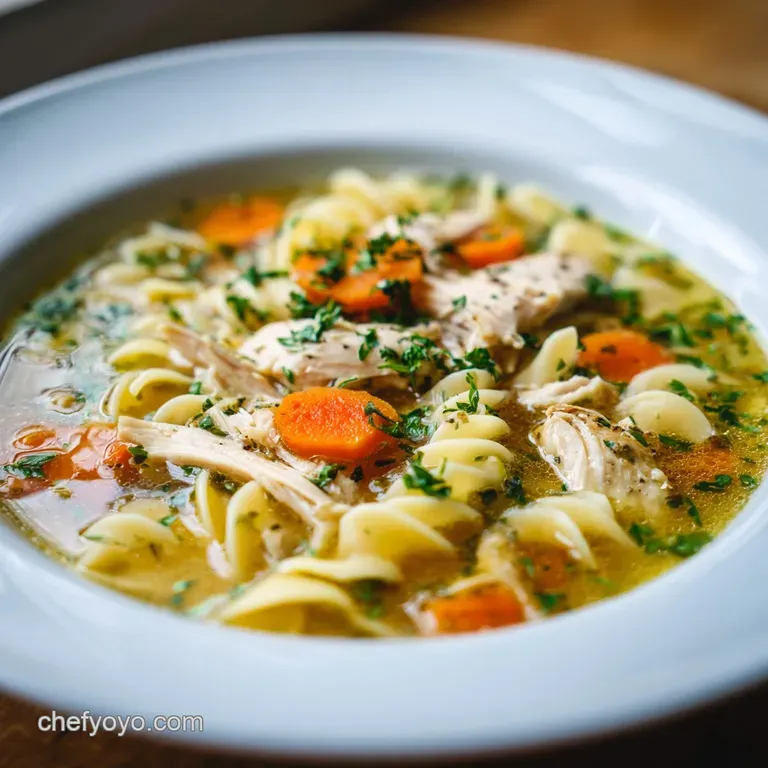
- Time: Active 20 minutes, Passive 45 minutes, Total 1 hours 5 mins
- Flavor/Texture Hook: A velvety, golden hued broth with tender, hand shredded chicken and vibrant citrus notes.
- Perfect for: Rejuvenating a tired spirit on a rainy Tuesday or a high protein weekend meal prep.
- The Secrets Behind This Deeply Comforting Chicken Noodle Soup
- Crucial Timing and Precision for the Perfect Bowl
- Assembling Your Palette of Fresh and Savory Ingredients
- The Essential Tools for a Professional Home Kitchen
- Navigating the Path to a Silky and Rich Broth
- Common Hurdles and How to Achieve Clarity Every Time
- Creative Twists to Keep Your Soup Pot Exciting
- Smart Storage Methods to Maintain Vibrant Flavors Later
- Elevating the Presentation with Bright and Contemporary Accents
- High in Sodium
- Recipe FAQs
- 📝 Recipe Card
The Secrets Behind This Deeply Comforting Chicken Noodle Soup
The kitchen was nearly dark, save for the low amber glow of the stove light, when I first realized I had been making Chicken Noodle Soup all wrong for years. I used to just throw everything in a pot and hope for the best, resulting in a cloudy, lackluster liquid and chicken that felt like chewing on pencil erasers.
That night, I decided to sear the skin on thighs first, and the sound of that initial sizzle hitting the hot butter changed everything. As the fat rendered out, turning a deep mahogany, the aroma of toasted poultry filled the room, promising a depth of flavor I had never achieved before.
It is all about the contrast between those rich, rendered fats and the sharp, clean snap of a late addition lemon squeeze. We are moving away from the bland, cafeteria style broths of the past and leaning into a contemporary fusion of traditional techniques and bright, modern finishes.
You want a soup that feels intentional, where the carrots still have a hint of structure and the herbs haven't been boiled into gray oblivion. We've all had that soggy, over salted mess from a can, but this version is a complete departure, offering a vibrant, healing bowl that actually tastes like the ingredients it contains.
We are aiming for a specific harmony here: the sweet, earthy base of sautéed mirepoix meeting the golden, turmeric tinted broth. By using both chicken thighs and breasts, we get the best of both worlds the succulent, melt in-your mouth texture of the dark meat and the clean, protein dense chunks of the white meat.
It’s a recipe that respects the science of heat and the necessity of patience, and I can't wait for you to see the difference it makes in your own kitchen.
The Physics of the Golden Broth
Lipid Emulsification: Searing the chicken skin releases specialized fats that, when simmered gently with turmeric, create a stable, vibrant yellow suspension rather than greasy droplets. This ensures every spoonful of the Noodle Soup feels rich on the palate without leaving a heavy film.
Chef Tip: Freeze your ginger root and grate it directly into the mirepoix if you want an unconventional zing that cuts through the fat; it adds a hidden warmth that most people can't quite identify but absolutely love.
| Thickness of Meat | Internal Temp | Rest Time | Visual Cue |
|---|---|---|---|
| 1 inch Breast | 165°F | 5 minutes | Opaque, juices run clear |
| Bone in Thigh | 175°F | 8 minutes | Meat pulls easily from bone |
| Sliced Rounds | N/A | 0 minutes | Softened but not falling apart |
There is a massive difference between a soup that is merely "done" and one that has reached its peak flavor potential through proper temperature management. Many people pull their chicken out too early or leave it in until it's stringy, but following these specific thermal checkpoints ensures the protein remains succulent and juicy.
Crucial Timing and Precision for the Perfect Bowl
When we talk about making the Best gluten-free Chicken Noodle Soup or even a standard version, the secret lies in the sequence of events. You cannot rush the aromatics if you want a foundation that carries the dish.
I once tried to skip the "sweat" phase for the onions and celery, and the resulting soup tasted "green" and raw rather than sweet and integrated. Give those vegetables the time they need to soften in the butter and olive oil; it's the difference between a flat dish and one with real resonance.
Precision also applies to how we handle the noodles. If you've ever ended up with a pot of thick, starch heavy sludge the next day, it's because the noodles were left to soak up all the liquid like a sponge. This recipe balances the cook time so the 8 oz of wide egg noodles reach that ideal al dente stage just as the chicken is finished resting and shredding. If you're looking for a slightly different texture profile, you might enjoy the velvety sauce found in this Chicken and Noodles Recipe, which focuses more on a thickened, gravy like consistency.
| Ingredient | Science Role | Pro Secret |
|---|---|---|
| Turmeric | Natural Dye & Antioxidant | Bloom it in the hot butter to unlock fat soluble curcumin. |
| Lemon Juice | pH Balancer | Add at the very end to prevent the acid from toughening the chicken. |
| Bone Broth | Gelatin Source | Use low sodium to control the final mineral balance perfectly. |
Building a complex flavor profile requires understanding how these components interact under heat. The turmeric isn't just there for the health benefits; it provides that iconic "homestyle" glow that makes the soup look as good as it tastes.
Meanwhile, the bone broth provides the necessary collagen to give the liquid a "lip smacking" quality that plain water or cheap bouillons simply cannot replicate.
Assembling Your Palette of Fresh and Savory Ingredients
Choosing your ingredients is like picking the right colors for a painting. For this Chicken Noodle Soup, we aren't just looking for "stuff in a pot." We want high-quality components that stand up to the simmer.
I always reach for unsalted butter so I can control the salt levels myself there is nothing worse than a soup that's too salty to finish. If you happen to be out of a specific item, don't panic; there are several ways to pivot without losing the soul of the dish.
- 2 tbsp unsalted butter: Provides the fat for sautéing. Why this? Butter adds a creamy, lactic depth that oil alone lacks.
- 1 tbsp extra virgin olive oil: Raises the smoke point of the butter.
- 1 large yellow onion: The sulfurous base of the soup.
- 3 large carrots: Adds natural sweetness and color.
- 3 stalks celery: Provides the essential "green" aromatic note.
- 4 cloves garlic: Minced finely for even distribution.
- 1.5 lbs bone in skin on chicken thighs: The primary flavor driver. Why this? Bones and skin contribute massive amounts of collagen and fat.
- 1 lb chicken breast: For clean, lean bites of protein.
- 8 cups low sodium chicken bone broth: The liquid gold foundation.
- 2 bay leaves: Adds a subtle, floral background note.
- 1 tsp dried thyme: The classic poultry herb.
- 1/2 tsp turmeric: For that vibrant, sun kissed color.
- 1 tsp salt: Adjust to your preference at the end.
- 1/2 tsp black pepper: Use freshly cracked for the best bite.
- 8 oz wide egg noodles: The heart of the Noodle Soup.
- 1/2 cup fresh parsley: For a final hit of herbaceousness.
- 1 tbsp fresh lemon juice: The "magic" ingredient that wakes everything up.
| Original Ingredient | Substitute | Why It Works |
|---|---|---|
| Unsalted Butter | Ghee | Higher smoke point with the same nutty flavor profile. |
| Wide Egg Noodles | Chickpea Pasta | High protein, gluten-free alternative. Note: Cook separately as they release more starch. |
| Chicken Thighs | Turkey Thighs | Similar fat content but with a slightly more gamey, rich flavor. |
If you are leaning toward a more traditional Polish vibe, you could check out the Traditional Cabbage Roll recipe for another way to use these hearty aromatics. However, for our current mission, keeping the focus on the poultry and the bright lemon is key to that contemporary finish we're after.
The Essential Tools for a Professional Home Kitchen
You don't need a mountain of gadgets to make a world class Chicken Noodle Soup, but a few specific pieces of gear will make your life significantly easier. A heavy bottomed pot is non negotiable.
I use a 6 quart enameled cast iron Dutch oven (like those from Le Creuset or Lodge) because it holds heat beautifully and prevents the bottom of the soup from scorching during the long simmer.
A sharp chef's knife is also vital. You're dicing onions, slicing carrots into rounds, and mincing garlic; a dull blade will just bruise the vegetables and make the prep feel like a chore. Finally, grab a pair of sturdy tongs.
You’ll need them to flip those chicken thighs and later to remove the hot bones from the pot without making a splashing mess.
Tools for the Aromatic Base
To get those carrots and celery perfectly uniform, some people swear by a mandoline, but honestly, I prefer the meditative process of hand slicing. It gives the soup a more authentic, contemporary look when the pieces aren't too "perfect."
Tools for the Chicken and Broth
Once the chicken is cooked, you'll need two forks for shredding. I’ve tried using a stand mixer to shred chicken before, but for this specific recipe, it makes the meat too fine. We want chunky, rustic pieces that have texture.
Tools for the Noodles & Finish
A fine mesh spider strainer is a secret weapon. It allows you to scoop out the bay leaves or any stray peppercorns without losing a single noodle or carrot. If you're going for an Easy Creamy Chicken Noodle Soup later, you might also want a whisk on hand to incorporate any dairy smoothly.
Navigating the Path to a Silky and Rich Broth
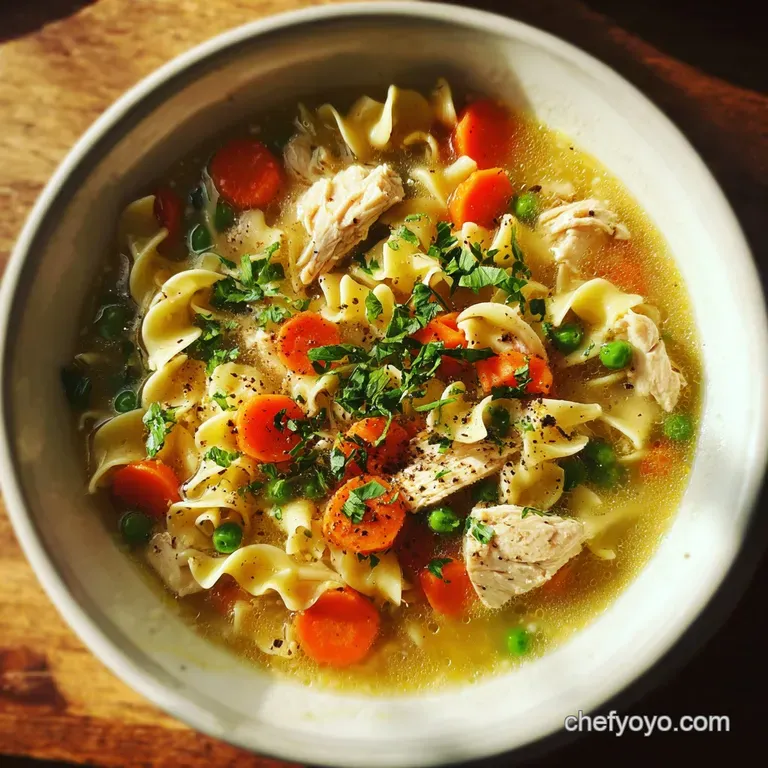
- Sear the chicken. Heat the butter and olive oil in your pot over medium high heat. Place the chicken thighs skin side down and cook 6 minutes until the skin is crispy and golden brown. Note: This creates the "fond" or brown bits on the bottom of the pot that hold all the flavor.
- Sauté the aromatics. Remove the chicken and set aside. Add the diced onion, carrots, and celery to the remaining fat. Cook 5 minutes until the onions are translucent.
- Bloom the spices. Stir in the minced garlic, dried thyme, and turmeric. Toast for 1 minute until the fragrance is intense and the vegetables are coated in yellow.
- Deglaze and simmer. Pour in the 8 cups of bone broth, scraping the bottom of the pot to release the fond. Return the chicken thighs and breast to the pot along with the bay leaves.
- Simmer the base. Bring to a boil, then immediately reduce to a low simmer. Cook 25 minutes until the chicken breast reaches an internal temperature of 165°F.
- Rest and shred. Carefully remove all the chicken. Let it rest on a cutting board for 5 minutes. Remove the skin and bones, then shred the meat into bite sized pieces using two forks.
- Boil the noodles. While the chicken is being shredded, bring the broth back to a gentle boil and add the 8 oz of wide egg noodles. Cook 7 minutes until the noodles are al dente.
- Reincorporate the protein. Turn the heat to low and stir the shredded chicken back into the pot. Note: We do this at the end to keep the meat from becoming tough.
- Season and brighten. Stir in the 1 tsp salt, 1/2 tsp pepper, and the fresh lemon juice. Taste the broth and adjust the salt if it feels flat.
- Final garnish. Stir in the 1/2 cup of fresh parsley right before serving. Garnish with extra black pepper for a sharp finish.
Chef Tip: If you find your broth has reduced too much during the simmer, add a splash of hot water or more broth before adding the noodles. This ensures the noodles have plenty of room to move and don't clump together.
Common Hurdles and How to Achieve Clarity Every Time
We’ve all been there: you open the lid and the soup looks gray, or worse, it has no flavor despite all the ingredients you added. Troubleshooting is just a part of the cooking journey. The most common issue with Chicken Noodle Soup is a cloudy broth, which usually happens if the soup is boiled too vigorously.
When you boil meat and bones hard, the proteins and fats emulsify into the liquid, making it opaque rather than clear.
Why Your Broth is Cloudy
If your liquid looks muddy, it’s likely because the heat was too high. Next time, keep it at a "lazy bubble" rather than a rolling boil. If it’s already happened, you can try straining it through a cheesecloth, but usually, it still tastes great it just won't have that "contemporary" restaurant clear look.
Why Your Soup Tastes Flat
Salt is often the culprit, but sometimes it's a lack of acidity. If you've added salt and it still feels like it’s missing "something," add another teaspoon of lemon juice. The acid acts as a highlighter for all the other flavors, making the thyme and chicken pop.
| Problem | Root Cause | Solution |
|---|---|---|
| Mushy Noodles | Noodles cooked too long or stored in the broth. | Cook noodles separately or only add them 7 mins before serving. |
| Greasy Surface | Too much fat rendered from the chicken skin. | Use a wide spoon to skim the yellow fat off the top before adding noodles. |
| Dry Chicken | Breast meat was overcooked at a high boil. | Simmer gently and remove the breast as soon as it hits 165°F. |
Common Mistakes Checklist
- ✓ Always pat the chicken skin dry with paper towels before searing to ensure it browns instead of steams.
- ✓ Don't skip the turmeric; it provides the essential color that makes the soup look appetizing.
- ✓ Never add the lemon juice at the beginning; the heat will dull its bright, fresh flavor.
- ✓ Avoid using "cream of" soups if you want an authentic, clean broth profile.
- ✓ Always taste for salt AFTER adding the lemon juice, as acid changes your perception of saltiness.
Creative Twists to Keep Your Soup Pot Exciting
Once you've mastered the classic, you can start playing with the boundaries. This recipe is incredibly adaptable. For instance, if you want a Quick Homemade Chicken Noodle Soup on a weeknight, you can swap the bone in thighs for a pre cooked rotisserie chicken.
Just skip the searing step and go straight to the aromatics, adding the shredded rotisserie meat at the very end.
If you’re craving something richer, you can easily transform this into an Easy Creamy Chicken Noodle Soup. Simply whisk 1/2 cup of heavy cream or full fat coconut milk into the broth at the very end. This adds a velvety texture that feels incredibly indulgent without requiring a flour based roux.
For those who need to avoid gluten entirely, focusing on the Best gluten-free Chicken Noodle Soup involves using high-quality gluten-free noodles made from brown rice or quinoa. Just be sure to cook them slightly less than the package instructions, as they tend to soften faster in the hot liquid.
- Asian Fusion: Replace thyme with ginger and lemongrass, and use rice noodles instead of egg noodles.
- Spicy Kick: Add a teaspoon of red chili flakes or a dollop of chili crisp to each bowl before serving.
- Veggie Heavy: Add frozen peas, spinach, or kale in the last 2 minutes of cooking for extra crunch and nutrients.
If you're in the mood for something with a different flavor profile altogether, the Classic Italian Wedding recipe offers a similar comfort but uses tiny meatballs and acini di pepe pasta for a completely different mouthfeel.
Smart Storage Methods to Maintain Vibrant Flavors Later
Storage is where many Noodle Soup recipes fail. If you put the finished soup in the fridge, the noodles will continue to absorb the broth until you're left with a pot of wet pasta.
If you know you're going to have leftovers, I highly recommend boiling the noodles separately in a different pot and only adding them to the individual bowls.
Storage: Keep the broth and chicken in an airtight container in the fridge for up to 4 days. If the noodles are already in the soup, it’s best eaten within 24 hours. Freezing: This soup freezes beautifully BUT only the broth and chicken.
Do not freeze the noodles. They will turn into mush upon thawing. Freeze the base for up to 3 months. When you're ready to eat, thaw the broth, bring it to a boil, and drop in fresh noodles.
Zero Waste Tip: Don't throw away those chicken bones or the ends of your carrots and onions! Throw them into a freezer bag. Once the bag is full, you can boil them with water for a few hours to make your own "scrap" chicken stock for your next batch of The Comfort Proper recipe.
Elevating the Presentation with Bright and Contemporary Accents
Presentation is the final step in making your home cooking feel like a contemporary dining experience. Instead of just ladling the soup into a bowl, try to "compose" it. Place a generous mound of shredded chicken and noodles in the center first, then pour the golden broth around it.
This keeps the ingredients from looking like a sunken mess at the bottom of the bowl.
Finish the dish with a flurry of fresh parsley and a few cracks of black pepper. If you want to go the extra mile, a thin slice of lemon floating on top adds a beautiful visual element and a continuous hit of aroma as you eat.
Serving this with a piece of crusty sourdough or a light green salad creates a balanced, professional meal that feels far more expensive than the sum of its parts.
| Cook Method | Time | Texture | Best For |
|---|---|---|---|
| Stovetop | 1 hr 5 mins | Precise, clear broth | The ultimate quality and flavor. |
| Crock Pot | 6-8 hrs | Very tender chicken | Hands off convenience for busy days. |
| Instant Pot | 35 mins | Deeply infused flavor | When you need the soup "now." |
There is a common myth that Chicken Noodle Soup is only for when you are sick. While the cysteine in chicken does help thin mucus, this dish is a culinary powerhouse that deserves a spot in your regular rotation regardless of your health. Another myth is that you must use a whole chicken.
While that makes a great stock, using a mix of thighs and breasts as we have done here provides a much better ratio of meat to effort for a standard weeknight meal.
Whether you're following this exact path or branching out into a Foolproof 30Minute Chicken recipe for a different kind of poultry fix, the key is to respect the ingredients. This soup isn't just a meal; it's a technique driven approach to one of the world's most beloved comfort foods. Trust the process, watch your temperatures, and don't forget that final squeeze of lemon. You've got this!
High in Sodium
840 mg 840mg of sodium per serving (37% 37% of daily value)
The American Heart Association recommends limiting sodium intake to about 2,300mg per day.
Tips to Reduce Sodium in Your Chicken Noodle Soup
-
Broth Swap-30%
Use no-sodium chicken broth instead of low-sodium. This can significantly reduce the sodium content.
-
Salt Reduction-25%
Reduce the added salt by half, or eliminate it entirely. Taste and adjust after cooking. Fresh herbs and lemon juice will help enhance flavor.
-
Unseasoned Chicken-15%
Ensure the chicken thighs and breast are not pre-seasoned or injected with sodium solutions. Check the packaging carefully.
-
Herb Power!
Boost flavor with more fresh herbs like parsley, dill, and chives. Experiment with different herb combinations to find your favorite sodium free flavor profile.
Recipe FAQs
What is the secret to great chicken noodle soup?
Searing the chicken skin first. This renders flavorful fat and creates fond on the bottom of the pot, which builds a deep, savory foundation for the broth.
What makes a really good chicken soup?
A perfect balance of fat, acid, and fresh herbs added at the correct time. The broth should be slightly golden from turmeric and have a bright finish from a late addition of fresh lemon juice to cut through the richness.
What ingredients are in chicken noodle soup?
Chicken (thighs and breast), mirepoix (onion, carrot, celery), bone broth, egg noodles, thyme, bay leaves, turmeric, parsley, and lemon juice. Always use low sodium broth so you can control the final salt level precisely.
What are common mistakes when making chicken soup?
Boiling the broth too hard and overcooking the noodles. Boiling vigorously creates a cloudy broth, and letting the noodles soak in the broth overnight turns them into mush; cook noodles separately if making leftovers.
How to ensure the noodles don't get soggy in leftovers?
Cook the noodles separately, cook them al dente, and add them only when serving. If you are freezing the soup base, only freeze the broth and chicken, adding fresh noodles when reheating.
Is it true I must use a whole chicken for the best flavor?
No, using a mix of bone-in thighs and breasts is superior for a standard batch. Thighs provide the necessary fat and collagen for a silky mouthfeel, while the breast adds lean protein, providing a better meat-to-effort ratio.
How to deepen the flavor if I am using store-bought broth?
Sear the chicken skin thoroughly before adding the liquid, and bloom your dry spices in the residual fat. This searing technique extracts maximum flavor, similar to how we develop a deep base in a Chicken Shawarma with recipe before adding sauces.
Best Chicken Noodle Soup
Ingredients:
Instructions:
Nutrition Facts:
| Calories | 434 kcal |
|---|---|
| Protein | 42.1 g |
| Fat | 17.4 g |
| Carbs | 25.8 g |
| Fiber | 2.1 g |
| Sugar | 3.2 g |
| Sodium | 840 mg |
