Butternut Squash Soup Recipe: Silky and Bright
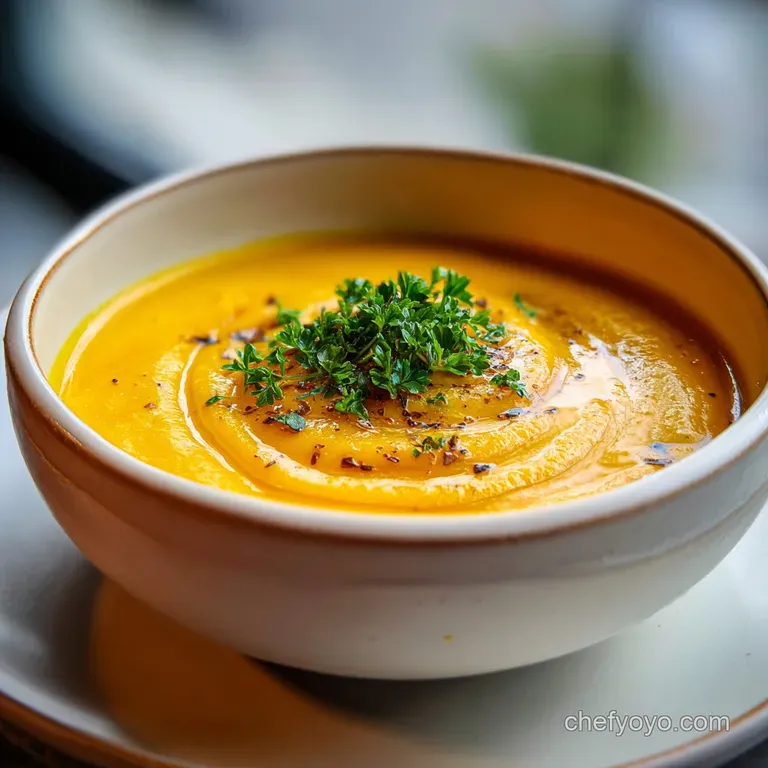
- Time: Active 15 minutes, Passive 45 minutes, Total 1 hours
- Flavor/Texture Hook: Silky, earthy, and bright with a ginger kick
- Perfect for: Meal prep enthusiasts or a cozy weeknight dinner
- Crafting a Silky Golden Butternut Squash Soup Recipe at Home
- The Science of Roasting and Emulsifying Squash
- Technical Specs for Your Golden Harvest Soup
- Selecting High Quality Elements for Maximum Flavor
- Essential Kitchen Tools for a Smooth Finish
- Executing the Ultimate Butternut Squash Soup Recipe
- Solving Texture and Balance Issues in Your Puree
- Creative Twists to Customize Your Vegetable Soup
- Preserving the Vibrancy and Silky Texture of Leftovers
- Garnish and Pairing Ideas for a Complete Meal
- Debunking Common Squash Soup Misconceptions
- Recipe FAQs
- 📝 Recipe Card
Crafting a Silky Golden Butternut Squash Soup Recipe at Home
The first time I tried making a squash soup, I made the classic rookie mistake: I boiled everything in a pot together. The result? A bland, watery bowl of orange mush that tasted more like baby food than a real meal. I was crushed.
But that failure sent me on a mission to figure out how the pros get that deep, concentrated flavor. The secret, I found, isn't in a hidden ingredient - it's in the way we treat the vegetables before they ever touch the broth.
When you slide a tray of cubed butternut squash into a hot oven, something magical happens. The kitchen fills with a nutty, toasted aroma that tells you the sugars are intensifying. You aren't just cooking the squash; you're transforming it.
By the time those edges turn dark golden and start to caramelize, you've unlocked a level of flavor that boiling simply can't touch. It's the difference between a flat note and a full symphony.
In this guide, I'm sharing the exact method I use every autumn to get that velvety texture and balanced sweetness. We're going to use fresh ginger for zing and a splash of apple cider vinegar to cut through the richness.
Trust me, once you smell that sage hitting the hot oil in the pan, you'll know why this is the only way I make it now. Let's get into the details so you can recreate this in your own kitchen tonight.
The Science of Roasting and Emulsifying Squash
Maillard Reaction: over High heat roasting at 200°C converts the squash's natural starches into complex sugars, creating hundreds of new flavor compounds. This provides the deep, toasted base that prevents the soup from tasting "thin" or one dimensional.
Starch Gelatinization: As the squash simmers in the vegetable broth, the cell walls break down completely, releasing starches that act as a natural thickener. This creates the body of the soup without the need for added flour or cornstarch.
Fat Based Emulsification: The medium chain triglycerides in the full fat coconut milk bind with the liquid broth when blended at high speeds. This creates a stable emulsion that feels heavy and rich on the tongue while remaining completely vegan.
| Method | Time | Texture | Best For |
|---|---|---|---|
| Oven Roasting | 40 mins | Concentrated, sweet, nutty | Maximum flavor depth and sweetness |
| Stovetop Simmer | 25 mins | Mild, clean, vegetal | A lighter, quicker weeknight version |
| Instant Pot | 12 mins | Soft, fully infused | Speed and hands off convenience |
Choosing the right method depends on your schedule, but roasting is the gold standard for flavor. If you're looking for something equally comforting but with a different profile, you might enjoy learning How to Make recipe which uses similar earthy base notes.
Technical Specs for Your Golden Harvest Soup
To ensure you get the same results I do, pay close attention to the ratios. A large butternut squash usually weighs in around 1.3 to 1.5 kilograms (approx. 3 lbs). If your squash is smaller, reduce the broth by half a cup to keep the texture from becoming too runny.
We are aiming for a total yield of 6 servings, making this ideal for a family dinner or a week of lunches. The cook time is mostly passive, so you can tidy up or prep your garnishes while the oven does the heavy lifting.
Chef Tip: Freeze your butter for 10 minutes before grating it over the squash if you aren't using oil - it creates tiny pockets of fat that help the edges brown more evenly.
Selecting high-quality Elements for Maximum Flavor
| Ingredient | Science Role | Pro Secret |
|---|---|---|
| Butternut Squash | Primary starch and sugar source | Choose one with a matte skin; shiny skin often means it was picked too early. |
| Fresh Ginger | Protease enzymes and aromatic heat | Grate it finely so the fibers disappear into the puree during blending. |
| Coconut Milk | Fat source for mouthfeel | Use full fat only. The "light" version is mostly water and will make the soup thin. |
| Apple Cider Vinegar | pH balancer | This "brightens" the dish, acting as a counter point to the heavy fats and sugars. |
Essential Kitchen Tools for a Smooth Finish
You don't need a professional kitchen, but a few specific tools make a massive difference. First, a heavy rimmed baking sheet is a must to prevent warping at high temps. I also highly recommend using a high speed blender rather than an immersion blender if you want that true "velvet" texture.
An immersion blender is great for convenience, but it rarely gets the ginger fibers and squash skin (if any remains) perfectly smooth. If you do use a stand blender, remember to never fill it more than halfway with hot liquid, or the steam will blow the lid right off!
Executing the Ultimate Butternut Squash Soup Recipe
- Preheat and Prep. Set your oven to 200°C (400°F). Peel 1 large butternut squash, remove the seeds, and cube it into 2.5 cm pieces. Note: Uniform cubes ensure they all finish roasting at the same time.
- Season the Squash. Toss the cubed squash with 2 tbsp extra virgin olive oil, 1 tsp sea salt, and 0.5 tsp cracked black pepper on your baking sheet.
- Roast until Caramelized. Bake for 30 to 35 minutes until the edges are charred and the centers are tender.
- Sauté the Aromatics. In a large pot, cook 1 diced yellow onion in a splash of oil for 5 minutes until translucent and sweet smelling.
- Add the Aromatics. Stir in 3 smashed garlic cloves, 1 tbsp grated fresh ginger, and 1 tsp dried sage. Note: Frying the dried sage in the oil wakes up its essential oils.
- Deglaze and Simmer. Add the roasted squash to the pot along with 4 cups low sodium vegetable broth. Bring to a boil, then simmer for 10 minutes.
- Incorporate the Creaminess. Pour in 13.5 oz full fat coconut milk and 1 tbsp apple cider vinegar. Stir until the color is uniform.
- Blend to Velvet. Transfer the mixture to a blender in batches. Blend on high until the surface looks glossy and no visible fibers remain.
- Season and Taste. Return the soup to the pot and taste. You may need a pinch more salt to make the squash flavor pop.
- Final Heat. Simmer for 2 more minutes to ensure the temperature is consistent before serving.
Solving Texture and Balance Issues in Your Puree
Why Your Soup Tastes Flat
If you’ve followed the steps but the flavor feels "quiet," you likely need more acidity or salt. Salt doesn't just make things salty; it unlocks the sweetness of the squash. If that doesn't work, add another teaspoon of apple cider vinegar. The acid acts like a spotlight on the other ingredients.
Why Your Soup Is Grainy
Graininess usually comes from two things: undercooked squash or an underpowered blender. If you didn't roast the squash until it was completely soft, the fibers won't break down. To fix this, you can pass the finished soup through a fine mesh sieve (a chinois) to catch any stray bits.
| Problem | Root Cause | Solution |
|---|---|---|
| Too Watery | Too much broth or small squash | Simmer uncovered for 15 mins to reduce liquid or add a mashed potato. |
| Overly Sweet | Squash was very ripe | Increase the ginger or add a pinch of red pepper flakes for balance. |
| Separated Liquid | Boiling after adding coconut milk | Whisk vigorously or re blend to re establish the fat emulsion. |
Common Mistakes Checklist
- ✓ Pat the squash dry before oiling; excess moisture leads to steaming instead of roasting.
- ✓ Don't crowd the baking sheet - leave space between cubes for air circulation.
- ✓ Use fresh ginger only; the powdered version lacks the sharp "bite" needed here.
- ✓ Let the soup cool slightly before blending to avoid "steam explosions" in the blender.
- ✓ Check your broth's salt level before adding the full teaspoon of sea salt.
Creative Twists to Customize Your Vegetable Soup
If you want to move away from the traditional profile, there are several ways to pivot this recipe. For a more "fusion" feel, you can add 1 tablespoon of red curry paste when you sauté the onions. This works beautifully with the coconut milk and ginger already in the base.
Another favorite of mine is adding a peeled and cubed Granny Smith apple to the roasting tray with the squash. The tartness of the apple mimics the role of the vinegar but adds a thicker, pectin rich texture. If you enjoy these kinds of vegetable forward stews, you must try this Ratatouille Stew The recipe for another masterclass in caramelizing veggies.
Preserving the Vibrancy and Silky Texture of Leftovers
This soup actually tastes better the next day because the ginger and sage have more time to infuse into the liquid. It will thicken significantly in the fridge as the starches set.
- Storage
- Keep in an airtight container for up to 4 days. When reheating, you may need to add a splash of water or broth to loosen it back to its original consistency.
- Freezing
- This is a freezer superstar. It lasts for 3 months. However, the coconut milk might separate slightly upon thawing.
- Reheating
- Heat on the stove over medium low. Use a whisk while heating to bring the emulsion back together for a perfectly smooth result.
Zero Waste Tip: Don't throw away the squash seeds! Rinse them, pat them dry, and roast them with a bit of salt and smoked paprika for a crunchy garnish. You can also save the squash peels to add to your next batch of homemade vegetable stock.
Garnish and Pairing Ideas for a Complete Meal
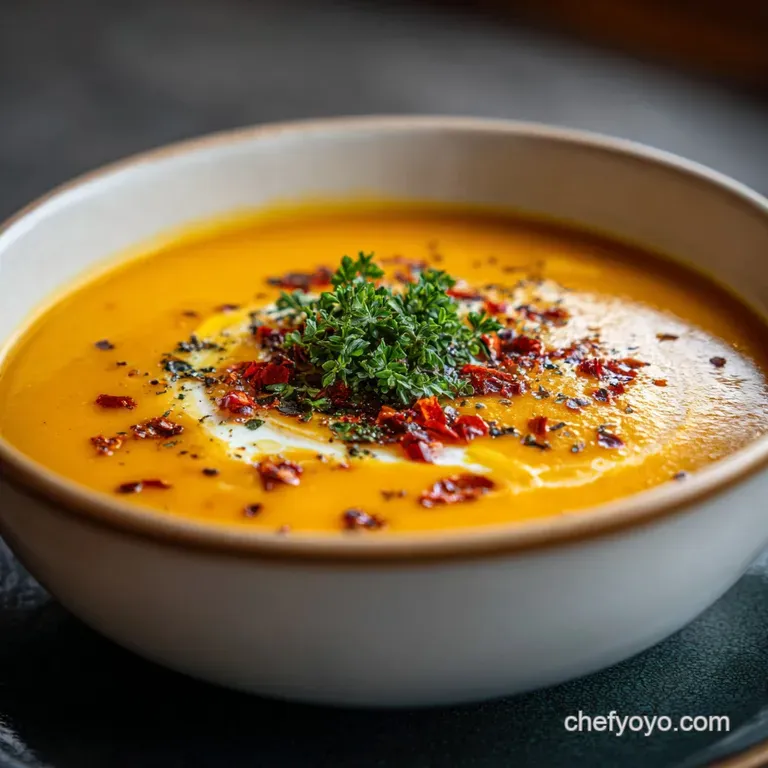
The key to a professional looking bowl is the contrast. Since the soup is very soft and sweet, you want toppings that are crunchy, salty, or creamy. I love a swirl of coconut milk on top followed by a handful of toasted pumpkin seeds (pepitas).
For a more substantial meal, serve this with a thick slice of toasted sourdough rubbed with a raw garlic clove. If you’re hosting a dinner party, a few fried sage leaves look stunning and add a concentrated herbal punch. If you're looking for a side that's a bit more decadent, this soup pairs perfectly with my Broccoli Casserole recipe.
Debunking Common Squash Soup Misconceptions
One major myth is that you need to use heavy cream to get a "creamy" soup. In reality, the high starch content of the butternut squash provides most of the body. The coconut milk is simply there to add fat for a better mouthfeel, but the squash does the heavy lifting for the texture.
Another misconception is that you should boil the squash in the broth from the start. As we discussed, roasting is non negotiable for flavor. Boiling might be faster, but you lose the chance to create those caramelized sugars that define a high-quality soup.
Searing the aromatics like ginger and garlic in oil before adding the liquid is what builds the "foundation" of the dish.

Recipe FAQs
What ingredients are in butternut squash soup?
Core ingredients include: Butternut squash, low sodium vegetable broth, full fat coconut milk, onion, garlic, fresh ginger, and apple cider vinegar.
The recipe emphasizes roasting the squash first to concentrate its natural sweetness before simmering it with the aromatics.
What are some common problems when making butternut squash soup?
The most common issues are: Flat flavor or grainy texture.
Flat flavor usually means a lack of acid or salt; fix this by adding more apple cider vinegar or salt to unlock the squash's sweetness. Graininess results from undercooked squash or not blending long enough on high speed.
What spices go into butternut squash soup?
The primary spices and aromatics are: Salt, pepper, and dried sage, complemented by fresh ginger.
Frying the dried sage briefly in oil before adding liquid helps "wake up" its essential oils for better flavor infusion.
What is the best broth for squash soup?
Low sodium vegetable broth is recommended. Using low sodium gives you total control over the final salt level.
While chicken broth works, vegetable broth keeps the flavor purely focused on the squash and spices. If you want to build deep savory notes, mastering techniques for stock building, similar to how we achieve depth in the Comforting Abondigas recipe, can enhance your base.
Is it true I must use heavy cream for a silky texture?
No, this is a common misconception. Full fat coconut milk achieves a lush texture effectively while keeping the soup dairy-free.
The squash's natural starches provide the primary body; the fat from the coconut milk acts as the emulsifier that delivers a rich mouthfeel when blended.
How to maximize the sweetness of the squash before blending?
Roast the cubed squash at a high temperature until the edges caramelize. Aim for 200°C (400°F) for 30 to 35 minutes.
This high heat application triggers the Maillard reaction, transforming starches into complex, nutty sugars, which is far superior to boiling.
Can I freeze leftover butternut squash soup?
Yes, this soup freezes very well for up to three months. Thaw overnight in the refrigerator before reheating.
The coconut milk may separate slightly upon thawing, so reheat gently on the stove and whisk vigorously to re-establish the smooth emulsion, similar to how you might restore a broken sauce base.
Butternut Squash Soup Recipe

Ingredients:
Instructions:
Nutrition Facts:
| Calories | 264 kcal |
|---|---|
| Protein | 3.0 g |
| Fat | 18.7 g |
| Carbs | 26.1 g |
| Fiber | 3.5 g |
| Sugar | 8.4 g |
| Sodium | 667 mg |
