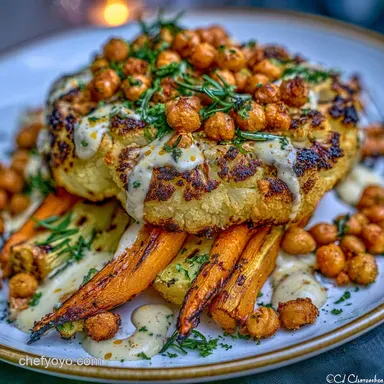
Tahini Veggie Bowl: Creamy and Roasted
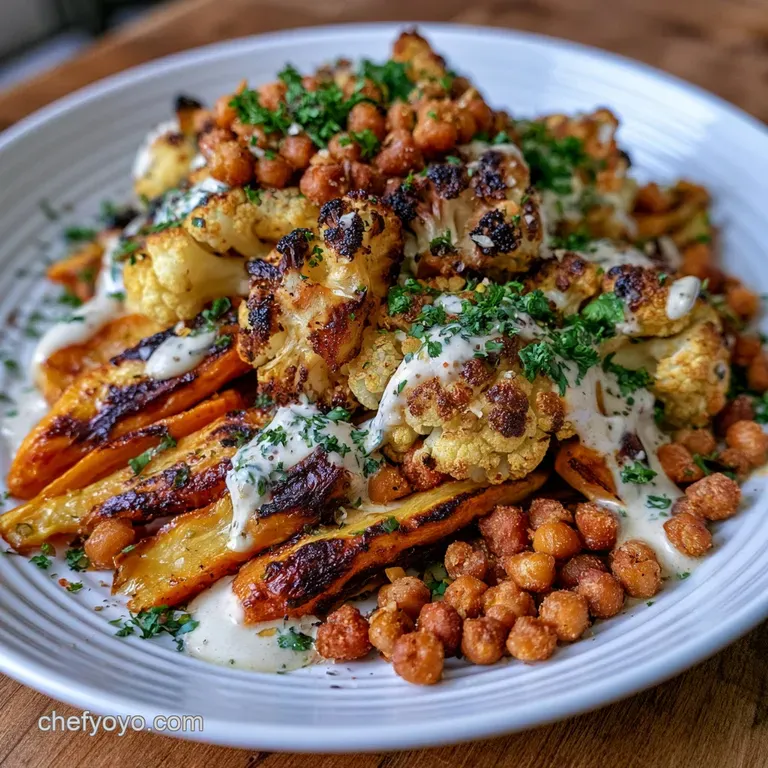
- Time:15 minutes active + 30 minutes cooking = 45 minutes total
- Flavor/Texture Hook: Velvety sauce paired with shattered crisp chickpeas
- Perfect for: Healthy weeknight dinners or Sunday meal prep
- Easy Tahini Veggie Bowl for Dinner
- Why These Flavors Just Click
- The Essential Component Analysis
- What You Need to Prep
- The Step-by-Step Assembly
- Fixing Common Bowl Blunders
- Troubleshooting Common Issues
- Tasty Twists and Swaps
- Adjusting the Batch Size
- Truths About Roasting and Grains
- Keeping Your Bowls Fresh
- Making Your Bowl Look Great
- High in Sodium
- Recipe FAQs
- 📝 Recipe Card
The smell of roasting cauliflower is one of those things that just makes a house feel like a home. It's that nutty, slightly toasted aroma that fills the kitchen right before dinner, signaling that something comforting is happening in the oven.
I remember the first time I tried a real Levantine style bowl in a tiny cafe in the city, and I was struck by how the tahini didn't just sit on top of the food, but actually tied the disparate textures of the grains and greens together.
For those who grew up in the Middle East, tahini is a lifeline, a staple that turns simple chickpeas or raw vegetables into a feast. It's a cultural bridge, bringing together the bitterness of sesame and the brightness of lemon.
I've spent a lot of time figuring out how to bring that specific balance into my own kitchen without needing a professional setup, and this version is the result.
You can expect a meal that feels rustic and grounded but tastes surprisingly fresh. This Tahini Veggie Bowl isn't about being fancy, it's about using heat and acid to make humble roots and cruciferous veg taste like something from a high end bistro. It's a plate of warmth and color that actually keeps you full.
Easy Tahini Veggie Bowl for Dinner
Right then, let's get into the "how" and "why" of this dish. When you're putting together a Tahini Veggie Bowl, the goal is to avoid the "sad salad" syndrome where everything tastes bland and wet. We want deep, charred edges on the carrots and a fluffy base of quinoa that doesn't clump together.
The beauty of this recipe is that it's incredibly forgiving. If you don't have a sweet potato, a butternut squash works just as well. If you're on a tight budget, you can use frozen cauliflower florets, just make sure to pat them dry before roasting so they don't steam in the oven.
Trust me on this, moisture is the enemy of the crunch.
But what about the sauce? That's where most people go wrong. Tahini can be temperamental, sometimes seizing up into a thick paste the moment you add lemon juice. We'll fix that with a little bit of warm water and some whisking. Once it hits that velvety state, it transforms the whole meal.
Why These Flavors Just Click
I'm always curious about why some combinations just work, and this one is a classic for a reason. It's all about balancing the heavy, fatty notes of the sesame with sharp acidity.
- The Acid Bridge: Lemon juice breaks down the heavy oils in the tahini, making the sauce feel light on the tongue rather than coating it.
- The Char Effect: High heat transforms the natural sugars in sweet potatoes and carrots into a caramelized crust, adding a smoky sweetness.
- Nutrient Synergy: The healthy fats in the tahini help your body actually absorb the vitamins from the roasted cauliflower and carrots.
- Grain Absorption: Cooking quinoa in broth instead of water ensures the base isn't tasteless, providing a savory foundation for the Tahini Veggie Bowl.
Before we dive into the ingredients, it's helpful to decide how you want to cook your vegetables. While the oven is my go to for the most flavor, some of you might prefer the stove.
| Method | Time | Texture | Best For |
|---|---|---|---|
| Oven Roast | 30 mins | Charred and concentrated | Maximum flavor and easy cleanup |
| Stovetop Sauté | 15 mins | Tender and juicy | When you're in a huge rush |
| Air Fryer | 12 mins | Extra crispy edges | Small batches and speed |
The Essential Component Analysis
I like to think of a Tahini Veggie Bowl as a construction project. You have your foundation, your structure, and your finish. Each part serves a specific purpose in the final bite.
| Ingredient | Science Role | Pro Secret |
|---|---|---|
| Raw Tahini | Fat & Emulsifier | Use a brand where tahini is the only ingredient for a cleaner taste |
| Quinoa | Complex Carb Base | Rinse thoroughly to remove saponins (the bitter coating) |
| Lemon Juice | pH Balancer | Always use fresh lemon; bottled juice lacks the bright, floral notes |
| Chickpeas | Protein & Texture | Pat them bone dry to ensure they shatter when you bite them |
If you love the idea of a roasted base, you might also enjoy my roasted veggie bowls which use a similar approach to layering flavors.
What You Need to Prep
Let's talk about the gear and the goods. I'm a big believer in using what you have, so don't feel like you need a fancy kitchen to make this happen. A basic rimmed baking sheet is the most important tool here.
The Produce & Pantry
- 1 lb sweet potato, cubedWhy this? Adds a creamy texture and natural sweetness
- 1 head cauliflower, cut into floretsWhy this? Great for catching the tahini sauce in the gaps
- 2 large carrots, sliced into coinsWhy this? Provides a bright color and earthy snap
- 1 can (15 oz) chickpeas, drained and patted dryWhy this? Adds plant based protein and a satisfying crunch
- 2 tbsp extra virgin olive oilWhy this? High smoke point for roasting and adds fruitiness
- 1 tsp smoked paprikaWhy this? Gives the veggies a wood fired, rustic aroma
- 1/2 tsp garlic powderWhy this? Even distribution of flavor compared to fresh garlic
- 1/2 tsp sea saltWhy this? Enhances all the natural flavors
- 1/4 tsp black pepperWhy this? A tiny bit of heat to balance the sweet potato
- 1 cup uncooked quinoaWhy this? Complete protein and a light, fluffy texture
- 2 cups vegetable brothWhy this? Infuses the grain with savory depth
- 1/2 tsp saltWhy this? Seasons the quinoa from the inside out
- 1/2 cup raw tahiniWhy this? The star of the show for that velvety finish
- 3 tbsp fresh lemon juiceWhy this? Cuts through the richness of the sesame
- 1 tbsp maple syrupWhy this? Balances the bitterness of the tahini
- 1 clove garlic, mincedWhy this? Adds a sharp, fresh punch to the sauce
- 4 tbsp warm waterWhy this? Thins the sauce without breaking the emulsion
- 1/4 tsp sea saltWhy this? Final seasoning for the dressing
Smart Ingredient Swaps
| Original Ingredient | Substitute | Why It Works |
|---|---|---|
| Quinoa | Brown Rice | Heartier texture. Note: Increases cooking time to 40 mins |
| Tahini | Almond Butter | Similar creaminess. Note: Lacks the specific sesame bitterness |
| Maple Syrup | Honey | Same sweetness. Note: Not vegan; slightly floral taste |
| Sweet Potato | Butternut Squash | Similar sugar content. Note: Cooks slightly faster |
I usually use a simple whisk for the sauce, but if you have a small blender, that works too. Just don't over process it or the sauce can become too thin.
The step-by-step Assembly
Right then, let's crack on with the actual cooking. This is where the magic happens. Make sure your oven is fully preheated before you put the tray in, or your vegetables will steam instead of roast.
- Preheat your oven to 400°F (200°C). Note: A hot oven is crucial for those charred edges.
- Toss the cubed sweet potatoes, cauliflower florets, sliced carrots, and drained chickpeas on a large rimmed baking sheet. Add the olive oil, smoked paprika, garlic powder, sea salt, and black pepper. Note: Use your hands to ensure every piece is coated in oil.
- Spread the vegetables in a single layer. Roast for 25-30 minutes, tossing them halfway through, until the edges are caramelized and the chickpeas are slightly crisp.
- Rinse your quinoa under cold water for 30 seconds. Note: This removes the bitter saponins.
- Combine the quinoa, vegetable broth, and salt in a pot. Bring it to a boil, then reduce to a simmer, cover, and cook for 15 minutes.
- Remove the pot from the heat and let it sit, covered, for 5 minutes until the liquid is fully absorbed and the grains are fluffy. Use a fork to gently fluff it.
- In a bowl, whisk together the tahini, lemon juice, maple syrup, minced garlic, and sea salt. Note: Don't panic if it looks thick or "broken" at first.
- Gradually whisk in the warm water until the dressing reaches a velvety, pourable consistency.
- Divide the cooked quinoa into four bowls, top with the roasted vegetables and chickpeas, and drizzle the sauce over the top.
Chef's Tip: To get the chickpeas extra crispy, roast them on a separate small tray for an extra 10 minutes. They tend to cook faster than the sweet potatoes, and this prevents them from getting soft.
Fixing Common Bowl Blunders
Even the best of us have days where the kitchen doesn't cooperate. For a Tahini Veggie Bowl, the most common issues are usually related to moisture and temperature.
Troubleshooting Common Issues
| Issue | Solution |
|---|---|
| Why Your Veggies Are Soggy | If your vegetables come out pale and soft rather than charred, you've likely crowded the pan. When vegetables are too close together, they release steam that stays trapped, essentially boiling them in |
| Why The Sauce Is Too Bitter | Some tahinis are naturally more bitter than others, especially if they are unhulled. If your sauce tastes too sharp or bitter, add an extra teaspoon of maple syrup or a pinch more salt. Salt actually |
| Why The Quinoa Is Mushy | Mushy quinoa usually happens when there's too much water or it's been overcooked. Stick to the 2:1 ratio of broth to quinoa and always let it rest for 5 minutes. That resting period allows the remaini |
Common Mistakes Checklist
- ✓ Did you pat the chickpeas dry before roasting?
- ✓ Is there enough space between the vegetables on the tray?
- ✓ Did you let the quinoa rest before fluffing?
- ✓ Is the tahini sauce smooth and pourable, not a paste?
- ✓ Did you use a rimmed baking sheet to catch the oil?
Tasty Twists and Swaps
Once you've mastered the basic Tahini Veggie Bowl, you can start playing with the flavors. The beauty of a bowl is that it's essentially a canvas.
The Mediterranean Twist Swap the smoked paprika for dried oregano and add some kalamata olives and crumbled feta on top. This version feels a bit more like a Greek feast and pairs beautifully with a side of hummus.
The Spicy Sriracha Kick Whisk a teaspoon of Sriracha or gochujang into the tahini dressing. The heat cuts through the creaminess of the sesame and gives the whole dish a modern, fusion feel. If you like it even spicier, I recommend trying my roasted zucchini and peppers as an addition to the bowl.
The Low Carb Swap If you're skipping grains, replace the quinoa with a bed of massaged kale or baby spinach. The heat from the roasted vegetables will slightly wilt the greens, creating a lovely texture.
The Protein Power Up While chickpeas are great, adding grilled tofu or a soft boiled egg can take this to the next level. For the tofu, press it for 20 minutes to remove excess water, cube it, and roast it right on the same tray as the vegetables.
Adjusting the Batch Size
Scaling a Tahini Veggie Bowl is pretty straightforward, but you can't just multiply everything by four and expect the same results. The physics of the oven change when you add more food.
Scaling Down (½ Batch) If you're just cooking for two, use a smaller baking sheet. You'll find the vegetables might roast about 20% faster because there's more air circulation. For the quinoa, use a smaller pot to prevent the broth from evaporating too quickly.
Scaling Up (2x-4x Batch) When doubling the recipe, do NOT double the spices exactly. Start with 1.5x the smoked paprika and garlic powder, then taste and adjust. Use multiple baking sheets - if you pile the vegetables high, you'll end up with steamed veg.
For the sauce, you can increase the liquids linearly, but add the warm water one tablespoon at a time until the consistency is right.
If you're doing a massive meal prep, I suggest roasting the vegetables in batches. It takes longer, but it ensures that every single piece of cauliflower gets that beautiful brown char.
Truths About Roasting and Grains
There are a few things people often tell you about veggie bowls that aren't actually true. Let's clear those up so you don't waste time on useless techniques.
One common myth is that you need to "seal" the vegetables by searing them in a pan before putting them in the oven. In reality, the high heat of a 200°C oven does all the work. Searing them first just adds extra dishes and doesn't significantly change the final flavor of the Tahini Veggie Bowl.
Another misconception is that quinoa must be soaked overnight to be digestible. While soaking can help some people, a thorough 30 second rinse under cold water is enough to remove the saponins for most of us. It's much more practical and gives you the same result.
Finally, some say you have to use an expensive "organic" tahini for the sauce to emulsify. That's simply not true. Any decent tahini will work as long as you use the warm water technique to thin it out.
Keeping Your Bowls Fresh
Because this dish has a few different components, storage is key. You don't want your crispy chickpeas to turn into rubbery pebbles.
Fridge Guidelines Store the roasted vegetables, the cooked quinoa, and the tahini dressing in three separate containers. The vegetables and quinoa will stay fresh for up to 4 days. Keep the dressing in a jar; if it thickens in the fridge, just stir in a teaspoon of warm water to loosen it back up.
Freezing Tips You can freeze the cooked quinoa for up to 3 months. I don't recommend freezing the roasted vegetables, as they lose their structural integrity and become mushy upon thawing. The tahini sauce also doesn't freeze well due to the oil content.
Zero Waste Ideas Don't throw away the cauliflower leaves! They are actually edible and roast up beautifully. Just toss them on the tray with the florets. They become crispy, like kale chips, and add a wonderful rustic touch to your Tahini Veggie Bowl.
Plus,, any leftover quinoa can be tossed into a morning omelet or used as a thickener for a vegetable soup.
Making Your Bowl Look Great
We eat with our eyes first, and a bowl can look like a mess or a masterpiece depending on how you layer it. The trick is to create "zones" of color and texture rather than mixing everything together.
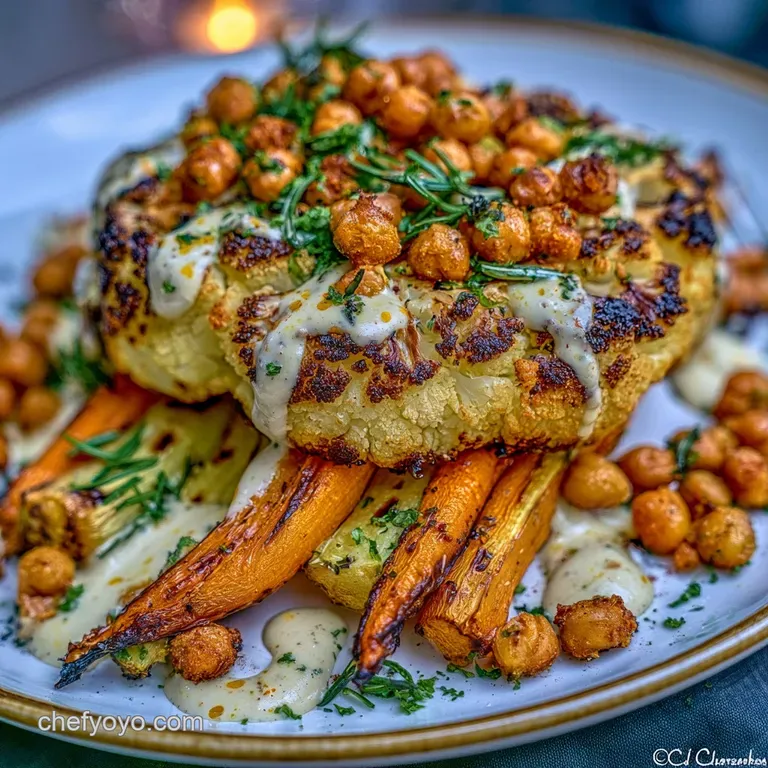
Start by placing a generous scoop of fluffy quinoa on one side of the bowl. Then, arrange the roasted sweet potatoes, carrots, and cauliflower in small clusters around the grain. Place the shattered crisp chickpeas right in the center for a focal point.
The final touch is the drizzle. Instead of just plopping the sauce in the middle, use a spoon to create a zig zag pattern across the entire bowl. This ensures every bite gets a bit of the velvety dressing without drowning the vegetables.
If you have some fresh parsley or sesame seeds, sprinkle them on top for a pop of green and a professional finish.
This Tahini Veggie Bowl is the kind of meal that proves you don't need expensive ingredients to make something that feels special. It's all about the process - the rinse of the grain, the char of the oven, and the slow whisking of the sauce.
Once you've got the rhythm down, you can make this a weekly staple that your body and your budget will love. Enjoy the crunch and the creaminess!
High in Sodium
1037 mg 1,037 mg of sodium per serving (45% 45% of daily value)
The American Heart Association recommends a daily sodium limit of 2,300 mg, with an ideal limit of 1,500 mg for most adults to reduce the risk of cardiovascular disease.
Tips to Reduce Sodium
-
Swap the Broth-30%
Replace the vegetable broth with low-sodium vegetable broth or water with a pinch of no-salt seasoning to significantly lower the base sodium content.
-
Limit Added Salt-25%
Omit or reduce the sea salt used for roasting the vegetables and cooking the quinoa; the other spices provide plenty of flavor.
-
Rinse the Chickpeas-20%
Thoroughly rinse the canned chickpeas under cold running water for 1-2 minutes to wash away excess sodium from the canning liquid.
-
Adjust the Dressing-15%
Remove the sea salt from the tahini sauce and increase the fresh lemon juice to provide a bright, acidic pop that mimics the taste of salt.
-
Enhance with Aromatics
Add fresh parsley or cilantro to the final dish to add depth and complexity without adding any sodium.
Recipe FAQs
How to roast the vegetables for this bowl?
Preheat your oven to 400°F (200°C). Toss cubed sweet potatoes, cauliflower, carrots, and chickpeas with olive oil and seasonings, then roast for 25 30 minutes until edges are caramelized.
How to assemble the bowl?
Divide the cooked quinoa into four bowls. Top each portion with the roasted vegetables and chickpeas, then drizzle the tahini dressing over the top.
Is it true that I must use a food processor for the dressing?
No, this is a common misconception. A simple bowl and whisk work perfectly to combine the tahini, lemon juice, maple syrup, garlic, and salt into a smooth sauce.
How to adjust the consistency of the tahini sauce?
Gradually whisk in warm water. Add the water one tablespoon at a time until the dressing reaches your preferred creamy, pourable consistency.
What seasonings are best for these roasted vegetables?
Use smoked paprika, garlic powder, sea salt, and black pepper. This blend provides a smoky, savory contrast to the natural sweetness of the roasted carrots and sweet potatoes.
How to meal prep this bowl for the week?
Store the cooked quinoa and roasted vegetables in airtight containers. Keep the tahini dressing in a separate jar and drizzle it on just before serving to keep the vegetables from becoming soggy.
Can I use a different dip for this bowl?
Yes, any creamy or zesty sauce works well. If you enjoyed balancing the acidity and richness here, see how the same principle works in our poke bowl sauces.
Creamy Tahini Veggie Bowl