The Golden Ratio Thickcut French Toast Crispy Edges Custardy Centre
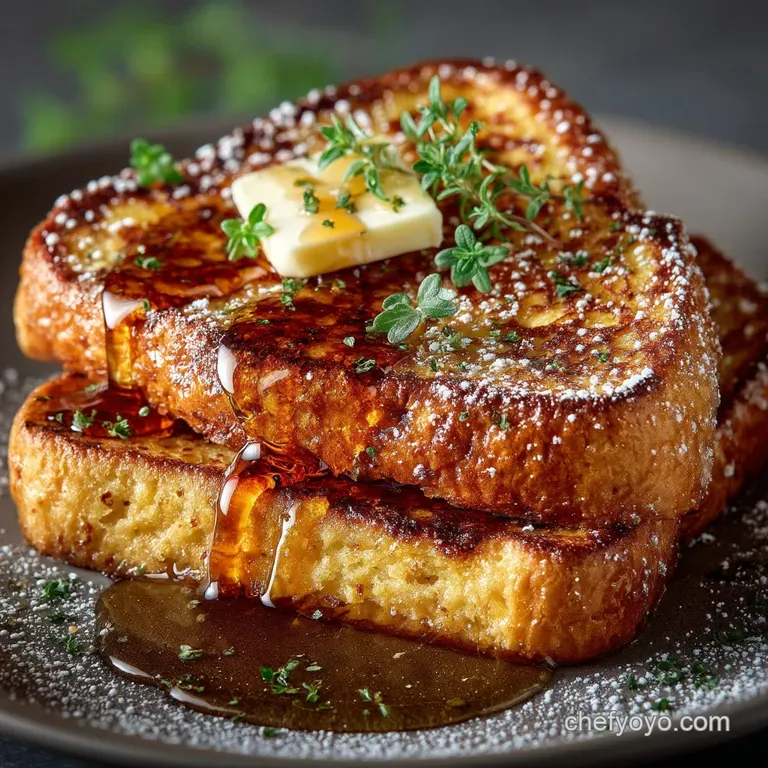
- Ditching the Diner Dross: Why This Custard Soak Changes Everything
- The Quest for the Ultimate Weekend Breakfast Centerpiece
- Assembling the Pantheon of Flavor: What You Actually Need
- The Custard Immersion Protocol: Achieving Perfect Saturation
- Mastering the Sizzle: Techniques for Flawless Pan-Frying
- Beyond Maple: Inspired Topping Combinations for Your French Toast
- Troubleshooting and Keeping Your Masterpiece Warm
- Recipe FAQs
- 📝 Recipe Card
Ditching the Diner Dross: Why This Custard Soak Changes Everything
If your experience with French Toast has been defined by slices of bread quickly dragged through watery egg wash, emerging pale and slightly flabby, then I am here to tell you that you have been living a lie.
True French Toast —the kind that merits a weekend morning celebration is less about dipping bread and more about creating a rich, silken custard capable of transforming humble carbohydrates into something utterly luxurious.
Our goal today is simple: achieve that elusive balance where the exterior shatters with a delightful crispness, while the interior remains deeply creamy and flavour saturated. This Best French Toast Recipe is the method that finally unlocks that perfection.
The Quest for the Ultimate Weekend Breakfast Centerpiece
Transforming bread into gold requires understanding the fundamental chemistry at play. We aren't just flavouring the outside; we are engineering a textural transformation from the inside out.
This isn't about speed; it's about precision that delivers an Awesome French Toast experience every single time.
Defining 'Proper Crumpet' Standards for Your Morning Meal
The British term "crumpet" isn't strictly accurate here, but the spirit holds: we demand a substantial product. For this French Toast Recipe , we are using 8 slices of bread, aiming for four generous servings.
The secret weapon is the bread's thickness aim for slices that are approximately one inch thick. While we call this the 'Golden Ratio' toast, it's actually a slightly sweet, vanilla infused custard base designed to soak deeply without dissolving the bread's structure. The ideal bread choice?
Rich, slightly dry Brioche or Challah, as their inherent structure and fat content hold up beautifully to the soaking process.
The Philosophy Behind Non-Soggy French Toast Construction
The number one mistake people make is treating the soak like a quick dip. To achieve that Creamy French Toast centre without the dreaded soggy bottom, you must respect the bread's absorbency rate.
Over saturation means the moisture pool overwhelms the gluten structure, leading to an undercooked, heavy middle when heated. We want the custard to permeate the bread evenly, which requires patience a controlled soak time is crucial, something we will explore thoroughly below.
Why Thickness Matters When Preparing Your French Toast Slices
When working with standard, thin sandwich bread, you are fighting an uphill battle. Thicker slices provide necessary insulation. They allow the heat to caramelise the exterior sugars (creating that essential crispness) before the internal temperature rises high enough to fully set the egg proteins throughout the core.
This buffer zone is non-negotiable for true breakfast mastery. If you only have thin bread, slice it diagonally and slightly under soak it.
Assembling the Pantheon of Flavor: What You Actually Need
The ingredients for this Easy French Toast Recipe are humble, but their quality and precise measurement are what separate the mediocre from the magnificent. Remember, we are making 4 servings (8 slices).
The Essential Dairy and Egg Ratio for Supreme Creaminess
For the perfect soak, we combine 4 large eggs with 1 cup (240 ml) of whole milk or, if you want to push the decadence envelope, half and-half. Room temperature eggs emulsify much more easily into the milk, creating a smoother, streak free custard base.
The ratio ensures that there is enough protein to set beautifully during cooking, yielding that hallmark creamy texture without relying solely on cream.
Must Have Spices: Elevating Vanilla Beyond the Basics
To sweeten this mixture, we incorporate 2 tablespoons of granulated sugar and, crucially, 1 teaspoon of pure vanilla extract. But here is where we elevate the standard: we blend in 1/2 teaspoon of ground French Toast Cinnamon for warmth, a small pinch of fine sea salt to balance the sweetness, and a surprisingly bright addition the zest of half a lemon (about 1/2 teaspoon).
This zest provides a subtle high note that cuts through the richness, preventing the final product from tasting too heavy.
Tools of the Trade: Essential Cookware for a Golden Finish
You will need a wide, shallow dish a pie plate works perfectly to accommodate the bread during the soak. For cooking, a large, heavy bottomed skillet or flat griddle is essential for even heat distribution.
Finally, for that superior golden crust, we forgo plain butter alone; instead, we rely on 2 tablespoons of clarified butter (or a mix of butter and a high heat oil) to achieve the perfect, non-burning sear.
Related Recipes Worth Trying
- The FullBodied Brew How to Master French Press Coffee — Learn the foolproof French Press Coffee brewing steps for an unbeatably rich velvety cup Nail the ratio and grind size for perfect immersion brewing every time
- French Press Coffee Preparation Foolproof Guide for Rich Brew — Master French Press Coffee Preparation in under 6 minutes Learn the best French press coffee recipe for a fullbodied velvety cuppa Easy French Press Coffee...
- The Ultimate Caramelised French Onion Soup Recipe Bistro Style — Master the Best French Onion Soup at home This rich recipe guarantees deeply savoury broth and perfectly melted Gruyère Get the foolproof steps now
The Custard Immersion Protocol: Achieving Perfect Saturation
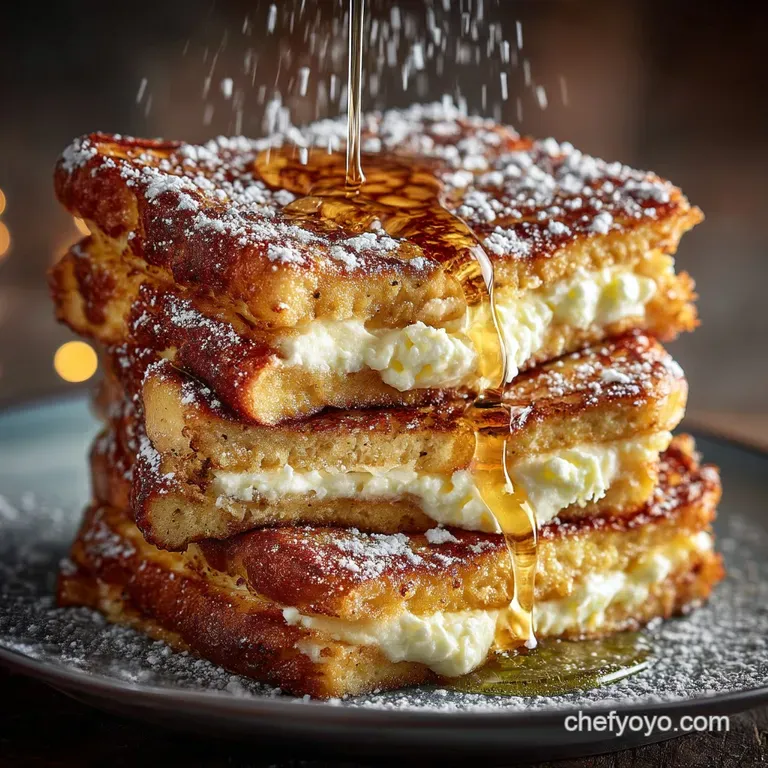
This step is arguably the most critical phase in How To Make Good French Toast . The goal is not to drench the bread entirely, but to allow the liquid to migrate inward, swelling the starches just enough to create tenderness.
Once the custard is thoroughly whisked, place 1 2 slices of your thick cut bread into the mixture. For 1 inch thick Brioche, allow the first side to soak for about 30 to 45 seconds. Flip immediately and allow the second side to soak for the exact same duration.
You should see the bread visibly firm up and darken slightly, indicating absorption. Lift the slice carefully, holding it horizontally for a moment over the dish to allow excess liquid to drip away before placing it onto a clean wire rack while you prepare the next batch.
Allowing the soaked slices to rest for 5 minutes on the rack helps redistribute any surface moisture deeper into the slice, which is a pro-tip for achieving that Crispy French Toast edge without a wet core.
Mastering the Sizzle: Techniques for Flawless Pan-Frying
With the bread prepped, the next focus is thermal management. Rushing this final step leads to pale, oily disappointment.
Whisking the Batter: Ensuring Homogenous Flavor Distribution
Before heating the pan, give your custard one final, brisk whisk. Even with careful initial mixing, spices like cinnamon can settle at the bottom. We need every molecule of bread to encounter that perfect balance of egg, milk, spice, and zest.
The Soaking Window: How Long is Long Enough (and Too Long)?
As established, for these substantial slices, 30 45 seconds per side is the maximum recommended immersion time. If you are using a thinner bread or are perhaps attempting a French Toast Bake adaptation where the bread is submerged for hours, the technique changes entirely, but for skillet cooking, less is always more for that perfect texture contrast.
Heat Management Secrets for That Deep Golden Brown Exterior
Preheat your griddle or skillet over medium heat. Add half of your clarified butter or fat mixture. Wait until the fat is melted and shimmering it should foam slightly, perhaps even developing a light nut-brown colour, but stop before it smokes aggressively.
Place the soaked slices onto the hot surface, ensuring they are not touching. Cook undisturbed for 3 to 4 minutes. You should see the edges beginning to turn a deep, rich brown.
Use a sturdy spatula to gently press down once or twice during cooking; this maximizes surface contact and promotes an even, golden crust. Flip and repeat the process until the second side matches the first in colour and the interior feels firm, not jiggly.
Beyond Maple: Inspired Topping Combinations for Your French Toast
While pure maple syrup poured over a knob of salted butter is the gold standard, sometimes you crave innovation. To complement the brightness introduced by the lemon zest in our custard, consider fresh, sharp fruit.
A homemade blueberry balsamic reduction or thinly sliced, quick macerated strawberries provide acidity that balances the richness of the Creamy French Toast perfectly. For texture, a sprinkle of toasted pecans or walnuts adds a welcome crunch against the soft interior.
Troubleshooting and Keeping Your Masterpiece Warm
Inevitably, if you are cooking for a crowd, the first batch is ready long before the last. Never serve lukewarm French Toast . The best strategy is to place cooked slices directly onto a wire rack set over a baking sheet in an oven preheated to the lowest setting (around 170° F or 75° C).
This keeps them warm and crisp until the entire batch is complete.
Freezing and Reheating Strategies for make-ahead Brilliance
If you wish to prepare ahead perhaps for a holiday morning where you want minimal active cooking time you can absolutely plan a French Toast Bake style experience in your skillet. Cook the toast completely as directed.
Once cooled slightly, lay the slices in a single layer on a parchment lined sheet pan and freeze until solid. Transfer the frozen slices to a zip-top bag. To reheat, simply toast them directly from frozen in a toaster oven or under the broiler for a few minutes per side until heated through and re-crisped.
Variations: Introducing Citrus Zest or Brown Butter Notes
To shift the flavour profile entirely, consider swapping the lemon zest for orange zest, which pairs beautifully with a light dusting of powdered sugar. Alternatively, take your cooking fat one step further: instead of clarified butter, melt your butter slowly in the pan until the milk solids toast to a deep hazelnut brown (brown butter).
Cooking the toast in this nutty medium imparts an incredible depth that transforms the final product into something truly unforgettable.
Nutritional Snapshot: Understanding the Energy Behind This Feast
This French Toast Recipe is designed to be substantial it’s weekend fuel, not a light snack. Given the use of richer bread like Brioche and the fat required for frying, expect this dish to provide significant energy.
The protein from the eggs ensures satiety, while the carbohydrates provide quick fuel. While certainly decadent, understanding the component parts helps in planning a balanced meal around it, perhaps pairing it with fresh berries or lean protein sources.

Recipe FAQs
Why is my French Toast soggy in the middle?
Ah, the dreaded soggy bottom! This is almost always down to two things: either you’ve over soaked the bread, or your cooking heat is too low. For thick cut bread like brioche, aim for about 45 seconds per side soak just enough for the custard to penetrate without saturating the centre.
Make sure you cook it on medium heat so the outside crisps nicely while the inside sets properly.
What is the absolute best bread to use for proper French Toast?
You want something substantial, mate, not your standard supermarket sandwich loaf. Brioche or Challah are the absolute champions because their high egg and butter content makes them rich and sturdy enough to handle the custard bath.
Slightly stale bread (a day old) is actually ideal, as it soaks up the liquid without disintegrating.
Can I prepare the custard mix ahead of time, and how long does the leftover French Toast last?
Yes, the custard mix is fantastic to make-ahead; keep it covered in the fridge for up to three days it’s ready whenever the craving strikes! However, the cooked French Toast itself is best eaten immediately.
Leftovers can be stored in an airtight container in the fridge for two days, though they will lose that lovely crispy edge.
My toast keeps sticking to the pan what am I doing wrong with the fat?
If it’s sticking, your pan probably isn't hot enough, or you aren't using enough fat. For truly glorious results, use clarified butter (ghee) or a mix of butter and a high smoke point oil.
Butter alone tends to burn quickly, leading to uneven cooking and sticking we want golden perfection, not burnt offerings!
I'm trying to make this healthier can I substitute the milk or eggs in the French Toast recipe?
You can certainly try to lighten things up! Swap whole milk for skimmed milk or unsweetened almond milk, though the richness will decrease slightly. For the eggs, you can reduce the number slightly if you use a richer milk like half and-half, but keep at least 3 large eggs for every cup of liquid to ensure the custard binds correctly and sets when cooked.
How do I reheat leftover French Toast without turning it into rubber?
Don't you dare put it in the microwave; that’s a surefire way to ruin the texture! The best method is using an oven or toaster oven. Spread the slices on a wire rack set over a baking sheet and heat at about 350°F (175°C) for 8 10 minutes until warmed through and slightly crisp again.
Give it a quick blast under the grill (broiler) for 30 seconds if you want that fresh crunch back.
Crispy Custardy French Toast
Ingredients:
Instructions:
Nutrition Facts:
| Calories | 901 kcal |
|---|---|
| Protein | 9.2 g |
| Fat | 33.0 g |
| Carbs | 102.7 g |
| Fiber | 14.9 g |
| Sodium | 224 mg |
