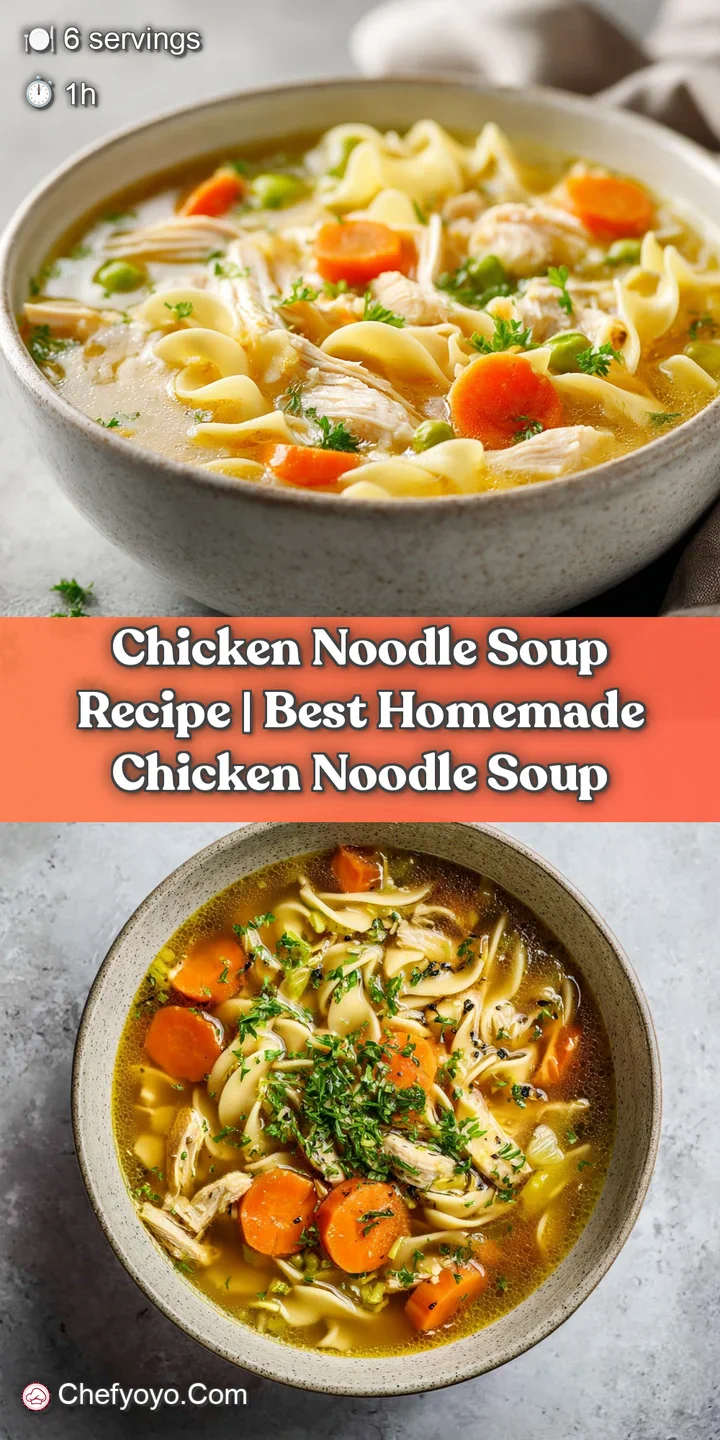
Golden Chicken Noodle Soup: Deeply Savory and Clear
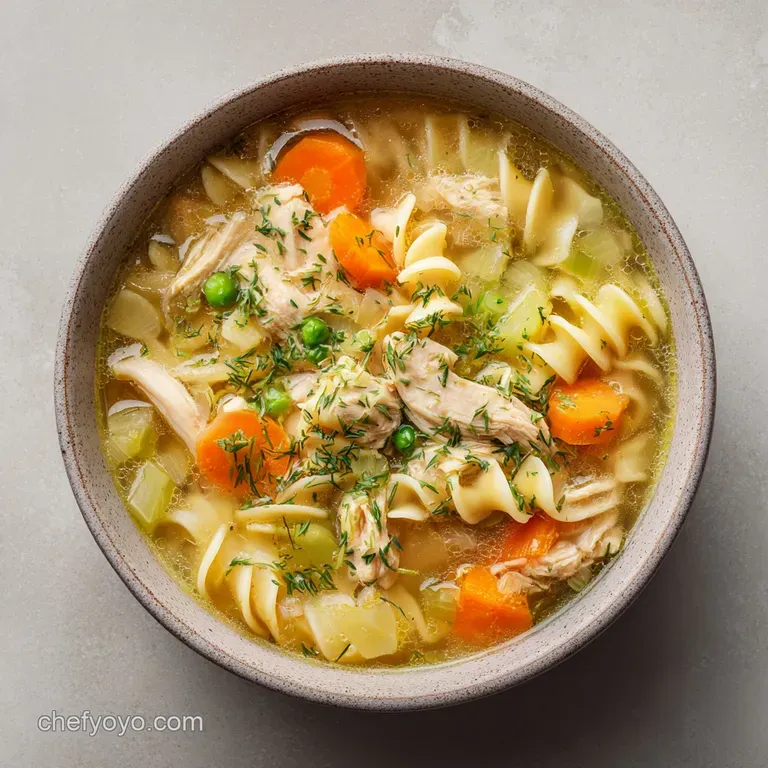
- Time: Active 15 minutes, Passive 45 minutes, Total 60 minutes
- Flavor/Texture Hook: Silky broth with tender, shredded chicken and al dente ribbons.
- Perfect for: Cold winter nights, soothing a scratchy throat, or a reliable Sunday meal prep.
- Master the Classic Chicken Noodle Soup Recipe
- The Secret to a Velvety Base
- Component Analysis for Better Broth
- Ingredients and Practical Substitutes
- Minimal Gear for Maximum Flavor
- Mastering the One Pot Simmer
- Fixing Your Soggy Noodle Woes
- Creative Twists on the Classic
- Freezing and Reviving Your Soup
- What to Serve With Soup
- CRITICAL Sodium Alert
- Recipe FAQs
- 📝 Recipe Card
Master the Classic Chicken Noodle Soup Recipe
The kitchen is quiet until that first knob of butter hits the heavy bottom of the Dutch oven. It starts with a gentle foam, then that unmistakable sizzle as the diced onions and carrots slide in.
Within minutes, the air fills with that sweet, savory scent of a mirepoix sweating down, a smell that instantly makes the house feel like a home. I remember making this during a particularly nasty flu season three years ago.
I was exhausted, but the rhythmic chopping of the celery felt grounding, and the steam rising from the pot acted like a natural facial for my congested sinuses.
This is the kind of cooking that doesn't demand perfection, but it does reward patience and a few clever techniques. We aren't just boiling things in a pot; we're layering flavors.
We want the onions to turn translucent and sweet, the garlic to perfume the oil without ever turning bitter, and the chicken to release its collagen into the liquid. It's a simple process, but when you see those golden droplets of fat shimmering on the surface of the broth, you know you've done it right.
There’s something deeply satisfying about pulling a whole, tender chicken thigh out of the liquid and watching the meat just fall away from the bone with the slightest nudge of a fork.
You don't need a pantry full of exotic spices or a collection of high tech gadgets to pull this off. This is honest, practical cooking that focuses on the ingredients doing the heavy lifting. We use bone in thighs because they provide the body and depth that a boneless breast simply can't touch.
We boil the noodles separately because we've all been victim to that "noodle bloat" where the pasta drinks up all the precious liquid and leaves you with a gummy casserole instead of a soup.
Trust me, once you follow these steps, you’ll never go back to the canned stuff or those watery versions you find at most diners.
The Secret to a Velvety Base
The reason this chicken noodle soup recipe works so well isn't magic; it's basic kitchen logic and a bit of heat management. When we use bone in thighs, we are essentially making a "short stock" while the soup cooks.
The marrow and connective tissue in the bones break down, adding a silky mouthfeel that coats your tongue. If you use boneless meat, you miss out on that velvety texture that makes a soup feel truly nourishing.
- Fat Extraction: Searing the aromatics in butter creates a flavorful fat base that carries the scent of the thyme and rosemary throughout the entire 1.9L of liquid.
- Osmosis Control: Adding the salt early to the vegetables draws out their moisture, concentrating their natural sugars so they don't taste washed out after simmering.
- Starch Management: Boiling the egg noodles in a separate pot prevents the excess flour on the pasta from thickening and clouding your beautiful golden broth.
- Acid Brightness: The final addition of lemon juice cuts through the heavy animal fats, waking up the palate and highlighting the earthy herbs.
| Servings | Ingredient Adjustments | Pan Size | Cook Time |
|---|---|---|---|
| 2 people | 300g chicken, 600ml stock | 2 quart pot | 40 minutes |
| 6 people | 900g chicken, 1.9L stock | 6 quart Dutch oven | 60 minutes |
| 12 people | 1.8kg chicken, 3.8L stock | 10 quart stockpot | 75 minutes |
Choosing the right vessel is just as important as the ingredients. A heavy bottomed Dutch oven, like a Staub or Lodge, distributes heat evenly, preventing the bottom of your soup from scorching while the top is still barely lukewarm.
This even heat helps the 900g of chicken thighs cook at a consistent rate, ensuring the meat is tender enough to shred but not so overcooked that it turns into dry strings.
Component Analysis for Better Broth
When we talk about soup, every element has a job to do. It isn't just about throwing things in a pot and hoping for the best. Understanding why we use specific ingredients helps you become a more intuitive cook. If you're in the mood for something even thicker, my Chicken and Noodles Recipe is basically this soup's creamy cousin, focusing more on a gravy like sauce than a clear broth.
| Ingredient | Science Role | Pro Secret |
|---|---|---|
| Bone in Thighs | Provides gelatin and fat | Keep the skin on during the simmer for extra flavor, then discard it during shredding. |
| Yellow Onion | Sulfur compounds for depth | Dice them small so they melt into the background of the broth. |
| Fresh Thyme | Volatile oil infusion | Tie the sprigs with kitchen twine so you can fish them out easily later. |
| Lemon Juice | PH balance and brightness | Always add this at the very end; heat can dull the fresh citrus notes. |
The choice of liquid is the most frequent place where home cooks stumble. If you use a low quality, salty stock, your final dish will taste like a salt lick. Always look for "low sodium" or "unsalted" versions so you have total control over the seasoning.
Better yet, if you have some homemade stock in the freezer, this is the time to use it. The 1.9L of stock is the canvas for your soup, so make sure it's a good one.
Ingredients and Practical Substitutes
This list is designed for the practical home cook who wants high-quality results without a trip to three different specialty stores. We use 225g of wide egg noodles because they have that nostalgic, crinkly texture that holds onto the broth.
- 2 tbsp (28g) Unsalted butter: Provides a richer flavor than oil. Why this? Butter carries the aromatic compounds of the garlic and herbs more effectively.
- Sub: 2 tbsp Olive oil (Lighter flavor, higher smoke point).
- 1 large (150g) Yellow onion: The savory backbone. Why this? Yellow onions have a high sugar content that caramelizes beautifully.
- Sub: White onion or 2 large shallots for a milder, sweeter profile.
- 3 large (150g) Carrots: Adds sweetness and color. Why this? Carrots provide a structural crunch that holds up during the simmer.
- Sub: Parsnips (Adds an earthy, spicy undertone).
- 2 stalks (100g) Celery: Provides the essential "green" note. Why this? Celery contains natural nitrates that enhance the savory taste of the chicken.
- Sub: Fennel bulb (Adds a subtle anise sweetness).
- 2 lbs (900g) Bone in, skinless chicken thighs: The source of all flavor. Why this? Dark meat stays moist and the bones provide essential gelatin.
- Sub: Bone in chicken breast (Cook 10 minutes less to avoid dryness).
- 8 cups (1.9L) Chicken stock: The liquid body. Why this? Pre made stock saves hours of work while providing a consistent base.
- Sub: 8 cups water plus 4 tbsp high-quality chicken base (like Better Than Bouillon).
- 8 oz (225g) Wide egg noodles: The classic comfort texture. Why this? Egg noodles are sturdier and more porous than standard pasta.
- Sub: Rotini or Pearl Barley (Note: Barley takes 40 minutes to cook).
For another cozy bowl that uses similar aromatics but a different protein, try my Proper Homemade Chicken Soup. It's a great way to see how slight variations in technique can change the soul of a dish.
Minimal Gear for Maximum Flavor
You really don't need much to make a world class soup. The beauty of this recipe is its simplicity. I’ve made this in a tiny apartment kitchen with one burner and a dull knife, and it still tasted like a million bucks.
- 6 quart Dutch oven: This is the MVP. It holds heat well and is large enough to prevent the 1.9L of stock from splashing over the sides.
- Sharp Chef's Knife: Essential for getting those 1/4 inch celery crescents and finely diced onions. Consistency in size means consistency in cooking.
- Tongs: For fishing out the 900g of chicken thighs without burning your fingers or splashing hot broth.
- Medium Saucepan: Specifically for the noodles. We want them in their own salted water environment.
- Box Grater (Optional): If you’re in a rush, you can grate the carrots instead of slicing them. It changes the texture but saves about 5 minutes of prep time.
Chef's Note: If you don't have a Dutch oven, any large, heavy pot will do. Just avoid thin stainless steel pots if possible, as they have "hot spots" that can burn the garlic and onions before they have a chance to soften.
Mastering the One Pot Simmer
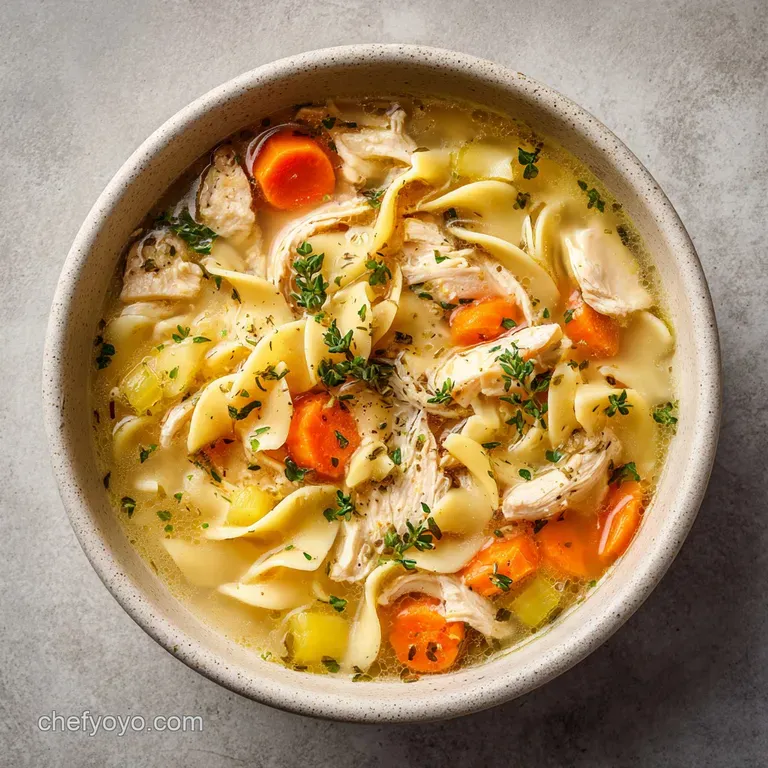
- Melt the 28g of butter in your Dutch oven over medium heat until it foams and smells slightly nutty.
- Add the 150g yellow onion, 150g carrots, and 100g celery to the pot. Sauté for 6–8 minutes until the onions are translucent and the carrots are slightly flexible. Note: This creates the aromatic foundation.
- Stir in the 4 cloves of minced garlic and cook for 60 seconds until the sharp raw scent disappears and it becomes fragrant.
- Carefully nestle the 900g of bone in chicken thighs into the vegetables and pour in the 1.9L of chicken stock.
- Add the rosemary, thyme, and 2 bay leaves. Bring the pot to a gentle boil until you see large bubbles breaking the surface.
- Immediately drop the heat to low and cover. Simmer for 25–30 minutes until the chicken registers 165°F (74°C) and the meat pulls easily from the bone.
- While the soup simmers, boil the 225g of egg noodles in a separate pot of salted water until they are tender but still have a slight bite.
- Drain the noodles and toss them with a tiny drop of oil to prevent sticking; do not add them to the big pot yet.
- Remove the chicken and herbs. Shred the meat into bite sized pieces, discarding the bones and stems, then slide the meat back into the broth.
- Stir in the fresh parsley and 1 tbsp of lemon juice. Ladle the soup into bowls over a generous pile of the cooked noodles.
Fixing Your Soggy Noodle Woes
Nothing ruins a great chicken noodle soup recipe faster than mushy, bloated pasta. It’s a tragedy I’ve seen happen to the best of us. Usually, it happens because the noodles are left to sit in the hot broth for hours, where they continue to absorb liquid until they lose all structural integrity.
If Your Broth is Bland
Sometimes the broth just lacks that "oomph." This usually happens if the stock was low quality or if the chicken didn't release enough fat. The solution is simple: salt. But before you reach for the salt shaker, try adding a teaspoon of soy sauce or a splash of fish sauce.
It sounds crazy, but the umami in those ingredients deepens the chicken flavor without making it taste like Asian cuisine.
If the Broth is Cloudy
Cloudy broth is usually a sign of a "rolling boil" that lasted too long. When a soup boils aggressively, the fats and proteins emulsify into the liquid, making it opaque. To keep it clear, keep the simmer gentle think "lazy bubbles." If it’s already cloudy, don't worry!
It still tastes the same, it just won't have that crystalline, "jewel toned" look.
| Problem | Root Cause | Solution |
|---|---|---|
| Greasy surface | Excess chicken fat | Skim the top with a wide spoon or chill and lift off the hardened fat. |
| Tough chicken | Undercooked or boiled too hard | Simmer longer at a lower temperature; check internal temp is 165°F (74°C). |
| Disappearing broth | Noodles cooked in soup | Cook noodles separately and add them only when serving to each bowl. |
Common Mistakes Checklist
- ✓ Never boil the soup aggressively; a gentle simmer keeps the meat tender and the broth clear.
- ✓ Don't skip the lemon juice at the end; it's the difference between a "flat" soup and a "vibrant" one.
- ✓ Always use bone in thighs; breasts will dry out and won't give you that silky broth texture.
- ✓ Keep the noodles separate if you plan on having leftovers, otherwise, they will turn into mush overnight.
- ✓ Ensure you remove the woody stems of the rosemary and thyme before serving to avoid "pine needle" surprises.
Creative Twists on the Classic
While the traditional version is hard to beat, sometimes you want to mix things up. The beauty of this chicken noodle soup recipe is its adaptability. You can take the base and push it in several different directions depending on what's in your pantry.
- If you want a creamy finish: Stir in 120ml of heavy cream or full fat coconut milk at the very end. It transforms the broth into something much richer and more indulgent.
- If you want a spicy kick: Sauté a diced jalapeño with the onions and add a teaspoon of grated ginger. It’s a fantastic way to clear your sinuses if you’re feeling under the weather.
- If you want a heartier meal: Add 200g of diced potatoes or a can of drained white beans when you add the stock. This turns the soup into more of a meal in-a bowl that can stand up to the biggest appetites.
| Method | Time | Texture | Best For |
|---|---|---|---|
| Stovetop (Classic) | 60 mins | Clear, silky broth | The gold standard for flavor. |
| Instant Pot | 35 mins | Deeply infused meat | Busy weeknights when you're short on time. |
| Slow Cooker | 6 hours | Fall apart chicken | Hands off cooking for a busy Sunday. |
The Instant Pot method is particularly useful if you're using frozen chicken. You can sauté the veggies right in the pot, then pressure cook everything for 15 minutes.
Just remember that the broth won't be quite as clear as the stovetop version because the high pressure tends to emulsify the fats.
Freezing and Reviving Your Soup
If you're smart, you'll make a double batch of this. Soup is one of those rare things that actually tastes better the next day because the flavors have time to mingle and "get to know each other." However, there are some rules to follow if you want it to taste fresh two months from now.
Storage: Keep the soup in an airtight container in the fridge for up to 3 days. The most important thing is to store the noodles in a separate container or bag. If you mix them, the noodles will drink all your broth, and you'll be left with a very soggy pasta dish by tomorrow morning.
To reheat, just bring the broth and chicken to a simmer on the stove and drop in your cold noodles for 30 seconds to warm through.
Freezing: This soup freezes beautifully minus the noodles. Pour the cooled broth and chicken into freezer safe bags, squeeze out the air, and lay them flat. They’ll stay good for up to 3 months.
When you're ready to eat, thaw the bag in the fridge overnight, then heat it on the stove while you boil a fresh batch of egg noodles.
Zero Waste: Don't throw away those chicken bones! If you have the time, you can put the discarded bones back into a pot with some water and vegetable scraps (onion skins, celery tops) and simmer them for another 2 hours.
You'll end up with a "bonus" stock that you can freeze for your next soup. It's a great way to squeeze every bit of value out of your 900g of chicken.
What to Serve With Soup
While a bowl of this chicken noodle soup recipe is a complete meal on its own, a few side dishes can really round out the experience. You want something that offers a textural contrast to the soft noodles and tender chicken.
- The Crunchy Sidekick: A piece of crusty sourdough or a warm baguette is non negotiable for me. You need something to soak up the last few drops of that golden liquid at the bottom of the bowl.
- The Fresh Balance: A simple green salad with a sharp vinaigrette helps cut through the richness of the chicken fat and butter. Think arugula with a bit of lemon and parmesan.
- The Modern Shortcut: If you're really in a rush, a handful of saltine crackers or oyster crackers adds that nostalgic crunch that reminds us all of being kids.
| Fresh Approach | Shortcut Method | Flavor Impact | Savings |
|---|---|---|---|
| Whole Thighs | Rotisserie Chicken | Fresh has better broth | Saves 20 mins |
| Fresh Herbs | Dried Herbs (1 tsp) | Fresh is more vibrant | Saves $4-5 |
| Hand cut Carrots | Pre cut Mirepoix | Hand cut is crisper | Saves 10 mins |
One of the biggest myths in the kitchen is that you have to sear the chicken before adding the liquid to "seal in the juices." In reality, searing is for flavor (the Maillard reaction), but in a soup, the gentle poaching method actually keeps the meat much more moist.
By simmering the chicken directly in the stock, the meat absorbs the flavors of the thyme and rosemary, while the bones give back that essential gelatin to the broth.
Another common misconception is that you need to cook the soup for hours to get good flavor. While a long simmer is great for a thick beef stew, chicken is much more delicate. After about 45 minutes, the chicken meat starts to lose its structural integrity and can become "mealy" or dry, even while submerged in liquid.
Stick to the 25 30 minute simmer for the thighs, and you'll be rewarded with perfectly juicy, tender shreds every single time. It's the practical way to get a gourmet result without wasting your whole afternoon.
CRITICAL Sodium Alert
1165 mg 1165 mg of sodium per serving (51% 51% of daily value)
The American Heart Association recommends limiting sodium intake to less than 2,300 mg per day, with an ideal limit of no more than 1,500 mg per day for most adults.
Tips to Reduce Sodium in Your Chicken Noodle Soup
-
Choose Low-Sodium Chicken Stock-30%
The largest sodium contributor is likely the chicken stock. Switch to a low-sodium or no-salt added chicken stock to significantly cut down on sodium. You can add back flavor with herbs and spices instead of salt.
-
Halve the Added Salt-25%
Reducing the added sea salt is a straightforward way to lower sodium. Start with just 3/4 teaspoon of sea salt and taste before adding more. You can always add a pinch at the end if needed.
-
Boost Flavor with Herbs and Spices
Amplify the taste without salt by generously using fresh herbs like rosemary and thyme, and the garlic. Consider adding other aromatics like a bay leaf or even a pinch of red pepper flakes for warmth.
-
Maximize Vegetable Flavor-5%
Ensure your vegetables are well sautéed to develop their natural sweetness and flavor. Sauté the onions, carrots, and celery until tender and slightly caramelized before adding liquids.
-
Finish with Fresh Lemon Juice-5%
A squeeze of fresh lemon juice at the end can brighten flavors and make the dish taste more vibrant, often reducing the perceived need for salt.
Recipe FAQs
What is the secret to good chicken noodle soup?
Use bone-in thighs and a final touch of acid. The bones provide body to the stock for a silky texture, while adding the lemon juice at the end brightens the flavor profile, preventing the dish from tasting flat.
What ingredients go in chicken noodle soup?
This recipe requires unsalted butter, yellow onion, carrots, celery, garlic, bone-in skinless chicken thighs, and high-quality chicken stock. Aromatics include fresh rosemary, fresh thyme, and dried bay leaves, finished with fresh parsley, lemon juice, sea salt, cracked black pepper, and wide egg
noodles.
What are common mistakes when making chicken soup?
Aggressive boiling and storing noodles in the broth are the primary errors. Keep the heat at a gentle simmer to ensure the meat remains tender, and always keep noodles separate to prevent them from soaking up all the liquid and turning into mush overnight.
Is chicken soup good for a heart patient?
Yes, provided you monitor your total sodium intake. By using high-quality unsalted stock and controlling the amount of added sea salt, you can create a nutrient dense, comforting meal that fits a heart conscious diet.
How to keep the broth clear and flavorful?
Maintain a gentle simmer throughout the cooking process. Boiling too vigorously emulsifies the fats and minerals into the water, resulting in a cloudy broth rather than a clean, clear one.
How to avoid mushy noodles in soup leftovers?
Cook the noodles in a separate saucepan and combine them only in the serving bowl. This method ensures that the noodles maintain an al dente texture rather than absorbing excess moisture from the soup base during storage.
How to ensure the chicken is perfectly tender?
Simmer the bone-in thighs for exactly 25 30 minutes until the meat pulls away from the bone easily. If you enjoyed mastering meat texture here, you can apply similar low-and-slow principles to other poultry dishes to achieve consistent results.
Golden Chicken Noodle Soup
Ingredients:
Instructions:
Nutrition Facts:
| Calories | 472 kcal |
|---|---|
| Protein | 37.5 g |
| Fat | 18.7 g |
| Carbs | 36.4 g |
| Fiber | 2.8 g |
| Sugar | 4.2 g |
| Sodium | 1165 mg |
