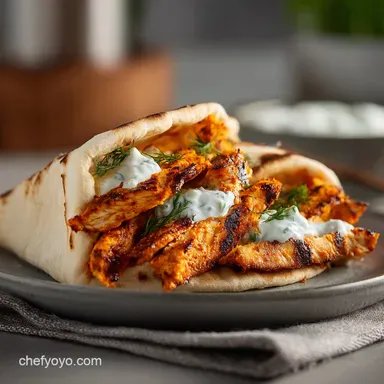
Authentic Greek Chicken Gyros: Charred and Tender
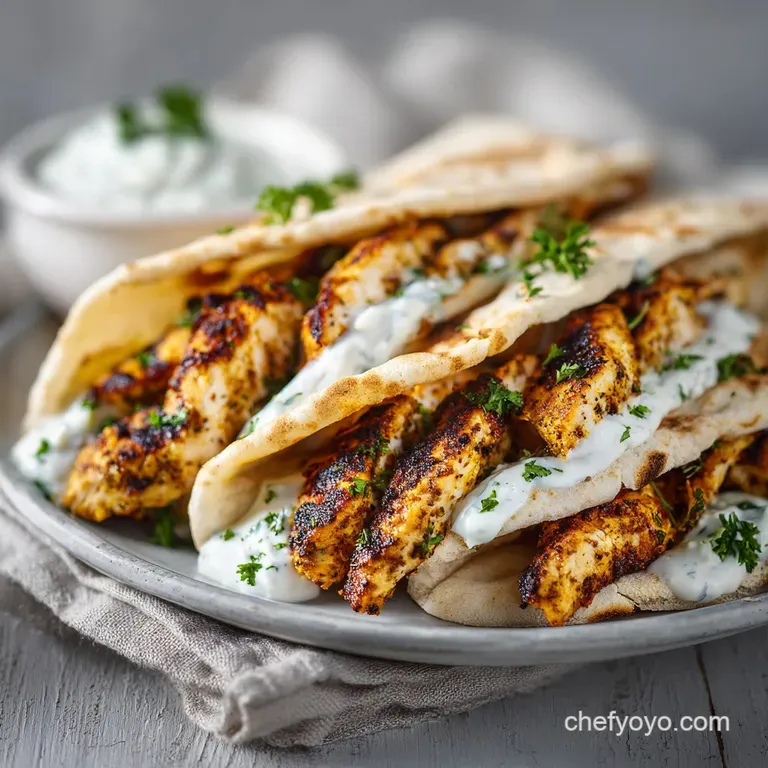
- Time: 15 min active + 2 hours 12 mins marinating/cooking = Total 2 hours 27 mins
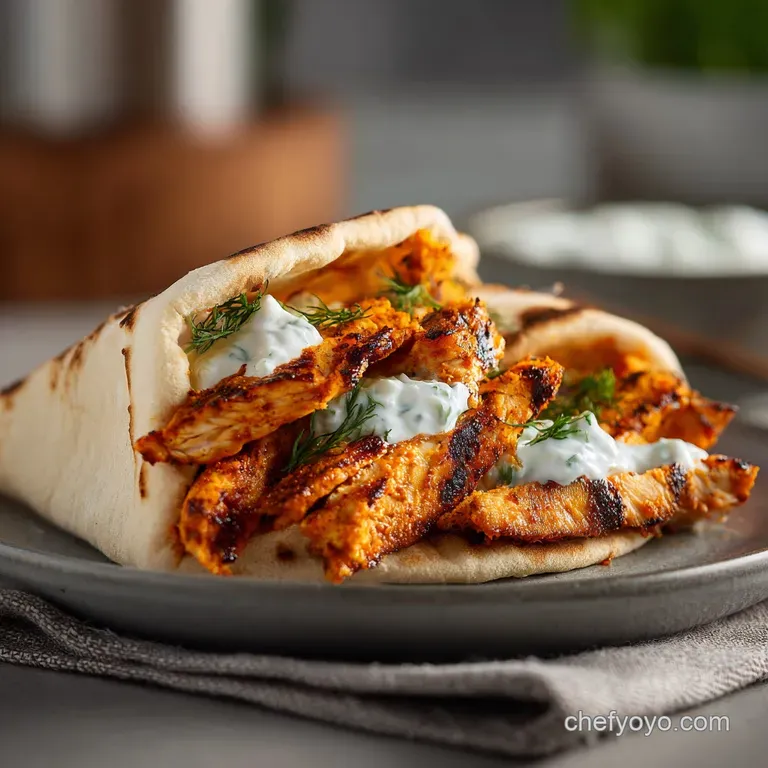
- Flavor/Texture Hook: Charred, mahogany colored chicken paired with cool, crisp tzatziki
- Perfect for: A wholesome weeknight dinner or a relaxed weekend gathering with friends
- Easy Homemade Chicken Gyros Recipe
- Component Analysis
- Wholesome Ingredients List
- Kitchen Tools Needed
- Step by Step Process
- Fixing Common Cooking Issues
- Troubleshooting Common Issues
- Customizing Your Wrap
- Adjusting For Different Groups
- Debunking Common Myths
- Freshness and Waste Tips
- Best Side Dish Pairs
- Critical Sodium Level
- Recipe FAQs
- 📝 Recipe Card
That scent of charred lemon and toasted oregano hitting the air is honestly the best part. It’s that specific aroma that makes you feel like you’ve stepped into a small village in Greece, even if you’re just in your pajamas in a suburban kitchen.
I remember the first time I tried making these at home, I used chicken breasts because I thought it was the "healthier" choice. Big mistake. They came out as dry as cardboard and had the texture of a pencil eraser.
I spent a few weekends tinkering with the meat and the heat, and that's when I realized the magic is all in the thighs and the yogurt. Once I switched, the meat stayed juicy, and the sugars in the yogurt created these gorgeous, dark crusts. It changed everything.
You can expect a meal that balances heat and cold, with the warmth of the seared meat contrasting against a sharp, refreshing sauce. These Chicken Gyros aren't about being fancy, they're about those bold, rustic flavors that actually satisfy you.
Trust me, once you taste the difference that a long soak in a yogurt marinade makes, you'll never go back to the store-bought strips.
Easy Homemade Chicken Gyros Recipe
Right then, let's talk about why this version actually works where others fail. Most people just throw some spices on meat and hit the pan, but that's a recipe for dryness. We're doing things differently here to ensure every bite is tender.
Lactic Acid Tenderizing: The Greek yogurt in the marinade contains lactic acid, which gently breaks down the protein structures in the meat. This is why the chicken feels velvety rather than chewy.
Fat Based Flavor Carrier: Using extra virgin olive oil allows the fat soluble compounds in the oregano and paprika to permeate the meat more deeply. It creates a barrier that prevents the juices from evaporating during the sear.
Over High heat Caramelization: The combination of yogurt and lemon juice creates a surface that browns quickly. According to Serious Eats, this helps develop a complex crust even without a vertical spit.
Moisture Retention: Slicing the thighs into strips increases the surface area for the marinade but keeps the center moist. Since thighs have more connective tissue than breasts, they can handle the high heat of a skillet without seizing up.
| Approach | Prep Effort | Texture | Best For |
|---|---|---|---|
| Fresh Homemade | Medium | Velvety & Charred | Dinner parties, foodies |
| Shortcut (Store Meat) | Low | Uniform & Soft | 15 min lunches |
| Frozen Strips | Very Low | Rubbery/Dry | Absolute emergencies |
Component Analysis
Understanding what each ingredient is actually doing helps you tweak the recipe if you're missing something. It's not just about the taste, it's about the function.
| Ingredient | Science Role | Pro Secret |
|---|---|---|
| Greek Yogurt | Tenderizer | Use full fat for better browning |
| Lemon Juice | pH Balancer | Add a pinch of zest for more "pop" |
| Smoked Paprika | Color/Depth | Use a Spanish Pimentón for authenticity |
| Fresh Dill | Aromatic | Chop it last to keep the oils fresh |
Wholesome Ingredients List
I've kept this list simple and rustic. Don't bother with low-fat alternatives here, as the fat is what carries the flavor and keeps the chicken from drying out.
For the Meat:
- 900g (2 lbs) boneless, skinless chicken thighs, sliced into stripsWhy this? Thighs stay juicy under high heat
- 80ml (1/3 cup) Greek yogurt, plainWhy this? Lactic acid for tenderness
- 45ml (3 tbsp) extra virgin olive oilWhy this? Flavor carrier and sear aid
- 30ml (2 tbsp) fresh lemon juiceWhy this? Brightness and acid
- 4 cloves garlic, mincedWhy this? Pungent, savory base
- 1 tbsp dried oreganoWhy this? Classic Mediterranean aroma
- 1 tsp kosher saltWhy this? Essential for flavor penetration
- 1/2 tsp black pepperWhy this? Subtle heat
- 1/2 tsp smoked paprikaWhy this? Adds a rustic, woody note
For the Tzatziki Sauce:
- 240ml (1 cup) Greek yogurt, full fatWhy this? Creamy, thick base
- 120g (1/2 cup) English cucumber, grated and squeezed dryWhy this? Refreshing crunch
- 30ml (2 tbsp) fresh lemon juiceWhy this? Cuts through the fat
- 1 tbsp fresh dill, finely choppedWhy this? The signature herbal note
- 2 cloves garlic, gratedWhy this? Raw bite for contrast
- 1/2 tsp saltWhy this? Enhances all other flavors
For Assembly:
- 6 Greek pita rounds, warmed
- 1 cup red onion, thinly sliced
- 2 cups cherry tomatoes, halved
- 1 cup cucumber, sliced
- 1/4 cup fresh parsley, chopped
| Original Ingredient | Substitute | Why It Works |
|---|---|---|
| Chicken Thighs | Chicken Breast | Leaner, but Note: becomes dry much faster; reduce cook time |
| Greek Yogurt | Sour Cream | Similar tang. Note: Less thick, may make sauce runnier |
| Fresh Dill | Dried Dill | Same flavor profile. Note: Use 1/3 the amount |
| Pita Rounds | Flatbread/Tortilla | Same structural role. Note: Lacks the authentic thickness |
Kitchen Tools Needed
You don't need a fancy kitchen to make great Chicken Gyros, but a few specific tools make it much easier. I always reach for my heavy cast iron skillet because it holds heat like a beast, which is exactly what we need for that mahogany char.
A good box grater is essential for the cucumber and garlic. If you have a cheesecloth or a clean kitchen towel, keep it handy. Squeezing the water out of the cucumbers is the difference between a velvety sauce and a watery mess.
For the chicken, a sharp chef's knife is a must. You want consistent strips so they all cook at the same rate. If some are thick and others are thin, the thin ones will be rubbery by the time the thick ones are safe to eat.
Step by step Process
Let's get into the flow. I like to break this down into phases so you aren't rushing while the pan is screaming hot.
Phase 1: Marinating for Deep Flavor
- Combine the Greek yogurt, olive oil, lemon juice, garlic, oregano, salt, pepper, and smoked paprika in a large mixing bowl. Note: Whisk until the oil is fully incorporated into the yogurt.
- Toss the chicken thigh strips in the marinade until every piece is evenly coated. Note: Use your hands to make sure the marinade gets into every nook and cranny.
- Cover the bowl and refrigerate for at least 2 hours, or up to 24 hours. Wait until the meat has rested to allow the lactic acid to tenderize the proteins.
Phase 2: Achieving the Perfect Sear
- Heat 1 tablespoon of olive oil in a cast iron skillet over medium high heat until it begins to shimmer. Note: If the oil is smoking, it's too hot; turn it down slightly.
- Add the chicken to the skillet in batches to avoid crowding the pan. Note: Crowding drops the temperature and steams the meat instead of searing it.
- Sear for 3-5 minutes per side until the edges are mahogany colored and slightly charred.
Phase 3: Assembling the Fresh Wrap
- Prepare the tzatziki by mixing the full fat Greek yogurt, squeezed cucumber, lemon juice, chopped dill, grated garlic, and salt. Note: Ensure the cucumber is very dry before adding.
- Warm the pita rounds in a dry pan or oven for 30 seconds.
- Assemble the Chicken Gyros by placing the charred chicken into warmed pitas and topping with tzatziki, sliced red onion, cherry tomatoes, cucumber, and fresh parsley.
Chef's Tip: To get an even more authentic feel, lightly toast the pita with a brush of olive oil and a pinch of salt before filling. It adds a subtle crunch that holds up better against the sauce.
Fixing Common Cooking Issues
Even the best of us hit a snag. Whether it's the texture of the meat or the consistency of the sauce, most of these problems have a simple root cause.
Troubleshooting Common Issues
| Issue | Solution |
|---|---|
| Why Your Chicken Is Rubbery | This usually happens if the pan wasn't hot enough or if you overcrowded it. When the chicken releases its juices and they can't evaporate, the meat boils in its own liquid. This kills the sear and mak |
| Why Your Tzatziki Is Watery | Cucumbers are mostly water. If you don't squeeze them out, that water leaks into the yogurt over time. You'll end up with a soup instead of a sauce. Always use a cloth to press out every last drop of |
| Why The Pita Is Tearing | Cold pitas are stiff and brittle. If you try to fold a cold pita, it will crack. A quick warm up makes the gluten more flexible, allowing it to wrap around the Chicken Gyros without breaking. |
Common Mistakes Checklist:
- ✓ Did you squeeze the cucumber dry?
- ✓ Did you sear the chicken in batches?
- ✓ Did you let the meat marinate for at least 2 hours?
- ✓ Did you use chicken thighs instead of breasts?
- ✓ Are the pitas warmed before assembly?
Customizing Your Wrap
One of the best things about Chicken Gyros is how flexible they are. Once you have the base down, you can play around with the toppings to change the vibe of the meal.
If you want an extra punch of acidity, I highly recommend adding some pickled red onion. The bright pink color looks stunning against the white tzatziki, and the vinegary tang cuts through the richness of the chicken thighs perfectly.
For those who want a bit more heat, you can stir a teaspoon of harissa or sriracha into the yogurt marinade. It doesn't overpower the Greek flavors but gives the back of your throat a nice little glow. You could also swap the parsley for fresh mint to give it a more refreshing, Middle Eastern twist.
If you're looking for a different protein entirely, you can use the same marinade for shrimp or halloumi cheese. Just be mindful of the cook times, as shrimp only needs about 2 minutes per side, while halloumi needs to be seared until it's golden and slightly soft.
Adjusting For Different Groups
Cooking for two is very different from cooking for a crowd. When you're scaling Chicken Gyros, you can't always just multiply everything by four.
Scaling Down (for 2-3 people): Use a smaller skillet to keep the heat concentrated. Reduce the marinating time slightly (about 90 minutes is usually enough for smaller portions) and cut your prep time by 20%.
If you're using a smaller pan, you'll still need to work in batches to avoid steaming the meat.
Scaling Up (for 12+ people): Don't multiply the salt and dried oregano by 4, or it might become too intense. Use about 1.5x to 2x the spices and adjust to taste. Work in larger batches, but use two pans if you have them.
To save time, you can roast the marinated chicken on a sheet pan at 200°C (400°F) for 15-20 minutes, then flash sear them in a pan for 1 minute just before serving to get that charred finish.
If you're making a huge batch, keep the tzatziki in a separate container and only dress the pitas right before serving. This prevents the bread from getting soggy.
Debunking Common Myths
There are a few misconceptions about making Greek food at home that often trip people up. Let's set the record straight.
Myth: You need a vertical rotisserie for authentic gyros. While the spinning spit is traditional, the flavor comes from the marinade and the char. A cast iron skillet creates a similar over high heat environment that mimics the edges of a rotisserie cooked piece of meat.
Myth: Searing "seals in" the juices. As we've discussed, searing is about flavor and texture, not creating a waterproof seal. The juice loss happens regardless, but the mahogany crust adds a depth of flavor that makes the remaining juices taste more concentrated.
Myth: Leaner meat is always better for wraps. In the case of Chicken Gyros, lean meat is actually your enemy. The higher fat content in thighs protects the meat from the intense heat of the pan, ensuring the final result is velvety rather than rubbery.
Freshness and Waste Tips
To keep things sustainable and tasty, you have to handle the leftovers correctly. Chicken Gyros are great, but the assembled wrap doesn't travel well over time.
Storage Guidelines: Store the cooked chicken in an airtight container in the fridge for up to 3 days. Keep the tzatziki in a separate glass jar for up to 4 days. The fresh veg (tomatoes, cucumbers) should be kept separate to avoid wilting.
Freezing: You can freeze the marinated raw chicken for up to 2 months. Just freeze it in a vacuum sealed bag or a heavy duty freezer bag. Thaw it in the fridge overnight before searing.
I don't recommend freezing the assembled gyros or the tzatziki, as the yogurt will separate and the pita will become mushy.
Reheating: To bring back the char, reheat the chicken in a dry skillet over medium heat for 2-3 minutes. Avoid the microwave if you can, as it will make the chicken rubbery. Warm the pitas in a toaster or oven to regain that softness.
Zero Waste Tips: Don't throw away the leftover marinade if it hasn't touched the raw meat yet, but if it has, toss it. Use the leftover cucumber ends to make a quick salad or blend them into a smoothie. If you have extra yogurt, it makes a great base for a breakfast bowl with honey and nuts.
Best Side Dish Pairs
While the wraps are the star, a few sides can turn this into a full feast. Since the Chicken Gyros are rich and savory, you want sides that are light and acidic.
A simple Greek salad with feta, kalamata olives, and lots of lemon juice is the classic choice. The saltiness of the olives complements the charred chicken beautifully. If you want something heartier, try serving them with a side of lemon herb roasted potatoes.
For something totally different, you can pair these with a light grain. If you've already got a pot of steamed white rice going, you can actually serve the chicken and tzatziki over the rice instead of in a pita for a "gyro bowl" style meal. This is a great way to make the meal feel a bit lighter while still getting all those bold Mediterranean flavors.
Right then, you're all set. Once you get the hang of that cast iron sear and the dry squeeze cucumber technique, these Chicken Gyros will become a staple in your house. Just remember: don't rush the marinade, don't crowd the pan, and always use the thighs. Happy cooking!
Critical Sodium Level
1480 mg 1480 mg of sodium per serving (64% 64% of daily value)
The American Heart Association recommends a daily limit of no more than 2,300 mg of sodium to help manage blood pressure and reduce the risk of heart disease.
Sodium Reduction Strategies
-
Eliminate Marinade Salt-25%
Remove the 1 tsp of kosher salt from the chicken marinade; the lemon juice and garlic already provide a strong flavor base.
-
Skip Salt in Tzatziki-25%
Omit the 1/2 tsp of salt from the yogurt sauce. The acidity of the lemon and the bite of the garlic will maintain the profile.
-
Choose Low-Sodium Pita-20%
Replace store-bought pita rounds with homemade salt free pitas or use large lettuce leaves as wraps to avoid processed bread sodium.
-
Enhance with Herbs
Increase the amount of fresh parsley, dill, and oregano to create a more robust flavor profile without needing additional salt.
Recipe FAQs
What is in chicken gyros?
Marinated chicken thighs, tzatziki, and fresh vegetables in a pita. The chicken is seasoned with Greek yogurt and spices, then paired with sliced red onion, cherry tomatoes, cucumber, and parsley.
Can I eat a gyro with high cholesterol?
Consult your healthcare provider for personalized advice. This recipe uses chicken thighs and olive oil, which provide a different fat profile than the processed meats found in commercial gyros.
How do I marinate the chicken for the best flavor?
Combine Greek yogurt, olive oil, lemon juice, garlic, oregano, salt, pepper, and smoked paprika. Toss the chicken strips in the mixture and refrigerate for 2 to 24 hours to allow the lactic acid to tenderize the meat.
Can I use a different sauce instead of tzatziki for a sweeter flavor?
Yes, a spicy sweet glaze works well. If you love the sweet tart balance in a dipping sauce, see how we use a similar flavor profile in our sweet chili sauce.
How do I stop the tzatziki from becoming watery?
Squeeze the grated English cucumber using a cloth. Pressing out every last drop of moisture prevents the water from leaking into the yogurt over time.
Why is my chicken rubbery instead of charred?
The pan was likely overcrowded or not hot enough. This causes the meat to boil in its own juices rather than searing, which kills the mahogany crust.
Is it true that you must use a vertical rotisserie to get authentic charred chicken?
No, this is a common misconception. A cast iron skillet over medium high heat creates the same mahogany colored, charred edges as a professional rotisserie.
Homemade Chicken Gyros