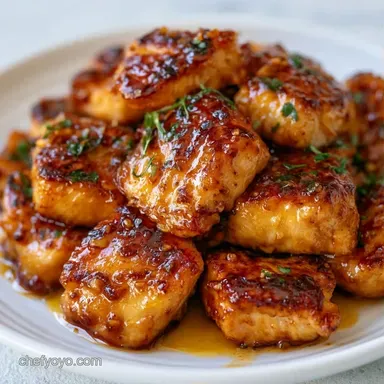
Honey Garlic Sheet Pan Bowl: Roasted and Sticky
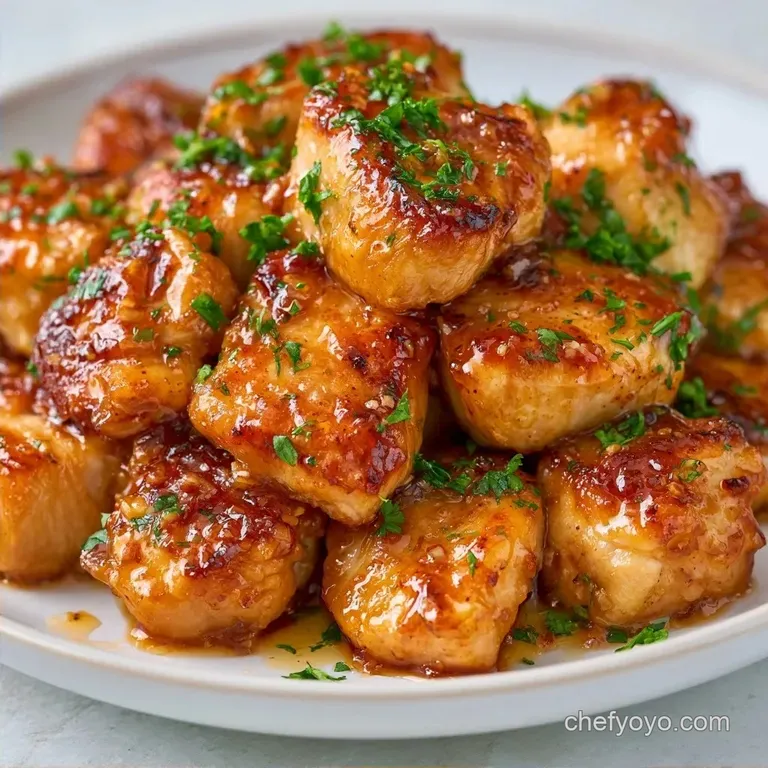
- Time: 15 min active + 25 min roasting = Total 40 minutes
- Flavor/Texture Hook: Glossy, sticky honey garlic coating with charred broccoli edges
- Perfect for: Weeknight dinner, healthy meal prep, or beginner friendly hosting
- The Best Honey Garlic Sheet Pan Bowl
- Why These Ingredients Work
- Component Analysis
- The Essential Ingredient List
- Kitchen Tools You'll Need
- Step by Step Cooking Guide
- Fixing Common Cooking Mistakes
- Troubleshooting Common Issues
- Ways to Change the Flavor
- Adjusting the Portion Size
- Kitchen Myths Debunked
- Storing and Reducing Waste
- Great Sides and Pairings
- Recipe FAQs
- 📝 Recipe Card
The smell of toasted sesame oil hitting a hot oven is something that always takes me back. Growing up, the idea of a "bowl" wasn't just a trend, it was how we ate. In many East Asian households, the balance of a grain, a protein, and a few colorful vegetables in one vessel is the ultimate comfort.
It's a way of eating that feels grounded and honest, where the sauce ties everything together into one cohesive bite.
For a long time, I tried to recreate these flavors using three different pans, a steamer, and a sauté pan. I'd end up with a kitchen that looked like a disaster zone and chicken that was somehow dry despite the sauce. Then I realized the secret isn't in the complexity of the tools, but in the timing of the heat.
That's where this Sheet Pan Bowl comes in. By roasting the base components first and adding the glaze at the very end, you get those charred, nutty edges on the broccoli and juicy chicken without the sugar in the honey burning to a crisp.
It's the same soul as a traditional bowl meal, just adapted for someone who doesn't want to spend an hour scrubbing pots.
The Best Honey Garlic Sheet Pan Bowl
Right then, let's get into the meat of this. The beauty of a Sheet Pan Bowl is that it respects the ingredients. We aren't just throwing things in a pile; we're using the oven to concentrate the sugars in the carrots and the natural sweetness of the red peppers.
When that honey garlic glaze hits the roasted surface, it doesn't just sit there - it clings.
I remember the first time I tried a "shortcut" version of this where I mixed the sauce in with the raw chicken. The honey burnt almost immediately, leaving me with bitter, black spots and chicken that was barely cooked through. Trust me on this: roast first, glaze later.
It's the only way to get that velvety, glossy finish without the charcoal taste.
This recipe is a lifesaver for those nights when you're staring at the fridge at 5 PM. It's a Quick Sheet Pan Bowl that doesn't sacrifice the depth of flavor you'd get from a slow simmered stir fry. You get the crunch, the salt, and the sweet, all balanced over a bed of hearty brown rice.
Why These Ingredients Work
I've spent a lot of time wondering why some pan meals turn out soggy and others turn out crisp. It mostly comes down to how the ingredients handle the heat and the moisture.
The over High heat Blast: Using 425°F allows the moisture on the surface of the vegetables to evaporate quickly. This means they roast and brown instead of steaming in their own juices.
The Late Glaze: Adding the honey and soy sauce in the last few minutes prevents the sugars from scorching. It creates a thick, sticky coating that wraps around the food rather than burning onto the pan.
The Oil Choice: Avocado oil has a very high smoke point. This means it can handle the intense heat needed to get the chicken opaque and the broccoli edges charred without smoking out your entire kitchen.
The Grain Buffer: Serving the roast over brown rice provides a nutty contrast to the sweet glaze. The rice also absorbs any extra sauce that drips off the pan, so nothing goes to waste.
Before we move to the gear, it's helpful to see how this approach stacks up against the traditional stir fry method. While a wok is great, it requires constant attention and high skill tossing.
| Feature | Traditional Stir Fry | Sheet Pan Method | Impact |
|---|---|---|---|
| Active Effort | High (Constant stirring) | Low (Toss and bake) | More free time |
| Texture | Soft/Sautéed | Charred/Roasted | Deeper flavor |
| Cleanup | Multiple pans/woks | One lined sheet | 10 mins less cleaning |
| Consistency | Varies by heat spot | Even heat distribution | More reliable results |
Component Analysis
Understanding what each part does helps you make better tweaks later. If you know why the ginger is there, you'll know what to add if you run out of it.
| Ingredient | Science Role | Pro Secret |
|---|---|---|
| Honey | Thickener & Glaze | Adds the "stick" that holds sesame seeds in place |
| Soy Sauce | Salt & Umami | Provides the deep savory base to balance the honey |
| Avocado Oil | Heat Conductor | Prevents sticking at high temps without tasting like oil |
| Ginger/Garlic | Aromatic Base | Adds a sharp "bite" that cuts through the richness of the oil |
The Essential Ingredient List
Here is everything you'll need. I've listed the exact amounts from my tried and true version. If you're looking for more options for your base, you might like a Sauce for 4 Servings recipe for more inspiration.
The Glaze
- 1/3 cup honeyWhy this? Natural thickener for a glossy finish
- 2 tbsp soy sauceWhy this? Essential for salt and depth
- 1 tbsp toasted sesame oilWhy this? Adds a nutty, toasted aroma
- 3 cloves minced garlicWhy this? Pungent baseline flavor
- 1 tsp freshly grated gingerWhy this? Adds a fresh, zesty heat
- 1/2 tsp red pepper flakesWhy this? Subtle back of-the throat warmth
The Roast
- 1.5 lb boneless, skinless chicken breasts, cut into 1 inch cubesWhy this? Lean protein that cooks quickly
- 3 cups broccoli floretsWhy this? Great for catching the glaze in the tops
- 2 cups sliced red bell pepperWhy this? Adds color and sweetness
- 1 cup sliced carrotsWhy this? Earthy sweetness and crunch
- 2 tbsp avocado oilWhy this? High smoke point for roasting
- 1/2 tsp kosher saltWhy this? Basic seasoning
- 1/4 tsp black pepperWhy this? Mild aromatic spice
The Base & Garnish
- 3 cups cooked brown riceWhy this? Nutty flavor and filling
- 2 tbsp toasted sesame seedsWhy this? Adds a shatter like crunch
- 2 stalks sliced green onionsWhy this? Fresh, sharp contrast to the honey
If you can't find avocado oil, you can use grapeseed oil. Don't use extra virgin olive oil here - it'll smoke too much at 425°F. For the soy sauce, tamari works if you need a gluten-free option, though it's slightly saltier.
| Original Ingredient | Substitute | Why It Works |
|---|---|---|
| Brown Rice (3 cups) | Quinoa (3 cups) | Similar protein levels. Note: Lighter texture and slightly nuttier |
| Chicken Breast (1.5 lb) | Firm Tofu (1.5 lb) | Absorbs glaze well. Note: Press tofu first to ensure it crisps |
| Honey (1/3 cup) | Maple Syrup (1/3 cup) | Similar viscosity. Note: Adds a more woody, autumnal sweetness |
| Broccoli (3 cups) | Cauliflower (3 cups) | Similar structure. Note: Slightly milder flavor, stays firmer |
Kitchen Tools You'll Need
You don't need a fancy setup for this. In fact, the less you use, the better. I've always found that trying to use too many gadgets just slows things down.
- Large rimmed baking sheet: The "rimmed" part is key so the glaze doesn't drip onto your oven floor.
- Parchment paper: Essential for a zero scrub cleanup.
- Large mixing bowl: To toss everything in oil and seasoning before it hits the pan.
- Small whisk or fork: For blending the honey and soy sauce.
- Sharp chef's knife: For getting those chicken cubes and veg slices uniform.
Step by step Cooking Guide
Let's crack on with the actual cooking. Remember to keep your pieces uniform in size so nothing is burnt while other things are raw.
- Preheat oven to 425°F (220°C) and line a large rimmed baking sheet with parchment paper. Note: Preheating ensures the food starts sizzling the moment it hits the metal.
- Prepare the grain base (brown rice or quinoa) according to package instructions so it is ready for plating. Note: This is the only "passive" time you have, so get the rice going first.
- In a large mixing bowl, toss cubed chicken, broccoli, red bell pepper, and carrots with avocado oil, salt, and pepper. Note: Ensure every piece is lightly coated to prevent sticking.
- Spread the mixture in a single layer across the prepared baking sheet, ensuring space between pieces to allow for roasting rather than steaming. Note: If the pan is too crowded, the veg will get mushy.
- Bake for 15–18 minutes until the chicken is opaque and broccoli edges are browned.
- Whisk together honey, soy sauce, sesame oil, garlic, and ginger in a small bowl. Note: The honey might be thick, so whisk vigorously until smooth.
- Drizzle the glaze evenly over the roasted chicken and vegetables directly on the pan. Note: Use a spoon to spread it so everything gets a bit of sweetness.
- Return the pan to the oven for an additional 5–7 minutes until the sauce bubbles and thickens into a glossy coating.
- Divide the cooked grains into four bowls, top with the honey garlic roast, and garnish with toasted sesame seeds and sliced green onions.
Chef's Note: If you love a bit of extra crunch, try roasting some pumpkin seeds and tossing them on top at the end. It adds a wonderful earthy layer to the Sheet Pan Bowl.
Fixing Common Cooking Mistakes
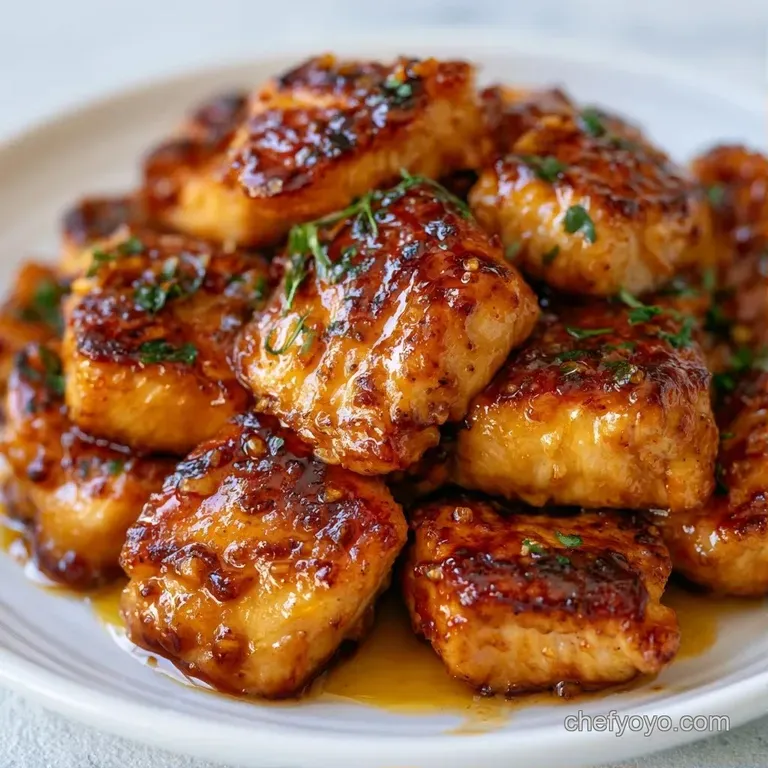
Even with a simple recipe, things can go sideways. Usually, it's a matter of moisture or overcrowding.
Troubleshooting Common Issues
| Issue | Solution |
|---|---|
| Why Your Vegetables Are Soggy | This usually happens when the vegetables are piled on top of each other. When they're crowded, the steam can't escape, so the veg "boils" in the oven instead of roasting. |
| Why Your Sauce Is Too Thin | If your glaze doesn't thicken, you might have added too much soy sauce or the oven temperature was too low. The sugar in the honey needs that intense heat to bubble and reduce into a syrup. |
| Why Your Garlic Tastes Bitter | Garlic burns much faster than carrots or chicken. By adding the garlic in the glaze at the end, we avoid this. |
Mistakes Checklist:
- ✓ Did I leave space between the ingredients on the pan?
- ✓ Is my oven actually at 425°F?
- ✓ Did I wait until the chicken was opaque before adding the glaze?
- ✓ Did I pat the chicken dry before tossing in oil?
- ✓ Did I use parchment paper to prevent sticking?
Ways to Change the Flavor
Once you've nailed the basic Sheet Pan Bowl, you can start playing with the profile. The beauty of this format is that it's a blank canvas.
Crafting a Spicy Gochujang Version
Swap the honey for a mix of honey and Gochujang (Korean chili paste). This adds a fermented, spicy depth that is absolutely brilliant with the broccoli. I'd suggest adding a squeeze of lime at the end to brighten it up.
Creating a Zesty Mediterranean Twist
Ditch the soy and honey. Toss the chicken and veg in olive oil, lemon juice, oregano, and dried garlic. After roasting, top the bowl with crumbled feta and a dollop of velvety tahini sauce. It transforms the dish into something entirely different.
Swapping for Plant Based Protein
Tofu is the best substitute here. The trick is to press the tofu for 20 minutes to get the water out, then cube it and toss it in cornstarch and oil before roasting. This gives the tofu a "shatter" crisp exterior that holds the honey garlic glaze perfectly.
Adjusting the Portion Size
Scaling a Sheet Pan Bowl isn't as simple as doubling the ingredients because you're limited by the surface area of your pan.
Scaling Down (½ portion) If you're just cooking for two, use a smaller quarter sheet pan. You can reduce the roasting time by about 2-3 minutes since there's less mass in the oven, but keep a close eye on the broccoli.
Use one egg (beaten) if you decide to add a binder, but for this recipe, just halve the oil and seasonings.
Scaling Up (2x or 4x portion) Don't try to fit double the food on one pan. You'll end up with steamed vegetables. Instead, work in batches or use two separate sheet pans. For the glaze, only increase the salt and spices to 1.5x first, then taste.
Liquids usually don't need to be doubled exactly, as they can easily overwhelm the dish. If using two pans, rotate them halfway through the cooking process to ensure even browning.
Kitchen Myths Debunked
There are a few things people tell you about pan roasting that just aren't true.
Myth: You need to sear meat in a pan first. Some people think you have to brown the chicken in a skillet before putting it on the sheet pan to "lock in juices." This is a myth. At 425°F, the oven does the browning for you.
Searing first just adds an extra pan to clean and can actually overcook the chicken.
Myth: Frozen vegetables work exactly like fresh. While you can use frozen broccoli, it releases much more water. If you use frozen, don't thaw them first - put them in straight from the freezer, but be prepared for a longer roast time and a slightly softer texture.
Myth: Using a non stick pan is better than parchment. Non stick pans often distribute heat less evenly than a standard rimmed aluminum sheet. Parchment paper is better because it creates a slight barrier that prevents the sugar in the glaze from bonding to the metal.
Storing and Reducing Waste
To keep this Sheet Pan Bowl fresh, store the components strategically. Put the cooked brown rice in one container and the roasted chicken and veg in another. This prevents the rice from absorbing all the sauce and becoming mushy.
Storage Guidelines
- Fridge: Store in airtight containers for 3 to 4 days.
- Freezer: The chicken and veg freeze well for up to 2 months. I don't recommend freezing the cooked rice, as it can get a grainy texture.
- Reheating: The best way to reheat is in an air fryer or oven at 350°F for 5-10 minutes. If using a microwave, add a teaspoon of water to the rice to steam it back to life.
Zero Waste Tips Don't throw away those broccoli stems! Peel the tough outer skin with a vegetable peeler, slice the tender inner core into rounds, and toss them right in with the carrots. They have a wonderful, sweet crunch that's often better than the florets.
Similarly, if you have leftover bell pepper scraps, freeze them in a bag to use for homemade veggie broth later.
Great Sides and Pairings
Since the Sheet Pan Bowl is a complete meal, you don't need much else, but a few additions can make it feel like a feast.
For something with a different texture, I love serving this alongside a slice of shatter crisp homemade bread. The crusty bread is perfect for mopping up any extra honey garlic sauce left at the bottom of the bowl.
If you want something lighter, a simple cucumber salad with rice vinegar and a pinch of sugar provides a cool, acidic contrast to the warm, sticky roast. A side of steamed edamame with sea salt also fits the flavor profile perfectly.
Ultimately, the Sheet Pan Bowl is about making a healthy, flavorful meal without the stress. It's an approachable way to get your protein and greens in one go, with a cleanup that takes less time than the actual cooking.
Right then, get your oven preheated and give this a go - your future self will thank you when you're not scrubbing five different pans on a Tuesday night.
Recipe FAQs
What's a good recipe for roasted vegetables for a bowl?
Toss chicken, broccoli, red bell pepper, and carrots with avocado oil, salt, and pepper. Bake at 425°F (220°C) for 15-18 minutes and finish with a honey soy glaze for a fast, nutrient dense meal.
How to prepare roasted vegetables for a sheet pan bowl?
Mix your cubed vegetables and protein in a large bowl with oil and seasonings. Ensure every piece is evenly coated before spreading them on a parchment lined sheet to prevent sticking.
Which vegetables in this recipe can be roasted without peeling them first?
Carrots, red bell peppers, and broccoli. These vegetables maintain their structure and nutrients without peeling, provided the carrots are scrubbed clean.
How to bake veggies in the oven for a sheet pan bowl?
Spread the mixture in a single layer on a baking sheet at 425°F (220°C). This allows the hot air to circulate and the edges to brown rather than steaming.
How to get my oven roasted vegetables to release less water?
Avoid crowding the pan. When vegetables are piled too high, they trap moisture and boil, making them soggy instead of crisp.
Is it true that I must peel carrots before roasting them for this recipe?
No, this is a common misconception. Scrubbed carrots roast perfectly well with the skin on and offer a more rustic texture.
What is a good beverage to pair with these savory bowls?
Serve with a refreshing, creamy drink. If you enjoyed the process of making fresh ingredients from scratch, see how that same approach works in our creamy almond milk recipe.
Honey Garlic Sheet Pan Bowl