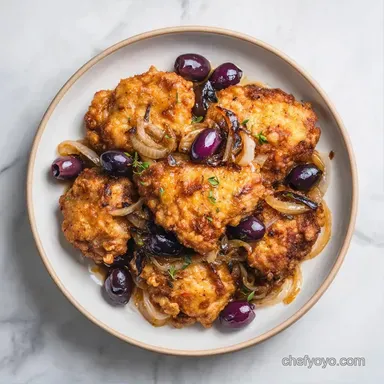
Mediterranean Kalamata Olive Chicken: Shattering Skin
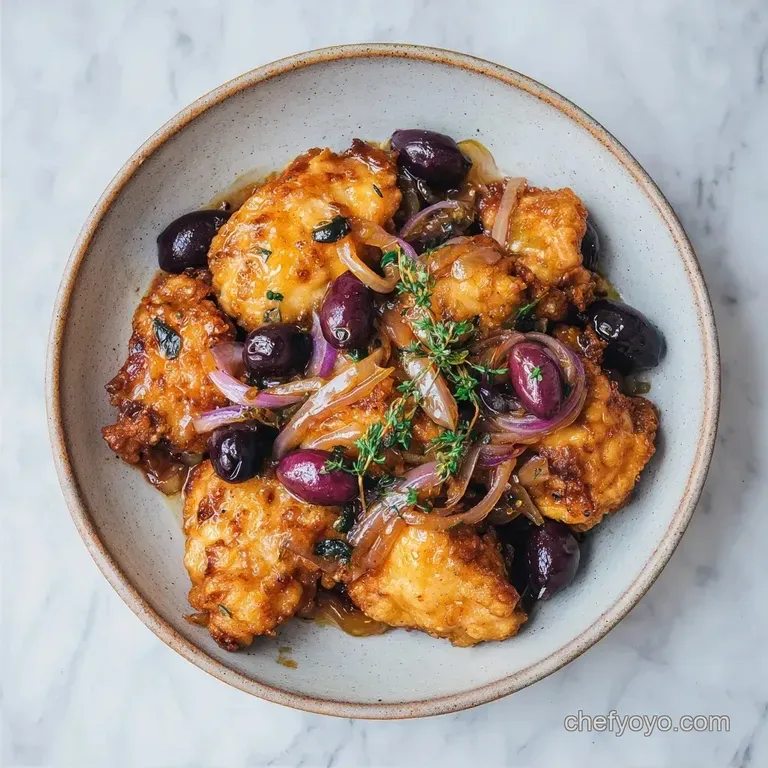
- Time: 10 min active + 45 min roasting
- Flavor/Texture Hook: Briny, zesty, and shattering skin
- Perfect for: A wholesome weeknight dinner
That sound, right? That aggressive sizzle when the skin hits the heat and the aroma of lemon and oregano filling the whole kitchen. It's the kind of smell that makes everyone in the house wander into the kitchen asking what's for dinner.
But let's be honest, we've all had those nights where the chicken comes out with that weird, rubbery skin that just won't crisp, or worse, the meat is dry and the olives have turned into salty little pebbles in the oven.
I spent way too long thinking that a long marinade was the only way to get flavor into the meat. I'd leave chicken in the fridge for 24 hours, only to find the acid from the lemon had actually "cooked" the outside of the meat, making it mealy. I realized the trick isn't the time, it's the timing.
By layering the flavors and roasting in stages, you get a dish that feels rustic and artisanal without needing a professional kitchen.
This Kalamata Olive Chicken is my targeted fix for that rubbery texture. We're using a over high heat roast and a "natural rack" of onions to keep the chicken lifted, allowing the hot air to circulate.
You'll get those juicy, bone in thighs with a salty, briny punch that tastes like a trip to a Greek coast, all while keeping your budget in check.
A Rustic Taste of Coastal Greece
There's something about the combination of salt, acid, and fat that just works. I remember the first time I tried a version of this in a small seaside taverna, and the chicken wasn't just cooked, it was transformed. The skin had this deep, dark color and the sauce was a mix of chicken juices and olive brine.
It felt honest and wholesome. That's exactly what I wanted to replicate here.
The beauty of this dish is that it doesn't rely on expensive cuts. We're using bone in, skin on thighs because they're cheaper and far more forgiving than breasts. They have enough fat to stay velvety even under high heat.
When you combine that with the punchy saltiness of the olives and the sweetness of blistered cherry tomatoes, you get a balanced plate that doesn't need a lot of side dishes to feel complete.
I've found that the secret to this Kalamata Olive Chicken is treating the vegetables as more than just a garnish. The onions and garlic at the bottom of the pan essentially fry in the chicken fat, creating a jammy, savory base. It's the kind of rustic cooking where the pan does all the hard work for you.
Trust me, don't skip the red wine vinegar, it adds a sharpness that cuts through the richness of the thighs.
Why This Recipe Works
I'm always curious about why certain things happen in the pan, and this dish is a great example of simple kitchen logic. It's not about fancy chemistry, just about how heat and acid interact.
Natural Rack Effect: Placing chicken on a bed of onions prevents the skin from touching the bottom of the pan. This allows the heat to hit the skin from all sides, creating that shattering crunch.
Two Stage Roasting: Olives and tomatoes have high water content but burn easily. Adding them halfway through ensures the chicken finishes cooking while the veg just barely blisters, keeping their fresh, zesty pop.
Acid Fat Balance: The lemon juice and red wine vinegar break down the surface proteins, while the olive oil protects the meat from drying out. This prevents the "rubbery" skin problem common in lower temp roasts.
Umami Layering: Kalamata olives and Dijon mustard both provide a deep, savory saltiness. When these roast together, they create a concentrated glaze that clings to the meat.
Fresh vs. Shortcut Comparison
| Component | Fresh Approach | Shortcut Approach | Result Difference |
|---|---|---|---|
| Herbs | Fresh Rosemary | Dried Rosemary | Fresh is woodsy; dried is more muted |
| Aromatics | Sliced Onion | Onion Powder | Fresh creates a jammy base; powder is just flavor |
| Acid | Fresh Lemon | Bottled Juice | Fresh has floral notes; bottled is purely tart |
Component Analysis
Understanding what each ingredient does helps you make better choices if you're missing something in the pantry. Here's the breakdown of the heavy hitters in this dish.
| Ingredient | Science Role | Pro Secret |
|---|---|---|
| Bone in Thighs | Fat Source | The bone conducts heat to the center, keeping it juicy |
| Kalamata Olives | Brine & Salt | Pat them dry before adding to avoid steaming the pan |
| Red Wine Vinegar | Tangy Contrast | Use a quality vinegar to avoid a "chemical" aftertaste |
| Dijon Mustard | Emulsifier | Helps the marinade stick to the skin instead of sliding off |
Right then, let's look at what we actually need to get this on the table. I've kept this budget smart, focusing on ingredients that give the most flavor for the lowest cost.
Essential Ingredients and Substitutes
For the best results, I recommend using high-quality extra virgin olive oil. It doesn't just cook the food, it adds a peppery finish that complements the olives.
- 4 bone in, skin on chicken thighs (approx. 900g) Why this? More flavor and moisture than breasts
- 1 medium onion, sliced (approx. 140g) Why this? Creates a savory bed for the meat
- 4 cloves garlic, minced Why this? Classic aromatic base
- 3 tbsp extra virgin olive oil Why this? High smoke point and rich taste
- 1 tbsp fresh lemon juice Why this? Brightens the heavy fats
- 1 tbsp red wine vinegar Why this? Adds a complex, fermented tang
- 1 tbsp Dijon mustard Why this? Binds the marinade to the skin
- 1 tsp dried oregano Why this? Essential Mediterranean earthiness
- 1 tsp kosher salt Why this? Better grain size for even seasoning
- 1/2 tsp cracked black pepper Why this? Subtle heat to balance the salt
- 1 cup pitted Kalamata olives (150g) Why this? Distinctly salty and fruity
- 1 cup cherry tomatoes, halved (150g) Why this? Adds a sweet, acidic burst
- 1 tsp fresh rosemary, finely chopped Why this? Piney aroma that cuts through fat
Ingredient Swaps
| Original Ingredient | Substitute | Why It Works |
|---|---|---|
| Kalamata Olives | Green Castelvetrano | Less salty, more buttery. Note: Less "punchy" than Kalamata |
| Red Wine Vinegar | Apple Cider Vinegar | Similar acidity. Note: Slightly sweeter, less fruity |
| Dijon Mustard | Whole Grain Mustard | Similar flavor. Note: Adds a bit more texture to the skin |
| Fresh Rosemary | Fresh Thyme | Similar earthy profile. Note: More subtle than rosemary |
Between the ingredients and the process, the equipment is actually the easy part. You don't need a fancy setup, but one specific pan makes a huge difference.
Necessary Kitchen Tools
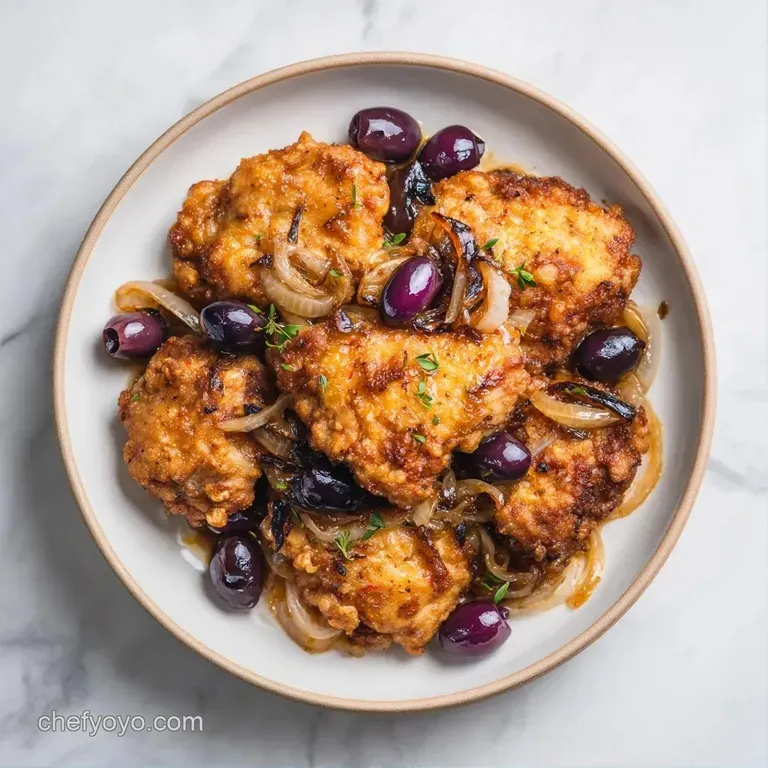
I strongly suggest a 12 inch cast iron skillet. Cast iron holds heat incredibly well and helps the bottom of the chicken thighs sear even while they're in the oven. If you don't have one, a ceramic baking dish works, but you'll lose some of that bottom sear intensity.
You'll also need a large mixing bowl for the marinade. I prefer using a stainless steel or glass bowl because the vinegar and lemon juice can react with some plastics over time. A pair of tongs is a lifesaver here, especially when you're moving the chicken to make room for the olives and tomatoes.
Finally, a meat thermometer is non negotiable. If you're guessing when chicken is done, you're either eating raw meat or chewing on rubber. We're aiming for exactly 74°C (165°F) for that juicy, safe finish.
Step-by-step Instructions
Let's get into it. This is a straightforward process, but pay attention to the cues. The color of the skin tells you everything you need to know.
In a large bowl, whisk together the olive oil, lemon juice, red wine vinegar, Dijon mustard, oregano, salt, and pepper. Add the chicken thighs, tossing thoroughly to coat. Let marinate at room temperature for 10 minutes. Note: Don't marinate too long or the acid will toughen the meat.
Preheat oven to 200°C (400°F). Scatter the sliced onions and minced garlic across the bottom of a 12 inch cast iron skillet or ceramic baking dish. Note: Spread them evenly so they caramelize rather than steam.
Place the marinated Kalamata Olive Chicken thighs skin side up on top of the onions to create a natural rack. Note: Make sure the skin is completely dry on top before placing.
Roast in the oven for 25 minutes until the skin is deep golden mahogany. Note: If it's still pale, give it another 5 minutes.
Remove the pan and scatter the Kalamata olives, cherry tomatoes, and fresh rosemary around the chicken. Note: Tuck the olives into the onion mixture for extra flavor.
Return to the oven for another 15–20 minutes until the tomatoes have blistered and the internal temperature of the chicken reaches 74°C (165°F).
Chef's Tip: For a truly shattering crust, pat the skin completely dry with a paper towel after marinating but before placing the chicken in the pan. Water is the enemy of crispiness.
Handling Common Cooking Hurdles
Even with a solid plan, things can go sideways. Most issues with this Kalamata Olive Chicken come down to heat management or ingredient moisture.
Why Your Skin Is Rubbery
If your skin didn't crisp, it's usually because the oven wasn't hot enough or the chicken was too crowded in the pan. When thighs are touching, they steam each other instead of roasting. Ensure there's a bit of breathing room between each piece.
Preventing Burnt Garlic
Garlic can turn bitter if it burns. By placing the chicken thighs directly on top of the garlic and onions, the meat acts as a shield, protecting the aromatics from the direct overhead heat of the oven.
Handling Underdone Centers
Bone in thighs take longer to cook than boneless. If the skin is perfect but the center is under 74°C, tent the pan loosely with foil. This traps heat around the meat without burning the skin.
Quick Fix Guide
| Problem | Root Cause | Solution |
|---|---|---|
| Skin is pale | Oven temp too low | Increase heat to 200°C and roast 5 mins longer |
| Too salty | Olive brine overload | Add a squeeze of fresh lemon at the end |
| Tomatoes burnt | Added too early | Follow the two stage roast timing strictly |
Success Checklist
- ✓ Pat skin dry before roasting.
- ✓ Use a meat thermometer for 74°C.
- ✓ Leave space between chicken thighs.
- ✓ Add olives and tomatoes only in the final 20 mins.
If you're feeling adventurous, you can tweak this base recipe to fit different moods. This Kalamata Olive Chicken is a great canvas for other Mediterranean flavors.
Flavor Variations to Try
If you want a more aggressive punch, I love adding a handful of capers along with the olives. They add a different kind of brine that makes the dish feel more like a restaurant meal. For a bit of a kick, a pinch of red pepper flakes in the marinade adds a subtle warmth that balances the acidity.
For those keeping things low carb or keto, this recipe is already almost there. Just avoid serving it with rice or potatoes. Instead, try serving it over a bed of sautéed spinach or with a side of pickled red onion recipe to add a bright, vinegary crunch that cuts through the fat.
If you prefer a more woodsy aroma, double the rosemary and add a sprig of fresh thyme. This makes the Kalamata Olive Chicken feel more like a rustic autumn dish. For a creamy twist, you can stir in a tablespoon of feta cheese during the last 5 minutes of roasting, letting it soften but not completely melt.
Decision Shortcut
- If you want more heat → add 1/2 tsp red pepper flakes to marinade.
- If you want a creamier finish → top with crumbled feta after roasting.
- If you want a cleaner taste → swap Kalamata for green olives.
Storage and Zero Waste Tips
Once you've finished your meal, don't let the leftovers go to waste. This Kalamata Olive Chicken actually tastes better the next day because the meat continues to soak up the olive and tomato juices.
Store the leftovers in an airtight glass container in the fridge for up to 4 days. When reheating, I recommend using the oven or an air fryer at 175°C (350°F) for about 10 minutes.
This helps bring back some of that shattering skin texture, which usually softens in the fridge. Avoid the microwave if you can, as it will make the skin rubbery again.
As for the freezer, you can freeze the cooked chicken and vegetables for up to 3 months. Just make sure it's completely cooled before freezing. Thaw it in the fridge overnight before reheating in a skillet with a splash of water or chicken broth to loosen the sauce.
To be zero waste, save any leftover marinade or pan juices. These are liquid gold! You can whisk them into a vinaigrette for a salad or use them to deglaze a pan when cooking another protein.
If you have leftover onion scraps from the prep, toss them into a freezer bag with other veggie scraps to make a wholesome homemade stock later.
Smart Pairing Ideas
Because this dish is so rich and briny, you need sides that provide a contrast. I usually go for something light and fresh to balance the saltiness of the olives. A simple cucumber and tomato salad with a bit of feta is the traditional route and it never fails.
If you're looking for something more filling, a side of fluffy quinoa or roasted lemon potatoes is the way to go. The starch helps soak up all those delicious pan juices. For a more modern take, I've found that this pairs beautifully with a roasted bowl with sauce, providing a mix of grains and roasted greens that complements the zesty profile of the chicken.
For drinks, a crisp white wine like a Sauvignon Blanc or a light Pinot Grigio works best. The acidity in the wine matches the lemon and vinegar in the recipe. If you're sticking to non alcoholic options, a sparkling water with a squeeze of fresh lime and a sprig of mint is refreshing and cleanses the palate between bites.
This Kalamata Olive Chicken is all about simplicity and confidence. Once you stop fearing the high heat and start trusting the timing, you'll realize that rustic cooking is often the most rewarding. It's wholesome, budget friendly, and brings a real sense of warmth to the table. Let's get roasting!
Recipe FAQs
Should I put olive oil on chicken thighs before baking?
Yes, oil helps the skin crisp and prevents sticking. In this recipe, the olive oil is whisked into the marinade to ensure the meat stays juicy during roasting.
Is olive oil a good choice for roasting chicken?
Yes, it is an ideal choice. It complements the Mediterranean flavors and remains stable at the 400°F oven temperature required for this dish.
How long do you cook baked chicken thighs?
Roast for 40 to 45 minutes total. Bake for 45 minutes to brown the skin, then add the vegetables and roast for an additional 15 to 20 minutes.
What is the best way to cook skinless chicken thighs?
Reduce the roasting time to prevent the meat from drying out. Without the skin's protection, check the internal temperature more frequently to pull them at exactly 165°F.
Are chicken thighs a good option for diabetics?
Yes, they are a high protein, low-carb choice. This preparation relies on healthy fats and fresh vegetables, making it a balanced meal option.
Can I eat chicken thighs with IBS?
Yes, but be mindful of the aromatics. Some individuals with IBS may find the garlic and onion in this recipe to be triggers.
What are some great side pairings for this chicken?
Serve with crusty bread, quinoa, or steamed greens. For a comforting contrast to the salty olives, pair this with a creamy side like our loaded potato soup.
Kalamata Olive Chicken