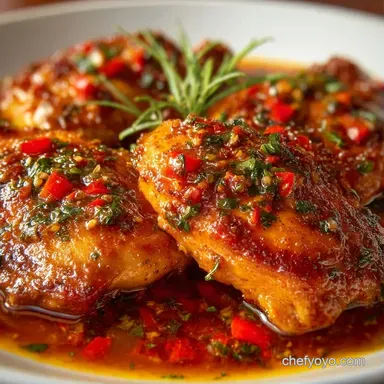
Lemon Red Pepper Chicken: Tangy and Vibrant
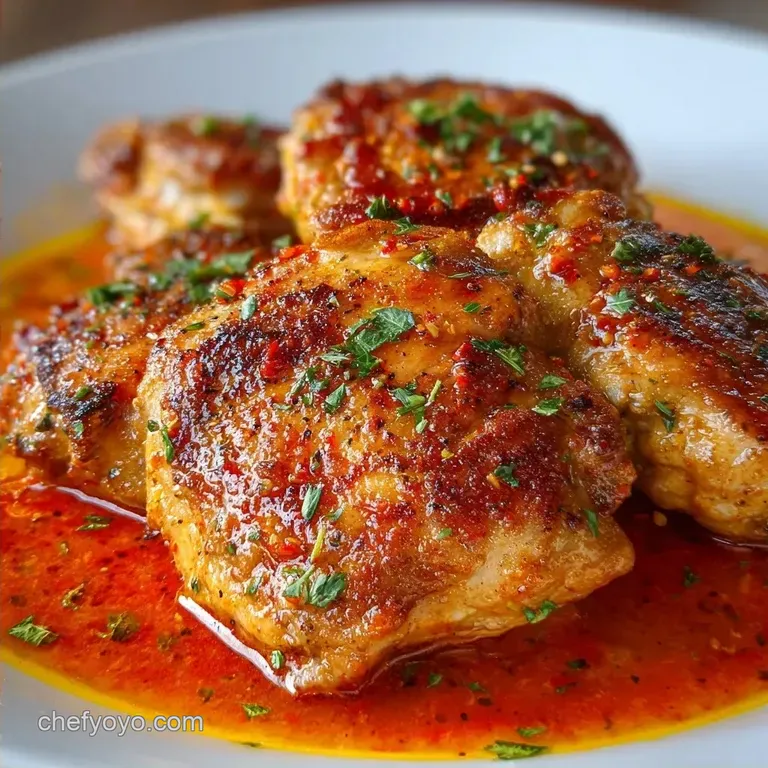
- Time: 15 min active + 25 min cooking
- Flavor/Texture Hook: Tangy, vibrant orange glaze with mahogany seared edges
- Perfect for: Weeknight dinners that feel like a fancy bistro meal
- Easy Lemon Red Pepper Chicken
- The Logic Behind the Flavor
- Component Analysis
- Ingredients and Substitutes
- The Required Tools
- Step-by-Step Cooking Guide
- Fixing Common Mistakes
- Troubleshooting Common Issues
- Scaling and Flavor Twists
- Truths About Searing
- Storage and Waste Tips
- Suggested Side Dishes
- Recipe FAQs
- 📝 Recipe Card
The scent of garlic hitting hot olive oil is usually where my favorite nights start. I remember one Tuesday when I was staring at a jar of roasted red peppers in the fridge and a pack of chicken thighs, feeling completely drained.
I didn't want a long project, but I wanted something that felt bold and colorful on the plate.
That night, I stopped overthinking and just blended everything together. I realized that if you sear the meat first and then let the sauce reduce in the same pan, you get this concentrated, velvety finish that tastes like it took hours. This Lemon Red Pepper Chicken is the result of that "I'm too tired to cook but I'm starving" energy.
You can expect a dish that hits every taste bud. It's got the smoky depth of paprika, the zing of lemon, and the sweetness of roasted peppers. It’s a quick win that looks impressive without requiring a culinary degree or a dozen pans.
Easy Lemon Red Pepper Chicken
To get this right, you have to focus on the layers. We aren't just boiling chicken in sauce. We are building a foundation of flavor through a hard sear, then using a concentrated puree to create a glaze. The result is a vivid, bold meal that doesn't taste "muted" or one dimensional.
The key is the transition from the skillet's high heat to a gentle simmer. When the pepper puree hits the pan, it picks up all those browned bits of chicken left behind. This is where the real magic happens.
Those caramelized proteins mix with the lemon and pepper to create a sauce that is thick and clings to the meat rather than pooling like a soup.
I've found that using thighs is non negotiable here. Breasts tend to dry out by the time the sauce reaches that glossy, reduced state. Thighs stay juicy and stand up to the bold acidity of the lemon. It's a much more forgiving cut of meat for this specific method.
The Logic Behind the Flavor
Understanding why these steps matter helps you tweak the recipe later. Here is the breakdown of what's actually happening in your skillet.
The Puree Effect: Blending the peppers and garlic into a smooth paste increases the surface area of the sauce. This allows it to coat every nook and cranny of the chicken more effectively than chopped vegetables would.
Fond Recovery: Searing the chicken creates "fond," those brown bits stuck to the pan. When we pour in the puree, we deglaze the pan, incorporating those concentrated savory flavors directly into the sauce.
Acid Timing: Adding lemon juice to the puree but finishing with fresh zest at the end provides two types of brightness. The juice cooks into the sauce, while the zest provides a fresh, aromatic punch that doesn't get muted by heat.
Butter Mounting: Stirring in cold butter at the end is a technique called monter au beurre. It gives the sauce a velvety sheen and rounds out the sharp edges of the lemon and red pepper flakes.
| Method | Total Time | Texture | Best For |
|---|---|---|---|
| Fast Glaze (This way) | 40 mins | Glossy and thick | Weeknight dinners |
| Classic Braise | 90 mins | Soft and stew like | Sunday lunch |
| Slow Cooker | 6 hours | Shredded and moist | Meal prep |
Component Analysis
Not every ingredient is just for taste. Some are there to change the structure of the sauce or the texture of the meat.
| Ingredient | Science Role | Pro Secret |
|---|---|---|
| Roasted Red Peppers | Thickening Agent | Drain them well so the sauce doesn't get watery |
| Lemon Juice | Protein Tenderizer | Use a fresh lemon; bottled juice lacks the essential oils |
| Smoked Paprika | Depth Provider | Adds a "grilled" flavor even if you're using a skillet |
| Unsalted Butter | Emulsifier | Adds the final gloss and a smooth mouthfeel |
Ingredients and Substitutes
I've listed everything you need below. Stick to these measurements for the best balance, but feel free to use the substitutes if your pantry is looking bare.
For the Pepper Base
- 1 jar (340g) roasted red peppers, drained Why this? Provides the bulk and sweetness of the sauce (Sub: Fresh roasted peppers)
- 2 tbsp (30ml) fresh lemon juice Why this? Cuts through the richness of the chicken (Sub: Lime juice for a zestier twist)
- 3 cloves (15g) garlic, minced Why this? Adds a sharp, savory punch (Sub: 1 tsp garlic powder)
- 1 tsp (2g) crushed red pepper flakes Why this? Adds a controllable heat (Sub: Cayenne pepper)
- 1/2 tsp (3g) smoked paprika Why this? Gives a subtle wood fired aroma (Sub: Sweet paprika)
For the Protein & Sear
- 1.5 lbs (680g) boneless, skinless chicken thighs Why this? More flavor and moisture than breasts (Sub: Chicken breasts, but reduce cook time)
- 2 tbsp (30ml) olive oil Why this? High smoke point for a good sear (Sub: Avocado oil)
- 1 tsp (5g) salt Why this? Essential for drawing out moisture for a crust (Sub: Kosher salt)
- 1/2 tsp (3g) black pepper Why this? Adds a woody, floral heat (Sub: White pepper)
- 1 tsp (2g) dried oregano Why this? Adds an earthy, herbal note (Sub: Dried thyme)
For the Final Glaze
- 1 tbsp (15ml) unsalted butter Why this? Creates the velvety finish (Sub: Vegan butter or olive oil)
- 1 tsp (5ml) lemon zest Why this? High note aromatic finish (Sub: Orange zest)
- Fresh parsley for garnish Why this? Adds a pop of color and freshness (Sub: Fresh cilantro)
The Required Tools
You don't need a fancy kitchen for this, but a few specific tools make it easier.
- Blender or Food Processor: This is mandatory for the smooth pepper puree. A handheld immersion blender works great if you blend directly in a bowl.
- 12 inch Cast Iron or Stainless Steel Skillet: I prefer cast iron because it holds heat better, which is how you get that mahogany crust on the chicken. Avoid non stick if you can, as they don't develop fond as well.
- Meat Thermometer: Digital is best. You want to hit exactly 165°F (74°C) so the meat stays juicy.
- Paper Towels: For drying the chicken. Wet chicken doesn't sear, it steams.
Step-by-step Cooking Guide
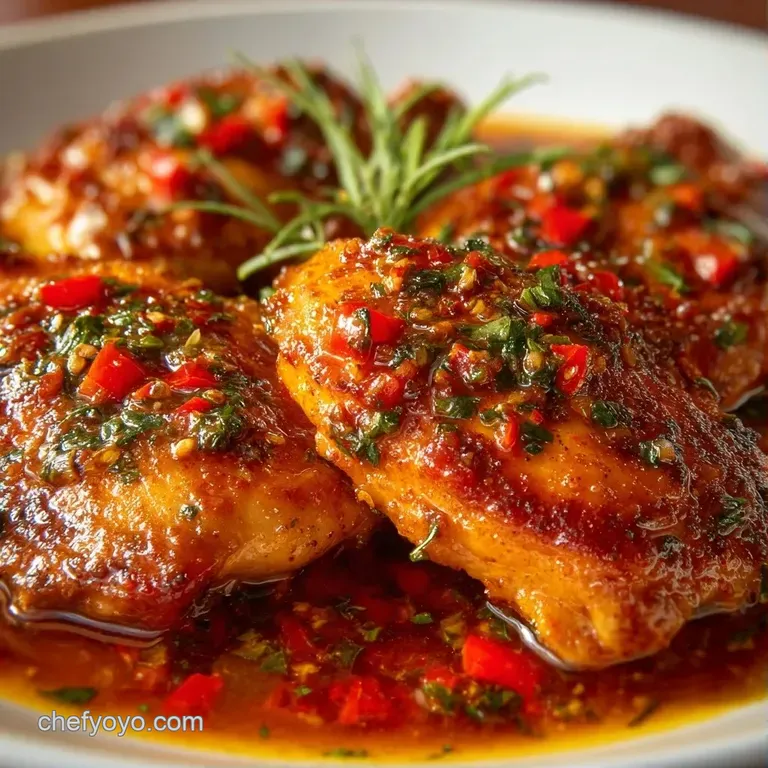
Follow these steps exactly. The timing of the sauce reduction is the most important part of the whole process.
- Create the puree. Combine the drained roasted red peppers, lemon juice, minced garlic, red pepper flakes, and smoked paprika in a blender. Process until the mixture is completely smooth and a vivid orange color. Set this aside.
- Prep the chicken. Pat the chicken thighs completely dry with paper towels. Note: Moisture on the surface prevents browning. Season both sides evenly with salt, black pepper, and dried oregano.
- Sear the meat. Heat olive oil in your skillet over medium high heat until it is shimmering. Add the chicken and sear for 5–7 minutes per side. Wait until a deep golden brown crust forms before flipping. Remove the chicken to a plate.
- Build the sauce. Reduce the skillet heat to medium. Pour in the pepper puree. Use a wooden spoon to scrape up the brown bits (fond) from the bottom of the pan.
- Thicken. Stir in the unsalted butter. Simmer for 3–5 minutes. Watch for the sauce to thicken slightly and start bubbling slowly.
- Combine and glaze. Return the chicken to the pan. Spoon the sauce over the meat to coat it.
- Final simmer. Simmer for another 5 minutes. Cook until the internal temperature reaches 165°F (74°C) and the sauce forms a thick, glossy glaze.
- The finish. Remove from heat. Sprinkle with lemon zest and garnish with fresh parsley before serving.
Chef's Note: If your sauce looks too thick after step 5, add a tablespoon of water or chicken broth. You want it to be a glaze, not a paste.
Fixing Common Mistakes
Even the best of us mess up. Usually, it comes down to heat management or moisture.
Troubleshooting Common Issues
| Issue | Solution |
|---|---|
| Why Your Sauce Is Too Thin | If your sauce isn't clinging to the chicken, you likely didn't simmer it long enough after adding the puree. The water in the peppers needs to evaporate to concentrate the flavors. |
| Why the Chicken Is Steaming | If you see grey meat instead of brown, your pan wasn't hot enough or you crowded the skillet. Cook in batches if necessary to keep the temperature high. |
| Why the Lemon Tastes Bitter | This happens if you add the zest too early or burn it in the pan. Always add the zest at the very end, after the heat is turned off. |
Common Mistakes Checklist
- ✓ Chicken patted completely dry before seasoning
- ✓ Oil shimmering before meat hits the pan
- ✓ Fond scraped from the bottom of the skillet
- ✓ Sauce reduced to a glaze, not a liquid
- ✓ Zest added only after removing from heat
Scaling and Flavor Twists
Depending on who you're feeding, you might need to adjust the proportions. This Lemon Red Pepper Chicken is flexible, but you can't just multiply everything by four.
Scaling Down (for 2 people) Use half the ingredients. However, don't halve the olive oil; use about 1.5 tbsp to ensure the pan stays lubricated. Use a smaller skillet (8 or 10 inch) so the sauce doesn't evaporate too quickly and burn.
Scaling Up (for 8 people) Double the chicken and pepper puree. For the spices, only increase them to 1.5x too much dried oregano or red pepper flakes can become overwhelming in large batches. Work in batches when searing the chicken.
If you crowd the pan, the temperature drops, and you'll lose that crust.
Adding a Creamy Element If you want a richer sauce, stir in 2 tbsp of heavy cream or a dollop of mascarpone during the final simmer. This turns the vivid orange glaze into a velvety, creamy sauce. If you do this, you can pair it with a Sauce for 4 Servings recipe for a full meal.
Making it Spicy For those who love heat, add a teaspoon of Sriracha or a chopped habanero to the blender puree. The sweetness of the roasted peppers balances the extreme heat of the pepper.
Truths About Searing
There are a few things people tell you in cooking school that aren't actually true. Let's clear some of that up before you start your next batch of Red Pepper Chicken.
The "Sealing in Juices" Myth You'll often hear that searing meat "seals in the juices." This is false. Searing doesn't create a waterproof barrier. The moisture loss happens regardless. The reason we sear is for flavor.
The browning creates a complex taste profile that you simply can't get from poaching or baking.
The "Lemon Toughens Meat" Myth Some say that marinating in lemon juice makes chicken rubbery. While a long soak in acid can "cook" the meat (like ceviche), using lemon in a sauce or a short marinade actually helps break down tough fibers.
In this recipe, the lemon is used for balance, not as a long term cure, so your meat will stay tender.
Storage and Waste Tips
Don't let the leftovers go to waste. This dish actually tastes better the next day as the peppers and lemon soak deeper into the meat.
Fridge and Freezer Store the chicken and sauce in an airtight container in the fridge for up to 3 days. To reheat, avoid the microwave if you can. Instead, place it in a small pan over medium low heat with a splash of water to loosen the glaze.
It stays good in the freezer for up to 2 months, though the sauce may separate slightly upon thawing.
Zero Waste Strategies
- The Pepper Jar: Don't throw away the liquid from the roasted pepper jar. It's essentially a seasoned brine. Use it as a base for a vinaigrette or stir it into a pot of quinoa.
- Lemon Scraps: After zesting and juicing, don't toss the lemon hulls. Put them in a freezer bag. When you have enough, simmer them with water and sugar for a simple syrup.
- Chicken Scraps: If you trimmed any fat or cartilage from the thighs, throw them in a pot with water and a carrot to make a quick stock.
Suggested Side Dishes
Because the Lemon Red Pepper Chicken is so bold and acidic, you want sides that can either absorb the sauce or provide a cool contrast.
The Low Carb Pairing Sautéed spinach or roasted asparagus works perfectly here. The earthiness of the greens cuts through the sweetness of the red peppers. For a bit of extra zing, top the greens with a Pickled Red Onion Recipe to mirror the acidity of the lemon.
The Comfort Pairing If you want something heartier, go with a creamy polenta or mashed cauliflower. The soft, neutral base allows the vivid orange sauce to be the star of the show. A side of jasmine rice also works, as it soaks up every last drop of the glaze.
The Fresh Pairing A simple cucumber and feta salad with a light mint dressing provides a cool, crisp contrast to the heat of the red pepper flakes. It refreshes the palate between bites of the rich, buttery chicken.
Right then, you've got everything you need. This Lemon Red Pepper Chicken is all about trusting the process sear it hard, blend it smooth, and finish it with that fresh zest. It's a vibrant, bold meal that proves you don't need a lot of time to make something that tastes high end.
Now, get in the kitchen and let's crack on!
Recipe FAQs
What is the best way to cook skinless chicken thighs?
Sear in a hot skillet then simmer in sauce. This creates a deep golden brown crust before finishing the meat to 165°F (74°C) to ensure the thighs remain juicy.
Do you have an easy chicken recipe?
Yes, this Lemon Red Pepper Chicken is a perfect choice. It requires minimal prep and takes only 40 minutes total. It pairs wonderfully with baked mac and cheese for a comforting dinner.
How can chicken dishes be made less spicy?
Reduce or omit the crushed red pepper flakes. You can still use the smoked paprika to maintain a rich, savory flavor without the intense heat.
What is the best spice to cook chicken with for a spicy result?
Use crushed red pepper flakes. When combined with smoked paprika, they provide both a sharp immediate kick and a deep, woody heat.
Why is the chicken rubbery?
The meat was likely overcooked. Ensure you remove the chicken from the heat exactly when the internal temperature hits 165°F (74°C) to keep the texture tender.
Why is the red pepper sauce grainy?
The puree was not processed long enough. Blend the roasted red peppers, garlic, and spices in a food processor until the mixture is completely smooth before adding it to the pan.
Is it true that crowding the pan helps the chicken cook faster?
No, this is a common misconception. Crowding the pan lowers the surface temperature, which causes the chicken to steam in its own juices rather than searing.
Lemon Red Pepper Chicken