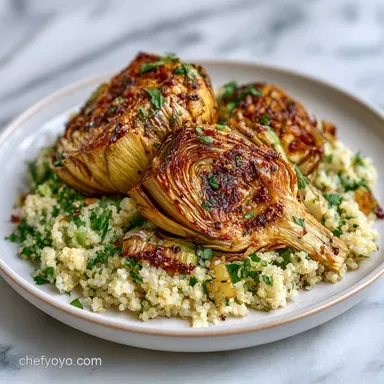
Olive Oil Roasted Bowl: Crispy Artichokes & Quinoa
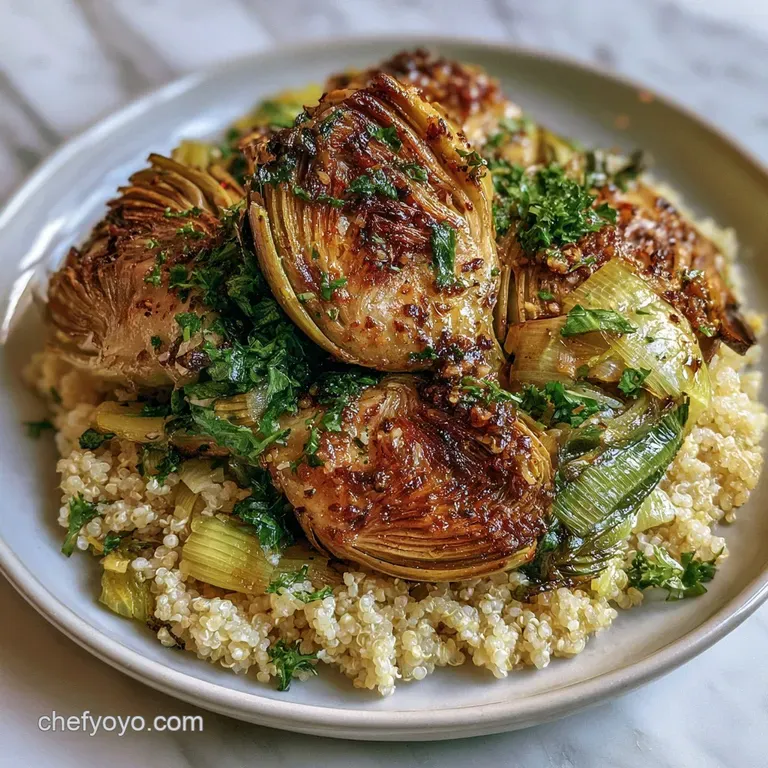
- Time: 15 min active + 25 min cooking = Total 40 minutes
- Flavor/Texture Hook: Mahogany charred artichokes and fluffy, citrusy grains
- Perfect for: Wholesome weeknight dinner or plant based meal prep
The Olive Oil Roasted Bowl
Ever wondered why some roasted vegetables come out tasting like steamed mush while others actually have those crisp, brown edges that taste like a campfire? I used to be the "mush" person. I'd throw everything on a tray, drown it in oil, and wonder why my dinner looked like a soggy mess.
Then I discovered the secret to the Olive Oil Roasted Bowl: the art of the pat dry.
I remember the first time I tried roasting canned artichokes. I just dumped them from the tin, tossed them with leeks, and slid them into the oven. It was a disaster. The water from the can created a mini steam room on my baking sheet, and instead of getting those gorgeous, charred edges, I had gray, limp vegetables.
It was a total letdown until I realized that moisture is the enemy of the roast.
Now, this recipe is my go to when I want something that feels rustic and wholesome but doesn't take three hours to prep. It's all about the contrast - the way the slightly bitter, charred artichokes hit the zesty, bright lemon quinoa, all tied together by a sauce that's so creamy it feels indulgent.
Trust me, once you see those artichokes turn a deep mahogany color, you'll never go back to steaming them.
Common Mistakes With Roasted Bowls
Most people treat roasting like a "set it and forget it" task, but that's where the magic gets lost. The biggest mistake is overcrowding the pan. When you pile vegetables on top of each other, they don't roast - they steam.
To get that actual roast, you need air to circulate around every single piece of leek and artichoke. If the pan is too full, the moisture stays trapped, and you lose that shatter crisp texture.
Another common slip up is neglecting the temperature of the oil. You want the oil to be hot the moment the vegetables hit the pan. If you use a cold oven or too little oil, the vegetables soak up the fat without actually searing, leaving them greasy rather than crispy.
I've learned that a high heat of 400°F is the sweet spot for getting a quick char without overcooking the inside of the leeks.
Finally,, people often forget to season the grains. Cooking quinoa in plain water is a missed opportunity. By using vegetable broth and adding lemon zest at the end, you create a base that supports the roasted components rather than just acting as a filler.
It transforms the whole dish from a "salad" into a cohesive, satisfying meal.
Cook Method Comparison
| Method | Time | Texture | Best For |
|---|---|---|---|
| oven roasted | 25 mins | Charred & Crisp | Deep flavor, bulk prep |
| Stovetop Sauté | 12 mins | Tender & Glazed | Quick meals, small portions |
The oven is definitely the winner here because it allows the artichokes to dehydrate slightly and concentrate their flavor, which you just can't get in a skillet.
Recipe Specifications
To get this right, you have to respect the timeline. This isn't a dish where you can rush the roasting process, but the overlap between the oven and the stove makes it incredibly efficient.
- 1. Prep Flow
- Preheat the oven, pat the artichokes bone dry, and slice the leeks. This takes about 10 minutes and is the most critical part of the process.
- 2. Cooking Flow
- Get the vegetables in the oven first. While they are roasting for those 25 minutes, you simmer your quinoa and whisk your sauce.
- 3. Finish
- Toss the lemon into the fluffy grains and assemble the bowls immediately while the vegetables are still sizzling.
Precision Checkpoints:
- Temperature: The oven must hit 400°F (200°C) before the tray goes in.
- Visual Cue: Artichokes should be mahogany colored, not just light brown.
- Quinoa Texture: Simmer for exactly 15 minutes until the sprouts are visible and the liquid is gone.
The Ingredient Shopping List
I've found that using extra virgin olive oil is non negotiable here. It brings a peppery, fruity note that complements the earthiness of the tahini. Honestly, don't bother with "light" olive oil; you want that rustic flavor profile.
Main Components
- 3 tbsp extra virgin olive oilWhy this? High smoke point for roasting and rich flavor
- 14 oz canned artichoke hearts, drained and patted dryWhy this? Convenient and absorbs seasonings well
- 2 medium leeks, white and light green parts only, sliced into roundsWhy this? Adds a mild, sweet onion flavor
- 1 tsp dried oreganoWhy this? Classic Mediterranean herbal note
- ½ tsp sea saltWhy this? Enhances the natural sugars in leeks
- ¼ tsp cracked black pepperWhy this? Subtle heat to balance the richness
- 1 cup uncooked white or tri color quinoaWhy this? High protein, nutty texture
- 2 cups vegetable brothWhy this? Adds depth to the grains
- 1 tbsp olive oilWhy this? Prevents quinoa from clumping
The Tahini Drizzle
- ¼ cup runny tahiniWhy this? Provides the velvety base
- 2 tbsp warm waterWhy this? Thins the sauce without losing creaminess
- 1 tbsp maple syrupWhy this? Balances the bitterness of tahini
- 2 tbsp fresh lemon juice (divided: 1 for quinoa, 1 for sauce)Why this? Cuts through the fat
- 1 tsp lemon zestWhy this? High impact citrus aroma
- 1 clove garlic, mincedWhy this? Sharp, pungent contrast
Ingredient Swaps
| Original Ingredient | Substitute | Why It Works |
|---|---|---|
| Quinoa (1 cup) | Farro (1 cup) | Chewier, heartier grain. Note: Requires longer cook time |
| Tahini (1/4 cup) | Almond Butter (1/4 cup) | Similar creaminess. Note: Sweeter, less earthy taste |
| Leeks (2 medium) | Shallots (4-5 large) | Similar allium profile. Note: Slightly sharper flavor |
If you're looking for a different way to use these flavors, my [Roasted Veggies Tahini Sauce](https://chefyoyo.com/recipes/roasted veggies-tahini sauce/) is a great addition to any roasted vegetable dish.
Essential Kitchen Gear
You don't need a fancy kitchen for this, but a few specific tools make the process a lot smoother.
First, a large rimmed baking sheet is a must. If you use a small pan, you'll end up overcrowding the vegetables, and we've already established that leads to sogginess. I prefer a heavy duty aluminum sheet because it distributes heat more evenly.
For the quinoa, a medium saucepan with a tight fitting lid is essential. If the steam escapes, your quinoa will be crunchy in some spots and mushy in others. Also, don't forget a small whisk or a glass jar for the tahini sauce.
Shaking it in a jar is actually my favorite method - it's faster and easier to clean than a whisk and bowl.
Step-by-step Cooking Flow
Right then, let's get into the actual cooking. This is where the magic happens.
Prepping the Produce
Preheat your oven to 400°F (200°C). Now, here is the most important part: take your drained artichoke hearts and pat them completely dry with paper towels. I mean completely dry. If they're even slightly damp, they'll steam instead of sear.
Roasting to Perfection
Toss the dried artichokes and sliced leeks on your large baking sheet. Drizzle with 3 tbsp of olive oil and sprinkle in the dried oregano, sea salt, and cracked black pepper. Spread them out in a single layer - give them some breathing room. Roast for 20-25 minutes.
Halfway through, give the artichokes a flip. You're looking for the leeks to be golden and the artichokes to be a deep, mahogany colored brown.
For the Lemon Quinoa
While the oven is doing its thing, rinse your quinoa under cold water to remove the natural bitter coating (saponins). Place it in a saucepan with 2 cups of vegetable broth and 1 tbsp of olive oil. Bring it to a boil, then turn it down to a simmer.
Cover and cook for 15 minutes until the liquid is fully absorbed and the grains look fluffy. Remove from heat and stir in the fresh lemon juice and lemon zest.
For the Tahini Drizzle
In a small jar or bowl, combine the tahini, warm water, maple syrup, 1 tbsp of lemon juice, and minced garlic. Whisk or shake vigorously until the sauce is smooth and velvety. If it's too thick, add another teaspoon of warm water.
Assembling the Bowl
Scoop a generous portion of lemon quinoa into each bowl. Top with a heap of the roasted artichokes and leeks. Finally, drizzle that tahini sauce over the top. It should look rustic, colorful, and smell like a Mediterranean summer.
Solving Common Texture Issues
Even with the best plan, things can go sideways. Most issues with an Olive Oil Roasted Bowl come down to moisture management.
Why Your Artichokes Aren't Crispy
If your artichokes are soft, you likely didn't dry them enough or your oven wasn't hot enough. According to roasting techniques discussed on Serious Eats, moisture on the surface of vegetables creates steam, which prevents the browning process. To fix this, ensure they are patted dry and avoid overcrowding the pan.
Why Your Quinoa Is Mushy
Mushy quinoa usually happens because of too much liquid or over stirring during the simmer. Once the lid is on, leave it alone! Stirring breaks the delicate grains and releases too much starch, creating a porridge like texture instead of fluffy grains.
Fixing Separated Tahini
Tahini naturally separates in the jar. If your sauce looks grainy or split, it's usually because the water was too cold or you didn't whisk long enough. Adding warm water helps the fats emulsify more smoothly.
Troubleshooting Guide
| Problem | Root Cause | Solution |
|---|---|---|
| Soggy Veggies | Too crowded pan | Use two trays if needed |
| Bitter Quinoa | Poor rinsing | Rinse in a fine mesh sieve until water is clear |
| Sauce is too thick | Not enough water | Add warm water 1 tsp at a time |
Common Mistakes Checklist
- ✓ Patted artichokes dry with paper towels
- ✓ Oven preheated to full 400°F
- ✓ Vegetables spread in a single layer
- ✓ Quinoa rinsed thoroughly before boiling
- ✓ Tahini whisked until completely smooth
Fresh Flavor Twist Ideas
Once you've nailed the basic Olive Oil Roasted Bowl, you can start playing with the ingredients to match the season.
The Mediterranean Twist Add halved cherry tomatoes and Kalamata olives to the roasting tray. The tomatoes will burst and create a natural sauce that mixes with the olive oil. Top the final bowl with crumbled feta cheese for an extra salty kick.
The Autumn Harvest Swap the leeks for cubed butternut squash and the artichokes for Brussels sprouts. Keep the tahini sauce, but add a pinch of cinnamon to the quinoa for a warmer, earthier profile. This makes the dish feel much more cozy.
High Protein Upgrade If you want more protein, this is the perfect place to add chickpeas. Toss a can of drained chickpeas onto the roasting tray with the other veggies. They'll get a wonderful crunch that contrasts with the fluffy quinoa. You could also top it with a jammy soft boiled egg.
Low Carb Substitution For those avoiding grains, replace the quinoa with cauliflower rice. Sauté the cauliflower rice in a pan with the same lemon and zest for 5 minutes instead of simmering it in broth.
It maintains the brightness of the dish while cutting the carbs significantly.
Saving and Storing Leftovers
This recipe is a dream for meal prep. The flavors actually deepen after a day in the fridge.
Storage Guidelines Store the lemon quinoa and roasted vegetables in airtight containers in the fridge for up to 4 days. I highly recommend storing the tahini sauce in a separate small jar.
If you mix the sauce in before storing, the quinoa will absorb all the moisture and the vegetables will lose their crispness.
Freezing Tips You can freeze the cooked quinoa for up to 3 months. However, I don't recommend freezing the roasted leeks or artichokes, as they lose their structure and become mushy upon thawing. If you must freeze them, do so quickly and reheat in an air fryer or oven to restore some of the texture.
Reheating the Bowl To reheat, place the vegetables and quinoa on a baking sheet and pop them in the oven at 350°F for about 10 minutes. This brings back the sizzle without overcooking the grains. Then, add fresh tahini sauce on top. For a quicker version, my Roasted Bowl with Sauce approach works well for reheating in batches.
Zero Waste Tips Don't throw away the dark green tops of the leeks! They're too flavorful. Clean them well and freeze them in a bag to toss into your next vegetable broth or soup.
Also, if you have leftover lemon zest, freeze it in an ice cube tray with olive oil to use as a flavor base for future sautéed dishes.
Best Ways to Serve
The Olive Oil Roasted Bowl is visually stunning, but the way you plate it can change the experience. I love using shallow, wide bowls to keep the ingredients spread out, which prevents the quinoa from getting compressed.
If you're serving this for a crowd, try a "build your own" station. Put the lemon quinoa in a large bowl, the roasted vegetables on a platter, and the tahini sauce in a squeeze bottle. It makes the meal feel interactive and allows people to customize their portions.
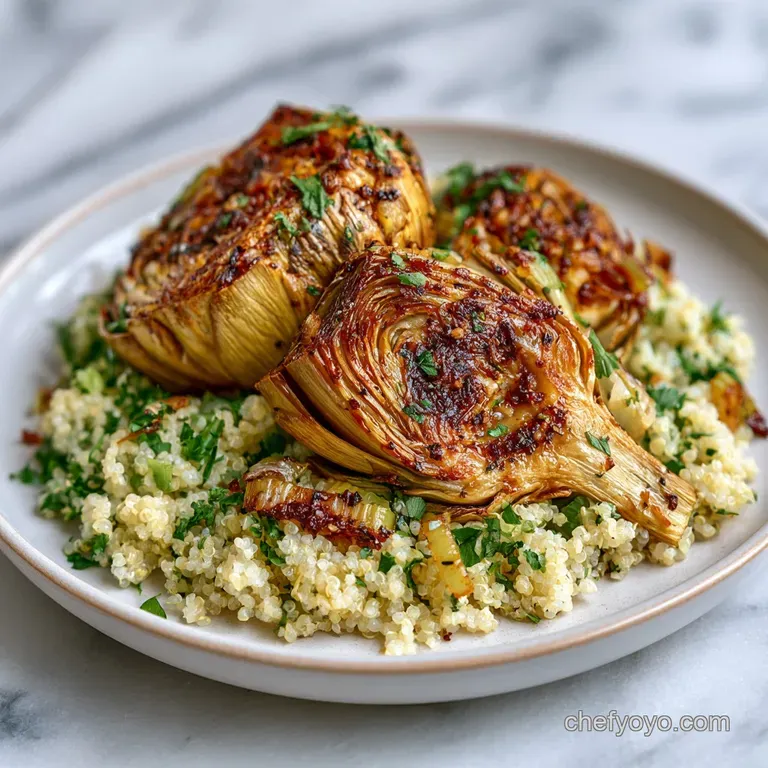
For a more formal presentation, place a neat mound of quinoa in the center, arrange the mahogany colored artichokes and golden leeks carefully on top, and use a spoon to create a spiral of tahini sauce around the edges. Garnish with a sprinkle of fresh parsley or toasted pumpkin seeds for an extra layer of texture.
It's a simple dish, but when you focus on those rustic, wholesome elements, it feels like something from a high end bistro.
Recipe FAQs
What oil is best for roasting these vegetables?
Extra virgin olive oil. It provides a rich flavor profile and performs reliably at the 400°F roasting temperature required for this recipe.
Can you roast with olive oil in the oven?
Yes. Olive oil is a standard choice for oven roasting and is ideal for achieving the mahogany color on the artichokes.
What are the essential components of a Buddha bowl?
A whole grain, roasted vegetables, and a creamy sauce. This specific bowl combines lemon infused quinoa, roasted leeks and artichokes, and a garlic tahini drizzle.
How to prepare roasted vegetables for a bowl?
Toss the vegetables in olive oil and seasonings. Spread them in a single layer on a rimmed baking sheet and roast at 400°F for 20-25 minutes.
Why are my roasted vegetables steaming instead of crisping?
You likely overcrowded the pan. When vegetables are piled on top of each other, moisture gets trapped, preventing the air circulation needed for a shatter crisp texture.
How to make the quinoa fluffy?
Simmer the rinsed quinoa in vegetable broth for 15 minutes. Finish by stirring in fresh lemon juice and zest to add brightness and prevent clumping.
How to get the tahini sauce smooth?
Whisk the tahini, warm water, and lemon juice vigorously. If you nailed the stable emulsion in this dressing, use the same whisking method in our homemade mayo recipe for a similar velvety result.
Olive Oil Roasted Bowl