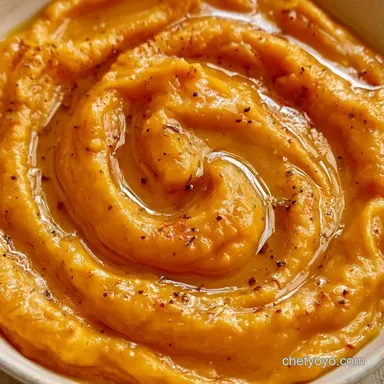
Roasted Fall Root Vegetable Puree
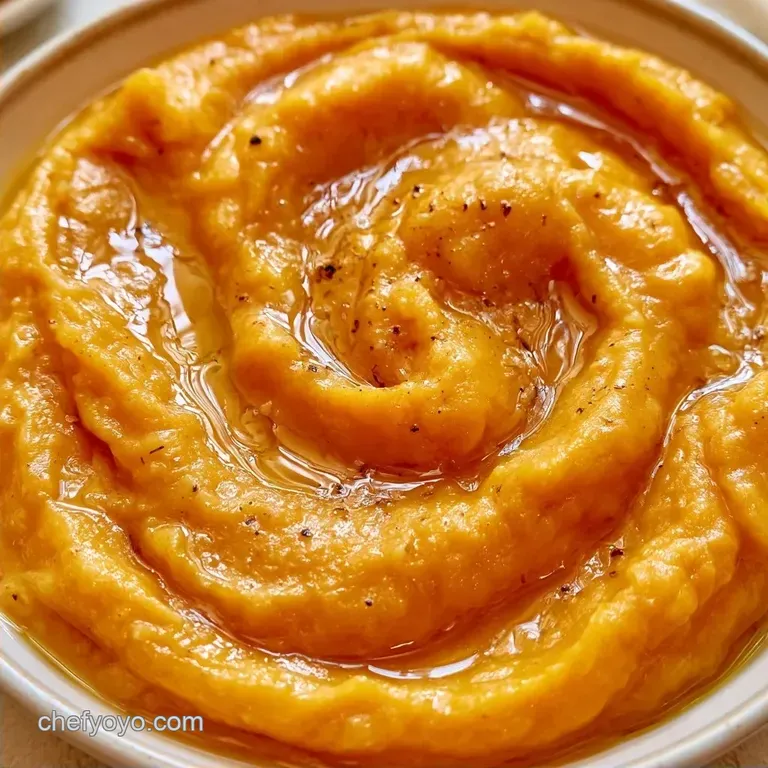
- Time:15 minutes active + 45 minutes roasting
- Flavor/Texture Hook: Glossy, rich, and naturally sweet
- Perfect for: Holiday sides or a fancy base for roasted meats
The nutty, caramelized scent of carrots and parsnips roasting at 400°F is something boiling simply can't replicate. That deep aroma fills the entire house, promising a meal that truly stands out. Switching from a standard mash to this roasting technique completely transforms the dish.
The result is a Root Vegetable Puree that tastes like a concentrated essence of autumn. It elevates the side from something rustic to a refined dish you'd expect to find in a restaurant.
You can expect a texture that is smooth and glossy. The bright hit of lemon juice perfectly balances the earthiness of the celeriac, making it an ideal companion for heavy proteins.
Creamy Roasted Root Vegetable Puree
The magic happens when you swap the pot for a baking sheet. Serious Eats' testing shows that roasting vegetables removes excess water and concentrates flavors, which prevents the final result from feeling like a thin soup.
- Dry Heat: Roasting evaporates moisture, which means the natural sugars in the parsnips and carrots caramelize and intensify.
- High Speed Shearing: Using a blender instead of a masher breaks down the tough cellular walls of the root veg, creating a smooth finish.
Recipe Specs
This dish is designed for a crowd, yielding enough for 8 people. The process is straightforward, but the timing is key to getting that deep color.
For the best results, keep these precision checkpoints in mind: 1. Oven temperature must be exactly 400°F (200°C). 2. Vegetables should roast for 30-40 minutes until mahogany colored. 3. Blend on high for exactly 60 seconds before adding fats.
The Building Blocks
The mix of vegetables here is intentional. The carrots bring sweetness, the parsnips add a peppery note, and the celery root provides a savory, herbal depth.
Ingredient Deep Dive
| Ingredient | What It Does | Best Swap |
|---|---|---|
| Celery Root | Adds earthy, savory depth | Parsnip (adds more sweetness) |
| Heavy Cream | Creates a rich, creamy base | Full fat coconut milk (adds nuttiness) |
| Chilled Butter | Adds gloss and richness | Vegan butter (similar fat profile) |
| Lemon Juice | Cuts through the fat with acidity | Apple cider vinegar (tangier) |
Full Ingredient List
- 1 lb (450g) carrots, peeled and chopped into 1 inch chunks Why this? Provides the main sweetness and color
- 1 lb (450g) parsnips, peeled and chopped into 1 inch chunks Why this? Adds a distinct, peppery autumn flavor
- 1/2 lb (225g) celery root (celeriac), peeled and cubed Why this? Gives the dish a savory, herbal backbone
- 3 tbsp (45ml) extra virgin olive oil
- 1 tsp (6g) kosher salt
- 1/2 tsp (3g) cracked black pepper
- 2 sprigs fresh thyme
- 4 tbsp (56g) unsalted butter, chilled Why this? Cold butter emulsifies better for a glossy finish
- 1/2 cup (120ml) heavy cream
- 1 tbsp (15ml) fresh lemon juice
- 1/4 tsp (1g) ground nutmeg
Necessary Gear
While any basic setup will work, these specific tools make the process much simpler.
- High speed blender: A Ninja or Vitamix is ideal for achieving a completely smooth consistency.
- Baking sheet: Use a large rimmed tray so the vegetables stay in a single layer.
- Parchment paper: This stops the sugars from sticking to the pan and burning.
- Chef's knife: Essential for cutting consistent 1 inch chunks so everything cooks evenly.
Key Steps
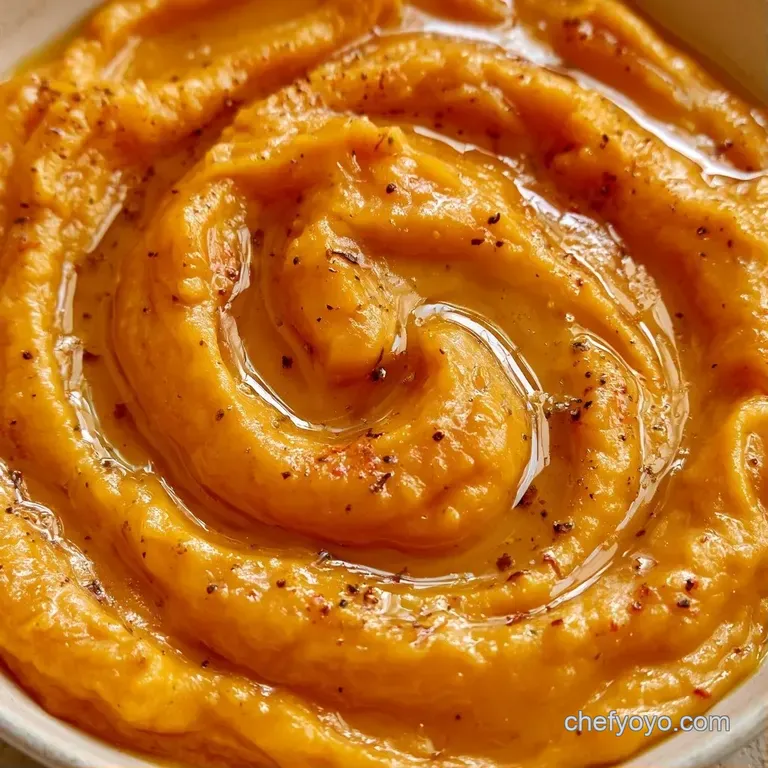
Now, let's dive into the preparation. The key is the shift from intense heat to a cool emulsion.
Phase 1: The High Heat Roast
- Set your oven to 400°F (200°C).
- Combine the diced carrots, parsnips, and celery root in a bowl with olive oil, salt, and pepper.
- Distribute the vegetables across a parchment covered baking tray, ensuring they aren't crowded.
- Roast for 30-40 minutes, giving them one stir halfway through, until tender and mahogany colored.
Phase 2: Pureeing the Vegetables
- Place the hot vegetables straight into a high speed blender. Note: If your blender is small, work in two batches to avoid overloading the motor.
- Blend on high for 60 seconds until a thick, smooth paste forms.
Phase 3: Creating the Emulsion
- While the blender runs on low, gradually pour in the lemon juice and heavy cream.
- Incorporate the chilled butter, one tablespoon at a time, until the puree becomes glossy and velvety.
- Stir in the ground nutmeg manually or give it one last pulse to combine.
Chef's Tip: For a richer flavor, try adding a teaspoon of maple syrup or a pinch of espresso powder while blending. You might also freeze the butter for 10 minutes first; the temperature difference helps stabilize the emulsion.
Avoiding Kitchen Disasters
Even the easiest recipes can have hiccups. For this Root Vegetable Puree, most common issues typically involve the consistency or the temperature.
Fixing a Grainy Texture
If you notice a bit of grit, it's likely due to fibrous parts of the parsnips that didn't fully break down. To solve this, simply press the final puree through a fine mesh sieve with a spoon. It only takes two minutes, but it gives the dish a professional finish.
When It Turns Runny
This usually happens if too much cream was added or the vegetables weren't roasted sufficiently. To fix it, return the puree to a small pot over medium heat for a few minutes to reduce the excess liquid.
Dealing with a Dull Color
If the puree looks pale, the vegetables didn't roast long enough. You want to see those brown, caramelized edges before they are added to the blender.
| Problem | Fix |
|---|---|
| Grainy texture | Pass through a fine mesh sieve |
| Too thin/runny | Simmer in a pan to reduce moisture |
| Pale color | Roast longer until mahogany edges appear |
Creative Twists
This recipe serves as a versatile base that you can easily customize. For a nuttier, plant based alternative, you might enjoy my Roasted Veggies Tahini Sauce.
For a Vegan Version
Use a premium plant based butter stick instead of butter, and substitute the heavy cream with full fat coconut cream. The coconut brings a subtle sweetness that complements the parsnips well.
For a Lighter, Zestier Taste
Substitute half of the heavy cream with a splash of vegetable broth and double the amount of lemon juice. This keeps the Root Vegetable Puree from feeling too heavy on the plate.
For an Autumn Maple Twist
Stir in one tablespoon of maple syrup and a pinch of cinnamon along with the nutmeg. This variation is a wonderful accompaniment for seared scallops or roasted pork.
If you are preparing a full autumn feast, this puree works beautifully as a creamy foundation in a Roasted Bowl recipe.
Quick Customization
- For more sweetness: add 1 tbsp honey or maple syrup.
- For a lighter feel: replace half the cream with Greek yogurt.
- For a thicker consistency: roast the vegetables for an additional 5 minutes.
Keeping It Fresh
Make the most of any remaining puree. It stays fresh for quite a while if stored correctly.
Keep the mixture in an airtight glass jar for up to 4 days. For a more extended shelf life, freeze individual portions for 3 months. To serve, let it defrost in the refrigerator overnight and warm it in a small saucepan on low heat, stirring in a bit of milk or cream to restore the texture.
Zero Waste Tip: Save your vegetable scraps! Keep them in a freezer bag and toss them into your next batch of vegetable stock. Simmer them with onion and celery to create a flavorful, homemade base.
How to Serve and Enjoy
The way you plate this makes a huge difference. Since it's so smooth, it looks best when "smeared" across the plate. Put a large dollop in the center and use the back of a spoon to swoop it toward the edges.
As a Gourmet Bed
Place a seared piece of salmon or a roasted chicken breast directly on top of the puree. The richness of the Root Vegetable Puree acts like a sauce and a side all in one.
As a Thanksgiving Side
Serve it in a warm ceramic bowl and top it with a knob of melting butter and a sprinkle of fresh thyme leaves. It’s a sophisticated alternative to mashed potatoes that usually gets a lot of attention.
Comparison: Fast vs. Classic
| Feature | Blender Method (Fast) | Ricer Method (Classic) |
|---|---|---|
| Texture | Ultra smooth and glossy | Slightly rustic and fluffy |
| Effort | Low (60 seconds blend) | Moderate (Hand mashing) |
| Flavor | Concentrated (Roasted) | Milder (Usually boiled) |
And that's it. Once you get the hang of the roasting part, this Root Vegetable Puree becomes a staple in my house every single autumn. It's simple, comforting, and looks way more impressive than it actually is to make. Enjoy!
Recipe FAQs
Which vegetables produce the smoothest puree?
Carrots, parsnips, and celery root. These specific root vegetables break down efficiently in a high speed blender to create a consistent, thick paste.
Are fall root vegetables only those that grow underground?
False. While this recipe focuses on tubers, the term generally refers to a variety of hearty, cool weather produce harvested in autumn.
What makes this puree taste better than boiled mash?
The roasting process. Cooking at 400°F evaporates excess moisture and caramelizes natural sugars, resulting in a nuttier, more concentrated flavor.
How do I achieve a velvety texture?
Blend the roasted vegetables on high for 60 seconds. Drizzle in heavy cream and lemon juice on low speed, then incorporate chilled butter one tablespoon at a time until glossy.
Can I use this as a side for main courses?
Yes, it pairs beautifully with rich proteins. If you enjoyed the savory depth here, see how the same flavor logic works in our creamy beef stroganoff.
Why do the vegetables need to be mahogany colored?
To ensure maximum flavor. That deep brown color indicates the sugars have caramelized, which prevents the final puree from tasting watery or bland.
Is it true that blending ruins the rustic appeal?
Not true. High speed shearing replaces rustic chunks with a professional, glossy finish that elevates the dish to a restaurant quality standard.
Roasted Root Vegetable Puree