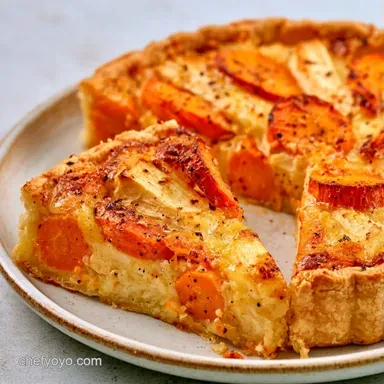
Shattering-Crust Rustic Fall Root Vegetable Tart
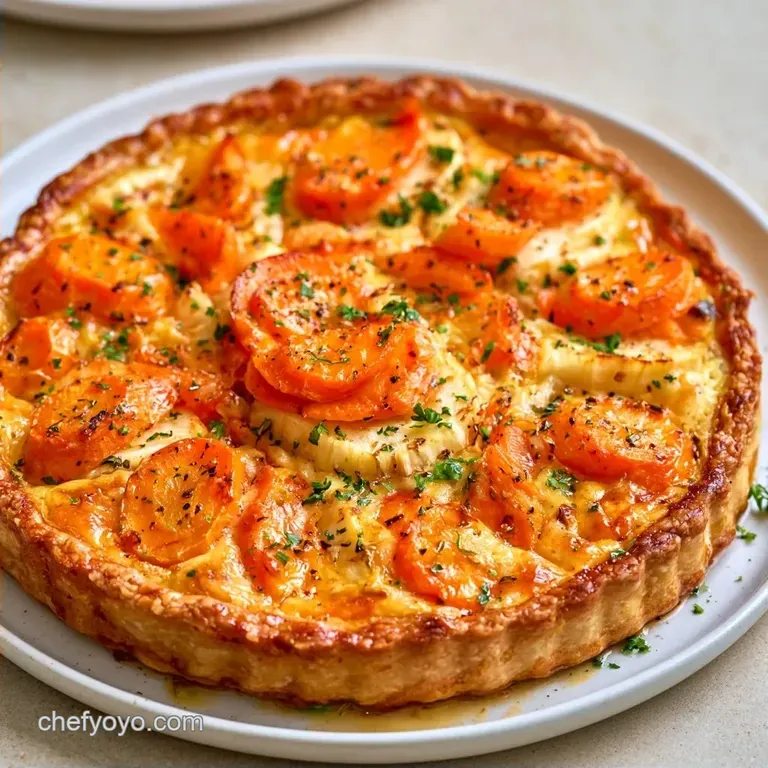
- Time:20 minutes active + 30 minutes chilling
- Flavor/Texture Hook: Shattering buttery crust and mahogany roasted roots
- Perfect for: Autumn dinner parties or a hearty weekend brunch
Root Vegetable Tart
The aroma of brown butter and roasting thyme always reminds me of a rainy November Tuesday from a few years back. I was attempting to clear out a surplus of parsnips and carrots, and I still recall the annoyance of my first try, where the vegetables leaked too much moisture and turned the crust into a sodden mess.
It was a bit of a catastrophe, truth be told.
Everything changed when I began roasting the vegetables first. The difference was staggering. By the time they were placed on the dough, they had developed a concentrated sweetness and deep mahogany edges that you simply can't achieve by baking them raw. This Root Vegetable Tart is the result of that kitchen discovery.
You can expect a dish that feels rustic and wholesome, featuring a crust that is incredibly crisp and flaky. The Yukon Gold potato is the true star here. While the carrots provide sweetness, the Yukon Gold offers a creamy, starchy foundation that keeps the tart from feeling too light or airy.
Other potato varieties just lack that same buttery stability.
Why This Tart Works
- Cold Fat: Keeping the butter ice cold creates tiny steam pockets during baking, which is what makes the crust flake.
- Pre Roasting: Cooking the roots at 400°F first removes excess moisture and browns the natural sugars, preventing a soggy bottom.
| Method | Time | Texture | Best For |
|---|---|---|---|
| Fast (Store Crust) | 15 mins | Uniform | Weeknight meal |
| Classic (Homemade) | 50 mins | Shattering | Special occasion |
Quick Reference Guide
This recipe is designed for a 12 inch rustic shape. Because we aren't using a tart pan, the edges stay irregular and golden.
| Goal | What to change |
|---|---|
| More tang | Increase lemon juice by 1 tsp |
| Crunchier crust | Chill dough for 60 minutes |
| Sweeter flavor | Swap parsnips for extra carrots |
Pantry and Produce List
The key is using a mix of roots to get a balance of colors. The bright white of the goat cheese, the deep orange of the carrots, and the final pop of green parsley make this a visual win.
| Ingredient | Role | If You Don't Have It |
|---|---|---|
| Yukon Gold Potato | Creamy anchor | Russet (will be grainier) |
| All Purpose Flour | Crust structure | Spelt flour (denser) |
| Cold Butter | Flakiness | Chilled coconut oil |
| Goat Cheese | Tangy richness | Feta (saltier) |
The Full List:
- 1.5 cups (190g) all purpose flour
- 0.5 cup (115g) cold unsalted butter, cubedWhy this? Creates the flaky layers
- 0.5 tsp (3g) sea salt
- 6 tbsp ice cold water
- 2 medium (150g) carrots, peeled and sliced into 1/4 inch rounds
- 2 medium (150g) parsnips, peeled and sliced into 1/4 inch rounds
- 1 medium (150g) sweet potato, peeled and sliced into 1/4 inch rounds
- 1 medium (150g) Yukon Gold potato, peeled and sliced into 1/4 inch roundsWhy this? Best buttery texture
- 2 tbsp (30ml) extra virgin olive oil
- 1 tsp (2g) dried thyme
- Salt and black pepper to taste
- 0.5 cup (120g) plain Greek yogurt
- 2 oz (56g) goat cheese, softened
- 1 clove (3g) garlic, minced
- 1 tbsp (15ml) fresh lemon juice
- 0.25 cup (15g) fresh parsley, chopped
| Original Ingredient | Substitute | Why It Works |
|---|---|---|
| Goat Cheese | Cream Cheese | Similar creaminess. Note: Less tang than goat cheese |
| Greek Yogurt | Sour Cream | Similar fat content. Note: Heavier mouthfeel |
| Dried Thyme | Fresh Rosemary | Same earthy profile. Note: More potent flavor |
Essential Kitchen Tools
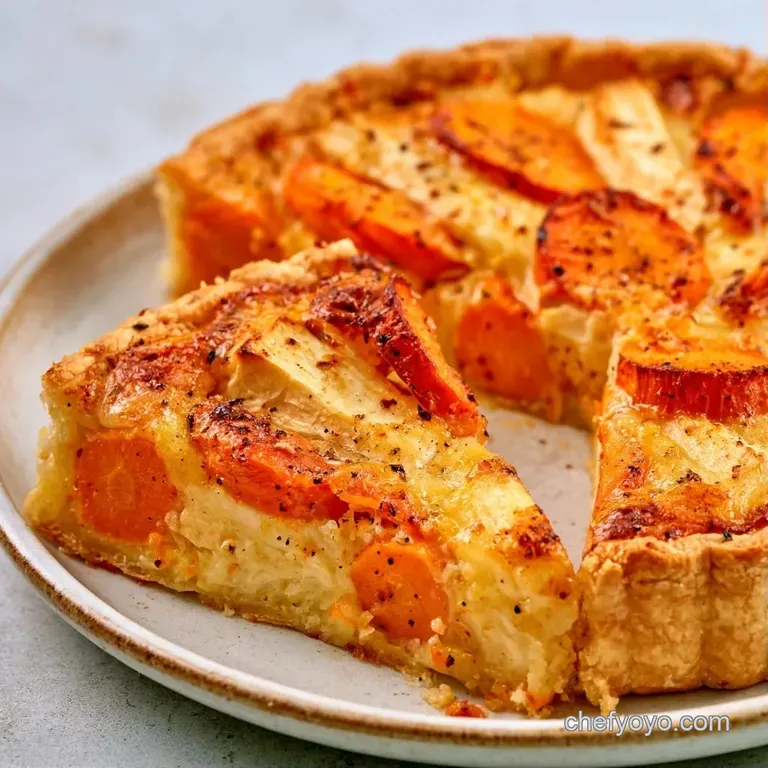
You don't need anything fancy here, but a few things make it easier. I use a pastry cutter for the butter, but a fork works just fine if you have a steady hand.
- Large mixing bowl
- Baking sheet
- Parchment paper
- Rolling pin
- Whisk
How to Put It Together
Phase 1: Crafting the Crust
- In a large bowl, whisk together the flour and salt, then stir in the cold, cubed butter.
- Use a fork to incorporate the butter into the flour Note: leave some pea-sized bits for flakiness until the mixture resembles coarse crumbs.
- Add ice water one tablespoon at a time, stirring gently until the dough just comes together. According to Serious Eats' testing, minimizing the handling of the dough prevents the gluten from toughening.
- Form the dough into a disc, wrap in plastic, and chill in the refrigerator for 30 minutes.
Phase 2: Caramelizing the Roots
- Preheat your oven to 400°F (200°C). Combine sliced carrots, parsnips, sweet potatoes, and Yukon Golds on a baking sheet with olive oil, salt, pepper, and thyme.
- Space the vegetables out and roast for 20-25 minutes until the edges are tender and mahogany colored>. Let them cool for a few minutes.
Phase 3: Assembly and Final Bake
- Set the oven to 375°F (190°C). Roll out the chilled dough on parchment paper into a 12 inch circle.
- Blend the Greek yogurt, softened goat cheese, minced garlic, and lemon juice until velvety.
- Spread the yogurt mixture in the middle, leaving a 2 inch border.
- Pile the roasted vegetables on top of the yogurt. Fold the pastry edges inward for a rustic look.
- Bake for 25-30 minutes until the crust is golden brown>. Finish with fresh parsley.
Fixing Common Issues
Fixing a Soggy Bottom
If the center of your Root Vegetable Tart feels too soft, your vegetables likely had too much surface moisture. Next time, roast them for an extra 5 minutes or sprinkle a pinch of cornstarch on the dough before adding the yogurt base.
For a Dough That Tears
This usually happens if the dough is too cold or the gluten is too tight. If it keeps snapping, let it sit on the counter for 5 minutes before rolling it out again. Just don't let it get too warm, or the butter will melt.
To Prevent Over Browning
Since the edges of the pastry are exposed, they can sometimes brown faster than the center. If you see the edges getting too dark, just shield them with a few strips of foil while the rest of the Root Vegetable Tart finishes baking.
Tasty Flavor Twists
You can easily shift the flavor profile of this dish by swapping the herbs. I've found that substituting sage for thyme creates a much more "Thanksgiving" feel. For a bit of heat, mix some red pepper flakes with the yogurt.
If you prefer a bit more richness, try drizzling a touch of honey over the roasted vegetables before assembling the tart. This provides a sweet and salty contrast that pairs perfectly with the goat cheese.
If you are serving this as a starter, you can prepare a smaller version of the Root Vegetable Tart and slice it into wedges.
For a complementary side, my Roasted Veggies Tahini Sauce is a wonderful addition for dipping the crust.
Saving Your Leftovers
Place any leftover Root Vegetable Tart in a loosely covered container and keep it refrigerated for no more than 3 days. Avoid freezing the finished tart, as the yogurt base may separate and become watery when thawed.
If you have a few roasted vegetables left but not enough for a full tart, don't throw them out. Instead, toss them into a Roasted Bowl with Sauce for a quick lunch. Just warm them in a pan for 2 minutes to restore that roasted crispness.
Best Ways to Serve
While this Root Vegetable Tart is most delicious when warm, it’s also quite tasty at room temperature. I enjoy pairing it with a light arugula salad tossed in a lemon dressing; the peppery flavor of the greens balances the creamy richness of the butter and goat cheese.
For a more sophisticated presentation, cut the tart into eighths and accompany each slice with a spoonful of Greek yogurt. This dish is versatile enough to be the star of a vegetarian meal or a side for roasted chicken. Be sure to garnish with fresh parsley right before serving for a vibrant touch of color.
Recipe FAQs
Which root vegetable works best for stability?
Yukon Gold potatoes. They provide a creamy, starchy anchor that prevents the tart from feeling too light or airy.
How to prevent a soggy crust?
Roast the vegetables at 400°F before adding them to the dough. This removes excess moisture and browns the natural sugars.
Is it true that vegetables should be added raw to the pastry?
No, this is a common misconception. Baking them raw releases too much water, which turns the crust into a soggy mess.
What temperature is used for the final bake?
375°F (190°C). This lower temperature ensures the crust turns golden brown without overcooking the pre-roasted vegetables.
Can this be paired with fresh bread?
Yes, they go perfectly together. Now that you've mastered the dough work, try applying those same techniques to these soft dinner rolls.
Do I need a professional tart pan for the rustic look?
False. Simply rolling the chilled dough into a 12 inch circle and folding the edges inward creates a natural, artisanal appearance.
Rustic Root Vegetable Tart