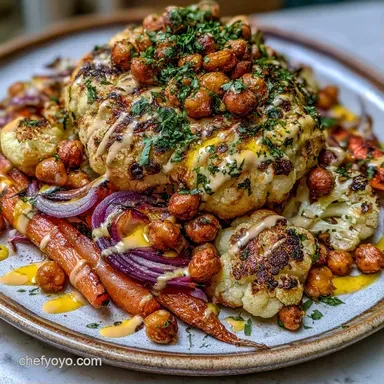
Roasted Veggie Bowl: Golden Tahini Sauce
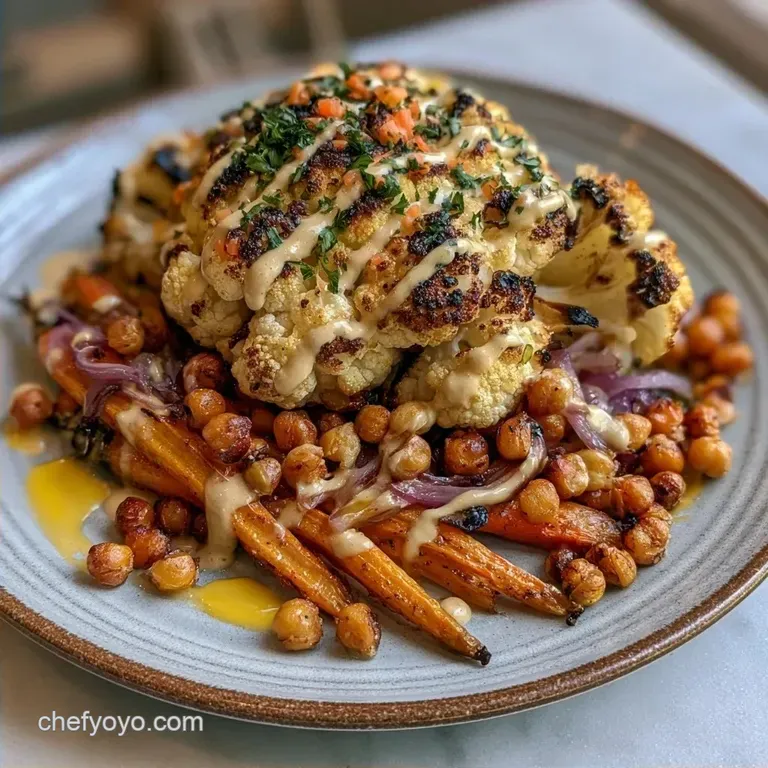
- Time: 15 min active + 30 min roasting = Total 45 mins
- Flavor/Texture Hook: Nutty tahini meets shatter crisp chickpeas and caramelized cauliflower
- Perfect for: Busy weeknight dinners or a healthy meal prep win
- 30 Minute Roasted Veggie Bowl with Tahini Dressing
- The Logic Behind The Flavor
- Component Analysis
- The Essential Ingredient List
- The Necessary Kitchen Tools
- Step By Step Preparation
- Solving Common Roasting Issues
- Creative Bowl Variations
- Adjusting the Portion Size
- Common Kitchen Misconceptions
- Storage and Reheating Guide
- Best Side Pairings
- Recipe FAQs
- 📝 Recipe Card
30 Minute Roasted Veggie Bowl with Tahini Dressing
The first thing you notice when this hits the table is that earthy, smoky aroma. I remember the first time I tried this on a chaotic Tuesday night when my fridge was basically just a collection of "sad" vegetables.
I tossed everything on a tray, cranked the heat, and suddenly the kitchen smelled like a professional bistro. The way the roasted cauliflower gets those little blackened edges while the carrots turn sweet and tender is honestly just magic.
It's the kind of meal that feels like you've spent hours in the kitchen, but you've actually just been hanging out while the oven does the heavy lifting. Try this delicious 30 Minute Roasted Veggie Bowl with Tahini Dressing for a quick and healthy meal.
You get a hit of warmth from the cumin, a zing from the lemon, and a velvety finish from the tahini that ties it all together.
We've got a plan here to get this on the table in under an hour. We'll handle the roasting and the grain cooking simultaneously so everything finishes at the exact same moment. No cold veggies, no soggy quinoa, just a hot, wholesome bowl that actually keeps you full.
The Logic Behind The Flavor
- High Heat Caramelization: Roasting at 220°C (425°F) forces the natural sugars in the carrots and cauliflower to brown quickly. This creates a deep, savory flavor before the vegetables can turn into mush.
- Tahini Emulsification: Adding warm water to the tahini breaks the tension of the thick paste. This turns a heavy, sticky sauce into a velvety drizzle that coats the veggies without weighing them down.
- Textural Layering: Combining the fluffy quinoa, the shatter crisp chickpeas, and the tender roasted onions creates a complex mouthfeel. It stops the bowl from feeling like "just a pile of vegetables."
- Acid Balance: The lemon juice in the dressing cuts right through the richness of the sesame fat. It wakes up the palate and makes the smoked paprika pop.
| Method | Time | Texture | Best For |
|---|---|---|---|
| Fast Roast (This) | 30 mins | Charred & Al Dente | Weeknights / Meal Prep |
| Slow Roast | 60 mins | Soft & Concentrated | Sunday Dinner / Sides |
| Steamed | 15 mins | Tender & Moist | Low Calorie Diets |
Component Analysis
| Ingredient | Science Role | Pro Secret |
|---|---|---|
| Tahini | Fat base & creaminess | Use a brand with oil on top for better flavor |
| Smoked Paprika | Flavor depth & color | Add a pinch more for a "fire roasted" vibe |
| Quinoa | Protein & structural base | Rinse thoroughly to remove bitter saponins |
| Lemon Juice | pH balancer / Brightener | Roll the lemon on the counter first for more juice |
The Essential Ingredient List
For the roast, you'll need a mix of hearty vegetables that can handle the heat.
- 450g cauliflower florets, bite sized Why this? Adds a nutty, earthy base to the bowl
- 3 medium carrots, peeled and sliced into coins Why this? Provides a natural sweetness when roasted
- 425g chickpeas (1 can), drained and patted dry Why this? Adds plant protein and a great crunch
- 1 medium red onion, cut into wedges Why this? Becomes jammy and sweet at high heat
- 45ml olive oil Why this? High smoke point for roasting
- 1 tsp smoked paprika
- 1 tsp garlic powder
- 1/2 tsp ground cumin
- 1/2 tsp sea salt
- 1/4 tsp black pepper
For the golden tahini sauce, keep things simple and zesty.
- 120ml runny tahini Why this? The creamy, nutty heart of the dressing
- 2 tbsp maple syrup Why this? Balances the bitterness of the sesame
- 45ml fresh lemon juice Why this? Cuts through the fat for a bright finish
- 1 clove garlic, finely minced
- 60ml warm water (adjust for thickness)
- 1/4 tsp salt
For the grain base, we're using a classic powerhouse.
- 1 cup (185g) uncooked quinoa Why this? gluten-free and high in protein
- 480ml water
- 1/2 tsp salt
Substitution Table
| Original Ingredient | Substitute | Why It Works |
|---|---|---|
| Cauliflower | Broccoli | Similar structure, though slightly softer texture |
| Tahini | Almond Butter | Same creamy fat content. Note: Nuttier, less "earthy" than sesame |
| Quinoa | Brown Rice | Heartier grain. Note: Takes longer to cook (about 40 mins) |
| Maple Syrup | Honey | Similar viscosity and sweetness. Note: Not vegan |
Right then, before we move to the tools, a quick word on the quinoa. If you're not used to it, it can sometimes have a slightly bitter aftertaste. This is because of saponins, a natural coating on the seed. A quick rinse under cold water for 30 seconds fixes this completely.
If you want something even more decadent, you can replace the water with vegetable broth for a deeper flavor.
The Necessary Kitchen Tools
You don't need a professional setup for this, but a few things make the flow much smoother.
- Large Rimmed Baking Sheet: This is non negotiable. A rimmed sheet prevents the olive oil from dripping into your oven and causing a smoke alarm disaster.
- Large Mixing Bowl: You need enough room to toss the vegetables without them flying across the kitchen.
- Whisk: A small whisk is best for the tahini sauce to ensure there are no lumps of garlic or syrup.
- Medium Saucepan with Tight Lid: This ensures your quinoa steams perfectly without losing too much moisture.
- Paper Towels: Trust me on this, you need these to get the chickpeas bone dry.
Chef's Note: If you have a convection oven, use it. The fan circulates the hot air, which helps the chickpeas get that shatter crisp texture much faster. Just keep an eye on them, as they can go from "golden" to "burnt" in about two minutes.
Step by step Preparation
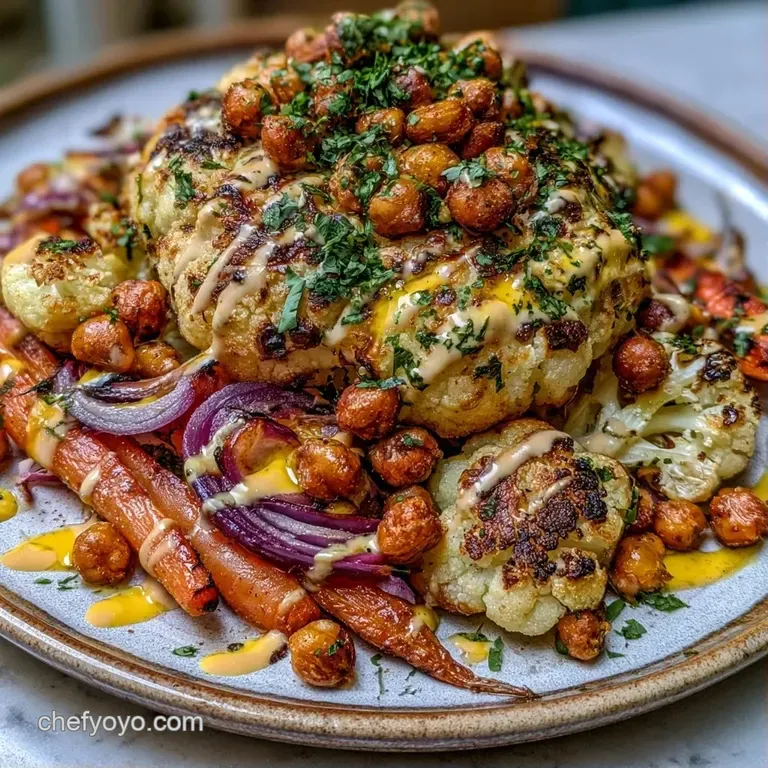
Let's crack on with the actual cooking. Follow these steps in order to keep your timeline tight.
- Heat the oven. Preheat your oven to 220°C (425°F). This high heat is the secret to the roast.
- Dry the chickpeas. Pat the drained chickpeas bone dry with a paper towel. Note: Any moisture left on them will steam instead of crisp.
- Season the mix. In a large mixing bowl, toss the cauliflower, carrots, onion, and chickpeas with olive oil, smoked paprika, garlic powder, cumin, sea salt, and black pepper. Toss until every piece is glossy.
- Arrange the tray. Spread the mixture in a single layer on your baking sheet. Note: If you crowd the pan, the veggies will steam and get mushy.
- Roast the veggies. Roast for 25-30 minutes. Toss them halfway through until the edges are charred and caramelized.
- Whisk the dressing. While the oven is working, combine tahini, maple syrup, lemon juice, minced garlic, and salt in a bowl.
- Thin the sauce. Slowly whisk in warm water, one tablespoon at a time, until the sauce is smooth and pourable.
- Simmer the quinoa. Cook the quinoa in a medium saucepan with water and salt according to package instructions. Simmer on low until fluffy.
- Assemble the bowls. Place a generous scoop of cooked quinoa in each dish.
- The finishing touch. Top with the roasted vegetable mixture and drizzle with the golden tahini sauce.
Solving Common Roasting Issues
Even for experienced cooks, roasting can be finicky. The balance between "perfectly charred" and "burnt" is a thin line.
Why Your Veggies Are Mushy
This usually happens because of overcrowding. When vegetables are too close together, they release moisture that gets trapped, creating a steam chamber. Instead of roasting, they poach in their own juices. Use two trays if you're doubling the recipe.
Solving Separated Sauce
Tahini can be temperamental. If your sauce looks curdled or separated, it's usually because the lemon juice was added too quickly to the thick paste. Simply keep whisking and add a teaspoon of warm water; the emulsion will stabilize.
Avoiding Burnt Garlic
Since we use garlic powder on the veggies and fresh garlic in the sauce, we avoid the "bitter burnt garlic" problem in the oven. Fresh garlic burns at high heat, which is why powder is the way to go for the roasting phase.
| Problem | Root Cause | Solution |
|---|---|---|
| Soggy Chickpeas | Too much moisture | Pat dry with paper towels before oiling |
| Bland Vegetables | Under seasoning | Salt the veggies twice- once before and once after |
| Sauce Too Thick | Not enough water | Whisk in warm water 1 tbsp at a time |
Common Mistakes Checklist
- ✓ Did you preheat the oven fully before putting the tray in?
- ✓ Are the vegetables spread in a single layer (no overlapping)?
- ✓ Did you rinse the quinoa to remove the bitter coating?
- ✓ Is the tahini sauce smooth without any garlic clumps?
- ✓ Did you toss the vegetables halfway through the roast?
Creative Bowl Variations
This recipe is a great canvas. Once you've nailed the base, you can pivot the flavor profile in a few different directions.
The Mediterranean Twist Swap the smoked paprika for dried oregano and add some kalamata olives and crumbled feta on top. If you want a different dressing, my Greek Dressing recipe works brilliantly here for a tangier, vinegar based hit.
The Asian Inspired Flare Replace the cumin and paprika with a tablespoon of soy sauce and a teaspoon of grated ginger. Instead of tahini, you could use a cashew based cream or even a peanut sauce. Top with toasted sesame seeds and sliced scallions.
Increasing the Protein While chickpeas provide a good amount of protein, some people want more. You can add grilled tofu cubes or even some seared seafood. For instance, adding some Garlic Butter Shrimp to the top of this bowl adds a luxurious, buttery contrast to the earthy tahini.
Swapping the Grain If you're not a fan of quinoa, farro is a fantastic alternative. It has a chewier, nuttier texture that holds up well under the weight of the roasted vegetables. Just remember that farro takes significantly longer to cook, so start it before you prep the veggies.
Adjusting the Portion Size
Scaling a roast is different from scaling a soup. You can't just multiply the ingredients and put them in the same pot.
Scaling Down (Half Batch) If you're cooking for two, use a smaller baking sheet (around 9x13 inches). Reduce the roasting time by about 5-10 minutes, as smaller quantities tend to heat through faster.
For the quinoa, use a very small pot to prevent the water from evaporating too quickly.
Scaling Up (Double or Triple) This is where most people mess up. Do NOT try to fit double the vegetables on one tray. You'll end up with steamed vegetables. Use two or three separate rimmed baking sheets. Keep the salt and spices at about 1.5x instead of 2x, then taste and adjust at the end.
The Grain Ratio When doubling the quinoa, keep the 1:2 ratio (1 cup grain to 2 cups water). However, reduce the total liquid by about 10% (about 2 tablespoons) if you're using a very large pot, as less steam escapes relative to the volume of the grain.
Common Kitchen Misconceptions
There are a few myths about veggie bowls and grains that I've seen floating around. Let's clear those up.
The Quinoa Soaking Myth Some people insist that you must soak quinoa for hours to make it digestible. In reality, a thorough rinse under a cold tap is enough to remove the saponins. Unless you're dealing with a very sensitive stomach, soaking doesn't significantly change the texture or nutrition.
The "Seal the Juices" Myth You'll often hear that searing vegetables "seals in the flavor." This isn't actually how it works. High heat creates a crust through browning, which adds new, complex flavors (thanks to the browning of sugars), but it doesn't "seal" anything.
The flavor comes from the char, not from trapping juice inside.
The Tahini Stirring Struggle Some believe you need to stir tahini for an eternity to get it smooth. The secret is the temperature of the water. Using warm water helps the fats in the sesame paste integrate much faster with the lemon juice and syrup.
Storage and Reheating Guide
If you're using this for meal prep, you've got a few options.
Fridge Storage Store the roasted vegetables and the quinoa in an airtight container for up to 4 days. Keep the tahini dressing in a separate jar. If you mix the dressing in before storing, the vegetables will absorb the sauce and lose their crunch, becoming a bit soggy by day two.
Freezing Tips You can freeze the cooked quinoa and the roasted vegetables separately for up to 3 months. I don't recommend freezing the tahini sauce, as the emulsion often breaks upon thawing, leaving you with an oily mess.
Reheating for Texture To get that shatter crisp texture back, avoid the microwave for the vegetables. Instead, pop them in a toaster oven or air fryer at 180°C (350°F) for about 5 minutes.
Heat the quinoa separately with a splash of water to steam it back to life.
Zero Waste Ideas Don't throw away the carrot peels or the cauliflower leaves! Toss the peels in a bit of oil and salt and roast them right alongside the vegetables. They turn into salty, crispy chips that are honestly better than the main veg.
If you have leftover tahini sauce, use it as a dip for raw cucumbers or stir it into a warm bowl of oatmeal for a savory breakfast.
Best Side Pairings
While this bowl is a complete meal, sometimes you want a little something extra on the side to round out the experience.
Fresh Contrasts Since the bowl is warm and earthy, a cold, crisp salad is the perfect partner. A simple arugula salad with a squeeze of lemon and some shaved parmesan provides a peppery bite that cleanses the palate between mouthfuls of the rich tahini sauce.
Crunchy Add ons If you want more texture, serve a side of toasted pita bread or some seed crackers. The bread is great for scooping up any leftover tahini sauce at the bottom of the bowl.
Light Beverages A sparkling water with a slice of cucumber or a light, zesty lemonade complements the lemon notes in the dressing. If you're looking for something warmer, a ginger tea pairs beautifully with the smoked paprika and cumin, adding a subtle heat that mirrors the roasting flavors.
Recipe FAQs
What's a good recipe for roasted vegetables?
Toss cauliflower, carrots, onion, and chickpeas with olive oil and savory spices. Roast the mixture at 425°F for 30 minutes to achieve a nutrient dense, caramelized finish.
How to prepare roasted vegetables?
Toss chopped vegetables and chickpeas in a bowl with olive oil, paprika, garlic powder, cumin, salt, and pepper. Spread them in a single layer on a rimmed baking sheet to ensure they roast instead of steaming.
What vegetables can be roasted without peeling them first?
Cauliflower and red onions. These specific ingredients maintain their structure and develop deep flavor without the need for peeling.
How to bake veggies in the oven?
Preheat the oven to 425°F (218°C). Roast your seasoned vegetables for 25-30 minutes, tossing them halfway through for even charring and color.
How to get my oven roasted vegetables to release less water?
Pat chickpeas bone dry with a paper towel and avoid overcrowding the pan. Excess moisture and tight spacing trap steam, which prevents the vegetables from browning.
30 minute roasted veggie bowl with tahini dressing time?
The total time is 45 minutes. This includes 15 minutes of active preparation and 30 minutes of roasting time.
Can I store this meal for the week?
Yes, keep components in airtight containers for up to 4 days. Store the dressing separately to maintain crunch; if you enjoy this meal prep efficiency, the same batch cooking logic applies to our Sunday Classic pot roast.
Roasted Veggie Tahini Bowl