The Venetian Secret Chefs Homemade Amaretto Liqueur

Moving Beyond Mass Produced Bottles
If you’ve only ever experienced the mass produced, saccharine versions of this classic Italian digestif, prepare to have your palate redefined. True Amaretto Liqueur should possess a complex, nutty depth with a subtle, sophisticated bitterness, not merely taste like synthetic almond syrup.
By crafting Homemade Amaretto , you gain complete control over the purity of the ingredients and the texture, elevating this spirit from a simple mixer to a truly luxurious sippable experience.
This process allows us to create Homemade Spirits that rival top-shelf commercial offerings, making it an outstanding candidate for thoughtful gifts, particularly as Homemade Alcoholic Christmas Gifts .
Our guide provides the necessary precision to achieve a professional grade spirit that is far superior to anything acquired off the rack.
Crafting Superior Homemade Amaretto
Decoding the True Flavor Profile of Amaretto
The term "Amaretto" itself translates to "little bitter," a crucial distinction often lost in modern manufacturing. The true essence of this liqueur isn't just almond it's the interplay between sweetness and a contrasting sharpness derived from stone fruit pits.
This delicate balance is the secret to a truly authentic flavor profile, moving beyond one-dimensional sweetness to achieve complexity.
The Apricot Kernel Connection: Bittersweet Balance
Historically, and most authentically, the primary flavor in this Amaretto Liquor comes not strictly from almonds, but from the kernels inside apricot pits. These kernels contain benzaldehyde, the natural compound responsible for the distinct marzipan aroma, and they provide the essential bittersweet edge.
While we won't be cracking open apricot pits in the kitchen, replicating this flavor is achieved through precise blending of pure extracts, ensuring we capture that traditional complexity.
Why Extracts Trump Whole Nuts in Liqueur Making
While some home liqueur recipes call for steeping whole nuts, we opt for high-quality, pure extracts in this recipe for the Chef's Homemade Amaretto . The reasons are threefold: consistency, intensity, and safety.
Whole almonds contain oils and starches that can lead to a cloudy final product, requiring complicated filtering. Pure almond extract (we require 2 teaspoons or 10 ml) delivers the intense, clean almond flavor instantly and consistently, drastically reducing the steep time required compared to whole nuts.
Using pure extract is critical ; imitation extracts will result in an artificial, synthetic taste.
Achieving That Silky Smooth Restaurant Finish
The defining characteristic of a professional grade liqueur is its mouthfeel. To create a Silky Smooth Amaretto Recipe , we must perfectly emulsify the simple syrup with the neutral spirit.
Our formula, yielding approximately 1 Litre (1000 ml), relies on a specific ratio of water, sugars (2 cups granulated sugar and 1/4 cup brown sugar), and 80-90 proof vodka (475 ml).
The patience required during the mandatory two to three week infusion period allows the sharp notes of the alcohol to mellow and the sugar molecules to fully integrate, resulting in that coveted luxurious, non-syrupy texture.
Essential Elements for Your Liqueur Base
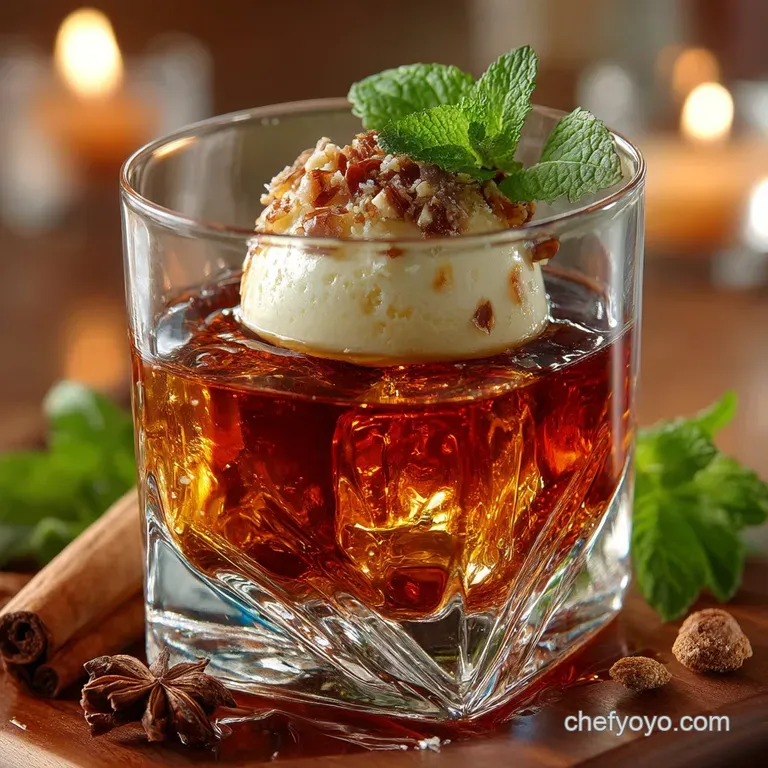
The foundation of any superior liqueur is its simple syrup, which serves not just to sweeten, but to build body and carry the flavor notes. We begin with 2 cups (475 ml) of filtered water combined with 2 cups of white granulated sugar.
For depth and a rich, amber hue reminiscent of true aged spirits, we incorporate 1/4 cup (50 g) of packed light brown sugar. This small addition of molasses adds a layer of caramelized complexity missing from recipes that rely solely on white sugar, ensuring the resulting liqueur isn’t just sweet, but truly flavorful.
Necessary Tools for Seamless Liqueur Creation
Creating Homemade Amaretto doesn't require specialized lab equipment, but having the right tools on hand ensures clarity and efficiency. You will need a medium saucepan and a heat safe whisk for the syrup, and crucially, a large glass jar (1.5 Litre minimum capacity) with a tight fitting lid for the steeping process.
Selecting the Perfect Neutral Spirit (Vodka or Grain Alcohol?)
The spirit base for the liqueur is 2 cups (475 ml) of neutral grain spirit, typically an unflavored vodka that is 80 to 90 proof (40-45% ABV). The goal is for the alcohol to provide the necessary preservation and heat without contributing its own flavor, allowing the almond and vanilla notes to shine.
While light rum or unaged brandy can be substituted, vodka is the most reliable choice for a clean, traditional Amaretto .
Sourcing high-quality Almond and Apricot Extracts
As noted, the quality of your extract directly correlates to the quality of the final product. We require 2 teaspoons (10 ml) of pure almond extract. Check the label carefully to avoid imitation products which contain artificial flavoring.
For those seeking a deeper, more authentically bitter stone fruit note, a portion of the almond extract can be substituted with apricot kernel extract, providing a closer approximation of the traditional profile.
The Secret Ingredient: Balancing Vanilla Notes
While almond is the star, balanced secondary flavors are what define a sophisticated spirit. We add 1 teaspoon (5 ml) of pure vanilla extract for warmth. The Chef's Homemade Amaretto also incorporates a subtle, optional secret ingredient: 1/4 teaspoon (1 g) of instant espresso powder.
This addition does not make the finished liqueur taste like coffee; instead, it dramatically deepens the color and enhances the underlying nutty and caramelized notes, adding unexpected maturity to the blend.
Vessel Requirements for Optimal Infusion
The large, clean glass jar is essential for the 2 to 3-week infusion period. Ensure it is sterilized before use to prevent any contamination that could shorten the shelf life. The jar must be airtight and stored in a cool, dark cupboard, as exposure to light can degrade the sensitive flavor extracts during the steeping phase.
Fine Mesh Filters and Cheesecloth for Clarity
To achieve a professional, commercial quality clarity, the final step requires meticulous filtering. You will need a fine mesh sieve and several layers of cheesecloth or muslin. Even with extracts, tiny particulates (like the espresso powder or minute sugar sediments) will remain.
Filtering multiple times through the cloth ensures the finished spirit is beautifully clear and perfectly presentable for bottling.
The Three Phases of Amaretto Preparation
The overall active time for this recipe is minimal about 40 minutes but the commitment to the 3-week steep is non-negotiable for superior results.
Phase One: Preparing the Aromatic Extraction
The process begins with the simple syrup base. Combine the filtered water, granulated sugar, and brown sugar in a saucepan. Place over medium high heat and whisk continuously until the mixture just reaches a simmer and all the sugar granules are completely dissolved.
It is crucial not to allow the syrup to boil vigorously. Once dissolved, remove the pan immediately and let the syrup cool completely to room temperature (a necessary 30 minutes).
Phase Two: Master the Caramelized Simple Syrup
Once the caramelized simple syrup base is fully cooled, transfer it to your large steeping jar. This is when the flavor notes are introduced: stir in the precise amounts of almond extract, vanilla extract, and the optional instant espresso powder.
Stir vigorously for a full 30 seconds to ensure the powerful extracts are evenly distributed throughout the thick syrup.
Phase Three: Blending and Proofing the Final Product
Slowly pour the neutral grain spirit (vodka) into the jar containing the flavored simple syrup. The liquid may cloud slightly at this stage. Seal the jar tightly and shake for one minute to fully combine the ingredients. The liqueur is now ready for its mandatory infusion phase.
Place the jar in a cool, dark location for a minimum of two weeks, shaking gently every 3 4 days. After two weeks, perform a taste test. If the almond flavor is not intense enough, you may add another 1/4 teaspoon (1 ml) of pure almond extract, then continue steeping for another week until the flavor fully matures.
The Cold Strain Technique for Maximum Purity
Once the flavor is perfectly balanced, achieving crystal clear results requires the cold strain technique. Line your fine mesh sieve with the cheesecloth and place it over a clean bowl. Slowly pour the Amaretto through the filter. This process removes any lingering sediment.
It is often necessary to strain the liqueur two or even three times, refreshing the cheesecloth, to ensure absolute purity before bottling.
Troubleshooting Cloudiness After Blending
Cloudiness is a common issue when blending homemade liqueurs, and it almost always happens if the simple syrup was still warm when mixed with the alcohol. Alcohol and warm water do not mix cleanly and will result in a cloudy emulsion. If cloudiness occurs, don't panic.
Patience is the cure: the prolonged 3-week steeping time, combined with the final cold strain, will naturally precipitate many of the tiny particles, allowing the liqueur to clarify beautifully over time.
Maximizing Shelf Life and Flavor Maturity
Optimal Storage Conditions for Homemade Spirits
Due to the high sugar content and the 40%+ ABV spirit base, Amaretto Liqueur has an excellent shelf life. However, sterilization is key for long term storage. Sterilize all final storage bottles and funnels before use.
Store the finished Homemade Amaretto in a cool, dark environment, where it can maintain its optimal flavor for up to a year or even longer.
Does Amaretto Liqueur Improve with Age?
Absolutely. While the liqueur is technically ready immediately after the initial two-week steeping and filtering, the flavor integration continues. The primary benefit of the three week period (and even a few extra weeks post bottling) is that the sharp, "hot" alcohol notes become completely integrated with the sweetness and the fragile almond oils.
The flavor complexity matures, transforming a mixed drink into a smooth, refined spirit.
Signature Serves: The Chef's Amaretto Sour
The ultimate showcase for your Chef's Homemade Amaretto is the classic Amaretto Sour Recipe . Unlike versions made with inferior store-bought liqueur, this cocktail truly shines with a homemade spirit.
To prepare, combine 2 oz of your liqueur with 1 oz of freshly squeezed lemon juice and, optionally, 1/2 oz of egg white for a rich, foamy texture. Shake vigorously with ice, then strain into a chilled glass.
It’s also magnificent served neat as a sophisticated Italian digestif, or drizzled over vanilla ice cream for an adult Affogato.
Flavor Twists: Adding Spice or Citrus Zest to the Blend
The great joy of creating Homemade Spirits is the ability to customize. For a festive variation perfect for Homemade Alcoholic Christmas Gifts , consider a Spiced Christmas Amaretto: add 1-2 whole cinnamon sticks and 3-4 whole cloves to the steeping jar during the infusion phase.
Alternatively, to lean into the traditional stone fruit profile, add 1/4 cup of high-quality Maraschino cherry juice for a Cherry Amaretto twist.
Quick Calorie Breakdown and Nutritional Notes
As a high proof, sweetened spirit, Amaretto is energy dense. Based on a standard 1.5 oz (45 ml) serving size, the calorie count ranges from 120 to 135 kcal. This is primarily derived from the sugar content (approximately 15 g of carbohydrates/sugar per serving) and the ethanol itself.
While delicious, this is a luxurious treat best enjoyed in moderation.
Recipe FAQs
How long will this lovely homemade Amaretto keep, and where's the best spot to store it?
Because the alcohol and high sugar content act as excellent preservatives, your homemade Amaretto has a brilliant shelf life up to a year, or even longer, if properly sealed. The key is ensuring your bottles are thoroughly sterilized before use.
Keep it in a cool, dark cupboard, out of direct sunlight, but there’s no need to use up valuable fridge space.
My batch tastes a bit too much like cough syrup. How do I tone down the almond extract?
Blimey! Almond extract is powerful stuff, and this is a common issue if the measurements are slightly off. Don’t chuck it out! If it’s too intense, try letting the liqueur infuse for the full three weeks; often, the harshness will mellow over time.
If patience fails, mix up an extra half batch of plain simple syrup (water and sugar only), let it cool, and gradually stir it into your liqueur until the flavour balance is spot on.
I followed the instructions to the letter, but my Amaretto looks a bit murky have I mucked it up?
Not at all, don’t fret! There are two likely causes for cloudiness. The first is mixing the simple syrup while it was still warm, which can cause the sugars to shock and crystallise slightly. The second is the tiny particles from the optional espresso powder or sugar sediment that naturally settled.
To fix this, simply strain the finished liqueur one more time through a very fine filter, like coffee paper or several layers of fresh muslin cloth. This extra filtration should leave you with a perfectly clear, gorgeous tipple.
Can I swap out the neutral spirit if I haven't got any vodka kicking around?
Absolutely, you’re not restricted to just vodka! The role of the neutral spirit is to provide the alcoholic kick without flavour interference, but you have options. Unaged white or light rum works brilliantly, offering a hint of subtle warmth.
Alternatively, high proof unaged brandy can add a lovely, complex depth without clashing with the essential almond notes just steer clear of heavily aged whiskies or dark rums.
Beyond a cheeky after dinner nip, what other things can I bake or mix with this homemade liqueur?
Your homemade Amaretto is far too special to be restricted to just sipping! It’s a stellar baking ingredient: splash it onto sponge fingers for an incredible Tiramisu or add a tablespoon to buttercream icing for a nutty frosting.
For drinks, skip the synthetic store-bought stuff and use this version in an authentic Amaretto Sour, or pour a generous amount over vanilla ice cream for a sophisticated adult Affogato.
Silky Smooth Homemade Amaretto Liqueur