Vegetable Soup: Contemporary Comfort
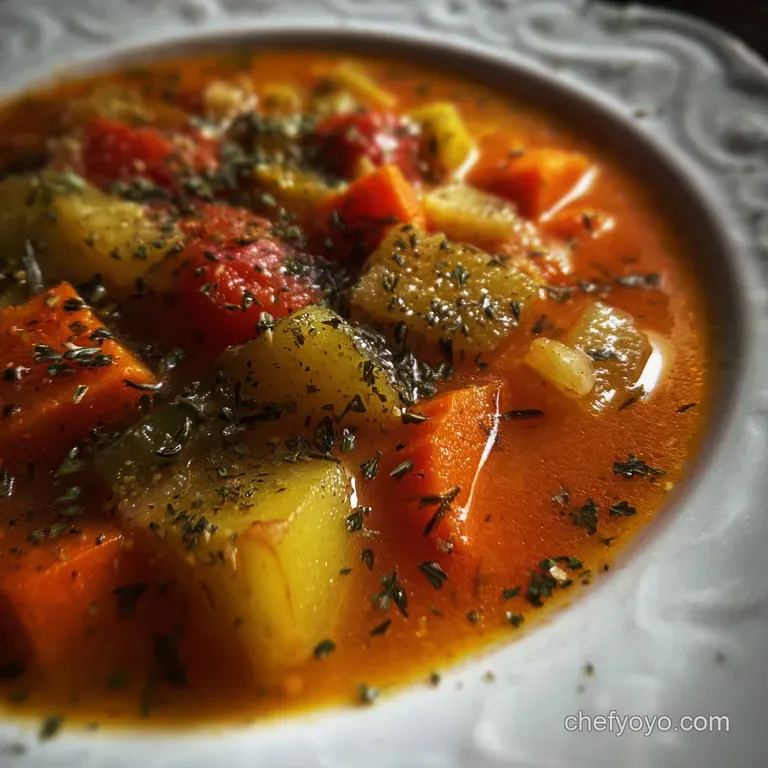
- Time: Active 20 minutes, Passive 40 minutes, Total 60 minutes
- Flavor/Texture Hook: Smoked paprika sizzle meets snappy green beans
- Perfect for: Stress free weeknight dinners or healthy meal prep
- Achieving Fusion Flavors in This Contemporary Vegetable Soup
- Essential Recipe Specifications
- Component Analysis
- The Elements and Substitutes
- Bringing It Together
- Pro Tips & Pitfalls
- Precision Checkpoints
- Flexible Dietary Adaptations
- Keeping It Fresh
- Contemporary Serving Suggestions
- Debunking Kitchen Myths
- High in Sodium
- Recipe FAQs
- 📝 Recipe Card
Achieving Fusion Flavors in This Contemporary Vegetable Soup
The first time I really "got" this dish, it wasn't at a fancy bistro. It was a Tuesday evening, the rain was lashing against the kitchen window, and I was staring at a half empty crisper drawer.
I tossed the diced onions into the shimmering oil, and that first hiss - that sharp, rhythmic sizzle - immediately cut through the gloom. As the 4 cloves of minced garlic hit the pan, the aroma transformed from sharp to buttery and sweet, filling the room with a scent that felt like a warm hug.
We've all had that watery, sad "hospital soup" before, right? Honestly, don't even bother with that. This version is different because it focuses on a creative presentation and a fusion of textures.
I wanted something where the potatoes felt velvety but the green beans still had a distinct "snap" when you bit into them. It's about that specific moment when the fire roasted tomatoes hit the hot aromatics and the steam carries the scent of smoked paprika across the kitchen.
Trust me on this, the secret isn't just in the 6 cups of broth. It's in the way we layer the flavors. We aren't just boiling vegetables; we're building a contemporary masterpiece. By the time you stir in that final handful of fresh baby spinach and watch it wilt into a vibrant emerald green, you'll realize this isn't just a side dish.
It's the main event. Let's crack on and make something that actually tastes as good as it smells.
Essential Recipe Specifications
The Physics of the Staggered Simmer: Staggering the addition of vegetables prevents the "mush factor" by ensuring high fiber items soften while delicate greens retain their structural integrity. This prevents starch gelatinization from turning the broth cloudy or thick.
- Maillard Depth: Sautéing the 150g of yellow onion until translucent creates complex sugars that provide a savory backbone without meat.
- Acidic Brightness: Adding 1 tbsp of lemon juice at the very end "wakes up" the dulled flavors from the long simmer, cutting through the starch.
- Osmotic Balance: Salting the 300g of cubed potatoes early allows the seasoning to penetrate the dense cells, rather than just coating the outside.
- Vapor Control: Simmering with the lid slightly ajar allows just enough evaporation to concentrate the 6 cups of vegetable broth for a richer mouthfeel.
| Method | Time | Texture | Best For |
|---|---|---|---|
| Stovetop | 60 minutes | Precisely controlled, snappy greens | Everyday dinner |
| Dutch Oven | 1 hours 15 mins | Deeply caramelized aromatics | Weekend slow cooking |
| Pressure Cooker | 35 minutes | Ultra tender, integrated flavors | Last minute prep |
When you're looking for that deep, comforting soul food vibe, this dish is very similar to the heartiness found in a Traditional Cabbage Roll recipe. Both rely on the slow release of vegetable sugars to create a broth that feels much richer than it actually is.
Component Analysis
| Ingredient | Science Role | Pro Secret |
|---|---|---|
| Yukon Gold Potatoes | Texture Builder | These release just enough starch to make the broth feel silky without falling apart. |
| Fire Roasted Tomatoes | Acidic Catalyst | The char on the skins adds a smoky "fusion" element that regular diced tomatoes lack. |
| Smoked Paprika | Aromatic Depth | It mimics the "umami" typically found in cured meats like bacon or ham. |
The Elements and Substitutes
- Extra Virgin Olive Oil (2 tbsp): Use avocado oil if you want a more neutral base.
- Yellow Onion (150g): Leeks are a brilliant substitute for a more contemporary, delicate flavor.
- Carrots (120g): Parsnips add a spicy, earthy twist. Why this? Carrots provide the essential natural sugar to balance the tomato acidity.
- Celery (100g): Fennel bulb adds a subtle anise note that’s very bistro style.
- Garlic (4 cloves): Garlic paste works in a pinch, but the fresh "bite" is better.
- Yukon Gold Potatoes (300g): Red potatoes work; avoid Russets as they dissolve too quickly. Why this? Their waxy texture holds its shape through the 40 minute simmer.
- Fresh Green Beans (100g): Asparagus tips are a great seasonal swap.
- Fire Roasted Tomatoes (14.5 oz): Regular diced tomatoes plus a drop of liquid smoke.
- Vegetable Broth (6 cups): Chicken broth is fine if you aren't keeping it vegan.
- Dried Oregano & Smoked Paprika (1 tsp each): Italian seasoning is a solid fallback.
- Frozen Sweet Corn (1 cup): Canned corn (drained) or fresh kernels from the cob.
- Fresh Baby Spinach (2 cups): Kale or Swiss chard (but add these 10 minutes earlier).
- Lemon Juice (1 tbsp): Apple cider vinegar provides a similar bright finish.
If you love the creamy, starchy satisfaction of the potatoes in this dish, you should definitely check out The Homemade Cheddar recipe for a more decadent take on a potato based bowl.
Bringing It Together
1. Sautéing for Depth
Heat the 2 tbsp olive oil in a heavy bottomed pot over medium heat. Add the 150g of diced yellow onion and sauté for about 5 minutes until translucent and shimmering. Note: Don't brown them; we want sweetness, not bitterness.
2. Aromatic Base Construction
Stir in the 120g of carrot coins, 100g of sliced celery, and 4 cloves of minced garlic. Cook for 3 minutes until the garlic scent fills the room.
3. Seasoning the Foundation
Add the 1 tsp oregano, 1 tsp smoked paprika, 1.5 tsp sea salt, and 0.5 tsp cracked black pepper. Toast the spices for 1 minute until they smell fragrant and toasted.
4. Deglazing and Simmering
Pour in the 14.5 oz of fire roasted tomatoes (with juices) and the 6 cups of vegetable broth. Use a wooden spoon to scrape any browned bits from the bottom of the pot.
5. Incorporating the Hearty Core
Add the 300g of cubed potatoes and the 2 bay leaves. Bring the mixture to a boil, then immediately reduce to a gentle simmer.
6. Managing the Texture
Simmer uncovered for 20 minutes. Add the 100g of trimmed green beans and continue to cook for another 10 minutes until the potatoes are fork tender.
7. The Sweet Finish
Stir in the 1 cup of frozen sweet corn. Cook for 5 minutes until the corn is bright yellow and plump.
8. Final Flourish and Brightness
Turn off the heat. Fold in the 2 cups of chopped baby spinach, 1 tbsp lemon juice, and 0.25 cup parsley. Stir until the spinach just wilts.
Pro Tips & Pitfalls
Why Your Potatoes Disintegrated
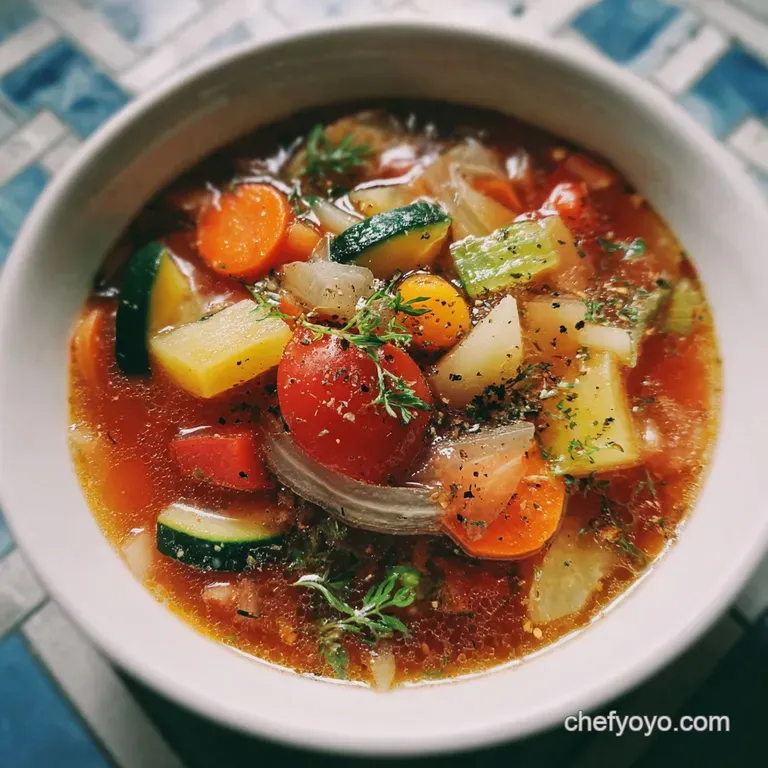
If your potatoes turned into a grainy mush, you likely used a starchy Russet instead of a waxy Yukon Gold. High starch potatoes have cells that shatter when boiled, whereas waxy varieties stay intact. Also, a rolling boil is the enemy; a gentle simmer is the secret to a clear, beautiful broth.
Avoiding the "Bland Broth" Trap
Watery soup usually happens when you skip the sautéing step or don't use enough salt. Salt isn't just a flavor; it's a tool that draws out the natural juices from the vegetables. If it tastes "flat," add another splash of lemon juice before reaching for the salt shaker.
| Problem | Root Cause | Solution |
|---|---|---|
| Dull Color | Overcooked greens | Add spinach and herbs only after turning off the heat. |
| Bitter Taste | Burnt garlic | Add garlic only after onions have softened and released moisture. |
| Thin Mouthfeel | Not enough starch | Smash a few potato cubes against the side of the pot to thicken. |
Common Mistakes Checklist
- ✓ Never add the garlic first; it will burn and turn acrid before the onions are ready.
- ✓ Pat the fresh green beans dry before cutting to ensure a clean "snap."
- ✓ Don't skip the fire roasted tomatoes; the char provides a essential contemporary depth.
- ✓ Always use a heavy bottomed pot (like a Dutch oven) to prevent the bottom from scorching.
- ✓ Wait until the very end for the lemon juice to keep the vitamin C and bright flavor alive.
Precision Checkpoints
- Carrot Coin Thickness: Aim for 1/4 inch; any thicker and they won't soften in time.
- Internal Temperature: The soup should stay at a steady 195°F (90°C) during the simmer never a hard boil.
- Potato Weight: Stick to the 300g measurement; too many potatoes will soak up all your broth and turn it into a stew.
Flexible Dietary Adaptations
Vegetable Soup Instant Pot Version
To make this in a pressure cooker, sauté the aromatics as usual. Add all ingredients except for the corn, spinach, and lemon juice. Set to High Pressure for 5 minutes with a Quick Release. Stir in the remaining items at the end.
It's a total time saver but you lose a bit of that "staggered" texture.
Transforming into a Creamy Vegetable Soup
If you want something more velvety, take 2 cups of the finished soup (after the potatoes are cooked) and blend it until smooth. Stir it back into the pot. This creates a creamy base without adding a drop of heavy dairy.
Low Carb Swap
Replace the 300g of potatoes with cubed cauliflower florets or daikon radish. Swap the corn for extra green beans or diced zucchini. You'll still get a hearty bowl without the starch heavy hitting.
If you enjoy the balance of acidity and hearty vegetables here, the Classic French Onion recipe offers a different but equally sophisticated take on the humble vegetable.
Keeping It Fresh
Storage Guidelines
Store your leftovers in an airtight glass container in the fridge for up to 4 days. In fact, it often tastes better the next day because the spices have more time to mingle. The potatoes might soak up some broth, so you may need a splash of water when reheating.
Freezing and Reheating
This freezes beautifully for up to 3 months. Just leave out the spinach if you're planning to freeze it, as it can get slimy. Reheat on the stovetop over medium low heat. Avoid the microwave if possible, as it can make the green beans rubbery.
Zero Waste Tips
Don't throw away those celery leaves! Chop them up along with the parsley for an extra herbal hit. Also, save your onion skins and carrot peels in a bag in the freezer. Once the bag is full, boil them with water to make your own "scrap broth" for the next batch.
Contemporary Serving Suggestions
The Bistro Pairing
Serve this in wide, shallow bowls to show off the vibrant colors. A thick slice of toasted sourdough rubbed with a raw garlic clove is the ultimate companion. For a bit of fusion flair, top with a dollop of pesto or a sprinkle of nutritional yeast for a cheesy, dairy-free finish.
Decision Shortcut
- If you want it richer, stir in a tablespoon of butter or olive oil right before serving.
- If you want it spicier, add a pinch of red pepper flakes with the smoked paprika.
- If you want it thicker, blend one cup of the broth and veggies then stir it back in.
Debunking Kitchen Myths
Myth: You must soak all vegetables before cooking. Truth: While washing is vital, soaking most vegetables actually leaches out water soluble vitamins (like B and C) into the water before they ever hit your pot. Just a quick rinse is all you need.
Myth: Adding salt to the pot makes the vegetables tough. Truth: This is actually the opposite. Salt helps break down the pectin in vegetable cell walls, allowing them to soften more evenly and season from the inside out.
Myth: Fresh vegetables are always better than frozen in soup. Truth: For items like corn or peas, frozen is often superior because they are "flash frozen" at peak ripeness, whereas "fresh" grocery store corn might have been sitting in a truck for a week, turning its sugars into starch.

High in Sodium
985 mg mg of sodium per serving (43% of daily value)
The American Heart Association recommends limiting sodium intake to about 2,300mg per day for overall cardiovascular health.
Tips to Reduce Sodium in Your Vegetable Soup
-
Low-Sodium Broth-30%
Replace the high-quality vegetable broth with a low-sodium or no-salt added vegetable broth. This single change can significantly reduce the overall sodium content.
-
Reduce Added Salt-25%
Decrease the amount of sea salt added from 1.5 tsp to 0.75 tsp, and adjust to taste after cooking. You can always add more, but you can't take it away!
-
No-Salt Added Tomatoes-20%
Opt for a can of no-salt added fire roasted diced tomatoes instead of regular. Ensure to check the label and compare the sodium content before purchasing.
-
Boost with Herbs
Enhance the flavor profile with more fresh herbs like parsley, thyme, or basil, and spices such as garlic powder or onion powder. Experiment with different combinations to create a flavorful and satisfying soup without relying on sodium.
-
Acidic Boost
Increase the amount of lemon juice to add more brightness and flavor complexity, which can help offset the need for salt.
-
Roast the Garlic
Roasting the garlic before adding it to the soup brings out a sweeter, more intense flavor that can reduce the need for salt. Roast a whole head of garlic and add a few cloves to the soup.
Recipe FAQs
What are the essential ingredients for a balanced vegetable soup?
Aromatic base, hearty starch, acidic element, and fresh green. Start with onion, carrot, and celery, then add a starch like Yukon Gold potatoes for body, fire roasted tomatoes for brightness, and finish with fresh spinach or beans for texture.
What should I actively avoid putting into vegetable soup to maintain texture?
Avoid over boiling starchy or delicate items together. Adding high starch potatoes too early or cooking delicate greens past their wilting point results in a mushy texture and cloudy broth; stagger your additions based on cooking time.
What are some common mistakes when making vegetable soup?
Skipping the initial sauté and under seasoning are the biggest errors. Sautéing the aromatics until translucent builds crucial base flavor, and you must season in layers, especially with salt, before simmering starts.
How do I ensure my broth is rich and not watery?
Build depth by toasting spices and concentrating the broth slightly. Toast your dried spices with the aromatics for one minute, and simmer the soup with the lid slightly ajar to allow just enough evaporation to concentrate the flavors.
How should I stagger vegetable additions for optimal texture?
Add the longest cooking items first, followed by medium, and delicate items last. Start with carrots and potatoes, wait 20 minutes, then add green beans, and finally, add corn and spinach right at the end when the heat is turned off.
Is it true that I need to use high-quality store-bought broth?
No, you can significantly elevate the flavor using technique instead of premium broth. By sautéing your base vegetables deeply and adding an acidic lift at the end, you create the illusion of a long simmered stock, similar to the flavor layering used in Sweet Heat Poblano recipe.
How can I make a satisfying vegetable soup without any meat products?
Use smoked paprika and fire roasted tomatoes to mimic depth. The charred flavor from the tomatoes and the smoky richness of the paprika replace the umami usually provided by cured meats, offering a complex savory base perfect for a hearty meal like My Family's Classic recipe.
Vegetable Soup In 60 Minutes
Ingredients:
Instructions:
Nutrition Facts:
| Calories | 198 kcal |
|---|---|
| Protein | 5.8 g |
| Fat | 5.3 g |
| Carbs | 34 g |
| Fiber | 6.2 g |
| Sugar | 7.4 g |
| Sodium | 985 mg |
