Roasted Tomato Soup Recipe: Silky Finish
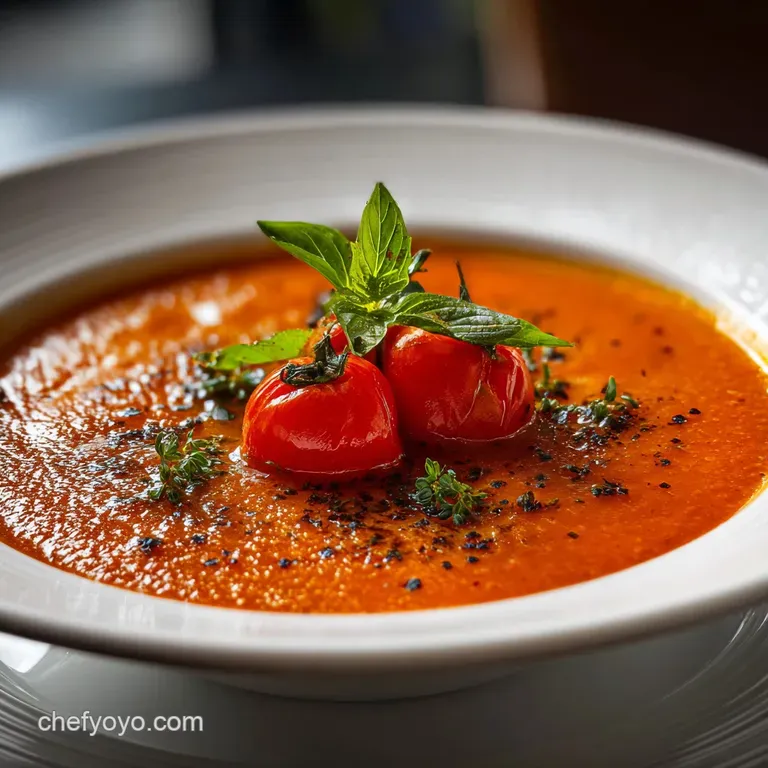
- Time: Active 10 minutes, Passive 25 minutes, Total 35 minutes
- Flavor/Texture Hook: Concentrated roasted sweetness with a velvety, silk like finish
- Perfect for: Cozy weeknight dinners or a sophisticated starter for dinner parties
- The Best Way to Make Tomato Soup Recipe
- Science of Roasted Tomato Success
- Planning Your Mediterranean Inspired Meal
- Selecting Elements for a Vibrant Base
- Essential Tools for a Velvety Texture
- Step by Step Flavor Integration Guide
- Expert Solutions for Fixing Common Texture and Flavor Issues
- Fusion Ideas to Personalize Your Bowl
- Safe Storage and Efficient Reheating Methods
- Finishing Your Dinner Bowl with Contemporary Artistic Touches
- Recipe FAQs
- 📝 Recipe Card
The Best Way to Make Tomato Soup Recipe
The sizzle of tomato juices hitting a hot roasting pan is a sound that instantly makes my kitchen feel like home. Last Tuesday, the sky turned a bruised purple and the rain started drumming against the window, and I knew right then that a cardboard carton of soup wasn't going to cut it.
I needed that concentrated, almost jammy aroma of slow roasted Romas to fill the house and take the chill off the evening.
There's something transformative about watching those skins blister and char under the broiler. I used to just simmer everything in a pot, but the result was always a bit flat and one dimensional.
Once I started roasting the garlic and onions right alongside the tomatoes, the flavor profile shifted from "fine" to "I need three bowls of this immediately." The house smells like a high end Italian bistro, and honestly, that's half the fun of cooking it.
This isn't just another quick meal, it's a way to squeeze every drop of sunshine out of a vine ripened tomato. We're talking about a texture so silky it coats the spoon, balanced with a tiny splash of balsamic that makes the whole thing sing.
You're going to see how simple ingredients, when treated with a bit of heat and patience, turn into something truly special that you'll want to share with everyone.
Science of Roasted Tomato Success
Maillard Concentration: over High heat roasting triggers a chemical reaction that converts natural sugars into complex savory compounds, while evaporating water to intensify the tomato essence.
Lipid Flavor Extraction: Roasting tomatoes in olive oil allows fat soluble flavor compounds and lycopene to dissolve into the oil, ensuring every spoonful carries maximum taste.
Allicin Transformation: Roasting garlic cloves in their skins or whole mellows the harsh, pungent sulfur compounds into a buttery, sweet paste that blends seamlessly into the liquid.
Emulsion Stability: Adding cold butter at the end creates a mechanical bond between water and fat, resulting in a thicker, glossier texture that feels lighter than heavy cream.
| Method | Total Time | Texture | Best For |
|---|---|---|---|
| Roasting (Oven) | 35 minutes | Deep, charred, and concentrated | Maximum flavor depth |
| Simmering (Stovetop) | 20 minutes | Fresh, bright, and acidic | A quick, light lunch |
| Slow Cooker | 4 hours | Mellow and very soft | Set it and forget it prep |
Roasting is generally the superior choice because it provides a level of caramelization that stovetop simmering simply cannot replicate. The direct heat of the oven creates those dark, charred bits on the tomato skins that add a smoky whisper to the final blend.
Planning Your Mediterranean Inspired Meal
Achieving the right balance in a tomato soup recipe requires a few precision checkpoints. First, ensure your oven is preheated to exactly 400°F to get that immediate sear on the vegetables.
Second, the tomatoes should roast for exactly 25 minutes, or until you see the skins start to pull away and blacken slightly. Finally, if you're checking for temperature, the soup should reach at least 165°F after simmering with the broth to ensure it's piping hot and the flavors have fully melded together.
| Ingredient | Science Role | Pro Secret |
|---|---|---|
| Roma Tomatoes | Provides structure and acidity | Use overripe ones for higher sugar content |
| Cold Butter | Creates a stable emulsion | Keep it in the freezer until the last second |
| Balsamic Vinegar | Balances the pH level | A tiny drop acts as a flavor "highlighter" |
The cold butter is particularly important because if it's too warm, it will just melt into an oily layer on top of the soup. By using chilled cubes, you force the fat to disperse into tiny droplets as you blend, which is what gives the soup its famous velvety finish.
Selecting Elements for a Vibrant Base
- 3 lbs fresh Roma or vine ripened tomatoes: Why this? Romas have less water and more "meat" for a thicker consistency.
- 1 large yellow onion: Why this? Provides a foundational sweetness that balances the tomato acidity.
- 6 cloves garlic: Why this? Becomes sweet and nutty when roasted instead of bitter.
- 3 tbsp extra virgin olive oil: Why this? Carries the fat soluble flavors and helps with the roasting process.
- 1 tsp sea salt: Why this? Enhances the natural flavors without adding a chemical aftertaste.
- 1/2 tsp cracked black pepper: Why this? Adds a subtle back of-the throat heat to the finish.
- 2 cups vegetable or chicken broth: Why this? Provides the liquid base; chicken broth adds more savory depth.
- 1/2 cup fresh basil leaves: Why this? Essential for that classic aromatic pairing with tomatoes.
- 4 tbsp unsalted butter: Why this? The key to a luxurious, silk like mouthfeel without heavy cream.
- 1 tsp balsamic vinegar: Why this? Cuts through the richness and brightens the overall profile.
| Original Ingredient | Substitute | Why It Works |
|---|---|---|
| Roma Tomatoes | Canned Whole San Marzano | Similar low moisture profile; great for winter when fresh is poor. |
| Unsalted Butter | Full fat Coconut Milk | Provides creamy fat content. Note: Adds a subtle tropical scent. |
| Fresh Basil | 1 tbsp Dried Basil | Concentrated herb flavor. Note: Add during roasting for best results. |
If you’re looking for a heartier meal, this soup pairs beautifully with a side of Traditional Cabbage Roll recipe. The acidity of the tomatoes cuts through the savory meat and rice filling of the rolls perfectly.
Essential Tools for a Velvety Texture
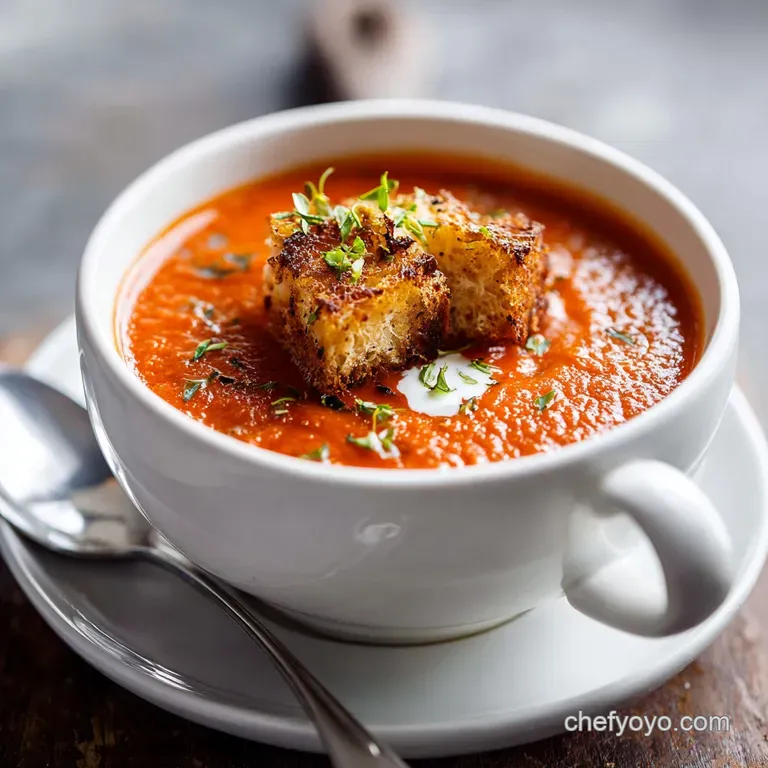
You don't need a professional kitchen, but a few specific tools make this tomato soup recipe much easier to manage. A large, rimmed baking sheet is non negotiable for the roasting phase; if the pan is too small, the tomatoes will steam in their own juices instead of roasting.
I prefer using a heavy duty sheet like one from Nordic Ware because it distributes heat evenly and won't warp at high temperatures.
An immersion blender (or stick blender) is your best friend here because it allows you to blend the soup directly in the pot, which means fewer dishes and less chance of burning yourself while transferring hot liquid.
If you do use a traditional countertop blender, just remember to remove the center plastic piece from the lid and cover it with a towel so the steam can escape. Otherwise, you might end up with a tomato covered ceiling, which is a mistake I only made once.
step-by-step Flavor Integration Guide
Preparing the Roasted Tomato Base
Start by preheating your oven to 400°F. Halve your 3 lbs of Roma tomatoes and place them cut side up on a large baking sheet along with the thickly sliced onion and the 6 cloves of garlic. Drizzle everything with 3 tbsp of olive oil and sprinkle with the sea salt and cracked black pepper.
Note: Placing them cut side up allows the water to evaporate faster, concentrating the flavor.
Roast the vegetables for 25 minutes until the tomato skins are charred and the onions are translucent and browned. Don't be afraid of those dark edges on the onions; that's where the deep, caramelized flavor lives.
Once they're done, let the tray sit for about 2 minutes so you don't lose all the flavorful steam when you move them.
Mixing Liquid and Final Finish
Transfer all the roasted vegetables and any accumulated juices from the sheet pan into a large pot over medium heat. Add the 2 cups of broth and the 1/2 cup of packed basil leaves.
Note: Adding the basil now allows it to wilt and release its oils into the warm liquid without losing its vibrant green color.
Bring the mixture to a gentle simmer for 10 minutes until the basil is soft and the liquid has reduced slightly. Use your immersion blender to process the soup until it is completely velvety and smooth.
If you like a bit of texture, you can stop a little early, but for the true gourmet experience, go for total liquidation.
The Secret Emulsion Step
Turn the heat down to the lowest setting. Take your 4 tbsp of cold, cubed butter and whisk them into the soup one at a time. This is the most important part of this tomato soup recipe. Note: The cold fat creates a stable emulsion that gives the soup a rich, glossy appearance and a thick mouthfeel.
Finally, stir in the 1 tsp of balsamic vinegar. Taste the soup and add a pinch more salt if needed. The vinegar should provide a subtle brightness that balances the heavy sweetness of the roasted tomatoes and the richness of the butter. Serve it immediately while it's hot and the emulsion is at its peak.
Expert Solutions for Fixing Common Texture and Flavor Issues
Why Your Soup Tastes Too Bitter
Sometimes, if the garlic chars too much or the tomatoes aren't fully ripe, the soup can take on a bitter edge. This is usually caused by the skins burning rather than caramelizing, or the garlic releasing too much sulfur.
What to Do if the Soup is Oily
If you see a layer of orange oil floating on top, the emulsion has "broken." This usually happens if the butter was added when the soup was boiling too vigorously or if the butter was already too warm.
| Problem | Root Cause | Solution |
|---|---|---|
| Soup is too acidic | Tomatoes weren't ripe enough | Add 1/2 tsp of honey or sugar to balance the pH |
| Texture is grainy | Tomato skins didn't break down | Pass the soup through a fine mesh sieve or "chinois" |
| Soup is too thin | Too much broth added initially | Simmer uncovered for 10 mins or add a mashed potato |
Common Mistakes Checklist
- ✓ Pat the tomatoes dry before oiling to ensure they roast rather than steam.
- ✓ Don't peel the garlic before roasting; roast them in the skin to keep them soft.
- ✓ Use cold butter only; room temperature butter will not emulsify properly.
- ✓ Avoid using low sodium broth if you want a deeply savory finish.
- ✓ Never boil the soup after adding the butter, or the texture will turn greasy.
For those who love a bit of texture and cheese in their bowls, similar to The Homemade Cheddar recipe, you can top this with extra sharp cheddar or a handful of garlic herb croutons.
Fusion Ideas to Personalize Your Bowl
Adding Extra Protein and Texture
If you want to turn this into a full meal, you can easily add protein. I love stirring in some shredded rotisserie chicken or even some pan seared shrimp at the very end. If you want to keep it vegetarian, try adding a can of drained cannellini beans before blending; they add a massive amount of creaminess and fiber without changing the flavor too much.
Making a dairy-free Version
For my friends who don't do dairy, you can still get that silken finish. Swap the butter for a high-quality extra virgin olive oil whisked in at the end, or use full fat coconut milk. Just be aware that coconut milk will add a slight nutty sweetness that changes the profile slightly.
It's still delicious, but it's a different vibe than the classic butter enriched version.
If you want X, do Y
- If you want a smoky kick: Add 1 tsp of smoked paprika to the vegetables before roasting.
- If you want it extra creamy: Increase the butter to 6 tbsp and add a splash of heavy cream.
- If you want a spicy finish: Toss a pinch of red pepper flakes into the pot during the simmer phase.
Safe Storage and Efficient Reheating Methods
Fridge Life and Storage Times
This tomato soup recipe actually tastes better the next day because the flavors have more time to mingle. You can store it in an airtight container in the fridge for up to 4 days. When you’re ready to eat, reheat it gently on the stovetop over medium low heat.
Avoid the microwave if possible, as it can heat the soup unevenly and break the butter emulsion.
Freezing Your Tomato Soup Batch
You can absolutely freeze this soup, but there’s a trick to it. If you know you're going to freeze a batch, leave the butter out. Freeze the blended tomato and broth base for up to 3 months. When you thaw and reheat it, whisk in the cold butter right before serving to get that fresh, velvety texture back.
Zero Waste Kitchen Tips
Don't throw away those herb stems! If you have leftover basil stems, toss them into your vegetable broth for a quick infusion. Also, if you find yourself with extra roasted tomatoes, they make an incredible "jam" for avocado toast or a base for a quick pasta sauce.
Finishing Your Dinner Bowl with Contemporary Artistic Touches
Garnishing for a Gourmet Style
Presentation is everything when you're serving a simple dish. A tiny drizzle of high-quality olive oil on the surface creates beautiful green pearls that catch the light. I also like to save a few tiny basil leaves to float on top.
If you want to get really fancy, a dollop of crème fraîche or a sprinkle of microgreens adds a professional touch that makes people think you spent all day in the kitchen.
Selecting the Best Dipping Sides
While a grilled cheese sandwich is the classic partner for any tomato soup recipe, don't be afraid to branch out. A thick slice of toasted sourdough rubbed with a raw garlic clove is a game changer.
For a lighter option, try some crispy parmesan frico those little baked cheese crackers that shatter when you bite into them. They provide the perfect salty crunch to contrast with the silky soup.
| Side Dish | Texture Match | Flavor Pairing |
|---|---|---|
| Sourdough Toast | Chewy and crusty | Tangy fermentation vs sweet tomato |
| Parmesan Frico | Shatteringly crisp | Salty umami vs acidic base |
| Grilled Cheese | Gooey and rich | Classic comfort and fat balance |
If you're serving this as part of a larger spread, it pairs perfectly with the Classic Italian Wedding recipe if you're doing a "soup and salad" style luncheon for a crowd. Trust me, once you master this roasted method, you'll never go back to the stovetop only version again. It's all about those layers of flavor!
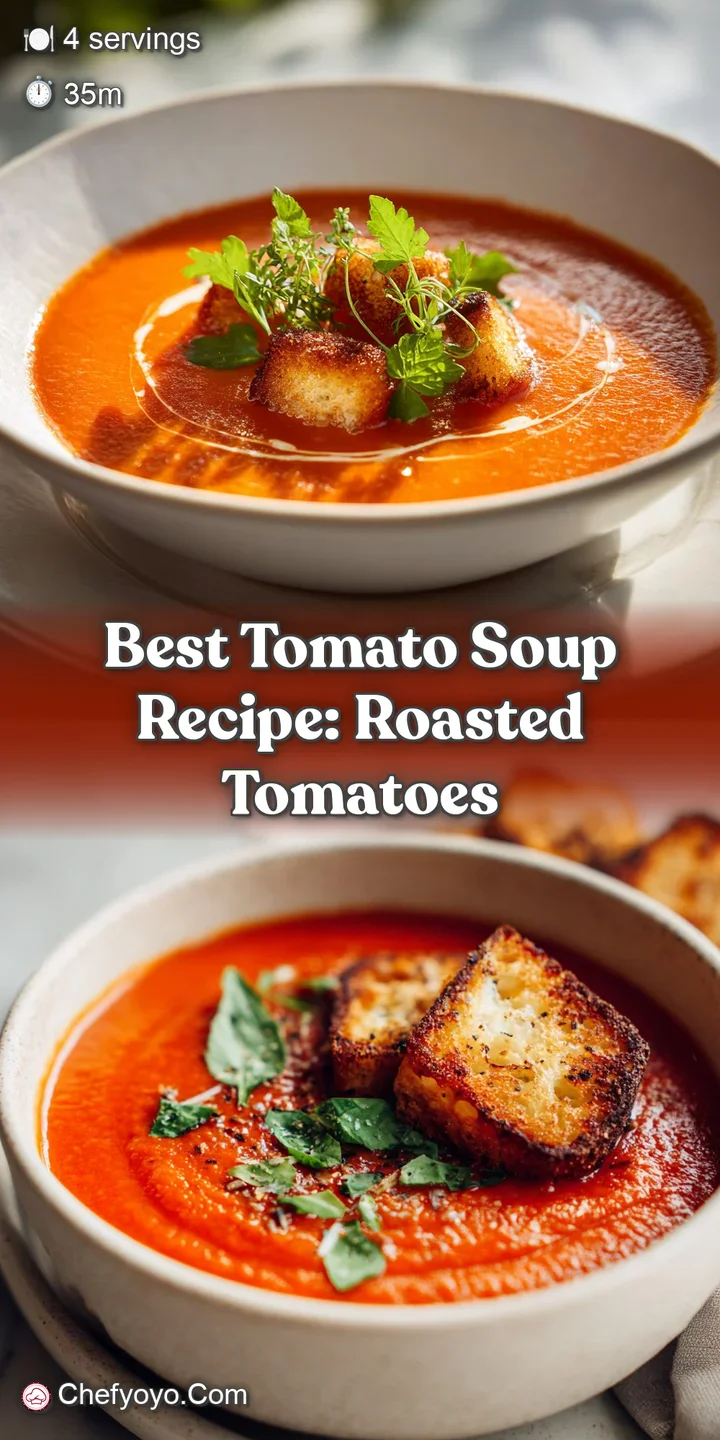
Recipe FAQs
How do you make a simple tomato soup?
Roast the tomatoes, onions, and garlic with olive oil until charred, then simmer with broth and basil. Blend until completely smooth, and finish by whisking in cold butter off the heat to create a velvety emulsion.
What are the three ingredients in tomato soup?
Tomatoes, broth, and seasoning are the absolute minimum for a functional soup. However, to achieve the luxurious texture this recipe offers, you must add fat like butter or oil.
What are the main ingredients in tomato soup?
The main components are tomatoes, aromatics (onion/garlic), liquid (broth), and fat for mouthfeel (butter). Basil is essential for that classic, bright tomato flavor profile.
What are common mistakes making tomato soup?
Simmering instead of roasting concentrates flavor poorly and leads to a flat taste. Another major error is boiling the soup after adding cold butter, which will break the emulsion and make the soup oily rather than silky.
Can I substitute fresh tomatoes with canned ones for this recipe?
Yes, San Marzano canned tomatoes are an excellent substitute, especially in winter. They have lower water content and high natural sugar, similar to Romas, allowing you to follow the roasting method precisely.
Why should I add cold butter at the end instead of using heavy cream?
Cold butter creates a stable mechanical emulsion, resulting in a glossy, silk like texture that feels lighter than cream. If you master this technique here, you can apply the same principle to stabilize sauces in our Dreamy lobster bisque recipe.
How do I ensure my roasted vegetables aren't watery?
Place the tomatoes cut-side up on a hot baking sheet to encourage evaporation rather than steaming. You want the skins to blister and char, which happens best when the temperature is high and the moisture can escape easily.
Velvety Tomato Soup Recipe
Ingredients:
Instructions:
Nutrition Facts:
| Calories | 288 kcal |
|---|---|
| Protein | 4.2 g |
| Fat | 22.1 g |
| Carbs | 20.8 g |
| Fiber | 5.1 g |
| Sugar | 9.4 g |
| Sodium | 785 mg |
