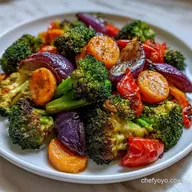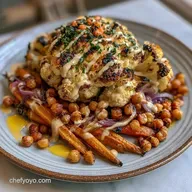
Roasted Veggie Bowl: Golden Tahini Sauce
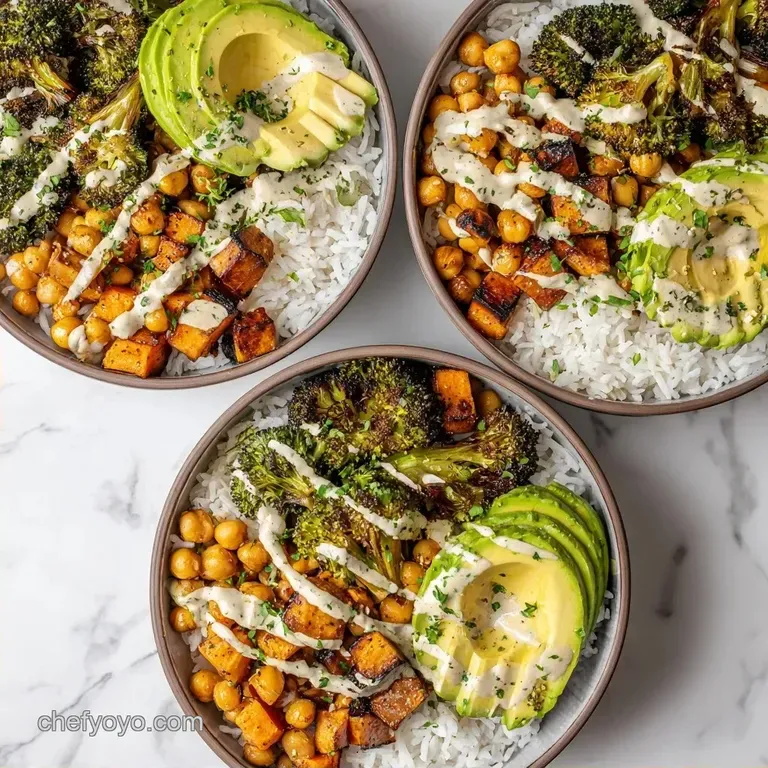
Combining chickpeas and roasted produce, this bowl relies on a creamy dressing to provide contrast. It works well for those who prefer a more traditional Mediterranean flavor profile.
creamy tahini dressing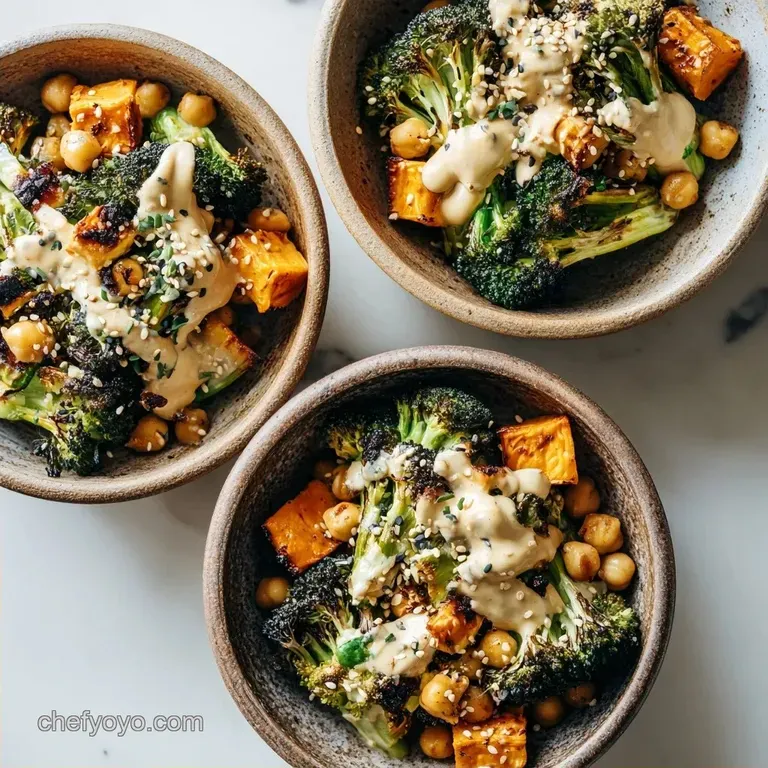
Roasted vegetable bowls work for meal prep because the ingredients hold their texture well throughout the week. These bowls combine charred produce with grains and proteins, making them a reliable choice for a filling lunch or a low-stress dinner.
By roasting everything at once, you develop deep flavors that simple steaming or sautéing can't match. Whether you prefer a creamy sesame dressing or a sweet garlic glaze, these bowls are flexible enough to accommodate whatever vegetables are currently in your crisper drawer.
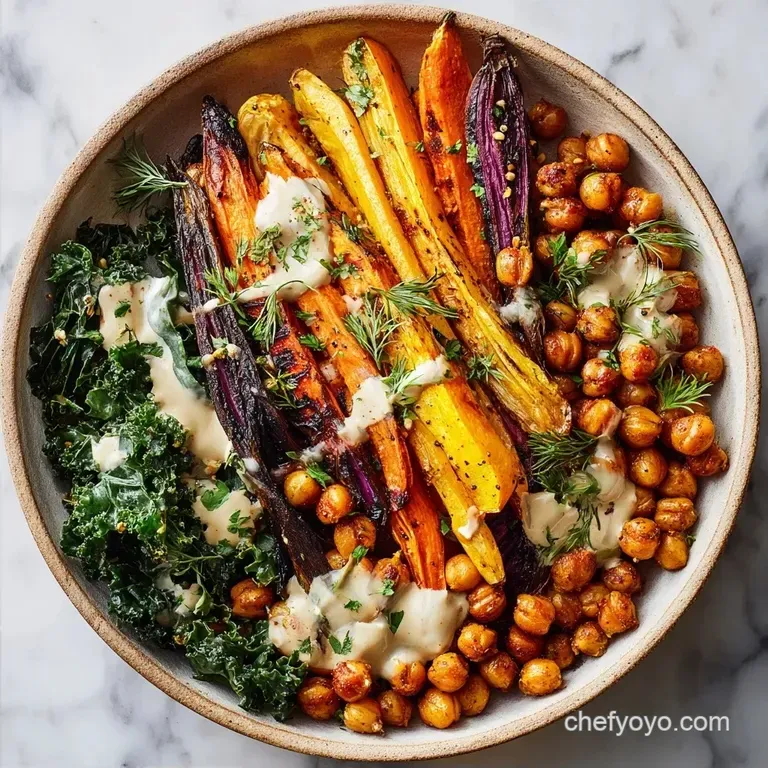
These recipes focus on the pairing of earthy roasted roots with a smooth sesame-based dressing. The tahini adds a rich, nutty element that ties the different vegetables together without making them soggy, providing a clean finish that isn't overly heavy.
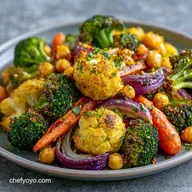
Combining chickpeas and roasted produce, this bowl relies on a creamy dressing to provide contrast. It works well for those who prefer a more traditional Mediterranean flavor profile.
creamy tahini dressingThis version uses a faster roasting method to soften the vegetables while maintaining a bit of bite. The tahini sauce here is brightened with extra citrus for a lighter finish.
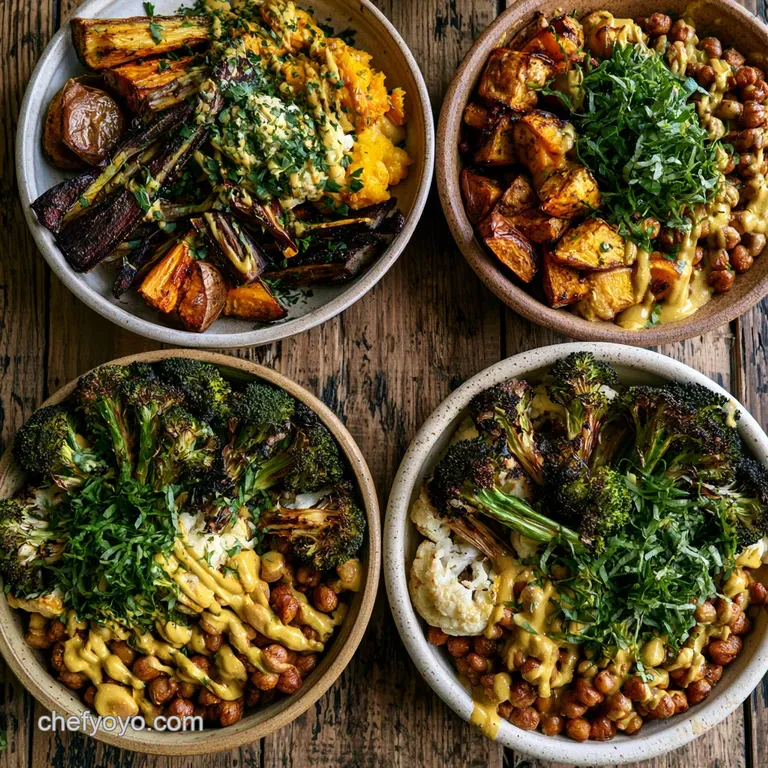
citrus tahini sauceSheet pan methods minimize cleanup by cooking everything on a single tray at high heat. This approach ensures the vegetables get those browned, crispy edges while allowing you to prep the base grains or proteins while the oven does the work.
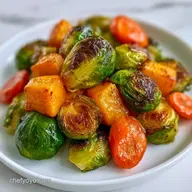
A honey garlic glaze coats these vegetables, creating a caramelized exterior that pairs perfectly with brown rice. It is a solid choice when you want a savory-sweet balance.
honey garlic glazeSimple seasoning allows the natural sweetness of the roasted vegetables to shine in this versatile dish. It is designed to work with whatever produce you have in the crisper drawer.
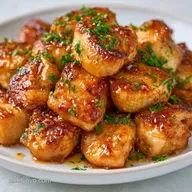
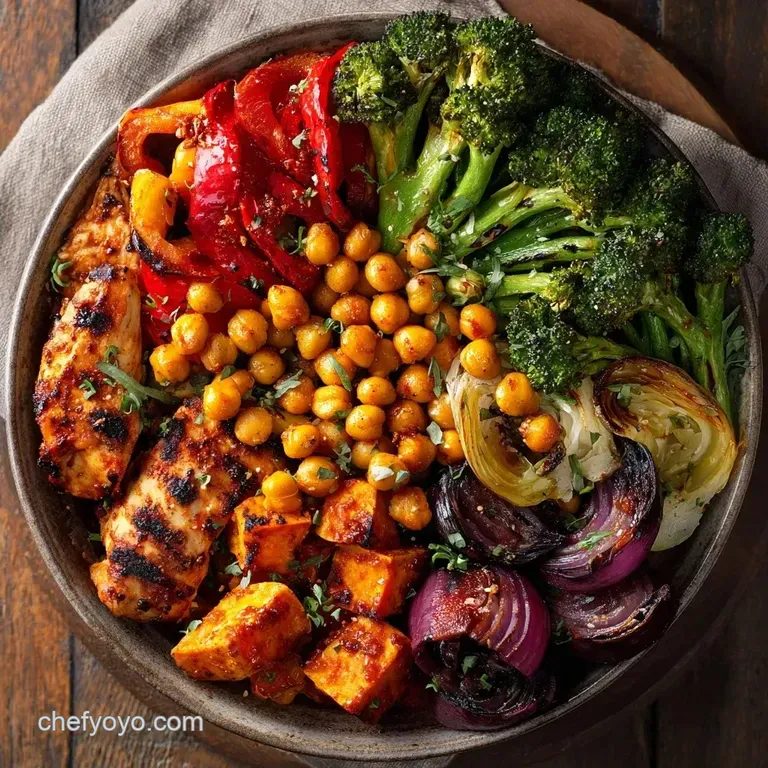
flexible grain baseAdding chicken makes this harvest-themed bowl a more substantial meal for dinner. The combination of butternut squash and poultry offers a classic flavor profile that feels particularly satisfying.
roasted chicken addition| # | Recipes | Best For | Time | Difficulty | Protein Source |
|---|---|---|---|---|---|
| 1 | Roasted Veggie Bowl for 4 Servings | high-fiber meal prep | 45 min | Easy | Chickpeas |
| 2 | Fast Roasted Vegetable Bowl with Tahini | busy weeknight dinners | 40 min | Easy | Chickpeas |
| 3 | Sheet Pan Bowl for 4 Servings: Roasted | sweet and savory fans | 40 min | Easy | Plant-based |
| 4 | Weeknight Roasted Veggie Bowl for 4 | using seasonal produce | 40 min | Easy | Plant-based |
| 5 | Rapid Roasted Harvest Bowl in 35 Minutes | adding lean protein | 35 min | Easy | Chicken |
Discover more curated recipe collections
Explore more recipe collections →