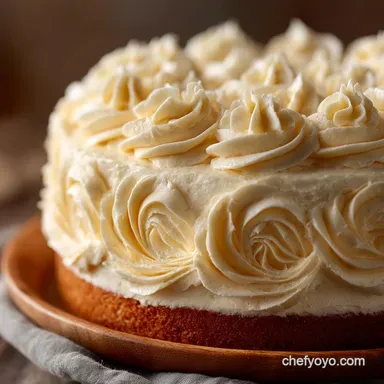
The Ultimate Creamy Classic American Buttercream Frosting
- Why We Need to Stop Hating on American Buttercream
- Decoding the Simple Formula: Notes on Our Four Essential Components
- Must-Have Equipment for Fluffy American Buttercream Frosting
- Step-by-Step Guide to Achieving That Signature Fluffy Texture
- Fixing Common Calamities: When Your American Buttercream Frosting Goes Wrong
- Prepping Ahead: Storing and Refreshing Your Vanilla Buttercream
- Beyond Vanilla: Quick Flavor Changes and Coloring
- Recipe FAQs
- 📝 Recipe Card
Why We Need to Stop Hating on American Buttercream
For years, the humble American Buttercream Frosting (ABC) has been unfairly maligned by pastry snobs who claim it is nothing more than "cloyingly sweet." I am here to tell you that this critique misses the fundamental point: when executed correctly with the proper American Buttercream Frosting Ratio and high-quality ingredients, this frosting is a game changer.
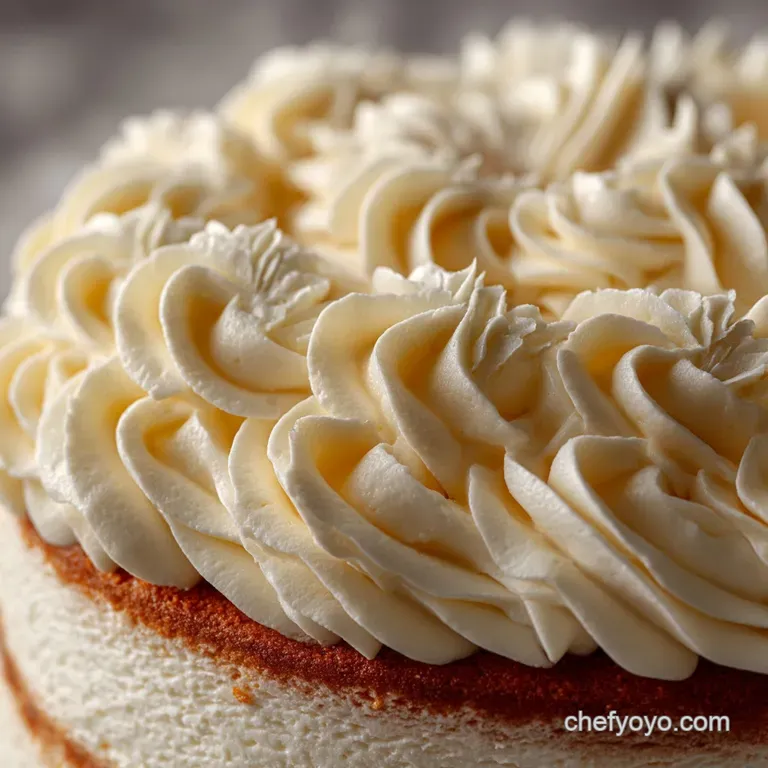
It is the most stable, reliable, and versatile Cake Frosting Recipe available, yielding an impossibly fluffy texture that holds razor sharp edges and intricate piping shapes flawlessly.
This specific formulation is designed to cut through the one-note sweetness, creating a balanced flavor profile that is creamy, light, and perfectly stable for any cake decorating endeavor.
Balancing the Sweetness Scale for Sophisticated Palates
The key to mastering ABC lies in understanding that its structure is built primarily on aerated fat and powdered sugar (a hefty 4 cups in this instance). To prevent this high sugar content from overwhelming the palate, we must rely on aeration.
Vigorously whipping the butter base achieves maximum air incorporation, which ultimately lifts the density of the sugar particles. This structural lightness makes the frosting feel less heavy and sweet in the mouth.
On top of that,, resisting the urge to skimp on the fat using 1 cup (two full sticks) of high-quality unsalted butter ensures richness acts as a necessary counterpoint to the sweetness.
The Crucial Role of Salt and Vanilla Extract
Flavor layering is vital when creating a superb Buttercream Frosting Recipe Easy enough for beginners but sophisticated enough for professionals. Many home bakers overlook the absolute necessity of adding salt.
A full half teaspoon of fine sea salt in this recipe does the heavy lifting, acting as an essential flavor amplifier and balancing agent. Without it, the frosting would taste simply sugary. Coupled with the salt, the quality of your vanilla extract truly shines.
Using 1 tablespoon of pure vanilla extract (or vanilla bean paste) guarantees deep, complex background notes that marry perfectly with the rich butter base.
Understanding the Science of Stable Piping
If your goals include elaborate floral arrangements or precise bordering, the stability of the American Buttercream Frosting for Cake Decorating is unmatched.
Unlike its European cousins (Swiss, Italian, French), which rely on egg whites and can be sensitive to temperature changes, ABC is structurally sound thanks to the mechanical bond between the finely ground sugar and the butterfat.
This high concentration of solids and fat allows the frosting to withstand heat better and hold its shape perfectly, making it the ideal American Buttercream Frosting for Piping .
Decoding the Simple Formula: Notes on Our Four Essential Components
The beauty of this classic recipe lies in its simplicity. We rely on just four key components: softened butter, finely sifted powdered sugar, salt and vanilla for flavor, and a small amount of whole milk or heavy cream for pliability.
This specific American Buttercream Frosting Recipe for Cake is structured to create maximum fluff and spreadability while remaining firm. We start with 1 cup of butter, then gradually introduce 4 cups of sifted powdered sugar.
The liquid 3 to 4 tablespoons of milk or cream is introduced last to fine tune the consistency. This minimal moisture content ensures that the resulting frosting is robust and capable of supporting even heavy cake tiers.
Must Have Equipment for Fluffy American Buttercream Frosting
While the ingredients are straightforward, the correct equipment is essential for achieving that desirable light, airy texture, rather than a dense, sugary paste. You will need a reliable mixer (stand or hand), a fine mesh sifter, and a good rubber spatula or bowl scraper to ensure even mixing.
Why Room Temperature Butter is Non-Negotiable
This is the single most important rule for achieving perfect American Buttercream Frosting . The 225 grams (1 cup) of unsalted butter must be truly room temperature soft enough that a light press leaves an indent, but crucially, not shiny, greasy, or melting around the edges.
If the butter is too cold, it will not aerate effectively, leading to a lumpy final product. If it is too warm, the frosting will turn soupy and separate immediately when mixed with the liquid.
Powdered Sugar: The Secret to Smoothness (No Lumps!)
Despite what the package may claim, powdered sugar (confectioner's sugar) compacts easily during storage and contains anti caking agents that can clump. To guarantee a silky, velvety finish, sifting the entire 4 cups of sugar along with the salt before you start mixing is mandatory.
This process breaks up any lumps and ensures the particles are fine enough to dissolve seamlessly into the creamed butter, eliminating the gritty texture often associated with poor quality ABC.
Choosing the Best Vanilla for Max Flavor Saturation
As vanilla is one of the dominant flavors in this frosting, do not reach for imitation extract. Use 1 tablespoon of high-quality pure vanilla extract or, for a visually appealing result with flecks of black, a high-quality vanilla bean paste.
The purity of the vanilla complements the butterfat beautifully and enhances the overall creaminess of this classic recipe.
Stand Mixer vs. Hand Mixer: Which Tool is Best for Whipping?
While a powerful electric hand mixer can certainly tackle this Buttercream Frosting Recipe Easy style, the preferred tool is definitely the stand mixer fitted with the paddle attachment.
The stand mixer allows for continuous, high speed whipping especially during the critical initial creaming and the final aeration stages without fatiguing the motor or your arms.
The paddle attachment ensures thorough scraping of the sides, providing a smooth, consistent result perfect for crafting stable American Buttercream Frosting for Piping .
Related Recipes Worth Trying
- The Best Moist Carrot Cake Recipe with Cream Cheese Frosting — Tired of dry cakes This truly moist carrot cake recipe using simple pantry staples like baking soda delivers a deeply spiced crumb every time Get the...
- Best Cream Cheese Frosting Recipe Silky Tangy — Stop making lumpy icing This easy cream cheese frosting recipe guarantees a smooth pipeable finish perfect for carrot cake or cinnamon rolls Get the secret...
- Deep Dark Hot Chocolate Cupcakes with Toasted Marshmallow Frosting — The ultimate Hot Chocolate Cupcakes recipe featuring rich cocoa cake and a toasted marshmallow fluff frosting Perfect for cosy evenings or festive bakery treats
Step-by-step Guide to Achieving That Signature Fluffy Texture

The process of mixing ABC is just as important as the ingredients themselves. We are not just blending; we are adding air in strategic stages to ensure lightness.
The 5-Minute Whip: Aerating the Butter Base
Start by placing the softened butter into the mixer bowl. Beat the butter alone on medium high speed for a full three to four minutes. This process, known as creaming, is critical. You must allow the butter to incorporate maximum air until it becomes noticeably pale yellow, light, and fluffy.
This is your foundation do not skip or shorten this initial creaming stage.
Incorporating Sugar Without a Powdered Dust Storm
Once the butter is properly aerated, turn the mixer speed down to its lowest setting. Gradually introduce the pre-sifted powdered sugar mixture, one cup at a time, allowing each addition to fully incorporate before adding the next.
This low speed is essential to prevent a cloud of powdered sugar from coating your kitchen. Once all the sugar is combined, the mixture will be thick and dense. Scrape down the bowl completely and beat again on medium speed for about one minute to ensure uniformity before adding the liquids.
The Crucial Last Step: Whipping Time for Lightness
After the sugar is incorporated, pour in the pure vanilla extract and 3 tablespoons of the whole milk or heavy cream. Increase the mixer speed to high and beat the frosting vigorously for two to three minutes.
This final whip transforms the dense paste into that signature, wonderfully light and airy consistency that defines true American Buttercream Frosting . If the frosting appears too stiff for spreading, add the final tablespoon of liquid, a teaspoon at a time, until the desired texture is reached.
Fixing Common Calamities: When Your American Buttercream Frosting Goes Wrong
Even the most seasoned baker runs into issues. The vast majority of buttercream problems stem from temperature imbalances, but they are almost always salvageable. Whether your frosting looks curdled, separated, or too stiff, knowing the quick fixes means you never have to throw away a batch of perfectly good frosting.
Prepping Ahead: Storing and Refreshing Your Vanilla Buttercream
One of the great advantages of using American Buttercream Frosting Recipe for Cake is its superior shelf stability and ease of storage, making it perfect for preparing far in advance of a decorating session.
Reviving Curdled or Soupy Frosting
If your frosting looks separated, oily, or "soupy" (usually because the butter was too warm or the kitchen temperature is too high), the solution is cooling. Place the entire mixer bowl, still containing the frosting, into the refrigerator for 15 to 20 minutes. The fat needs to firm up slightly.
Once chilled, return it to the mixer and beat vigorously on high speed. If the mixture is curdled but thick (usually from mixing ingredients at wildly different temperatures), try adding a single tablespoon of boiling water or hot milk and whipping on high speed for 30 seconds; the heat will encourage the separated fat and sugar to emulsify.
Eliminating Air Bubbles for a Smooth Finish
While high speed whipping creates the lightness we desire, it also incorporates tiny air pockets, which can detract from a perfectly smooth finish required for crumb coats or sleek final layers. To remove these bubbles, switch from the whisk or paddle attachment to the rubber spatula.
Gently fold and press the frosting against the sides of the bowl for several minutes. Alternatively, switch to the lowest speed on your mixer and let it run for five minutes. This slow movement forces the air pockets to rise and dissipate, leaving you with smooth, pipe ready American Buttercream Frosting for Cake Decorating .
Freezer, Fridge, or Counter? Safe Storage Guidelines
ABC stores exceptionally well. Due to its high sugar content, it can be kept in an airtight container at cool room temperature (below 70°F/21°C) for up to two days. For longer storage, refrigerate for up to two weeks, or freeze for up to three months. Always label and date your container!
Re-Whipping Chilled Frosting to Perfection
To use refrigerated or frozen frosting, allow it to come fully back to room temperature this can take several hours depending on the quantity. Do not microwave or speed up the warming process, as this will lead to separation.
Once soft, place the frosting back into your mixer and beat on medium high speed for three to five minutes. This process re-incorporates air and restores the light, fluffy texture necessary for American Buttercream Frosting for Piping .
Beyond Vanilla: Quick Flavor Changes and Coloring
The vanilla base is a fantastic blank canvas for endless flavor creativity, allowing you to quickly adapt this versatile recipe. For specialized needs, some recipes call for American Buttercream Frosting with Shortening (a combination of butter and solid vegetable shortening) to achieve an ultra bright white color that doesn't melt easily.
However, we'll focus on dairy butter variations for superior flavor.
Transforming ABC into Chocolate or Espresso Cream
For a rich chocolate version, simply modify the ratio: reduce the powdered sugar by 1 cup (120g) and replace that volume with 3/4 cup (75g) of sifted, high-quality unsweetened cocoa powder. Add an extra tablespoon of milk or cream to compensate for the dryness of the cocoa.
For an elegant espresso cream, dissolve 1 teaspoon of instant espresso powder directly into the 3 to 4 tablespoons of milk or cream before adding the liquid to the whipped butter and sugar mixture.
Mastering Color Intensity with Gel Food Dyes
When coloring your buttercream, avoid liquid food coloring, as the excess moisture can destabilize the frosting structure. Instead, use highly concentrated gel food dyes. Add the dye (start small a toothpick swipe is often enough) after the frosting is fully mixed and ready for piping.
Beat on medium speed until the color is thoroughly dispersed. Remember that the color will often deepen slightly as it sits, so stop mixing when you achieve a shade just shy of your target.
Recipe FAQs
Crikey, my American Buttercream Frosting looks curdled! How can I rescue it?
Don't panic! A separated or curdled texture usually means there’s a temperature mismatch the butter might be too cold or too warm relative to the liquid. Keep whipping the mixture vigorously for another minute or two, as sheer momentum often fixes it.
If it remains separated, try adding 1 2 teaspoons of either very hot water or melted butter while mixing on medium high speed; this shock helps re-emulsify the mixture and brings it back together like magic.
Can I make this frosting ahead of time, and how long does it keep?
Absolutely, this is a brilliant make-ahead option! You can store finished American Buttercream Frosting in an airtight container in the fridge for up to two weeks, or in the freezer for about two months. When you’re ready to use it, let it come fully back to room temperature (this might take a couple of hours).
Give it a good 5-minute re-whip in the mixer until it’s light, airy, and fluffy again Bob’s your uncle, ready to spread!
Help! Why is my buttercream gritty or just far too sweet?
Grit often occurs when the powdered sugar isn't properly sifted or fully dissolved. To avoid this, always sift your sugar, and ensure you cream the butter until it’s pale before adding the sugar.
To tackle the sweetness, the recipe relies on that vital pinch of salt and pure vanilla extract, which cut through the richness beautifully. If you're still finding it cloying, try adding a tablespoon of lemon juice instead of milk for a zingy contrast.
I need a vibrant red or black; how do I colour this frosting without making it runny?
When colouring American Buttercream, ditch the cheap liquid food dyes they introduce too much water. You must use high-quality gel or paste food colouring instead. Start small, as the colour will deepen over time.
For intensely dark colours like deep red or black, a good trick is to prepare the frosting and colour it the day before, letting the colour mature overnight at room temperature. This develops the pigment without needing excessive amounts of dye.
What if I want a dairy-free version or a quick chocolate twist?
This recipe is super adaptable! For a dairy-free version, simply swap out the unsalted butter for a high fat plant based butter (like European style vegan sticks), and use oat or almond milk for the liquid.
For a delicious chocolate twist, reduce the powdered sugar by one cup and replace that missing volume with about three quarters of a cup of sifted, unsweetened cocoa powder, adding a splash more milk to maintain a perfect piping consistency.
Creamy Classic American Buttercream