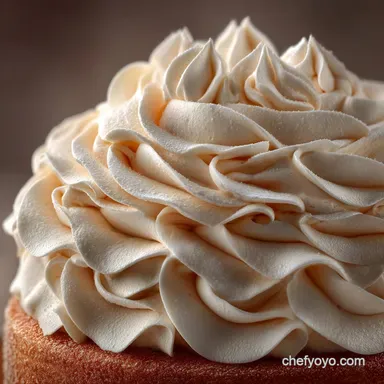
The Queen of Frostings Silky Swiss Meringue Buttercream SMBC
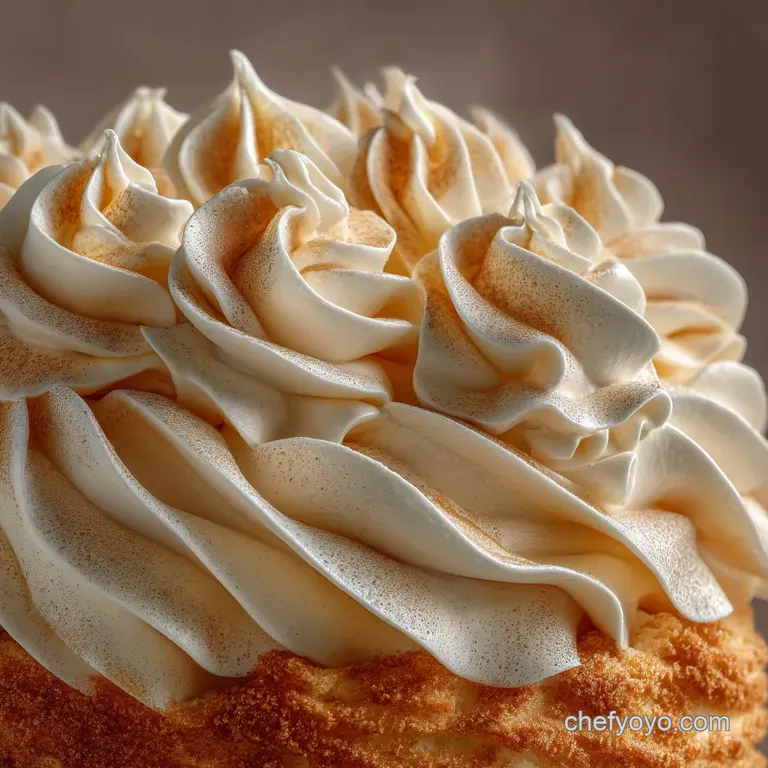
Elevating Your Dessert Game: Why SMBC Reigns Supreme
If you’ve ever wrestled with grainy, overwhelmingly saccharine frosting that dissolves on contact with warm air, it’s time to move beyond the basics. The Swiss Meringue Buttercream (SMBC) is the standard for professional pastry kitchens globally and is, without a doubt, the superior choice for any sophisticated dessert.
This elegant technique transforms simple dairy and sugar into a light, cloud like foundation, resulting in the ultimate buttercream recipe —one that is both stable and nuanced in flavor.
Decoding the Difference: Swiss vs. American Buttercream
The fundamental distinction lies in how the sugar is treated. American Buttercream (ABC) typically involves simply creaming raw powdered sugar into butter, which often leaves a noticeable graininess and an intense, cloying sweetness. SMBC, conversely, is built upon a cooked meringue base.
We start by heating 6 large egg whites with 1 1/2 cups of granulated sugar over a bain marie. This process completely dissolves the sugar crystals, creating a wonderfully silky base before the whipping even begins, guaranteeing a Smooth Icing Recipe that is far less sweet than its American counterpart.
The Stability Advantage: Piping Perfection Every Time
The cooking and subsequent vigorous whipping process lends SMBC unmatched structural integrity. By heating the egg whites to 160°F (71°C), we pasteurize them and denature the proteins, creating a robust, glossy meringue that holds its shape under pressure and moderate heat.
For bakers who need sharp edges, intricate piping, or a frosting that can survive a warm environment, this buttercream frosting recipe for cake is the reliable choice.
Unlike basic buttercream icing , which can wilt, SMBC sets beautifully, making it essential for multilayered structures and elaborate cake designs.
Achieving Velvety Smoothness Without Over Sweetness
The finished texture of this SMBC is what truly sets it apart. The lengthy whipping time incorporates air into the meringue, creating a voluminous base. When 1 lb of cubed, room temperature unsalted butter is slowly integrated, the result is a beautifully dense, yet light, Fluffy Buttercream Recipe .
We include a small amount of fine sea salt (1/4 teaspoon) to balance the richness of the butter and the subtle sweetness of the meringue, ensuring that the final flavor is purely luxurious and allowing the high-quality butter to shine.
Essential Components: What You Need for Perfect Buttercream
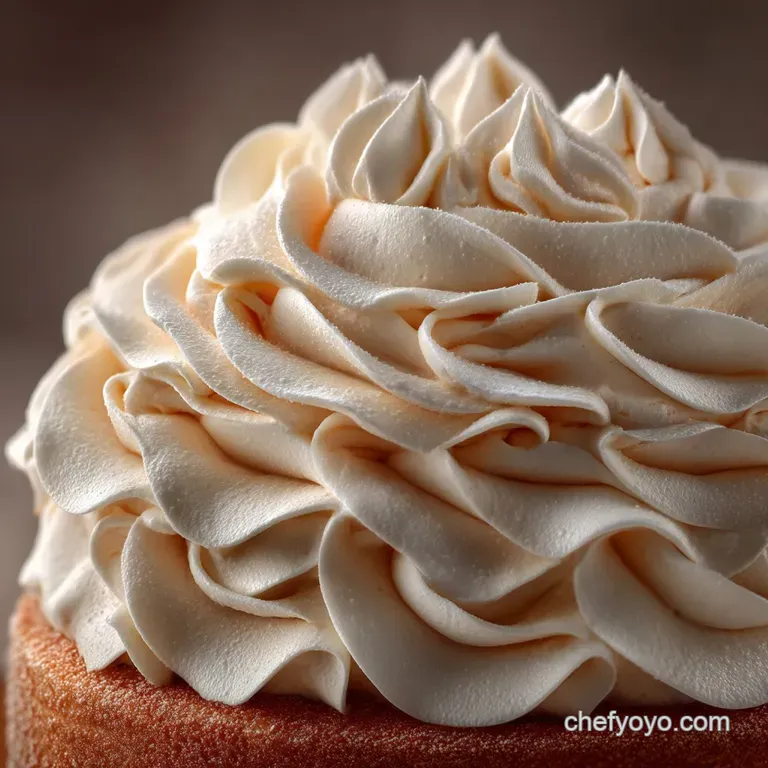
While this technique is highly rewarding, success depends entirely on using the correct ingredients and specialized equipment. Preparation is the key to mastering the art of how to make butter frosting without incident.
High Impact Ingredient Selection: Quality Matters
We rely on five simple ingredients for this luxurious buttercream frosting . You will require 6 large egg whites (approximately 180g), ensuring they are free of any yolk contamination. The quality of your butter is paramount; you will need 1 lb (450g) of unsalted butter.
Since the butter is the dominant flavor, choose a high fat, high-quality variety. The remaining components are 1 1/2 cups (300g) of granulated sugar, 2 teaspoons of pure vanilla extract, and a pinch of fine sea salt to enhance the flavor profile.
Getting Started: Necessary Tools and Kitchen Equipment
Due to the required cooking and cooling time, a sturdy stand mixer is non-negotiable for this recipe; attempting the 8– 12 minutes of continuous whipping with a handheld mixer is strongly discouraged.
You will need both the whisk attachment (for creating the meringue) and the paddle attachment (for incorporating the butter). Most critically, you must have a digital thermometer to accurately monitor the egg white mixture, ensuring it hits the crucial 160°F mark.
Finally, a heatproof mixing bowl that fits snugly over a saucepan (the bain marie) is required for the cooking phase.
Temperature Tactics: Prepping Your Butter and Eggs
The most frequent error in making SMBC is failing to manage temperature correctly. Before starting, the 450g of butter must be cut into 1 inch cubes and allowed to reach true room temperature, ideally around 68°F (20°C).
If the butter is too cold, it will not emulsify; if it is too warm (melty), it will yield a soupy mess. Likewise, the egg whites must be handled carefully. Separate them ahead of time, ensuring they are free from any trace of yolk, as fat prevents the meringue from whipping properly.
Related Recipes Worth Trying
- Foolproof American Buttercream Frosting The Ultimate Easy Cake Recipe — Achieve perfectly stable super smooth American Buttercream Frosting This easy recipe is ideal for piping and holds its shape beautifully Salt cuts the...
- Easiest Buttercream Frosting Recipe Foolproof Fluffy — This easy buttercream frosting recipe is so simple even a beginner can make it Get ready for fluffy perfect frosting for cakes cupcakes Try it now
The Master Technique: step-by-step Directions for Silky Results
Creating Swiss Meringue Buttercream is a three phase process that requires patience, but the resulting texture is well worth the time investment. Follow these steps meticulously for the best possible outcome.
Phase 1: Warming and Pasteurizing the Meringue Base
First, set up a bain marie by placing a small amount of water in a saucepan and bringing it to a simmer. Combine the egg whites and granulated sugar in the heatproof bowl. Place the bowl over the simmering water, ensuring the water does not touch the bottom of the bowl.
Whisk continuously and vigorously until the sugar is completely dissolved check for graininess by rubbing a small amount between your fingers and the mixture registers 160°F (71°C) on the thermometer. Immediately remove the bowl from the heat.
Phase 2: Whipping to Stiff, Cool Peaks
Transfer the hot meringue mixture to your stand mixer bowl and attach the whisk. Begin whipping on low speed for about a minute, then increase the speed to medium high (speed 8 or 10). Continue whipping for 8 to 12 minutes until the mixture forms stiff, brilliant white, glossy peaks.
This is the crucial cooling stage. The goal is to whip until the exterior of the mixing bowl feels completely cool to the touch (below 80°F/27°C). If the meringue is still warm when the fat is added, the butter will melt, resulting in a soup.
Phase 3: The Butter Integration and Emulsion Magic
Once the meringue is perfectly cool, swap out the whisk for the paddle attachment and reduce the mixer speed to medium low. Begin adding the cubed room temperature butter, one cube at a time, allowing each piece to fully incorporate before adding the next.
As you add the butter, the mixture will suddenly collapse and look like a soupy, curdled mess this is where most novice bakers panic. Do not stop the mixer! Continue beating at medium speed for another 3 to 5 minutes.
Suddenly, the mixture will emulsify and snap into a perfectly smooth, thick, luxurious buttercream texture. Once smooth, add the vanilla extract (2 tsp) and salt, mixing briefly on low speed until combined, yielding a perfect Quick And Easy Buttercream Frosting finish.
Troubleshooting Common Meringue Mistakes
Temperature control remains the primary culprit for structural failures. If your buttercream looks thin and soupy after adding the butter, it means the meringue was too warm. Simply place the entire mixing bowl in the fridge for 15 to 20 minutes to chill slightly, then return it to the mixer and continue beating.
If, conversely, the mixture is chunky and refuses to smooth out, it means the butter was too cold. To fix this, remove about half a cup of the mixture, warm it briefly in the microwave until melted (about 10 seconds), and then slowly drizzle the warm portion back into the running mixer.
This provides the necessary warmth to encourage the entire mixture to emulsify instantly.
Extending the Life and Flavor of Your Swiss Meringue
This recipe yields approximately 4.5 cups of frosting enough to generously frost a large triple layer buttercream cake or two dozen cupcakes. Proper storage ensures your hard work doesn't go to waste.
Storing and Reviving Your Finished Buttercream
SMBC can be stored in an airtight container in the refrigerator for up to two weeks, or frozen for up to two months. When you are ready to use stored buttercream, you must allow it to thaw completely to room temperature.
Once thawed, place it back into the stand mixer fitted with the paddle attachment and beat on medium speed. It may look curdled initially, but continue mixing for a few minutes until it whips back up to its signature smooth, airy consistency.
Creative Flavor Variations: Beyond Vanilla
The beautiful neutrality of Swiss Meringue Buttercream makes it an ideal canvas for creativity. For an intensely rich experience, try a chocolate variation by reducing the butter to 350g and whipping in 150g of cooled, melted dark chocolate.
For a decadent twist, use half a cup of thick, cooled salted caramel sauce and reduce the initial sugar slightly (to 250g) before whipping it into the finished Fluffy Buttercream Recipe .
Alternatively, for a bright, clean flavor, omit the vanilla and incorporate the finely grated zest of two large lemons or oranges.
Perfect Dessert Pairings: What Works Best with SMBC
Because of its stability and reduced sweetness, SMBC is truly versatile. It is the gold standard for decorating; use it as a filling for delicate pastries like macarons, or pipe detailed borders onto a Red Velvet or Dark Chocolate Fudge Cake.
Its richness demands a counterpoint in terms of beverages; pair this luscious buttercream icing with a strong, unsweetened espresso or a robust Earl Grey tea to cut through the decadent butterfat.
Nutritional Snapshot and Serving Suggestions
As a classic, professional buttercream , this frosting is rich in fats, derived primarily from the butter, and contains carbohydrates from the sugar. Based on an estimated 24 servings (approximately 2 tablespoons per serving), each portion contains about 180 to 200 kcal, with total fat ranging from 16 to 18 grams.
Given the richness, remember that a little goes a long way when serving, making the small portion size sufficient to elevate any buttercream cake experience.
Recipe FAQs
My mixture looks like cottage cheese! Has my lovely meringue completely gone bust?
Don't panic, dearie, that look is completely normal and temporary! When the butter is first introduced, the mixture temporarily splits because the temperatures of the butter and meringue are slightly inconsistent.
You must keep beating it will suddenly transform from a curdled mess into a smooth, thick, and luxurious frosting after 3 5 minutes of continuous mixing.
How long does this posh Swiss Meringue Buttercream last, and can I make it ahead for a big bash?
Absolutely, SMBC is a fantastic make-ahead frosting and maintains its structure beautifully. It keeps in an airtight container in the fridge for up to two weeks, or you can freeze it for two months if you're planning well ahead.
When ready to use, thaw it to room temperature and re-whip vigorously with the paddle attachment until light and fluffy it may look scrambled before it smooths out!
Why should I bother with this faff when I could just use regular American buttercream?
While American buttercream (AB) is quicker, SMBC offers superior texture and stability, making it the Aston Martin of frostings. AB is sweeter and often grainy, whereas the cooked meringue base of SMBC results in a luxurious, less sweet, velvety mouthfeel.
It holds intricate piping patterns flawlessly, which is crucial if you’re aiming for a professional, show stopping cake.
I fancy making a different flavour can I chuck in some chocolate or fruit puree?
Yes, but timing is the essential thing! You must achieve the smooth, correct texture first before adding anything extra. You can then whip in cooled, melted chocolate (ensure it’s lukewarm), rich fruit curds, or fine citrus zest.
Be cautious with excessive liquid additions like fruit purees, as they can thin out the final product start small and adjust as needed.
This recipe uses quite a bit of sugar. Are there any tweaks to make this Buttercream less sweet?
Because the sugar is cooked with the egg whites to form the meringue, reducing the quantity too drastically affects the stability and structure of the base. Fortunately, Swiss Meringue Buttercream is already considerably less sweet than traditional recipes, focusing more on the flavour of the butter and vanilla.
To further balance the flavour, ensure you include the specified pinch of fine salt and use a high-quality vanilla extract.
Silky Swiss Meringue Buttercream Recipe