German Buttercream: Velvety Custard Frosting
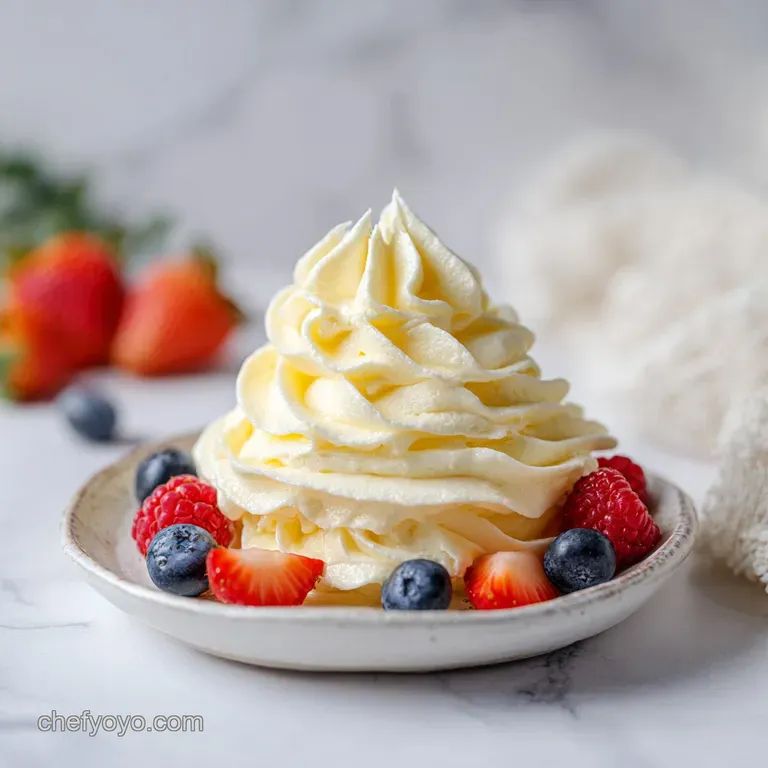
- Time: Active 15 minutes, Passive 15 mins, Total 30 mins
- Flavor/Texture Hook: Velvety, buttery, and deeply vanilla infused
- Perfect for: Artisanal layer cakes and wholesome family celebrations
- The Physics of the Emulsion
- Precision Metrics for Perfect Batches
- Selecting Wholesome Artisanal Elements
- Essential Tools for Smooth Results
- Detailed Steps for Glossy Frosting
- Fixing Typical Pastry Cream Hurdles
- Creative Infusions for Custom Batches
- Practical Storage and Waste Solutions
- Elegant Styling for Professional Finishes
- Myths Regarding Custard Frosting
- Recipe FAQs
- 📝 Recipe Card
Right then, let's talk about the first time I tried making this. I was standing in my sun drenched kitchen, whisking a pot of milk, feeling quite smug about my artisanal approach to baking. Then, the disaster happened.
I rushed the cooling process, threw the butter into a still warm custard, and watched in horror as my beautiful frosting turned into a puddle of yellow soup. It was a humbling moment, but it taught me everything about the delicate dance of temperatures that makes this frosting so special.
You're going to love this because it's not that cloying, gritty sugar bomb you find on grocery store cupcakes. It's basically a thick, luscious vanilla pudding that's been whipped into a cloud of high-quality butter. The texture is so glossy and smooth it looks like polished marble on a cake.
We're going for that rustic, homemade feel that still tastes like it came from a high end European pastry shop.
The beauty of this method is its reliability once you understand the rhythm. We're skipping the fussy sugar syrups of Italian meringues and focusing on a sturdy starch thickened base. It's a wholesome way to bake that honors the ingredients.
Trust me, once you see that custard turn into a fluffy, ivory dream, you'll never go back to the powdered sugar stuff.
The Physics of the Emulsion
Lecithin Bonding: Egg yolks contain lecithin, a natural emulsifier that forces the fats in the butter to bond with the water in the milk. This creates a stable, silky structure that holds its shape without requiring excessive sugar for stability.
Starch Gelatinization: As the cornstarch reaches 80°C, the granules swell and burst, releasing amylose molecules that create a thick, stable matrix. This matrix provides the "backbone" for the buttercream, allowing it to remain pipeable even at room temperature.
| Method | Finish | Complexity | Best For |
|---|---|---|---|
| Stovetop | Glossy and thick | Medium | Standard batches |
| Oven (Bain marie) | Extremely delicate | High | Large commercial quantities |
| Microwave | Quick but prone to lumps | Low | Tiny emergency fixes |
The stovetop method is our gold standard here because it allows you to feel the resistance of the custard as it thickens. In the oven, you lose that tactile feedback, and the microwave often creates hot spots that result in a grainy texture. For a wholesome, artisanal result, stick to the gentle heat of the flame.
Precision Metrics for Perfect Batches
When you're aiming for that professional, silky finish, guesswork is your enemy. I've found that three specific checkpoints make the difference between a "good" frosting and one that people can't stop talking about.
First, ensure your milk reaches 82°C this is the point where it's steaming and small bubbles hug the edge of the pan. Second, the custard must be cooled until it feels exactly like the butter (around 18-20°C).
Finally, the butter itself should be pliable enough to leave an indent when pressed, but not greasy or melting.
| Servings | Milk Quantity | Butter Quantity | Cake Size |
|---|---|---|---|
| 12 cupcakes | 250 ml | 225 g | 6 inch round |
| 24 servings | 500 ml | 450 g | 8 inch double layer |
| 48 servings | 1000 ml | 900 g | Large sheet cake |
Using the right amount for your project saves so much heartache. There is nothing worse than being three quarters of the way through a beautiful rustic swirl only to realize the bowl is empty. If you find yourself with extra, it's a lovely filling for a German Chocolate Cake Recipe where the richness of the custard complements the cocoa perfectly.
Selecting Wholesome Artisanal Elements
Ingredient Analysis
| Ingredient | Science Role | Pro Secret |
|---|---|---|
| Whole Milk | Liquid base | Use 3.5% fat for the creamiest mouthfeel |
| Egg Yolks | Emulsifier | Fresh, room temp yolks prevent curdling |
| Cornstarch | Structural stabilizer | Whisk into cold liquid to avoid lumps |
| Unsalted Butter | Aeration and body | High fat European style yields better volume |
Wholesome Components
- 500 ml whole milk: The foundation of our custard. Why this? Full fat provides the essential lipids for a velvety, rich finish.
- 150 g granulated sugar: Adds sweetness and helps tenderize the protein. Why this? Fine granules dissolve faster in the hot milk base.
- 4 large egg yolks: Our natural thickening agent. Why this? Yolks provide a golden hue and unparalleled richness.
- 40 g cornstarch: The "glue" that holds it all together. Why this? It prevents the frosting from melting in warmer weather.
- 2 tsp vanilla bean paste: For those beautiful little black specks. Why this? Paste offers deeper flavor than liquid extract.
- 0.25 tsp salt: A tiny but mighty flavor balancer. Why this? Salt cuts through the fat to brighten the vanilla.
- 450 g unsalted butter: Must be softened to room temperature. Why this? Cool butter won't emulsify, while melted butter ruins the structure.
| Original Ingredient | Substitute | Why It Works |
|---|---|---|
| Whole Milk | Oat Milk (Full Fat) | Similar viscosity. Note: Adds a slight toasted grain flavor to the custard. |
| Vanilla Bean Paste | Pure Vanilla Extract | Same flavor profile. Note: You will miss the visual appeal of the vanilla specks. |
| Granulated Sugar | Light Brown Sugar | Adds moisture. Note: Creates a caramel colored frosting with deeper molasses notes. |
Essential Tools for Smooth Results
You don't need a kitchen full of gadgets, but a few basics make this artisanal process much more enjoyable. A heavy bottomed saucepan is non negotiable; thin pans have hot spots that will scorch your milk before you can say "custard." I also swear by a fine mesh sieve.
No matter how much you whisk, a few tiny bits of cooked egg usually find their way into the mix. Straining the hot pudding ensures a flawless, silky result every single time.
A stand mixer, such as a KitchenAid, is a lifesaver for the final stage. You'll be whipping the butter for a good 5 to 7 minutes to get it pale and aerated. Doing that with a hand mixer is possible, but your arm will certainly feel the burn. Finally,, get yourself some high-quality plastic wrap.
Pressing it directly onto the surface of the hot custard prevents that rubbery "skin" from forming, which is the secret to a lump free buttercream.
Detailed Steps for Glossy Frosting
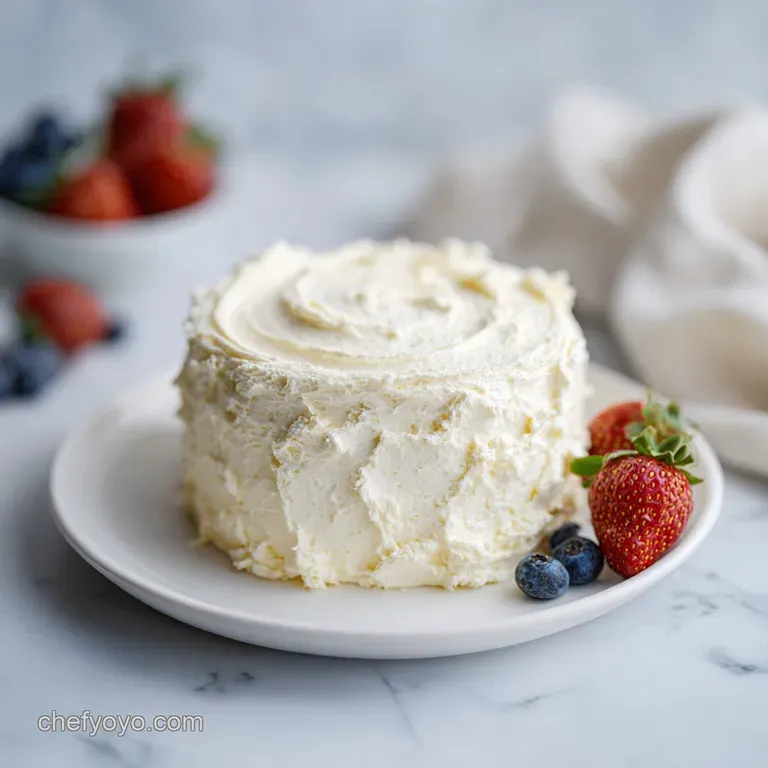
- Heat milk. Pour 500 ml whole milk into a heavy saucepan over medium heat until it starts to steam. Note: Don't let it reach a rolling boil or it might scorch.
- Whisk aromatics. In a separate bowl, combine 150 g sugar, 4 egg yolks, 40 g cornstarch, and 0.25 tsp salt.
- Temper yolks. Slowly drizzle half of the hot milk into the egg mixture while whisking constantly until the bowl feels warm.
- Thicken base. Return the entire mixture to the saucepan and cook over medium low heat.
- Watch closely. Whisk vigorously for about 3 minutes until the pudding is thick and bubbling.
- Stain custard. Pour the hot mixture through a fine mesh sieve into a clean bowl.
- Infuse vanilla. Stir in 2 tsp vanilla bean paste until the black specks are evenly distributed.
- Cool completely. Cover with plastic wrap touching the surface and let it sit until it reaches room temperature.
- Aerate butter. Whip 450 g softened butter in a stand mixer for 5 minutes until it looks pale and fluffy.
- Combine components. Add the cooled custard one tablespoon at a time to the butter until a silky, stable frosting forms.
Chef's Tip: If the mixture looks like it's starting to separate while adding the custard, stop and whip on high speed for 30 seconds to force the emulsion back together before adding more.
If you enjoy this technique, you might also like the process used for a Silky Swiss Meringue recipe, which uses heat in a different way to stabilize egg whites.
Fixing Typical Pastry Cream Hurdles
Why Your Frosting Curdled
This usually happens because of a temperature mismatch. If your custard is still slightly warm and your butter is cold, they will fight each other instead of merging. The fat in the butter "breaks" and you're left with a grainy, chunky mess. It's frustrating, but it doesn't mean you have to start over.
Why Your Frosting Is Soupy
Usually, this is the result of being a bit too impatient. If the custard was even 5 degrees too warm, it will melt the butter. You'll end up with a liquid that looks more like a glaze than a frosting. The fix requires a bit of chilling and a lot of patience.
| Problem | Root Cause | Solution |
|---|---|---|
| Curdled texture | Temperature difference | Warm the bowl with a hair dryer while whipping. |
| Soupy consistency | Custard was too hot | Chill the entire bowl for 15 mins, then re whip. |
| Lumpy custard | Improper whisking | Pass the custard through a sieve while hot. |
Common Mistakes Checklist ✓ Always temper your egg yolks by adding hot milk slowly to prevent scrambling them. ✓ Ensure the plastic wrap touches the pudding surface to stop a skin from forming. ✓ Use a heavy bottomed pan to prevent the sugar from scorching at the bottom.
✓ Let the custard cool to exactly room temperature (around 20°C) before adding butter. ✓ Sieve the hot pudding base to catch any stray bits of cooked egg.
Creative Infusions for Custom Batches
This vanilla base is a blank canvas for your artisanal imagination. Honestly, while vanilla is a classic, you can transform this into something entirely different with just one or two tweaks.
I love adding a tablespoon of instant espresso powder to the hot milk for a coffee version that tastes like a latte in frosting form.
- Deep Chocolate: Fold in 100 g of melted, cooled dark chocolate once the buttercream is fully emulsified.
- Citrus Zest: Add the zest of two lemons and a tablespoon of juice to the milk for a bright, tangy finish.
- Fruit Swirl: Gently fold in two tablespoons of thick raspberry reduction for a marbled, rustic look.
If you are looking for a quicker way to get that iconic flavor for a specific cake, my German Chocolate Frosting recipe is a fantastic alternative that focuses on the coconut pecan element.
Dietary Adaptations
For a lactose free version, you can swap the whole milk for a high fat cashew or coconut milk. Be aware that this will slightly change the flavor profile, but the cornstarch and egg yolks will still provide the necessary structure.
I don't recommend using low-fat spreads instead of butter; the water content is too high and the frosting will simply collapse into a puddle.
Practical Storage and Waste Solutions
Storage Guidelines You can keep this buttercream in the fridge for up to 5 days. However, because it's butter based, it will go rock hard in the cold. You'll need to let it sit on the counter for at least an hour and then give it a quick whip with your mixer to restore that velvety texture before using it.
It also freezes beautifully for up to 3 months. Just thaw it overnight in the fridge and follow the same re whipping process.
Zero Waste Tips Never throw away the egg whites! Since this recipe uses 4 yolks, you'll have 4 whites left over. These are perfect for making a small batch of meringues, a healthy egg white omelet, or even a pavlova.
Also, if you find yourself with a small amount of leftover frosting, it makes an incredible "dip" for fresh strawberries or can be sandwiched between two simple oat cookies for an artisanal treat.
Elegant Styling for Professional Finishes
German buttercream is a dream for piping. Because of the cornstarch, it holds a sharp edge much better than American buttercream, which tends to crust and crack. When you're decorating, try using a large open star tip for those classic, wholesome swirls.
The glossiness of the custard makes every ridge catch the light beautifully.
For a rustic look, use an offset spatula to create "swooshes" around the sides of the cake. Don't worry about making it look factory perfect. The charm of this frosting lies in its artisanal, homemade appearance.
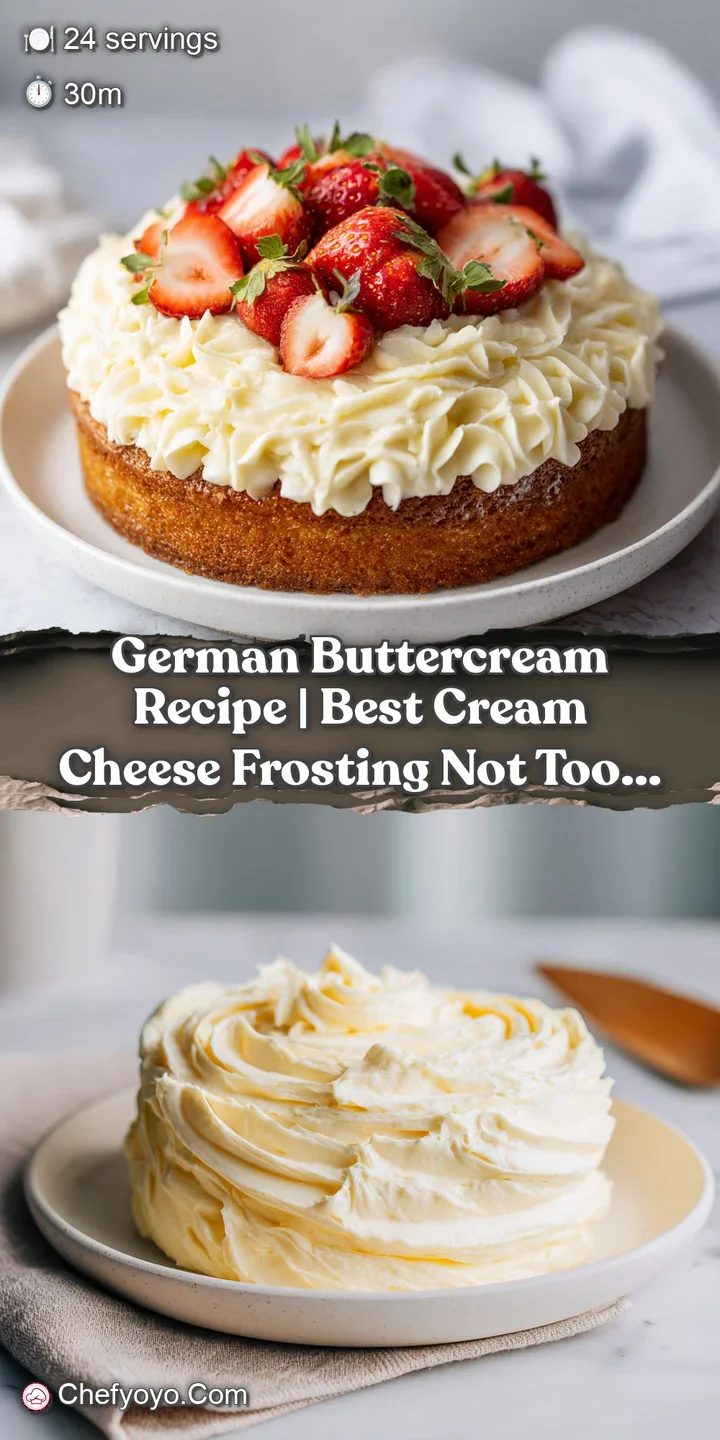
A few fresh berries or a sprig of mint on top of the ivory colored cream creates a stunning, natural centerpiece for any table.
Myths Regarding Custard Frosting
"You must use custard powder for German buttercream." This is simply not true. While some modern shortcuts use instant pudding mix, the traditional, wholesome way is to build the base from scratch with milk, eggs, and cornstarch. This gives you complete control over the sweetness and the quality of the vanilla.
"Buttercream is too sweet for professional cakes." This myth usually stems from people only having tried American buttercream. German buttercream is the chef's secret for a balanced dessert. Because the base is a cooked pudding, the sugar is diluted, resulting in a rich but light finish that won't make your teeth ache.
"Custard based frostings are too unstable for outdoor events." While it's true that any butter based frosting will melt in direct sun, the cooked starch in this recipe actually provides more heat resistance than a simple butter and sugar mix. As long as the cake is kept in the shade, it holds its shape remarkably well.
| Attribute | German Buttercream | American Buttercream |
|---|---|---|
| Sweetness | Mild and creamy | Very high |
| Texture | Silky and pudding like | Gritty and dense |
| Stability | Excellent (due to starch) | Moderate (can crust) |
Decision Shortcut
- If you want a light, cloud like texture, whip the butter for a full 8 minutes before adding the custard.
- If you want a sturdier frosting for piping flowers, increase the cornstarch by 5 grams.
- If you want a richer, yellow color, use farm fresh eggs with deep orange yolks.
This frosting really is the pinnacle of home baking. It feels like a project, but the steps are simple once you respect the heat. Happy baking, my friend! Let me know if yours turns out as glossy as mine did.
Recipe FAQs
Is German Buttercream significantly sweeter than standard American frosting?
No, it is naturally much less sweet. This frosting uses a cooked custard base stabilized by starch, which dilutes the sugar content compared to the high powdered sugar load in American styles.
What is the primary stabilizer that prevents this buttercream from collapsing?
Cornstarch is the primary stabilizer. When heated with milk and yolks, the starch gelatinizes, creating a thick matrix that supports the butter when whipped.
How should I cool the pastry cream base before beating it into the butter?
Cool the custard until it is exactly the same temperature as your butter, around 20°C. Ensure plastic wrap touches the surface of the hot pudding to prevent a rubbery skin from forming during cooling.
Why does my finished frosting look grainy or curdled after mixing?
This is typically due to a significant temperature difference between the cold butter and the custard. If separation occurs, stop adding the custard, and whip the butter alone on high speed for 30 seconds to re-emulsify the mixture.
Can I substitute whole milk for lower fat options in the custard base?
No, stick with whole milk or a high fat dairy alternative. The fat content is crucial for a rich mouthfeel, and low-fat options will result in a thinner, less luxurious final texture.
If I have leftover egg whites, what is the best use for them?
Whip the leftover whites into a separate meringue or pavlova. Since this recipe uses only the yolks for richness, saving the whites is essential for zero waste; you can even practice your heat control skills similar to those used when preparing a Silky Swiss Meringue recipe.
What is the crucial first step when making the initial custard base on the stovetop?
Temper the egg yolks by slowly whisking half of the hot milk into them. This slow introduction of heat prevents the yolks from scrambling instantly when they hit the hot liquid.
German Buttercream Frosting
Ingredients:
Instructions:
Nutrition Facts:
| Calories | 189 kcal |
|---|---|
| Protein | 1.3 g |
| Fat | 16.7 g |
| Carbs | 9 g |
| Fiber | 0 g |
| Sugar | 7.3 g |
| Sodium | 33 mg |
