The Ultimate Cheesy Creamy Proper Job Loaded Baked Potato Soup
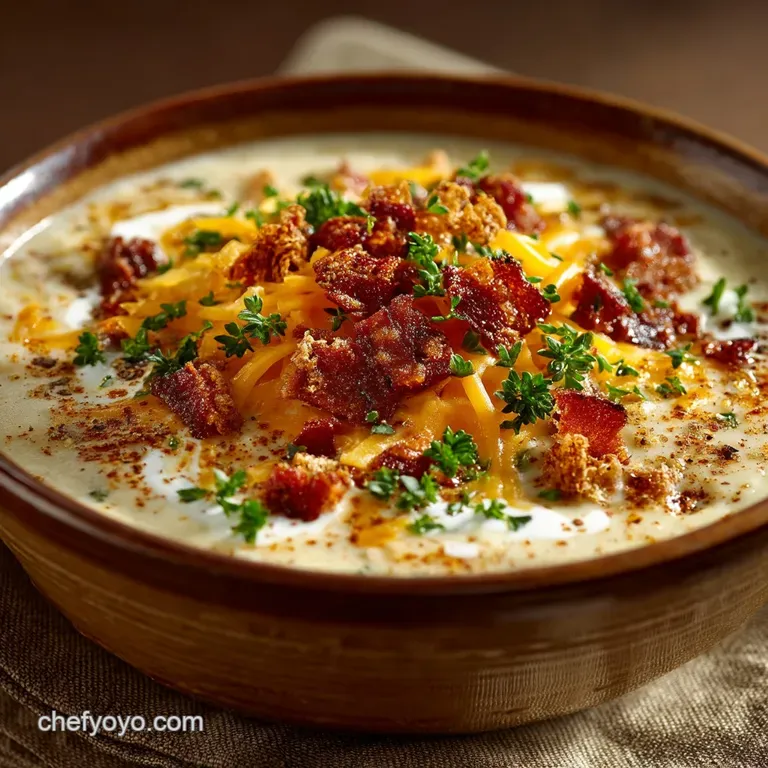
Elevating Your Soup Game: Why We Bake the Potatoes First
When creating a truly decadent and hearty bowl of Loaded Baked Potato Soup, the initial preparation of the key ingredient is paramount. Simply boiling potatoes yields a watery, one-dimensional starch that will never truly deliver the rich, earthy depth we seek.
This elevated method, the "proper job", demands that the Russets are baked first, concentrating their flavor and delivering a slightly smoky characteristic that sets this recipe apart, instantly transforming it into an Award Winning Potato Soup contender.
The Science of the Baked Starch: Flavor Depth
The magic lies in how dry heat interacts with starch. Baking the large Russet potatoes at a high temperature (400°F or 200°C) for 45 to 60 minutes dries out the starch structure just beneath the skin.
This allows the sugars within the potato to caramelize slightly, deepening the overall flavor profile. When you scoop out that fluffy interior, you’re holding highly concentrated, flavorful pulp, not just bland boiled starch.
This concentrated flavour is the very foundation upon which the success of this loaded baked potato soup recipe rests.
From Humble Spud to Culinary Star
This technique ensures that every spoonful of soup carries the authentic taste of a fully loaded baked potato. We aren't just adding toppings to a basic cream base; we are infusing the entire base with that rustic, charred flavor.
We even suggest incorporating a few small pieces of the reserved crispy baked skin into the broth while simmering, a trick that pulls every last ounce of flavour out of the foundation ingredient before removal.
This thoughtful process transforms the humble spud from a mere thickener into the defining culinary star of this Fall Dishes Dinners Healthy comfort food.
Ditching the Instant Pot: A Commitment to Texture
While many seek shortcuts, the integrity of this dish is non-negotiable. Using a loaded baked potato soup instant pot or a loaded baked potato soup slow cooker often necessitates steaming or simmering the potatoes, sacrificing the vital flavour concentration we achieve through dry baking.
If speed is your priority, those methods work, but they fail to capture the signature smokiness. Our commitment is to achieving the absolute best texture and flavor, which requires the initial dry heat.
The total prep and cook time comes out to around 1 hour and 35 minutes, but the payoff, a truly satisfying and robust Loaded Baked Potato Soup, is worth every minute.
The Essential Pantry Checklist for Proper Loaded Baked Potato Soup

To achieve the silky, luxurious consistency and robust flavour characteristic of the perfect rendition of this dish, choosing high-quality loaded baked potato soup ingredients is crucial. We focus on high-fat, high-flavour components that ensure the final soup is rich enough to truly be a meal in itself.
Choosing the Right Russets: Starch Content Matters
When shopping, prioritize high-starch potatoes like Russets (about 900g for six servings). Their high starch content breaks down beautifully during simmering, aiding in the natural thickening process once mashed or blended.
While Yukon Golds can work as a secondary option, avoid waxy varieties as they hold their shape too well and won’t lend that essential creamy texture to the broth.
The Unsung Heroes: Dairy and Roux Building Fats
The flavour base starts with rendered streaky bacon (8 oz, diced), the fat of which provides a depth of smokiness that butter alone cannot match. We then build a classic roux (using 4 tablespoons of unsalted butter and 1/4 cup of all-purpose flour) to provide stable, lump-free thickness.
For the dairy finish, we rely on 1 cup of whole milk and 1/2 cup of decadent double cream (or heavy cream) for maximum richness. Crucially, the cheese must be a sharp, mature cheddar (8 oz shredded).
Mild cheddar melts fine, but a sharp variety provides the necessary tang to cut through the richness of the bacon and cream.
Recommended Kitchen Tools for a Smooth Consistency
A successful Loaded Baked Potato Soup requires the right equipment to manage the heat and texture. A heavy-bottomed pot or Dutch Oven (5–6 quarts/L) is essential for even heating, preventing the roux from scorching. A sturdy whisk is indispensable for incorporating the cold stock into the hot roux without lumps.
While a simple potato masher can provide a delightful, chunky texture, we highly recommend an immersion blender (stick blender). This tool gives you precise control, allowing you to pulse just a few times to create a smoother, yet still satisfyingly textured soup base.
Related Recipes Worth Trying
- Proper Sweet Potato Pie Flaky Crust Deeply Spiced Filling — The ultimate sweet potato pie recipe a truly velvety filling bursting with spice nestled inside a perfect flaky sweet potato pie crust Forget pumpkinthis is...
- Silky Sweet Potato Pie Recipe The Secret to a Smooth CrackFree Filling — Bake the ultimate Sweet Potato Pie This recipe guarantees a creamy silky filling and a flaky neversoggy sweet potato pie crust The perfect Fall Comfort Food
- Classic Italian Wedding Soup Deeply Savory Broth Tender Meatballs — Skip the can This classic Italian Wedding Soup recipe builds deep flavor from scratch Poach tiny tender meatballs in savory broth for authentic comfort
Mastering the Layers: step-by-step Guide to the Creamy Base
Achieving the perfect creamy consistency without separation or lumps is the key to this medium-difficulty recipe. By approaching the cooking in defined stages, prepping the flavour, building the roux, and gently introducing the dairy, we can make this loaded baked potato soup easy to master.
Step 1: Prepping the Spuds for Optimal Flavour Release
Start by scrubbing the four large Russets and piercing them several times with a fork. Rub them lightly with oil and salt before baking for 45–60 minutes at 400°F (200°C).
Once cool enough to handle, scoop the majority of the fluffy potato flesh into a bowl, setting it aside, along with a few small pieces of the crispy skin. While the potatoes bake, render the 8 oz of diced bacon until crispy, reserving the bacon bits for topping and leaving 2 tablespoons of the flavorful fat in the pot.
Creating the Perfect Butter and Flour Roux
With the bacon fat base established, add 1 tablespoon of butter and sauté the diced onion until translucent (5- 7 minutes), followed by the minced garlic for one minute. Now, introduce the remaining 3 tablespoons of butter.
Once melted, sprinkle in the 1/4 cup of all-purpose flour, whisking continuously for two full minutes. This action cooks out the raw taste of the flour and turns the mixture into a light blonde, wet sand consistency.
The Gentle Art of Tempering and Simmering
This is where technique truly matters. Gradually whisk the 6 cups (1.4 L) of cold chicken stock into the hot roux. Start with just a small amount to create a smooth slurry, then steadily add the rest. This temperature difference is critical for preventing lumps.
Bring the soup to a gentle simmer, adding the reserved potato flesh and the skin pieces. Season heavily with salt and pepper. Simmer for about 10 minutes to allow the potatoes to soften further and integrate into the broth.
After removing the skin pieces, use your immersion blender to pulse 3 or 4 times, or use a potato masher, to achieve your desired creamy, yet chunky, texture.
Final Stir-Ins and Consistency Checks
Reduce the heat to the lowest setting before introducing the dairy. Stir in the 1 cup of whole milk and the 1/2 cup of double cream. Heat this mixture gently until warmed through, but do not allow it to boil , as high heat can cause the dairy proteins to split.
Remove the pot completely from the heat before stirring in the 8 oz of sharp, shredded cheddar. The residual heat will melt the cheese beautifully, keeping the soup base perfectly smooth and velvety. Taste and adjust the seasoning before serving.
Chef's Notes: Tips for Troubleshooting and Achieving the Velvety Texture
This hearty dish is one of the Most Popular Dinners for good reason, but like any dairy-based soup, it benefits from a few expert guidelines to ensure perfection every time.
Storage and Reheating Without Separation
The biggest challenge with cream and cheese-based soups is avoiding separation when reheating. If you store this Loaded Baked Potato Soup, always refrigerate it in an airtight container. When reheating, do so slowly on the stovetop over low heat, stirring frequently.
Never use a high heat or bring it to a rolling boil, as this will shock the dairy, causing the fats to separate and creating a grainy texture. If the soup is too thick upon reheating, whisk in a splash of milk or stock until the desired consistency is reached.
Creative Twists: Turning Up the Heat or Going Vegetarian
While the traditional loaded baked potato soup recipe is perfect as is, you can easily adapt it. For those who enjoy a gentle, layered heat, try adding 1 teaspoon of chipotle powder or a finely minced chipotle in adobo during the roux stage, it enhances the smoky flavor beautifully.
To make this an equally satisfying vegetarian option, simply omit the bacon, use olive oil or butter to sauté the aromatics, and substitute the chicken stock with high-quality vegetable stock. A sprinkle of smoked paprika at the end will help replace the smoky notes lost from omitting the bacon.
What to Serve Alongside Your Hearty Loaded Baked Potato Soup
Because this is such a rich, high-caloric meal, the best accompaniments are those that provide a crisp, acidic counterpoint. A simple green salad dressed with a sharp lemon vinaigrette will cut through the richness of the cheese and cream perfectly.
Alternatively, for those who prefer to lean into the comfort, thick slices of toasted sourdough bread or a rustic baguette are ideal for mopping up every last drop of this creamy, satisfying soup.
Recipe FAQs
Is baking the potatoes truly worth the extra faff, or can I just boil them quickly?
It’s genuinely worth the extra 45 minutes of patience! Baking the spuds concentrates the starch and gives them a slight, pleasant smokiness that boiling simply washes away. This depth of flavour is crucial to make this soup truly "loaded" and miles better than any sad, watery version.
Can I prep this ultimate Loaded Baked Potato Soup ahead of time for a quicker dinner?
Absolutely! This soup is brilliant for batch cooking and is ideal for a chilly Sunday dinner or busy weeknights. Store leftovers in an airtight container for up to 3-4 days in the fridge.
When reheating, do so gently on the hob, adding a splash of milk or stock if it's thickened too much overnight, as potato starch absorbs liquid when cold.
My roux always seems a bit dodgy. How do I guarantee a smooth, thick soup?
The key is temperature control, mate! Ensure you add cold stock to the hot roux; the temperature shock helps prevent lumps from forming. Whisk vigorously while adding the liquid gradually, and let it simmer for a proper 10 minutes to allow the flour to thicken everything up, that's the "proper job" done right!
I need a vegetarian option; how do I replace the bacon fat and chicken stock without losing that deep flavour?
For a hearty veggie version, swap the bacon fat for good quality unsalted butter or olive oil, and use rich vegetable stock instead of chicken. To replicate the smoky depth, fry in a generous pinch of smoked paprika and a dash of liquid smoke (if you're feeling adventurous) when sautéing the onions.
I'm worried about the cheese splitting. What’s the secret to getting a properly smooth, cheesy finish?
The cardinal rule is never to let the soup come to a boil once the dairy (milk, cream, or cheese) is introduced. Remove the pot from the heat completely before stirring in the shredded mature cheddar.
If you try adding it while simmering, you're running the risk of a lumpy, split mess, and nobody wants that after all that effort!
The Proper Job Loaded Baked Potato Soup Ultimate Cheesy Creamy Recipe