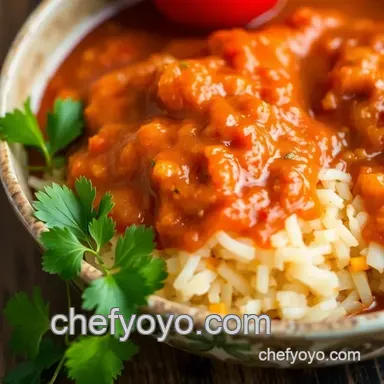
Quick Scotch Bonnet Sauce with Zesty Flavor
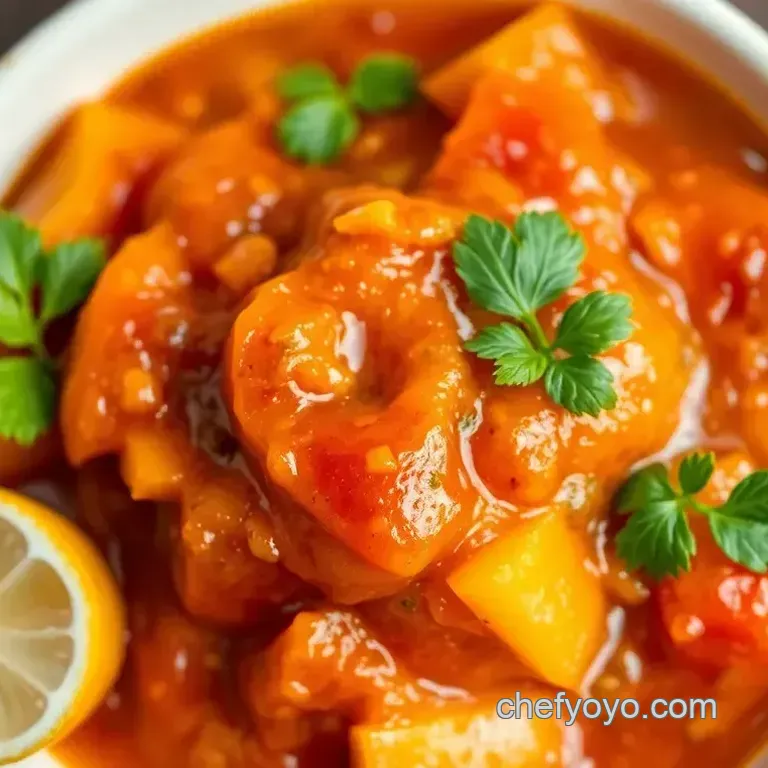
- Time: 10 min active + 25 min cook
- Flavor & Texture: Fiery, tangy, and smooth
- Perfect for: Weeknight grilled meats or spicy taco nights
Quick Scotch Bonnet Sauce With Zesty Flavor
The fragrance of sizzling Scotch bonnets is immediate. A sharp, fruity scent wafts through the air, signaling that a powerful flavor is developing. This Quick Zesty Scotch Bonnet Sauce with Lime is an ideal choice for bringing a fiery, intense heat to your meals.
There is no need for lengthy fermentation to achieve a deep impact. By briefly softening the aromatics and simmering them in a blend of two acids, you create a vivid, fresh sauce that possesses the complexity of a long-aged condiment.
It is striking in color and flavor, pairing beautifully with anything from fried fish to steamed greens. Once you have a jar chilled in the refrigerator, you'll likely find yourself drizzling it over dishes where it doesn't even belong.
Sauce Specs and Timing
The goal here is speed without sacrificing that street market depth. We're moving from raw peppers to a finished sauce in about half an hour.
The heat from Scotch bonnets is intense, so this recipe focuses on balancing that fire with citrus. It's a fast process, but the simmer is the part you can't rush if you want the peppers to break down properly.
| Method | Time | Texture | Best For |
|---|---|---|---|
| Quick Sauté | 35 mins | Smooth and glossy | Immediate use, fresh taste |
| Traditional Ferment | 2-4 weeks | Thicker, funky | Long-term pantry storage |
Ingredient Deep Dive
The beauty of this sauce is in the contrast. We use a mix of sharp vinegar and floral lime to keep the heat from becoming one dimensional.
| Ingredient | Role | If You Don't Have It |
|---|---|---|
| Scotch Bonnet | Heat and fruitiness | Habanero (very similar heat) |
| White Vinegar | Sharpness and shelf life | Apple Cider Vinegar (milder) |
| Lime Juice | Bright, zesty top notes | Lemon juice (less floral) |
| White Onion | Sweetness and body | Shallot (more refined taste) |
Essential Kitchen Gear
The equipment needed is minimal. A small saucepan is recommended to prevent excessive reduction during the simmer.
A blender or food processor is essential for a perfectly smooth consistency. To achieve a thinner, more pourable sauce, pass it through a fine mesh strainer to remove any remaining seeds or pulp.
From Prep to Plate
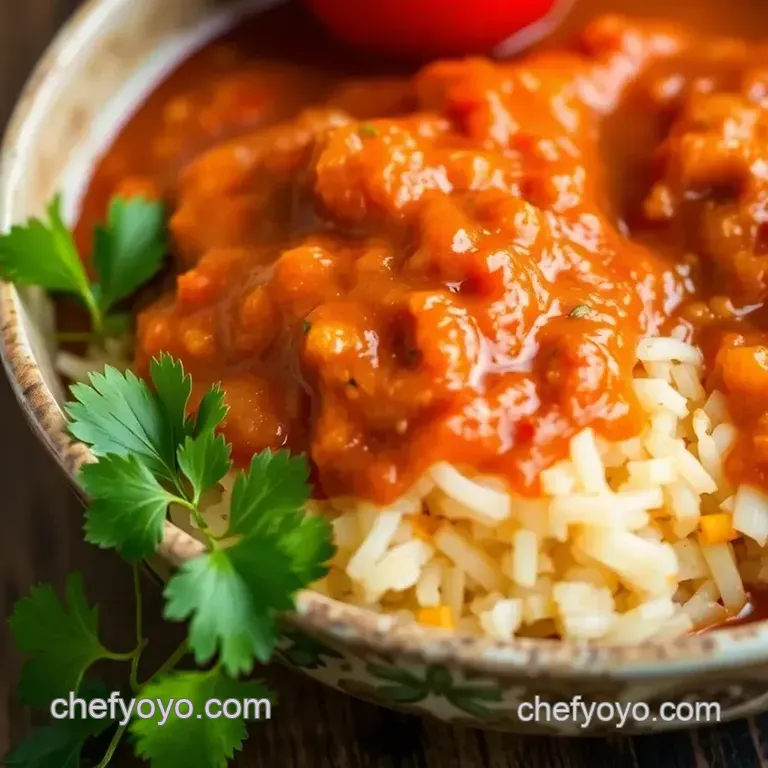
1. The Flavor Sauté
Warm 1 tbsp neutral oil in a small saucepan over medium-high heat. Add the diced onion, minced garlic, and chopped Scotch bonnet peppers. Cook for 5 minutes, stirring often, until the onions are translucent and the peppers become aromatic.
2. The Zesty Simmer
Stir in 1/4 cup white vinegar, 2 tbsp fresh lime juice, 1 tsp salt, and 1/4 cup water. Once the liquid reaches a boil, immediately reduce the temperature to low. Simmer for 20 minutes until the peppers are tender and the liquid has slightly reduced.
3. The Final Emulsion
Transfer the hot contents carefully into a blender. Process on high for 60 seconds until the sauce is a vibrant, uniform orange. For a more polished texture, strain the mixture through a fine mesh sieve. The final result should be smooth and velvety.
Pro Tips and Pitfalls
Cooking with Scotch bonnets can be a bit intense. The capsaicin becomes airborne when heated, which can make your eyes water or your throat itch. Always keep a window open or crank the exhaust fan to the max before you start the sauté.
If the sauce feels too aggressive, don't panic. A tiny pinch of sugar or a teaspoon of honey can round out the edges without killing the heat. If it's too thin, just simmer it for an extra 5 minutes before blending.
Avoiding the Pepper Steam
The "pepper steam" is real. Wear gloves when chopping the bonnets to avoid "hot hands," and never lean directly over the pan while the peppers are sizzling.
Controlling Heat Levels
The heat varies by pepper. For a milder version, remove the seeds and white membranes before sautéing. For maximum fire, keep everything in.
Preventing Sauce Separation
If the sauce looks split after blending, it's usually because it cooled too fast. Blend it while it's still warm to keep the oil and acids emulsified.
| Problem | Root Cause | Solution |
|---|---|---|
| Sauce is too thin | Not enough reduction | Simmer 5 more mins before blending |
| Overwhelming heat | Too many seeds/membranes | Stir in 1 tsp honey or more water |
| Grainy texture | Under blended or large chunks | Blend for another 30 seconds |
Swaps and Variations
This recipe is a great base for other styles. If you want something with a deeper, smokier profile, you might try a Roasted Habanero Hot Sauce instead.
For a more Caribbean fusion vibe, try adding a pinch of allspice or nutmeg during the sauté. This pushes it closer to a Habanero Jerk Sauce without needing a full marinade.
| Original Ingredient | Substitute | Why It Works |
|---|---|---|
| Water (1/4 cup) | Pineapple Juice | Adds sweetness. Note: Makes it a tropical style sauce |
| White Vinegar | Rice Vinegar | Milder acidity. Note: Less "sharp" on the tongue |
| Scotch Bonnet | Habanero | Very similar heat. Note: Slightly less fruity |
Keeping the Sauce Fresh
Keep the sauce refrigerated in a glass container, where it will remain fresh for up to 2 weeks. The vinegar and lime juice act as natural preservatives, helping it retain its zesty flavor.
You can also freeze this sauce in small trays for up to 3 months. Just add a frozen cube to your pan when sautéing chicken or shrimp for an immediate kick of heat.
Rather than discarding the pepper stems, save them if you have a large amount. Place them in a freezer bag with other vegetable scraps to use in your next homemade stock.
Bold Serving Ideas
This sauce is a powerhouse on grilled proteins. I like it drizzled over blackened mahi mahi or shrimp skewers. It also cuts through the richness of fried plantains or pork belly.
If you're feeling adventurous, whisk a tablespoon of it into some mayo for a spicy aioli. It's great as a dip for sweet potato fries or as a dressing for a crisp cabbage slaw.
Why the Steps Matter
Sautéing vs Raw Blending
Many quick sauces just blend raw ingredients, but that leaves you with a "sharp" heat that can be irritating. Sautéing the peppers and onions first caramelizes the sugars, which mellows the sting and creates a more rounded flavor.
The Acidic Synergy
Using both vinegar and lime juice is a deliberate move. The vinegar provides the foundational punch and preservation, while the lime adds a floral, bright note that makes the sauce feel fresh rather than just acidic.
The Simmering Reduction
Simmering for 20 minutes breaks down the cellular structure of the peppers. This ensures that when you blend it, the sauce becomes a cohesive liquid instead of a chunky puree.
Recipe FAQs
How do you make scotch bonnet sauce?
Sauté chopped peppers, onion, and garlic for 5 minutes. Simmer this mixture with white vinegar, lime juice, salt, and water for 20 minutes, then blend until smooth.
Is it true you must ferment this sauce for weeks?
Surprisingly, no. Sautéing the aromatics first builds deep flavor quickly, allowing you to get a punchy result in just 35 minutes.
Do I need to wear gloves when handling Scotch Bonnet peppers?
Yes, always. These peppers contain potent oils that can cause severe skin irritation or intense burning if they come into contact with your eyes.
Would a different vinegar work?
Yes, apple cider vinegar is a great swap. It provides a fruitier profile, similar to the balance found in our habanero hot sauce.
Just how spicy is this Scotch Bonnet hot sauce?
Extremely fiery. While Scotch bonnets are high on the heat scale, the fresh lime juice and vinegar help balance the burn.
Where should I store the finished sauce?
Keep it in a glass jar in the refrigerator. The high acidity from the vinegar and lime preserves the sauce for about two weeks.
Can other ingredients be added to customize the flavor?
No, stick to the recipe. Adding extra ingredients can mask the distinct fruity notes of the peppers and the bright zest of the lime.
Scotch Bonnet Sauce in 35 Minutes