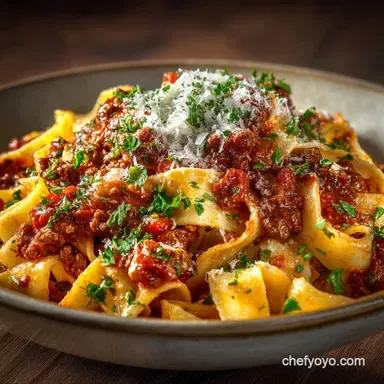
The Sunday Classic Authentic Ragu Alla Bolognese with Handcut Tagliatelle
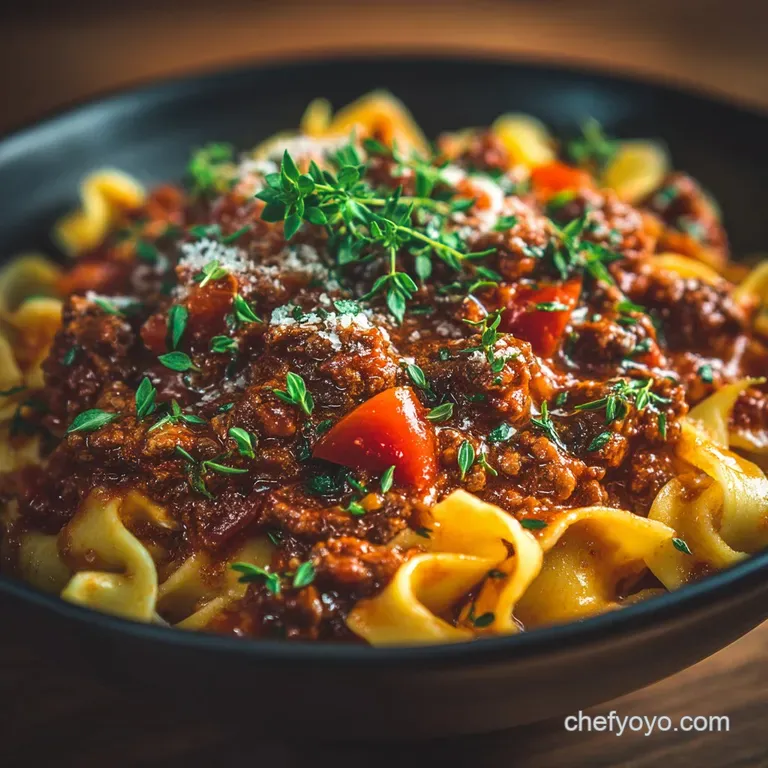
- The Sacred Art of Ragu: Why Authenticity Matters
- Exploring Emilia-Romagna: The Origin of Authentic Italian Dishes
- Essential Building Blocks for a Deeply Flavored Sauce
- Preparing the Foundation and Your Kitchen Tools
- Phase I: Building the Flavor Base (The Quick Steps)
- Phase II: The Slow Cook Transformation (The Patience Phase)
- Troubleshooting and Elevating Your Ragu Experience
- Pairing and Preservation: Serving Authentic Italian Dishes
- Recipe FAQs
- 📝 Recipe Card
The Sacred Art of Ragu: Why Authenticity Matters
True culinary greatness often lies in simplicity executed perfectly, and nowhere is this truer than with the Ragu alla Bolognese. When we discuss Authentic Italian Dishes , we are talking about recipes rooted in local geography and history, where time itself is the most important ingredient.
This particular sauce is a celebration of commitment, transforming humble meats and vegetables through four hours of gentle heat into a profound, velvety culinary experience. If your previous experience with "Spaghetti Bolognese" involved pre-made sauce or a rapid 30-minute stovetop sprint, prepare for a revelation.
Mastering this traditional method elevates your cooking to a level that allows you to confidently produce authentic italian dishes to make at home , serving a dish that defines comfort and sophistication.
This rich, slow cooked preparation is arguably one of the best italian dishes known globally, precisely because of its meticulous process.
Exploring Emilia Romagna: The Origin of Authentic Italian Dishes
To understand the ragu is to understand Emilia Romagna, the rich culinary heartland of Italy. Known affectionately as the "Food Valley," this region gave the world Parmigiano Reggiano, balsamic vinegar, Prosciutto di Parma, and, crucially, this deeply savory meat sauce.
Unlike the tomato heavy sauces of Southern Italy, this Ragu is meat centric, creamy, and built on a specific, powerful foundation that dictates the flavor profile. Traditional Italian Dishes from this area prioritize richness and texture, hence the necessity of specialized ingredients and tools beginning with the soffritto and ending with the pasta choice itself.
Deconstructing the Classic Soffritto Base
The soffritto is the aromatic soul of the ragu, and its preparation is non-negotiable for achieving genuine flavor. It is a precise blend of finely diced onion, carrot, and celery, cooked patiently in a mixture of butter and rendered pancetta fat.
For a truly authentic sauce, these vegetables must be minced so finely that they practically dissolve during the long simmer. The goal here is not to brown or crisp them, but to gently sweat them until they become translucent and profoundly sweet, yielding their essence to the cooking fat without adding any distracting texture.
The Critical Difference: Meat Selection and Ratio
Forget using solely lean ground beef; authentic ragu demands a specific combination. The depth of flavor in this sauce is achieved by using a 50/50 blend of ground beef and ground pork, supplemented by finely diced pancetta.
The lean ground beef (preferably 80/20) provides the hearty, foundational flavor, while the ground pork introduces a necessary sweetness and higher fat content for richness. The pancetta which must be unsmoked renders its unique saltiness and flavor compounds directly into the initial cooking fat, creating the complex backdrop required for Real Authentic Italian Food .
Why Tagliatelle Trumps Spaghetti for This Sauce
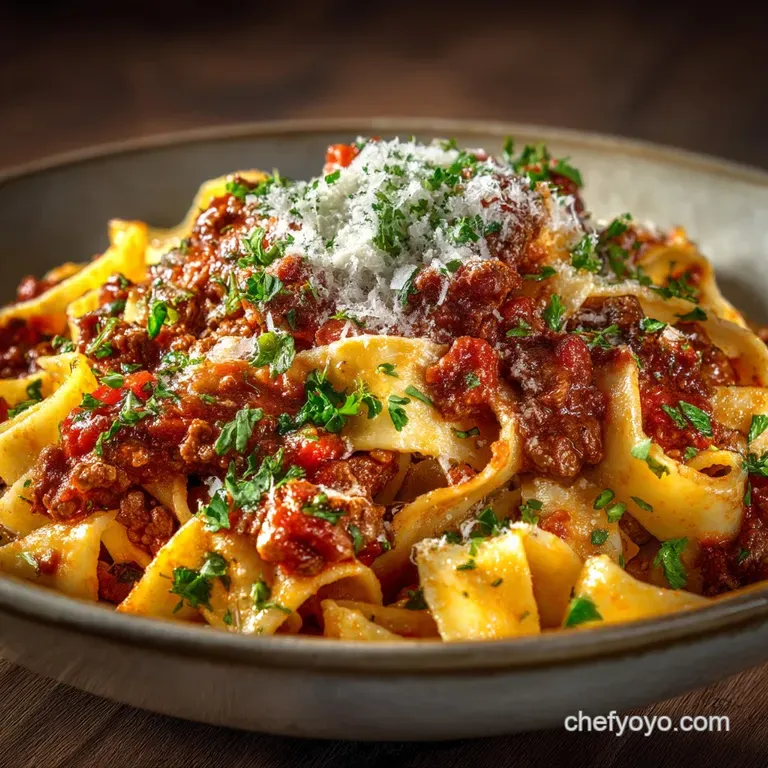
The ultimate litmus test for authenticity in Italian Pasta Dishes is the pairing. Spaghetti is the wrong choice for this dense, heavy sauce. The broad, ribbon like form of fresh tagliatelle (traditionally made with egg) is essential because its rougher surface area and wider width are perfectly designed to cling to the thick, velvety texture of the slow cooked ragu.
The sauce and the pasta must "marry" beautifully in the bowl, ensuring every bite is coated completely a critical distinction that elevates this dish far beyond standard fare.
Essential Building Blocks for a Deeply Flavored Sauce
Beyond the soffritto and meat, the liquid components and key seasonings play vital roles in the sauce's transformation during the Traditional Italian Dish Preparation . Most importantly, the ragu includes whole milk, which is stirred in early in the process.
This step is classic Bolognese technique: the dairy helps tenderize the meat while simultaneously balancing the acidity introduced by the wine and the minimal amount of tomatoes used. On top of that,, the essential secret handshake of this recipe is freshly grated nutmeg.
A small amount of this spice enhances the meaty richness and rounds out the dairy component, providing a distinct warmth that defines this classic italian dish .
Preparing the Foundation and Your Kitchen Tools
Successful ragu requires specific equipment to manage the long, slow heat required for true tenderization. A heavy bottomed Dutch oven or a sturdy, thick stockpot is not optional; it ensures even heat distribution, preventing hot spots that would scorch the bottom of the sauce during its four hour simmer.
Before starting, ensure all your vegetables for the soffritto are pre-minced to the required fine consistency the preparation time is approximately 30 active minutes, most of which is devoted to precise chopping.
Sourcing Quality Meats: Beef, Pork, and Pancetta Choices
For the best results, seek out high-quality ingredients. For the ground meat, a standard 80/20 beef mix is recommended for balance, and the pork should ideally be sourced fresh, not previously frozen.
The pancetta is perhaps the most specific requirement: it must be diced into very small cubes and must be dolce (sweet, unsmoked) to avoid imparting a bacon flavor that would overwhelm the delicate blend of the Authentic Italian Dishes Recipes .
Liquid Gold: Selecting the Perfect Wine and Broth
The choice of deglazing wine significantly impacts the final taste. A dry white wine, such as Pinot Grigio, is specified in the traditional method, adding a necessary acidity and complexity. Crucially, the beef stock used later must be low-sodium.
Since the ragu reduces drastically over several hours, using high sodium stock will result in an overly salty final product; controlling the salt level through finishing is key.
Fresh Pasta Flour Breakdown: Mastering the Tagliatelle Dough
While this recipe focuses on the ragu itself, the commitment to fresh tagliatelle completes the experience. If you are making the pasta from scratch, using high-quality ‘00’ flour and fresh eggs ensures the right texture a rough, porous surface that perfectly grips the thick sauce.
Even if buying pre-made, ensure you purchase fresh, refrigerated egg tagliatelle rather than dried pasta; this small detail can transform your Italian Dinner Party Recipes .
Related Recipes Worth Trying
- Classic Italian Wedding Soup Deeply Savory Broth Tender Meatballs — Skip the can This classic Italian Wedding Soup recipe builds deep flavor from scratch Poach tiny tender meatballs in savory broth for authentic comfort
- Authentic Dominican Sofrito Recipe Fresh Sazón Base for Stews — Make the true flavour engine of the Caribbean This easy uncooked Dominican Sofrito recipe Sazón provides a powerful vibrant base for all your stews and...
- Authentic Greek Salad Recipe Horiatiki LettuceFree Ready in 15 Minutes — The authentic lettucefree Greek Salad Horiatiki is here Celebrate peak summer flavour with a whole Feta block and a simple rich Greek olive oil dressing...
Phase I: Building the Flavor Base (The Quick Steps)
The initial phase is high intensity and requires focus, setting the groundwork for the ensuing four hour simmer. This begins with rendering the pancetta and butter gently in the Dutch oven for about 5– 7 minutes.
The rendered fat becomes the primary medium for cooking the soffritto . The heat must remain low during this stage to ensure the vegetables sweat beautifully without browning. Once the aromatics are softened, the temperature is raised slightly to accommodate the ground beef and pork.
Phase II: The Slow Cook Transformation (The Patience Phase)
This is where the magic happens, converting raw ingredients into a rich, deep sauce through the application of sustained, low heat.
Sweating the Aromatics: Achieving the Perfect Soffritto Consistency
After the pancetta has been rendered, the finely diced onion, carrot, and celery are introduced to the fat. This step requires 15– 20 minutes of very slow cooking over low heat.
The goal is complete softening; the vegetables should look translucent and almost appear to be melting into the fat, forming a creamy, aromatic foundation.
Browning the Meat: The Maillard Reaction is Your Friend
Once the soffritto is soft, the heat is increased to medium, and the ground beef and pork are added. It is vital to continue cooking and breaking up the meat until it is fully browned and any liquids released by the meat have completely evaporated.
This ensures the Maillard reaction occurs, creating the complex savory notes that only true caramelization can provide before introducing any liquids.
Deglazing the Pan with Wine: Capturing Every Bit of Flavor
The deglazing step is crucial for capturing all the concentrated flavor. Once the meat is browned, the cup of dry white wine is poured in, and the heat is momentarily increased. Use a wooden spoon to scrape up all the fond —the dark, delicious caramelized bits stuck to the bottom of the pot.
Cook until the wine has reduced completely and the sharp alcoholic notes have evaporated.
The Gentle Simmer: Setting the Ragu to Rest and Reduce
This phase is initiated by stirring in the tomato paste, followed by the whole milk. The milk must simmer until it is almost entirely absorbed by the meat mixture (about 10– 15 minutes). Only then are the canned diced tomatoes, warm beef stock, bay leaf, and freshly grated nutmeg added.
Bring the ragu to the lowest possible simmer it should barely move then cover loosely and let it go for 3 to 4 hours. This long, gentle braise is what tenderizes the meat and thickens the sauce to a velvety consistency.
Preparing the Fresh Tagliatelle: Roll, Cut, and Dry
While the ragu nears its fourth hour, focus on cooking the fresh pasta. Fresh tagliatelle cooks very quickly, usually 2– 3 minutes. Crucially, before draining, reserve at least one cup of the starchy pasta water. This "liquid gold" is essential for the final step.
The Final Marriage: Tossing the Pasta and Sauce Together
Do not simply pour the sauce over the drained pasta. The best italian dishes are finished by marrying the components. Return the drained tagliatelle to the pot, add a generous amount of ragu, and then add splashes of the reserved starchy water. Toss vigorously over low heat.
The starch water helps the sauce emulsify with the pasta, creating a lustrous, clinging coat that ensures optimal flavor delivery.
Troubleshooting and Elevating Your Ragu Experience
Even experienced cooks can encounter issues with slow cooked sauces. Remember that attention to detail, especially regarding fat and heat, is the difference between a good sauce and an exceptional one.
Achieving mastery over Authentic Italian Dishes involves understanding not just the ingredients, but the physics of the cooking process itself.
Pairing and Preservation: Serving Authentic Italian Dishes
Serving and storing ragu correctly ensures you maximize the flavor experience and minimize waste from this labor intensive process.
Common Pitfalls: Why Is My Sauce Too Watery or Oily?
If your ragu is too watery, it likely means you did not simmer it long enough, or the lid was placed on too tightly, trapping steam. Simmering, uncovered, for the final 30 minutes can usually correct this.
If the sauce is oily, you may have used a cut of meat that was too fatty, or you did not thoroughly drain the liquid after browning the meat in Phase I. In this case, chill the finished ragu completely, and the solidified excess fat can be easily scraped from the top before reheating.
Wine Pairing Suggestions for a Rich Bolognese
The richness and fat content of the ragu demand a wine with good structure and acidity to cut through the heavy texture. A superb pairing for this classic italian dish is a medium bodied red like a Chianti Classico.
For a truly authentic Emilia Romagna experience, look for a dry, sparkling Lambrusco. Its slight effervescence and acidity contrast beautifully with the sauce’s richness.
Can I Make This Ahead? Optimal Storage and Freezing Methods
Ragu alla Bolognese is an ideal make-ahead component of your Italian Dinner Party Recipes . In fact, the flavor actually deepens and improves overnight, allowing the spices and meats to fully integrate. Once cooled, the sauce can be stored airtight in the refrigerator for up to four days.
It also freezes exceptionally well; portion it into freezer safe containers and it will maintain quality for up to three months, making Authentic Italian Dishes Recipes highly practical for batch cooking.
Transforming Leftovers into Lasagna Layers
Should you find yourself with leftover ragu (a rare but possible occurrence), it serves as the perfect foundation for another Traditional Italian Dish . The dense, flavorful nature of the sauce is precisely what is needed for building a rich Lasagna alla Bolognese, using thin sheets of fresh pasta, béchamel, and Parmigiano Reggiano.
It is the ultimate way to honor and extend the flavor of your original labor of love.
Recipe FAQs
Why is this specific Ragu recipe counted among truly Authentic Italian Dishes?
Crikey, that’s the million dollar question! The authenticity lies in two things: the technique and the ingredients. Unlike standard 'Spag Bol,' this ragu starts with a proper slow cooked soffritto and uses a crucial addition of milk to tenderise the meat and neutralise acidity.
Furthermore, it is traditionally served with broad, fresh tagliatelle or pappardelle, never thin spaghetti, ensuring the sauce truly clings to the pasta like an old friend.
Four hours of simmering? Do I really need to cook the ragu for that long, or can I rush it?
You’re not wrong, it feels like forever, but trust us, patience is your best mate here. The long, low simmer allows the tough connective tissue in the meat to fully break down, resulting in that unbelievably tender, velvety texture.
Rushing the process will leave you with a tough, fragmented sauce, so stick the kettle on, let it bubble gently, and you’ll be rewarded with flavour depth you simply can’t achieve in under three hours.
What’s the deal with adding milk and nutmeg to a savoury meat sauce? That seems a bit bonkers!
It sounds mad, doesn't it? But both are vital traditional secrets! The whole milk is added before the tomatoes to bathe the meat, helping to soften the protein fibres and temper the acidity later on.
The tiny pinch of freshly grated nutmeg is the critical aromatic that links the dairy and meat flavours together, giving the ragu its signature warmth and complexity. Don't skip it; it’s the chef’s secret handshake!
Can I make a massive batch of this ragu ahead of time and freeze it?
Absolutely, it freezes like a dream! In fact, ragu is one of those dishes that actually tastes better the next day once the flavours have had a good night's sleep together. Cool the sauce completely before transferring it to freezer safe containers, leaving a little headspace.
It will keep happily in the freezer for up to three months, making it perfect for a fuss free midweek dinner when you’re knackered.
I haven't got tagliatelle in the cupboard. Can I use penne or spaghetti instead?
For the truest experience, you should use a flat, broad pasta like tagliatelle or pappardelle, as they provide the most surface area for the thick sauce to cling to it’s a matter of structural integrity! However, if you're in a pinch, go for a sturdy tube like rigatoni or paccheri.
We would strongly advise against thin spaghetti, as the delicate pasta strands just can't handle the weight of this rich sauce.
Authentic Italian Ragu Bolognese Recipe